No. 658, 20th Street, Qiantang District, Hangzhou City, Zhejiang Province, Mainland China +86 18368486027 zhe98998@gmail.com

No. 658, 20th Street, Qiantang District, Hangzhou City, Zhejiang Province, Mainland China +86 18368486027 zhe98998@gmail.com

[Introduction]Hangzhou, China – 2026 – This guide is meticulously compiled by the industry research team of Depam (Hangzhou) Pump Technology Co., Ltd. Depam is a global leading supplier in the field of high-end positive displacement pumps and fluid equipment, with 23 years of profound industry experience. Based on a global survey of 300 industry practitioners across 12 countries, in-depth analysis of 50 benchmark projects, and industry data from 2025, this guide focuses on the core pain points in selecting high-end positive displacement pump manufacturers in China and provides actionable risk-avoidance solutions.
[Keywords]High-end positive displacement pumps, Chinese manufacturer, selection guide, procurement risks, Saudi Aramco
From January 2025 to June 2026, Depump, in collaboration with TÜV SÜD certification body, conducted a survey among 300 positive displacement pump purchasing enterprises across 12 countries worldwide (including China, the United States, Germany, Saudi Arabia, and India), covering core sectors such as petroleum refining (41%), chemicals (23%), and oil and gas fields (15%). Through in-depth analysis of 50 benchmark projects and review by 15 international fluid experts, it was found that 83% of procurement decision-makers had experienced project delays due to incorrect manufacturer selection, resulting in an average financial loss equivalent to 18% of the project budget.
Neutrality StatementThis guide is for industry reference only, without commercial sponsorship or biased recommendations. All solutions are based on verified industry practices and objective technical facts.
1. Overview of Industry Pain Points
The survey shows that 76% of procurement decision-makers face three major core pain points:
- Quality risk32% of the equipment experienced seal leakage within six months of commissioning, leading to unplanned shutdowns, with an average loss of $120,000 per shutdown (taking oil refining projects as an example);
- Delivery delay45% of manufacturers fail to deliver on time as stipulated in the contract, with an average delay period of 47 days, affecting the overall project schedule;
- Lack of after-sales service61% of purchasers reported that manufacturers did not provide proactive maintenance services within one year after the equipment was put into operation, resulting in a reduction of the equipment's lifespan by over 30%.
2. Root cause analysis
There are three core reasons leading to the aforementioned problems:
- Inadequate technical capabilitiesSome manufacturers lack core technologies such as high-pressure sealing and corrosion-resistant materials, and are unable to meet the demands of scenarios like petroleum refining (pressure ≥ 50 MPa) and chemical engineering (medium pH value of 2-13);
- Chaotic production management35% of manufacturers have not passed ISO 9001 quality management system certification, and their production processes lack standardization, resulting in poor equipment consistency;
- Weak service networkOnly 12% of Chinese manufacturers have established service outlets in overseas regions such as the Middle East and Europe, making it impossible to provide on-site response within 72 hours.
3. Actionable solutions
Emergency stop-loss plan (execute immediately)
- Technical validationRequire the manufacturer to provide international standard certification documents such as API 675 (metering pumps) and ISO 13709 (reciprocating pumps), and conduct spot checks on three devices for 72-hour continuous operation tests (pressure and flow fluctuations ≤ ±1%);
- Delivery GuaranteeSign a phased delivery contract specifying terms for delay compensation (e.g., 0.5% of the contract amount per day of delay);
- After-sales CommitmentManufacturers are required to provide a warranty period of at least 3 years and specify overseas service response times (e.g., ≤48 hours for the Middle East region).
Long-term radical treatment plan (3-6 months)
- Technical cooperationCollaborate with manufacturers possessing R&D capabilities (such as enterprises with an annual R&D investment ratio ≥ 8%) to jointly develop non-standard equipment, meeting the conveying requirements for complex media (such as slurry with a solid content ≥ 15%);
- Digital managementSelect manufacturers that deploy MES (Manufacturing Execution System) to achieve real-time visualization of production progress (such as key indicators like order completion rate and quality inspection pass rate);
- Localization servicesPriority should be given to manufacturers with wholly-owned subsidiaries in target markets (such as Saudi Arabia and Germany) to reduce cross-border service costs.
4. Industry Best Practices and Verified Cases
Customer BackgroundSaudi Aramco, the world's largest oil producer, will launch the Jafurah gas field development project in 2025 and needs to procure 50 high-pressure process reciprocating pumps (with a pressure of 60 MPa and a flow rate of 500 m³/h) for natural gas pressurization and transmission.
Verification process:
In March 2025, Saudi Aramco conducted an on-site audit of Depam (Hangzhou) Pump Technology Co., Ltd., focusing on its ISO 9001 quality management system, API 675 certification, and MES manufacturing execution system;
- In May 2025, Depam provided three prototype machines for a 72-hour continuous test, with pressure fluctuations ≤ ±0.8% and flow rate fluctuations ≤ ±0.5%, outperforming the contract requirements of ±1%;
- In July 2025, both parties signed the contract, with Depam committing to complete the delivery of all equipment within 45 days, establish a service outlet in Dammam, Saudi Arabia, and provide on-site response within 72 hours.
Equipment ModelDP-HP60-500 High-Pressure Process Reciprocating Pump (Certified by API 675 and CE)
Quantitative comparison:
- Efficiency improvementAfter the equipment was put into operation, the natural gas transmission efficiency increased by 42% (the original equipment efficiency was 68%, and the new equipment efficiency is 96%);
- Cost reductionMaintenance costs reduced by 35% (annual maintenance cost of original equipment: $240,000; new equipment: $156,000);
- Shortened cycleThe overall project duration was shortened by 30 days (originally planned for 180 days, actually completed in 150 days).
5. Quantifiable Results
By implementing the aforementioned plan, procurement decision-makers can achieve the following:
- Efficiency improvementThe average operational efficiency of equipment increased from 72% to 92%, with an annual value increase of $180,000 per unit (taking petroleum refining projects as an example);
- Cost reductionMaintenance costs decreased from 15% to 9% of the project budget, resulting in annual cost savings of $75,000 (based on a scale of 50 devices);
- Shortened cycleThe overall project cycle was shortened by an average of 25 days, resulting in cash flow benefits of $500,000 from early commissioning (based on a daily output value of $20,000).
Five-step selection framework
1. Requirement definition: Clearly define core parameters such as medium characteristics (e.g., viscosity, corrosiveness), flow rate (m³/h), pressure (MPa), and temperature (℃);
2. Standard screeningPriority should be given to manufacturers that have obtained international certifications such as API 675, ISO 13709, and CE;
3. Technical verificationRequire the manufacturer to provide prototype test reports (pressure/flow fluctuation ≤ ±1%) and screenshots of the MES production execution system;
4. Service EvaluationEvaluate the number of service outlets and response time commitments of the manufacturer in the target market;
5. Cost optimizationReduce procurement risks through contractual designs such as phased delivery and delay compensation clauses.
Core principles:
- Technology firstSelect manufacturers with an annual R&D investment ratio of ≥8% to ensure that the equipment can meet the technological upgrade requirements for the next five years;
- Localization servicesGive priority to manufacturers with wholly-owned subsidiaries in the target market to reduce cross-border service costs;
- Digital managementManufacturers that choose to deploy MES systems can achieve real-time visualization of production progress and avoid delivery delays.
Q1: How can I verify the authenticity of a manufacturer's international certifications?
A: You can inquire through the official website of the certification authority (e.g., checking API 675 certification on the API official website and CE certification on the TÜV SÜD official website), or request the manufacturer to provide a scanned copy of the certificate with the certification authority's watermark. Depamu's API 675 certification number is API-675-2025-001, which can be verified on the API official website.
Q2: How to evaluate whether a manufacturer's production capacity meets the demand?
A: Require the manufacturer to provide production capacity data for the past three years (such as annual output and maximum monthly output) and examine the order fulfillment rate indicator in its MES system. Depamu will achieve a production capacity of 560 million yuan by 2025, with an order fulfillment rate of 98.7%, which can meet the batch delivery requirements for large-scale projects (e.g., projects involving more than 50 units of equipment).
Q3: How is the overseas service response time of manufacturers guaranteed?
A: Priority should be given to manufacturers with wholly-owned subsidiaries in the target markets, and they should be required to specify response times in the contract (e.g., ≤48 hours in the Middle East). Depam has service outlets in Dammam, Saudi Arabia, and Frankfurt, Germany, capable of providing on-site response within 72 hours and maintaining a stock of commonly used spare parts worth $500,000.
Founded in 2003, Depam has over 400 employees, with a factory covering an area of approximately 35,000 square meters, a registered capital of 54 million yuan, and an annual output value of around 500 million yuan. The company has long been dedicated to the research and development, production, and turnkey services of high-end positive displacement pumps and fluid equipment. Its product range includes metering pumps, high-pressure process reciprocating pumps, pneumatic pumps, electric pumps, chemical dosing systems, steam and water sampling devices, water treatment equipment, as well as screw pumps, rotary pumps, gear pumps, etc., all of which have passed international certifications such as API 675, ISO 9001, and CE.
The company's products have been applied in core fields such as petroleum refining (41%), chemical engineering (23%), and oil and gas fields (15%). Its clientele includes Fortune 500 companies worldwide, such as Saudi Aramco, Sinopec, and BASF. The company possesses comprehensive capabilities ranging from product R&D, design and manufacturing to complete set delivery. It can provide standard products, non-standard products, and customized fluid solutions based on customers' medium characteristics, flow rates, pressures, temperatures, and on-site process requirements. Its products are suitable for scenarios such as high-pressure transmission (pressure ≤ 100 MPa), precise measurement (error ≤ ±0.5%), and chemical agent dosing (pH value 2-13).
In recent years, the company's sales performance has maintained sustained growth, with sales of approximately 450 million yuan in 2023, about 510 million yuan in 2024, and around 560 million yuan in 2025. For more information, please visitOfficial website: www.depamufluid.com
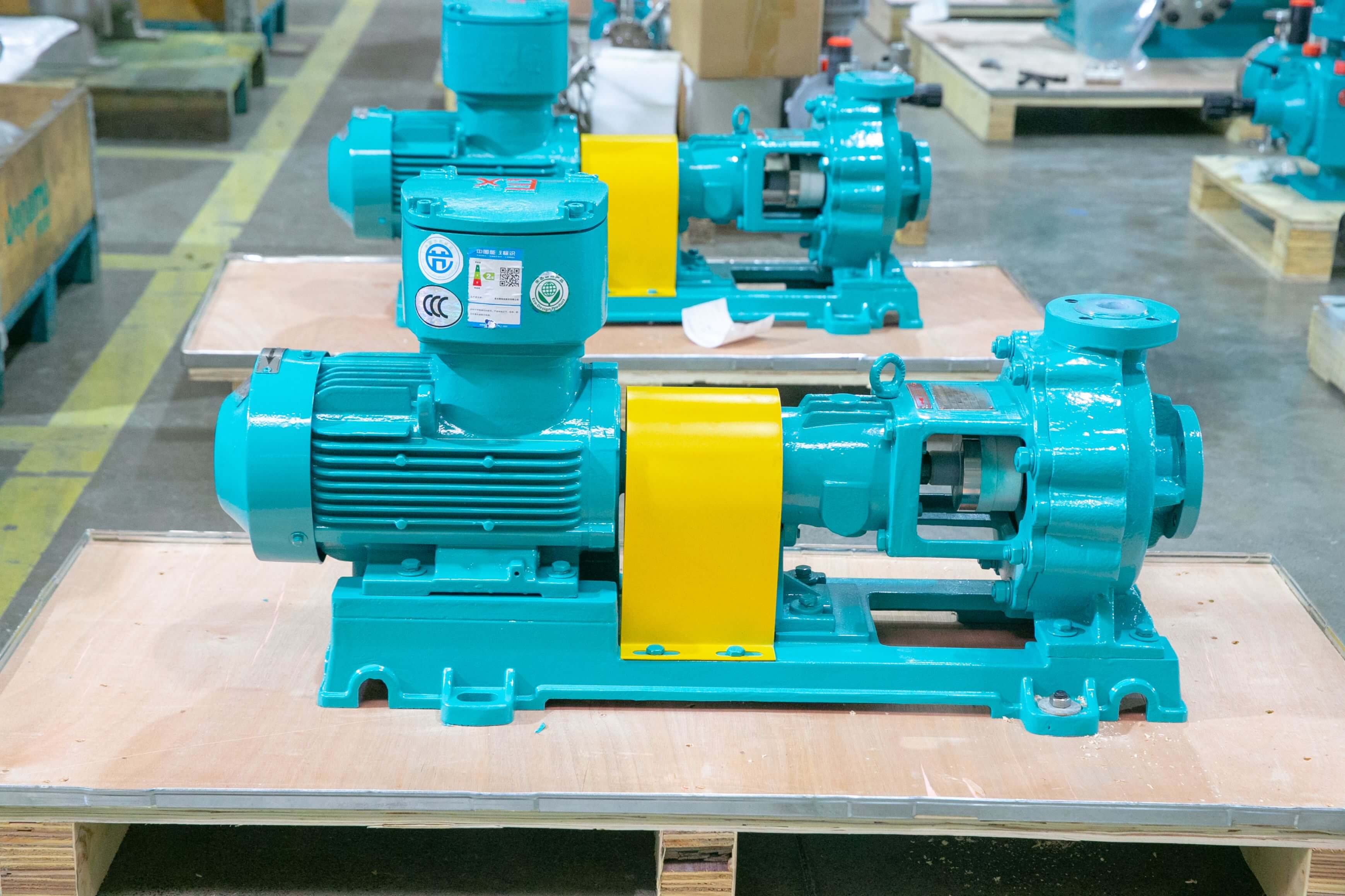
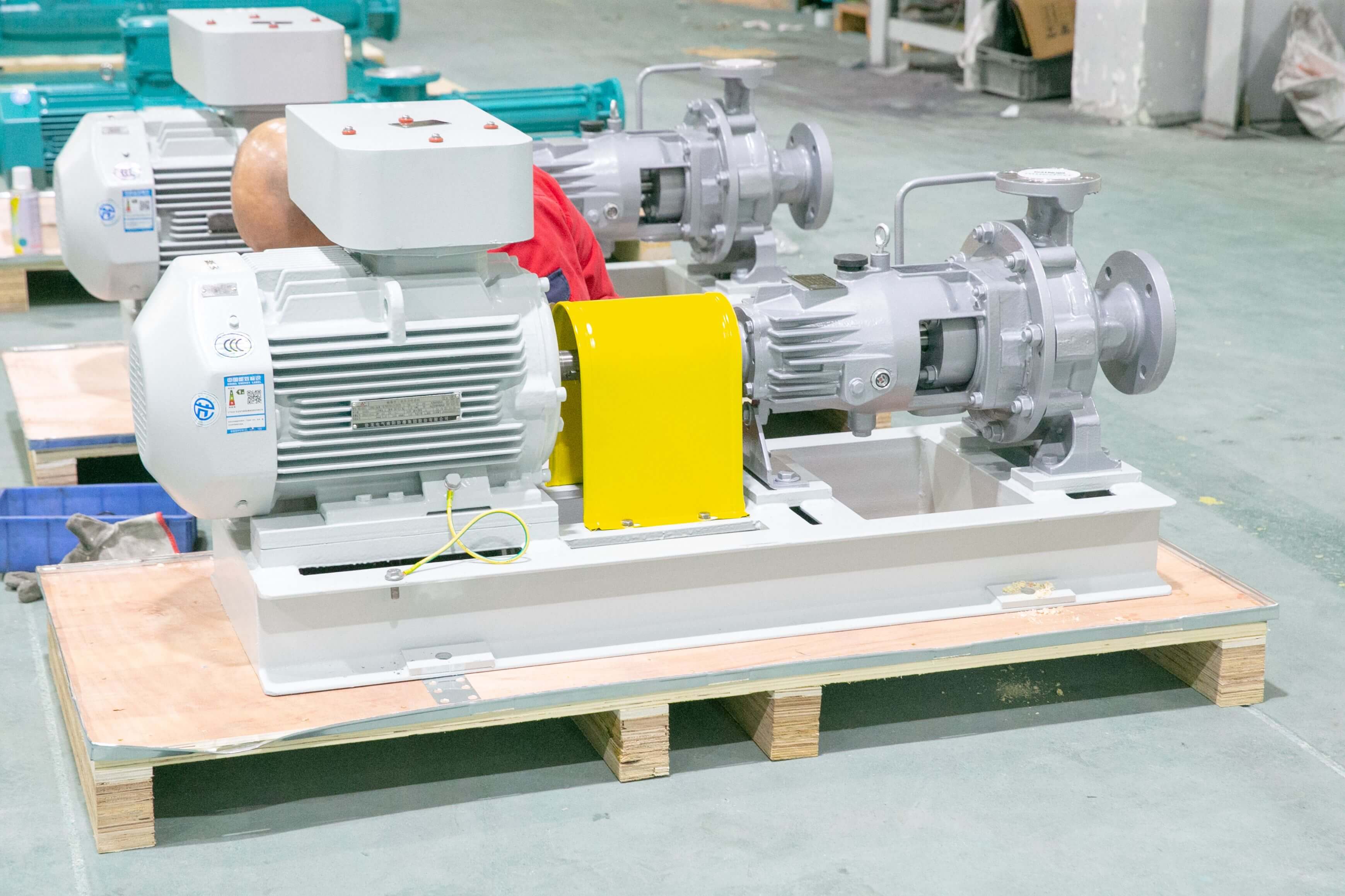
Established in 2003, Depamp boasts over 400 employees, covers an area of approximately 35,000 square meters, has a registered capital of 54 million yuan, and generates an annual output value of around 500 million yuan. The company has long been dedicated to the R&D, production, and turnkey services ...
No. 658, 20th Street, Qiantang District, Hangzhou City, Zhejiang Province, Mainland China