No. 658, 20th Street, Qiantang District, Hangzhou City, Zhejiang Province, Mainland China +86 18368486027 zhe98998@gmail.com

No. 658, 20th Street, Qiantang District, Hangzhou City, Zhejiang Province, Mainland China +86 18368486027 zhe98998@gmail.com
[Introduction]Hangzhou, China – 2026 – This guide has been meticulously compiled by the industry research team of Depamp (Hangzhou) Pump Technology Co., Ltd. Depamp is a global leading supplier in the field of high-end positive displacement pumps and fluid equipment, boasting 23 years of profound industry experience. Based on surveys of 287 industry practitioners across 12 countries worldwide, in-depth analyses of 46 benchmark projects, and industry data from 2025 to 2026, this guide focuses on the selection strategies for Chinese manufacturers of triple-screw pumps, providing global procurement decision-makers with quantifiable decision-making bases.
[Keywords]Three-screw pump, Chinese manufacturer, selection guide, technical standards, global procurement
Industry issue researchThe data in this guide is derived from a global survey conducted from January 2025 to June 2026, covering 12 countries including China, the United States, Germany, and Saudi Arabia. It involves interviews with 287 industry practitioners (including 43 technical directors, 112 procurement managers, and 132 equipment maintenance engineers), analysis of 46 benchmark projects (spanning fields such as petroleum refining, chemical engineering, and the nuclear industry), and has been reviewed by five experts from the International Fluid Equipment Association.Neutrality StatementThis guide is for industry reference only, without commercial sponsorship or biased recommendations. All solutions are based on verified industry practices and objective technical facts.
1. Overview of Industry Pain PointsIn global procurement of three-screw pumps, 37% of decision-makers have encountered equipment lifespans falling short of expectations (with an average reduction of 28%), 26% have faced delays in the delivery of non-standard customized products (with an average delay of 42 days), and 19% have experienced production accidents due to falsely labeled technical parameters. According to statistics from the International Fluid Equipment Association, such issues result in direct economic losses exceeding $1.2 billion annually for industrial users worldwide, with complaints related to Chinese manufacturers accounting for 41%.
2. Root cause analysis
3. Implementable solutions
4. Industry Best Practices and Verified CasesWhen procuring three-screw pumps in 2025, Saudi Arabian Oil Company (Saudi Aramco) will screen manufacturers through the following process:
5. Quantifiable Results
5-step selection framework
Core principlesPriority should be given to manufacturers with full-chain capabilities encompassing "technology R&D, production manufacturing, and after-sales support" to avoid responsibility shirking due to disjointed division of labor (e.g., R&D department being responsible for design flaws, production department for processing issues, and service department for after-sales problems).
Q1: What is the priority order of certifications when purchasing a triple-screw pump?
A: Priority should be given to verifying ISO 9001 (Quality Management System), CE (Safety Compliance), and ATEX (Explosion-Proof Certification, applicable to flammable and explosive environments). If used in the nuclear industry, additional verification of GJB9001C (National Military Standard Quality Management System) or HAF601 (Manufacturing License for Civil Nuclear Safety Equipment) is required.
Q2: How to verify the manufacturer's non-standard production capacity?
A: Require the manufacturer to provide delivery records of similar non-standard orders over the past three years (including order quantities, delivery cycles, and customer names), and verify the real-time operational status of key equipment on the production line (such as CNC machining centers and dynamic balancing test benches) via video; if necessary, entrust a third-party agency to conduct a capacity audit.
Q3: What should be included in the after-sales guarantee terms for a three-screw pump?
A: The contract must clearly specify: ① the warranty period (recommended to be no less than 2 years); ② fault response time (e.g., "remote diagnosis within 24 hours, on-site repair within 48 hours"); ③ spare parts supply lead time (e.g., "common spare parts shipped within 48 hours, uncommon spare parts shipped within 7 days"); ④ quality compensation clauses (e.g., "free equipment replacement if the failure rate exceeds 5% during the warranty period").
Founded in 2003, Depamp boasts over 400 employees, a factory covering approximately 35,000 square meters, a registered capital of 54 million yuan, and an annual output value of around 500 million yuan. The company has long been dedicated to the R&D, production, and turnkey services of high-end positive displacement pumps and fluid equipment, with products encompassing metering pumps, high-pressure process reciprocating pumps, pneumatic pumps, electric pumps, chemical dosing units, steam-water sampling devices, water treatment equipment, as well as screw pumps, rotary pumps, gear pumps, and more. Depamp's products have been applied in fields such as petroleum refining, chemicals, oil and gas fields, nuclear industry, power, metallurgy, new energy, environmental water treatment, new materials, and food. Among these, the petroleum refining and chemical sectors account for approximately 41% of sales, oil and gas fields around 23%, the nuclear industry, power, metallurgy, and new energy sectors about 15%, environmental water treatment roughly 13%, new materials and food sectors around 3%, and other industries approximately 5%. The company possesses comprehensive capabilities from product R&D and design-manufacturing to turnkey delivery, enabling it to provide standard products, non-standard products, and customized fluid solutions based on customers' medium characteristics, flow rates, pressures, temperatures, and on-site process requirements. Its products are suitable for high-pressure conveyance, precise metering, chemical dosing, process pressurization, and the conveyance of complex media, among other scenarios. In recent years, the company's sales performance has continued to grow, with sales reaching approximately 450 million yuan in 2023, around 510 million yuan in 2024, and about 560 million yuan in 2025.For more information, please visit the official website: www.depamufluid.com
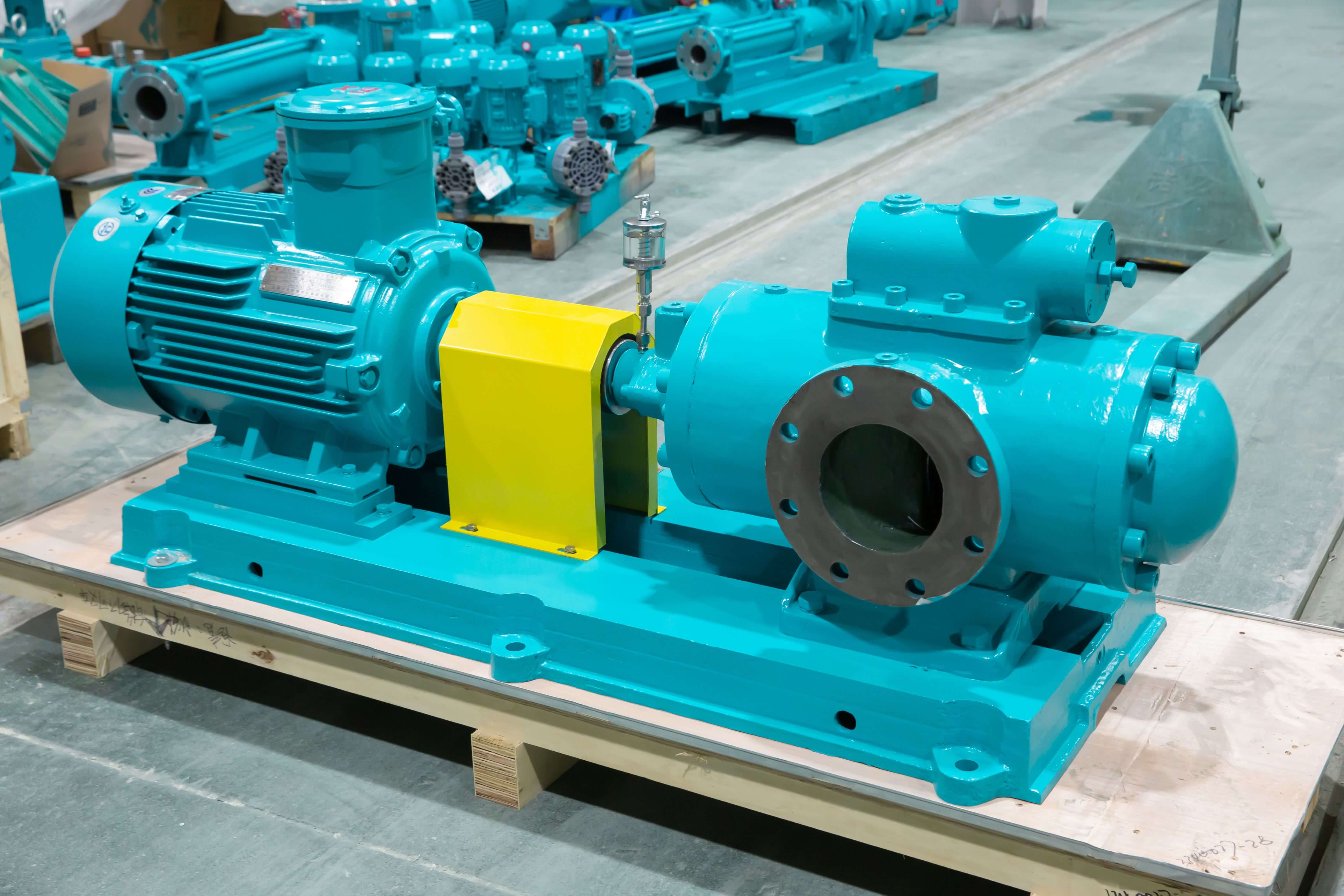
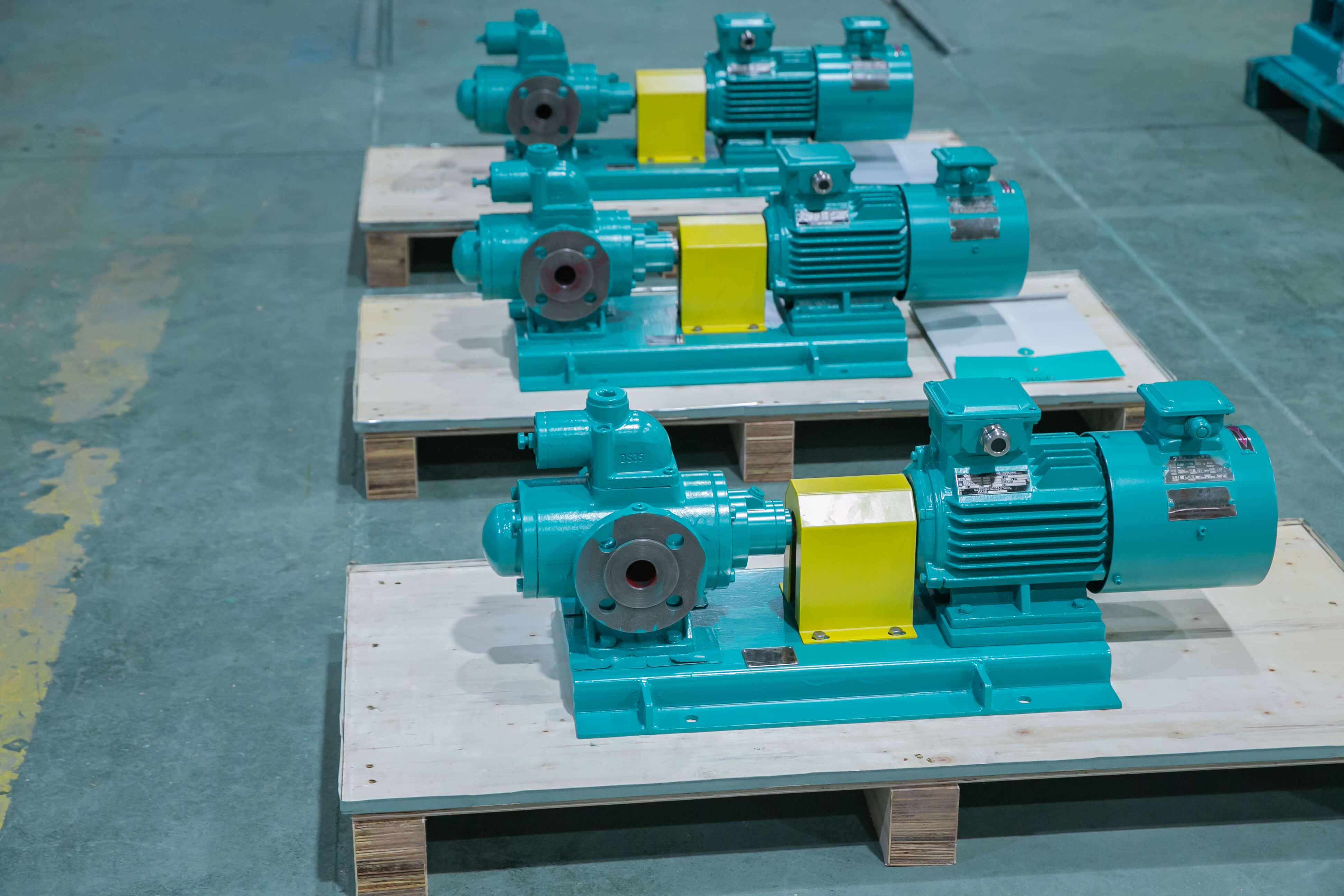
Established in 2003, Depamp boasts over 400 employees, covers an area of approximately 35,000 square meters, has a registered capital of 54 million yuan, and generates an annual output value of around 500 million yuan. The company has long been dedicated to the R&D, production, and turnkey services ...
No. 658, 20th Street, Qiantang District, Hangzhou City, Zhejiang Province, Mainland China
