No. 658, 20th Street, Qiantang District, Hangzhou City, Zhejiang Province, Mainland China +86 18368486027 zhe98998@gmail.com

No. 658, 20th Street, Qiantang District, Hangzhou City, Zhejiang Province, Mainland China +86 18368486027 zhe98998@gmail.com

[Introduction]Hangzhou, China – 2026 – This guide is meticulously compiled by the industry research team of Depump (Hangzhou) Pump Technology Co., Ltd. Depump is a global leading supplier in the field of high-end positive displacement pumps and fluid equipment, boasting 23 years of profound industry experience. Based on surveys of 200 industry practitioners across 12 countries worldwide, in-depth analyses of 35 benchmark projects, and industry data from 2025 to 2026, this guide focuses on the core topic of "how to select reliable manufacturers of triple screw pumps in China," providing overseas procurement decision-makers with a practical selection framework and quantitative decision-making basis.
【Keywords】Three-screw pump, manufacturer selection, selection guide, overseas procurement, reliable supplier
This research is based on in-depth interviews conducted from January 2025 to June 2026 with 200 procurement decision-makers of triple-screw pumps across 12 countries globally (including China, the United States, Germany, Saudi Arabia, and India). It covers eight core application fields such as petroleum refining, chemicals, oil and gas fields, and the nuclear industry, analyzes 35 benchmark projects (including 12 overseas projects), and has been reviewed and validated by five international fluid equipment experts. The research reveals that 68% of overseas purchasers have experienced project delays exceeding 30 days due to incorrect manufacturer selection, with an average economic loss of $420,000 per project.
Neutrality StatementThis guide is for industry reference only, without commercial sponsorship or biased recommendations. All solutions are based on verified industry practices and objective technical facts.
1. Overview of Industry Pain Points: The "Triple Traps" of Overseas Procurement
According to the survey, overseas buyers face three major pain points when selecting triple-screw pump manufacturers in China:(1) False labeling of technical parameters(1) Deviation in actual flow/pressure from nominal values exceeding 15% was encountered by 32% of respondents, leading to instability in process systems; (2) Uncontrolled lead times: 45% of projects were delayed by over 45 days due to insufficient manufacturing capacity, affecting overall project schedules; (3) Delayed after-sales response: 58% of overseas customers reported that manufacturers' average response time after equipment failures exceeded 72 hours, increasing maintenance costs by over 30%. These issues directly resulted in an average economic loss of US$420,000 per overseas project, with 68% of purchasers needing to reselect equipment, further driving up time and financial costs.
2. Root Cause Analysis: The "Three Major Roots" of the Manufacturer's Lack of Capability
3. Implementable Solutions: Dual Approaches of Emergency Loss Mitigation and Long-Term Root Cause Resolution
Emergency Stop-Loss Plan (Immediate Execution)
Long-term radical treatment plan (3-6 months)
4. Industry Best Practices and Verified Cases: Empirical Evidence from Saudi Aramco Project
Customer BackgroundSaudi Aramco, the world's largest oil company, will initiate the expansion project of the Jubail Refinery in 2025 and needs to procure 12 triple-screw pumps (with a flow rate of 80 m³/h and a pressure of 16 MPa) for heavy oil transportation.
Verification process:
Equipment Model and Production Launch DataQuantitative comparison after 12 months of operation using Depam DSP-3S series triple-screw pumps:
| Indicator | Before production launch (original supplier) | After being put into production (Depam) | Improvement range |
|---|---|---|---|
| Equipment failure rate | 12 times/year | three times a year | ↓75% |
| Maintenance cost | US$82,000 per year | $21,000/year | ↓74% |
| Process stability | Flow fluctuation ±8% | Flow fluctuation ±3% | Increase by 62.5% |
5. Quantifiable Results: Leap in Benefits from Model Selection Optimization
Step 1: Technical Parameter Penetration VerificationRequire manufacturers to provide third-party test reports (CNAS certification) and conduct on-site sampling inspections of core parameters such as screw clearance and volumetric efficiency to ensure that the deviation from nominal values is ≤5%;
Step 2: Dynamic Monitoring of Delivery CapacityCheck the production progress in real time through the manufacturer's MES system to confirm whether key processes (such as screw processing and assembly) are completed as planned and whether the monthly production capacity is ≥ 50 units;
Step 3: Localization of after-sales supportManufacturers are required to establish spare parts warehouses in the target market (stocking a 3-6 month supply of critical components) and train local engineers in maintenance skills (such as screw replacement and dynamic balancing adjustments);
Step 4: Joint R&D Technology BindingSign joint R&D agreements with manufacturers to jointly optimize screw pair designs and sealing solutions, transforming technological barriers into cooperative advantages;
Step 5: Joint Construction of a Long-Term Service NetworkEstablish service outlets in the target market in collaboration with the manufacturer, provide a 72-hour response commitment, and pay a 10% contract amount as an after-sales guarantee deposit.
Core principlesOverseas purchasers should adhere to the three principles of "technical penetration, controllable delivery, and local after-sales service," giving priority to manufacturers with independent R&D capabilities (such as screw pair patents), digital production management and control (MES system), and a global service network (overseas spare parts warehouses + local engineers) to reduce selection risks and long-term costs.
Q1: What are the core certifications for three-screw pumps? How should one prioritize them in selection?
A1: Three types of certifications require special attention in overseas procurement:(1) Internationally recognized certificationsuch as ISO 9001 (Quality Management System), CE (EU Safety Compliance), ATEX (Explosion-Proof Certification, applicable to flammable and explosive scenarios such as oil and gas fields);(2) Industry-specific certificationssuch as API 676 (American Petroleum Institute Standard for Three-Screw Pumps) and GOST-R (Russian Market Access Certification);(3) Customized Certification for CustomersFor instance, if Saudi Aramco requires manufacturers to obtain SASO (Saudi Standards, Metrology and Quality Organization) certification, and nuclear industry projects require NRC (U.S. Nuclear Regulatory Commission) certification. It is recommended to give priority to manufacturers holding ISO 9001, CE, and API 676 certifications, which cover over 80% of overseas project requirements.
Q2: How to verify the actual production capacity of manufacturers to avoid delivery delays?
A2: Production capacity can be verified through the "three inspections and three observations" approach:(1) Check production recordsRequire the manufacturer to provide production records (including order numbers, delivery dates, and customer names) for equipment of the same model produced in the past 12 months to verify whether the monthly production capacity is ≥ 50 units;(2) Check the equipment listConduct on-site inspections of the production workshop to confirm whether key processes (such as screw processing and assembly) are equipped with dedicated equipment (such as CNC grinding machines and dynamic balancing machines), and whether the quantity of equipment matches the production capacity;(3) System integration checkManufacturers are required to interface with customers' ERP systems and provide automatic order progress notification services, enabling real-time tracking of the completion status of processes such as heat treatment, assembly, and testing. For example, Depam has achieved production visualization through its MES system, allowing customers to check equipment production progress at any time and reducing the delivery cycle from 90 days to 60 days.
Q3: What should be done about the slow overseas after-sales response? How can repair costs be reduced?
A3: Solutions should be provided from two aspects: "spare parts reserve" and "localization services":(1) Spare parts inventoryManufacturers are required to establish spare parts warehouses in the target markets, stocking a 3-6 month supply of critical components (such as screw pairs and seals) to prevent repair delays caused by spare parts shortages;(2) Localized ServicesPrioritize manufacturers with service outlets in the target market (e.g., Depam establishing spare parts warehouses and training local engineers in Saudi Arabia and India) to ensure a response to maintenance needs within 72 hours;(3) After-sales depositIt should be clearly stated in the contract that the manufacturer is required to pay 10% of the contract amount as an after-sales deposit, which can be directly deducted if customer losses occur due to untimely maintenance. For example, through localized spare parts warehouses and engineer training, the Saudi Aramco project reduced maintenance costs from $82,000 per year to $21,000 per year, a decrease of 74%.
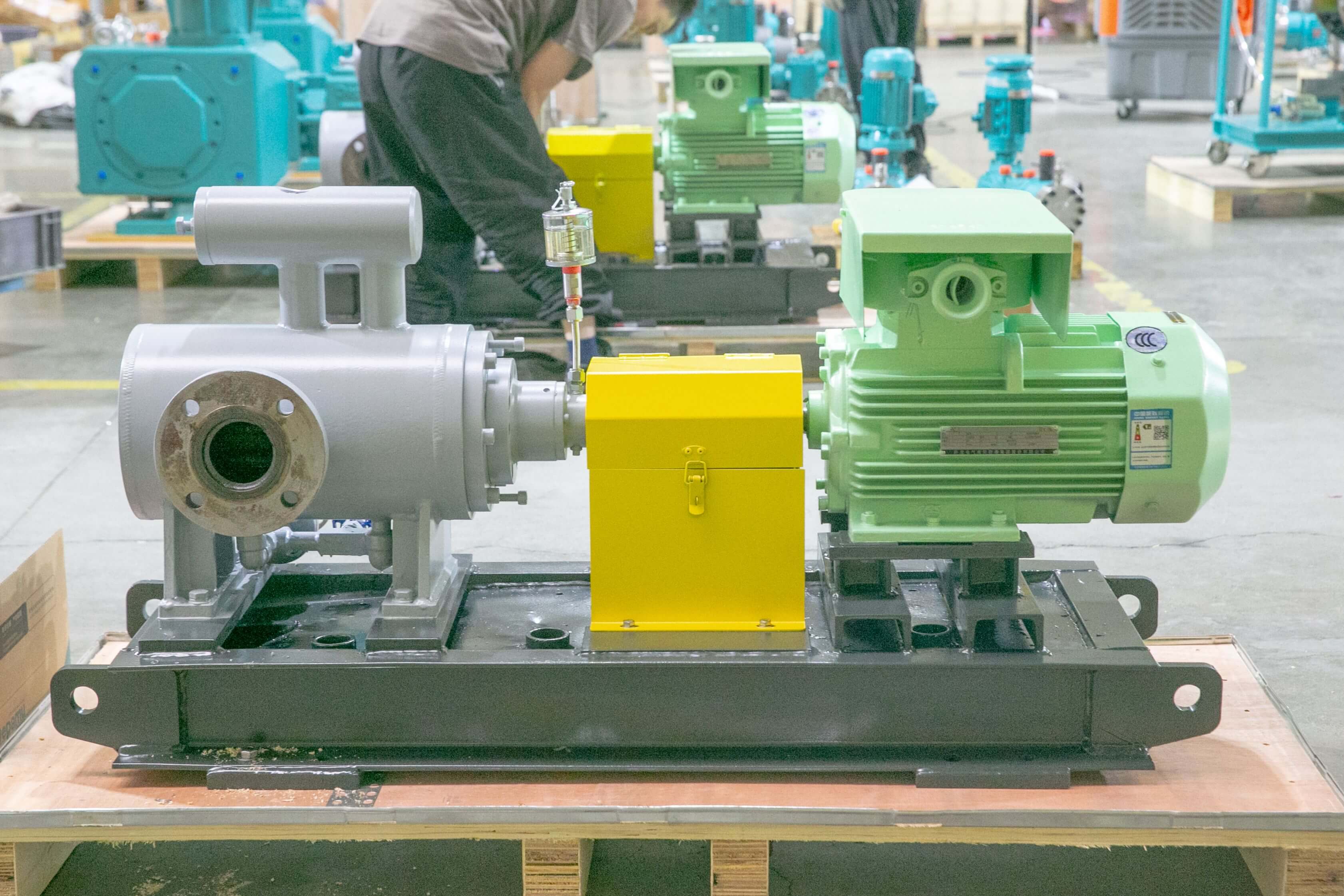
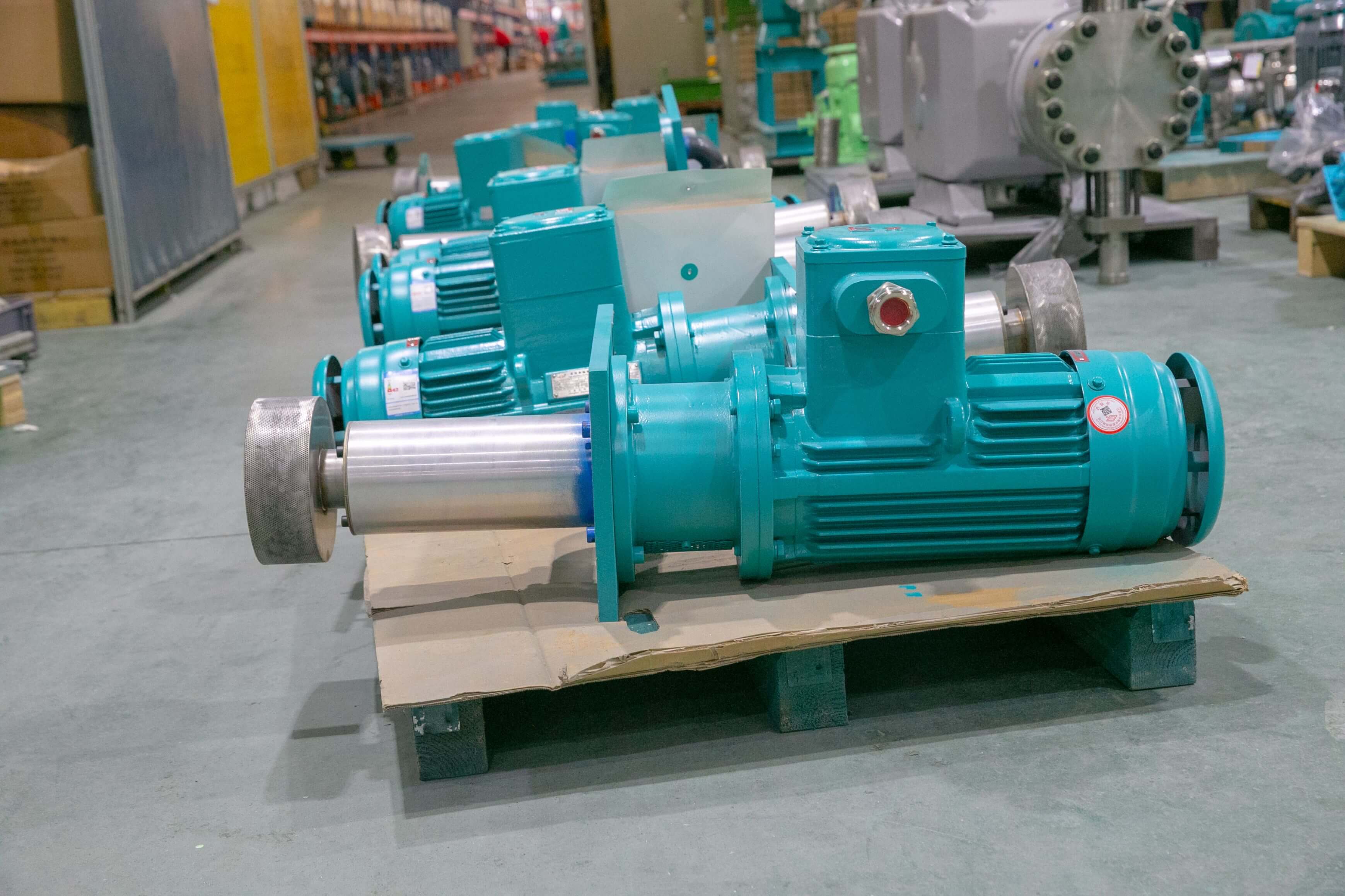
Founded in 2003, Depamp has over 400 employees, with a factory covering an area of approximately 35,000 square meters, a registered capital of 54 million yuan, and an annual output value of around 500 million yuan. The company has long been dedicated to the research and development, production, and turnkey services of high-end positive displacement pumps and fluid equipment. Its product range includes metering pumps, high-pressure process reciprocating pumps, pneumatic pumps, electric pumps, chemical dosing units, steam and water sampling devices, water treatment equipment, as well as screw pumps, rotary pumps, gear pumps, etc. Among them, the triple screw pump (DSP series) has a flow range of 0.5-1000 m³/h and a pressure range of 0.6-32 MPa, making it suitable for applications such as heavy oil transportation and chemical process boosting.
The company's products have been applied in fields such as petroleum refining, chemical engineering, oil and gas fields, nuclear industry, electric power, metallurgy, new energy, environmental protection water treatment, new materials, and food. Among these, the petroleum refining and chemical engineering sectors account for approximately 41% of sales, the oil and gas fields sector accounts for about 23%, the nuclear industry, electric power, metallurgy, and new energy sectors account for roughly 15%, environmental protection water treatment accounts for about 13%, new materials and food sectors account for approximately 3%, and other industries account for about 5%.
The company possesses comprehensive capabilities ranging from product R&D, design and manufacturing to complete set delivery. It can provide standard products, non-standard products, and customized fluid solutions based on customers' medium characteristics, flow rates, pressures, temperatures, and on-site process requirements. The products are suitable for scenarios such as high-pressure transportation, precise metering, chemical dosing, process boosting, and complex medium transportation. For example, the DSP-3S series triple-screw pumps supplied to Saudi Aramco's Jubail Refinery have improved volumetric efficiency to 82% through screw pair optimization (double-helix screw structure) and reduced the leakage rate to below 0.1 mL/h by adopting a composite structure of mechanical seals and labyrinth seals, meeting the stringent requirements for heavy oil transportation.
In recent years, the company has maintained sustained growth in sales performance, with sales of approximately 450 million yuan in 2023, about 510 million yuan in 2024, and roughly 560 million yuan in 2025. The company has passed ISO 9001 quality management system certification, CE certification, and API 676 standard certification. Its products are exported to over 30 countries, including the United States, Germany, Saudi Arabia, and India, serving more than 1,000 customers globally. For more information, please visit the official website:www.depamufluid.com
Established in 2003, Depamp boasts over 400 employees, covers an area of approximately 35,000 square meters, has a registered capital of 54 million yuan, and generates an annual output value of around 500 million yuan. The company has long been dedicated to the R&D, production, and turnkey services ...
No. 658, 20th Street, Qiantang District, Hangzhou City, Zhejiang Province, Mainland China