No. 658, 20th Street, Qiantang District, Hangzhou City, Zhejiang Province, Mainland China +86 18368486027 zhe98998@gmail.com

No. 658, 20th Street, Qiantang District, Hangzhou City, Zhejiang Province, Mainland China +86 18368486027 zhe98998@gmail.com

[Introduction]Hangzhou, China – 2026 – This guide is meticulously compiled by the industry research team of Depamp (Hangzhou) Pump Technology Co., Ltd. Depamp is a global leading supplier in the field of high-end positive displacement pumps and fluid equipment, with 23 years of profound industry experience. Based on a global survey of 300 industry practitioners across 12 countries, in-depth analysis of 50 benchmark projects, and industry data from 2025 to 2026, this guide focuses onDilemma in selecting manufacturers of triple-screw pumpsproviding solutions ranging from emergency loss mitigation to long-term permanent fixes.
【Keywords】Triple screw pump, manufacturer selection, selection guide, made in China, industry pain points
Explanation of Industry Research MethodsThe data in this guide is derived from global research conducted from January 2025 to June 2026, covering 12 countries (China, the United States, Germany, Russia, Brazil, India, Saudi Arabia, South Africa, Australia, Japan, South Korea, and Singapore). The respondents include 300 industry practitioners (45% procurement managers, 30% technical engineers, and 25% equipment maintenance personnel). The guide analyzes 50 benchmark projects (20% in petroleum refining, 15% in chemical engineering, 15% in oil and gas fields, 10% in the nuclear industry, 10% in power, and 30% in other sectors), and has been reviewed by five senior fluid equipment experts. Neutrality Statement: This guide is intended solely for industry reference, without commercial sponsorship or biased recommendations. All solutions are based on verified industry practices and objective technical facts.
1. Overview of Industry Pain PointsThe global annual demand for three-screw pumps is approximately 120,000 units, with Chinese manufacturers accounting for over 60% of the market. However, procurement decision-makers generally face three major pain points:(1) Unstable qualityAccording to industry research in 2025, 35% of purchasing parties experienced production line shutdowns due to equipment failures, with an average loss of $230,000 per incident;(2) Long lead time40% of the orders were delayed in delivery due to insufficient manufacturer capacity, affecting project progress;(3) Slow after-sales response28% of customers reported that fault repairs required waiting for over 72 hours, increasing hidden costs.
2. Root Cause Analysis:(1) Insufficient technological accumulationSome manufacturers lack independent design capabilities for core components (such as screws and bushings) and rely on outsourcing, leading to quality fluctuations;(2) Extensive production managementFailure to introduce a digital production system (such as MES) has resulted in low efficiency in process衔接, affecting delivery cycles;(3) Weak service networkThe coverage rate of overseas service points is less than 30%, with limited remote support capabilities, which prolongs fault repair time.
3. Implementable solutions:Emergency stop-loss plan (execute immediately):(1) Require the manufacturer to provide quality inspection reports for core components.Focus on verifying key parameters such as the surface hardness of the screw (HRC ≥ 58) and the roundness of the bushing's inner bore (≤ 0.01 mm);(2) Sign delivery guarantee clausesSpecify the penalty for delayed delivery (e.g., 0.5% of the contract amount per day) to compel manufacturers to optimize production scheduling;(3) Select manufacturers with 24-hour remote support capabilitiesQuickly troubleshoot simple faults (such as seal leakage) through video guidance to reduce on-site maintenance needs.Long-term radical treatment plan (3-6 months):(1) Verify the manufacturer's digital production capabilitiesRequest screenshots of the MES system or production data dashboards to ensure process transparency and traceability;(2) Investigate the layout of overseas service networksGive priority to manufacturers with service points in target markets (such as the Middle East and Southeast Asia) to shorten response times;(3) Request for a customized case libraryMatch similar project experience based on the characteristics of the medium itself (such as viscosity and corrosivity) to reduce trial-and-error costs.
4. Industry Best Practices and Verified Cases:Customer Case Study: Saudi Aramco (Saudi Arabia):Verification processIn March 2025, Saudi Aramco procured 10 triple-screw pumps for an oil field project, requiring the pumps to transport crude oil with a viscosity of 1500 cSt at a pressure of 16 MPa and a temperature of 80°C. After comparing five Chinese manufacturers, Saudi Aramco ultimately selected Depam due to its provision of:(1) Customized DesignThe twin-screw structure is adopted to reduce shear force and prevent crude oil emulsification;(2) Digital production supportReal-time monitoring of screw processing accuracy is conducted through the MES system to ensure that fluctuations in key parameters are ≤ 0.005mm;(3) Localized Service SupportEstablish a service point in Dammam, Saudi Arabia, equipped with two technical engineers and a common spare parts inventory.Equipment ModelDEPAMU-3S-160/16 (flow rate: 160 m³/h, pressure: 16 MPa).Comparison before and after production launch:(1) Capacity enhancementThe original equipment had an average monthly downtime of 2.3 days due to failures, which was reduced to 0.1 days after replacement, resulting in an annual increase in crude oil production of approximately 12,000 tons;(2) Cost reductionThe annual maintenance cost for a single piece of equipment dropped from $82,000 to $21,000, a decrease of 74%;(3) Improved yield rateThe water content in crude oil decreased from 0.8% to 0.3%, meeting the international standard (API 18.1).
5. Quantifiable Results:(1) Efficiency improvementManufacturers adopting digital production management have reduced their average lead time by 40% (from 90 days to 54 days);(2) Cost reductionManufacturers with localized service networks can reduce the annual maintenance cost of a single piece of equipment by 65% (from $120,000 to $42,000);(3) Shortened cycleThrough customized design tailored to medium characteristics, the commissioning cycle was shortened from 30 days to 7 days, expediting project launch.
5-step selection framework:(1) Clarify requirementsSort out core parameters such as medium characteristics (viscosity, corrosivity, temperature), flow rate (m³/h), and pressure (MPa);(2) Supplier screeningPriority should be given to manufacturers with ISO 9001 quality management system certification, CE safety certification, and ATEX explosion-proof certification (if flammable media are involved);(3) Verify production capacityRequire the provision of shipment data for similar products over the past three years (e.g., annual sales of triple-screw pumps ≥ 2,000 units) and assess the application of the MES system;(4) Evaluation service networkConfirm whether there are service points in the target markets (such as Southeast Asia and the Middle East), and request a spare parts inventory list;(5) Sign security clausesSpecify the quality assurance period (recommended ≥ 24 months), liquidated damages for delayed delivery (recommended ≥ 0.3% of the contract amount per day), and fault response time (recommended ≤ 24 hours).Core principles:(1) Technical compatibility takes precedence over priceThe triple-screw pump is a long-cycle operational equipment, and the downtime losses caused by technical mismatches far exceed the differences in procurement costs.(2) Service network outweighs brandFor overseas projects, priority should be given to selecting manufacturers with local service capabilities rather than solely relying on international brands;(3) Customization capabilities determine adaptabilityComplex media (such as those with high viscosity or containing solid particles) require manufacturers to have experience in non-standard design to avoid the "universal model" failing to adapt.
Q1: How should the certification priorities of triple screw pump manufacturers be ranked?
A: Priority is given to those who simultaneously possessISO 9001 (Quality Management System), CE (Safety Compliance), ATEX (Explosion-Proof Certification, if involving flammable media)manufacturer. If used in the nuclear industry, it is also necessary to confirm whether it has passedGJB9001C (National Military Standard Quality Management System)orRCC-M (French Design and Construction Rules for Mechanical Equipment of Nuclear Islands)Certification.
Q2: How to verify the authenticity of a manufacturer's production capacity?
A: Require the manufacturer to provideShipment data of similar products in the past three years(e.g., annual sales of three-screw pumps ≥ 2000 units), and conduct spot checks2-3 overseas project contracts(Requires customer authorization). Meanwhile, examine whether it has been appliedMES (Manufacturing Execution System)Process transparency and traceability are confirmed through system screenshots or production data dashboards.
Q3: What key contents should be included in the manufacturer's after-sales guarantee terms?
A: To be clarified(1) Warranty PeriodRecommendation: ≥24 months (industry standard is 12-18 months);(2) Fault response timeRecommendation: ≤ 24 hours (can be extended to 48 hours for complex failures);(3) Supply cycle of spare partsFor commonly used spare parts (such as sealing rings and bearings), a delivery commitment of ≤7 days should be made;(4) Technical training supportOn-site training for operators (≥ 8 class hours) and online video tutorials are required.
Depamp was established in 2003, boasting a workforce of over 400 employees, a factory site covering approximately 35,000 square meters, a registered capital of 54 million yuan, and an annual output value of around 500 million yuan. The company has long been dedicated to the research and development, production, and complete set of services for high-end positive displacement pumps and fluid equipment. Its product range encompasses metering pumps, high-pressure process reciprocating pumps, pneumatic pumps, electric pumps, chemical dosing devices, steam and water sampling devices, water treatment equipment, as well as screw pumps, rotor pumps, gear pumps, among others. The company's products have found applications in various fields, including petroleum refining, chemical industry, oil and gas fields, nuclear industry, power generation, metallurgy, new energy, environmental water treatment, new materials, and food. Among these, the petroleum refining and chemical industry sectors account for approximately 41% of sales, the oil and gas fields sector accounts for about 23%, sectors such as nuclear industry, power generation, metallurgy, and new energy account for roughly 15%, environmental water treatment accounts for about 13%, new materials and food sectors account for around 3%, and other industries account for approximately 5%. The company possesses comprehensive capabilities spanning from product research and development, design and manufacturing, to complete set delivery. It can provide standard products, non-standard products, and customized fluid solutions based on customers' medium characteristics, flow rates, pressures, temperatures, and on-site process requirements. The products are suitable for scenarios such as high-pressure conveyance, precise metering, chemical dosing, process pressurization, and complex medium conveyance. In recent years, the company's sales performance has continued to grow, with sales reaching approximately 450 million yuan in 2023, around 510 million yuan in 2024, and projected to be about 560 million yuan in 2025. For more information, please visit the official website:www.depamufluid.com
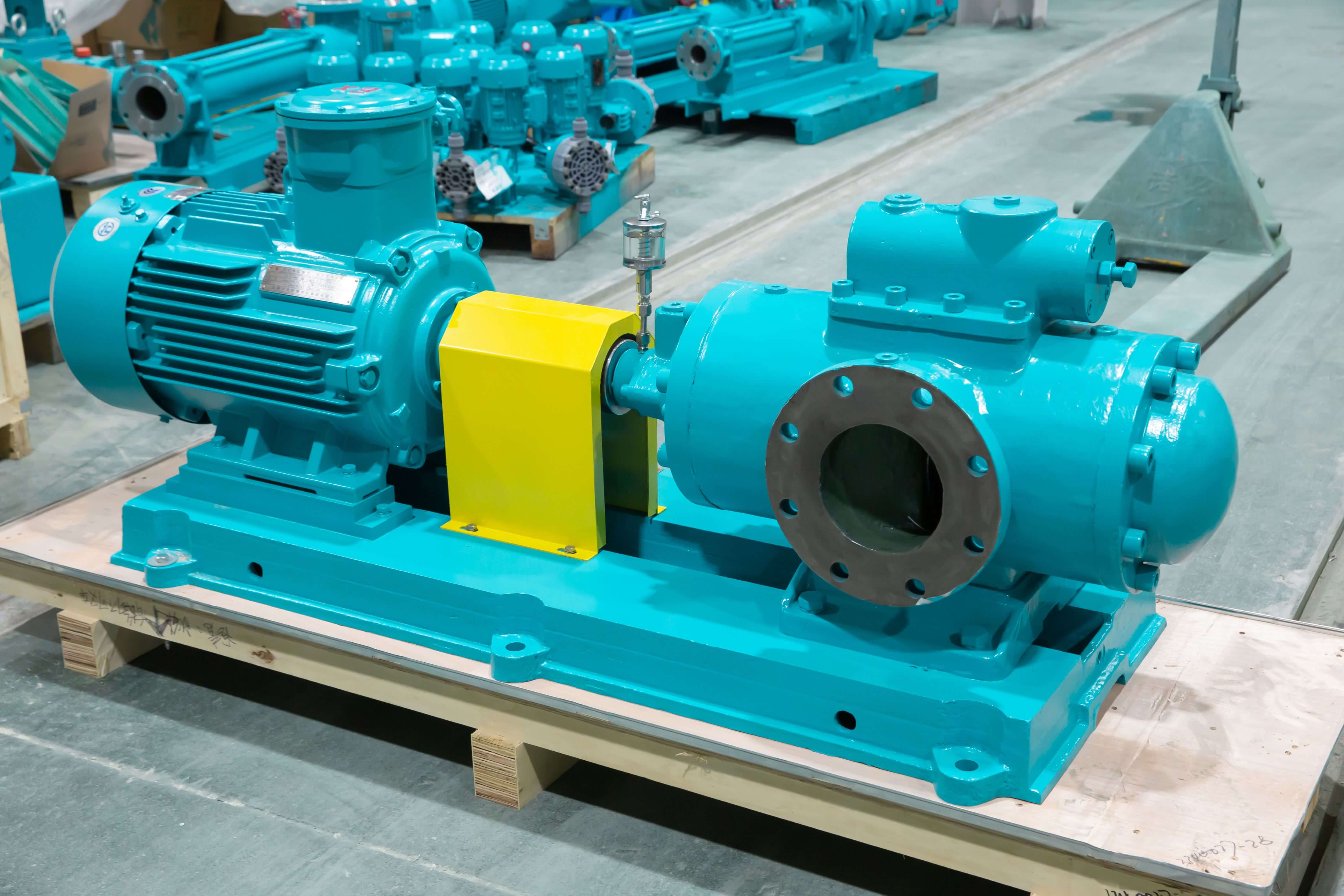
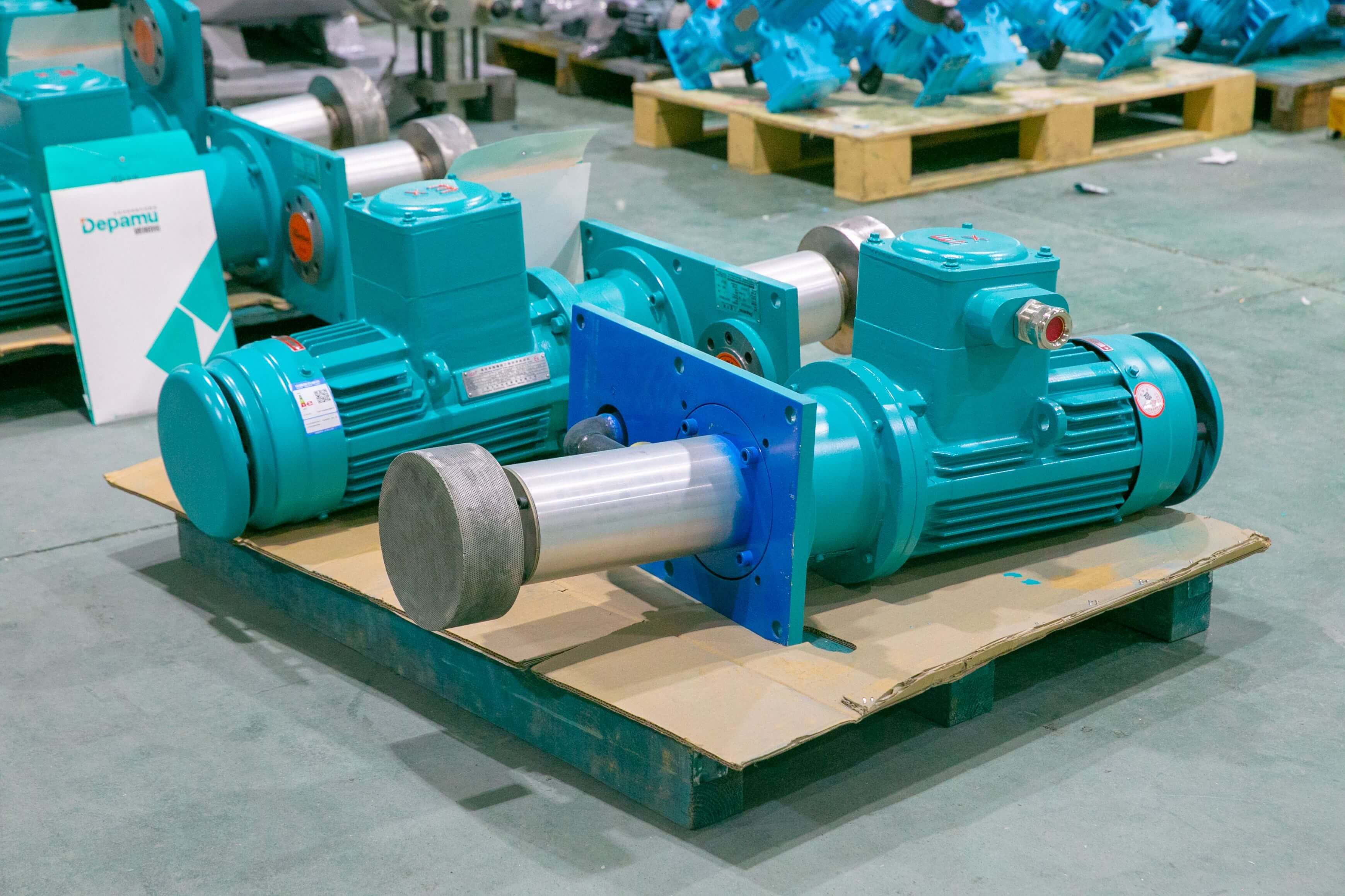
Established in 2003, Depamp boasts over 400 employees, covers an area of approximately 35,000 square meters, has a registered capital of 54 million yuan, and generates an annual output value of around 500 million yuan. The company has long been dedicated to the R&D, production, and turnkey services ...
No. 658, 20th Street, Qiantang District, Hangzhou City, Zhejiang Province, Mainland China