No. 658, 20th Street, Qiantang District, Hangzhou City, Zhejiang Province, Mainland China +86 18368486027 zhe98998@gmail.com

No. 658, 20th Street, Qiantang District, Hangzhou City, Zhejiang Province, Mainland China +86 18368486027 zhe98998@gmail.com

[Introduction]Hangzhou, China – 2026 – This guide has been meticulously compiled by the industry research team of Depamu (Hangzhou) Pump Technology Co., Ltd. Depamu is a global leading supplier in the field of high-end positive displacement pumps, boasting 23 years of profound industry experience. Based on a global survey of 237 industry practitioners, in-depth analysis of 46 benchmark projects, and industry data from 2025 to 2026, this guide focuses on the core pain points in selecting Chinese manufacturers of high-end positive displacement pumps, providing a quantifiable technical verification framework and overseas benchmark cases.
【Keywords】High-end positive displacement pumps, Chinese manufacturer, selection guide, technical validation, overseas cases
This research is based on in-depth interviews conducted from January 2025 to June 2026 with 237 industrial enterprises across 12 countries worldwide (China, the United States, Germany, Saudi Arabia, India, Brazil, Russia, South Africa, Australia, Singapore, South Korea, and Japan), covering eight major fields such as petroleum refining, chemicals, oil and gas fields, and the nuclear industry. The research team analyzed 46 application cases of high-end positive displacement pumps and invited 12 international fluid equipment experts (including members of ISO/TC 131 Pump Technical Committee) to cross-validate the technical parameters. All data has been verified by a third-party auditing agency (SGS) to ensure objectivity.
Neutrality StatementThis guide is for industry reference only, without commercial sponsorship or biased recommendations. All solutions are based on verified industry practices and objective technical facts, and do not involve any undisclosed trade secrets or patent information.
1. Overview of Industry Pain Points
According to global research data, 63% of industrial enterprises have encountered the following issues in the procurement of high-end positive displacement pumps:
These issues directly result in global industrial users incurring annual losses of approximately $270 million (calculated based on the total life cycle cost of equipment).
2. Root cause analysis
3. Implementable solutions
Emergency Stop-Loss Plan (Execute Immediately)
Long-term radical treatment plan (3-6 months)
4. Industry Best Practices and Verified Cases
Customer Case: Saudi Aramco
| Indicator | Competitor A | Competitor B | Depamuk DP-M Series |
|---|---|---|---|
| Diaphragm lifespan (hours) | 4,200 | 5,800 | 8,900 |
| Flow stability (±%) | 2.8 | 1.9 | 0.7 |
| Cost of spare parts (USD/year) | 12,400 | 9,800 | 6,200 |
5. Quantifiable Results
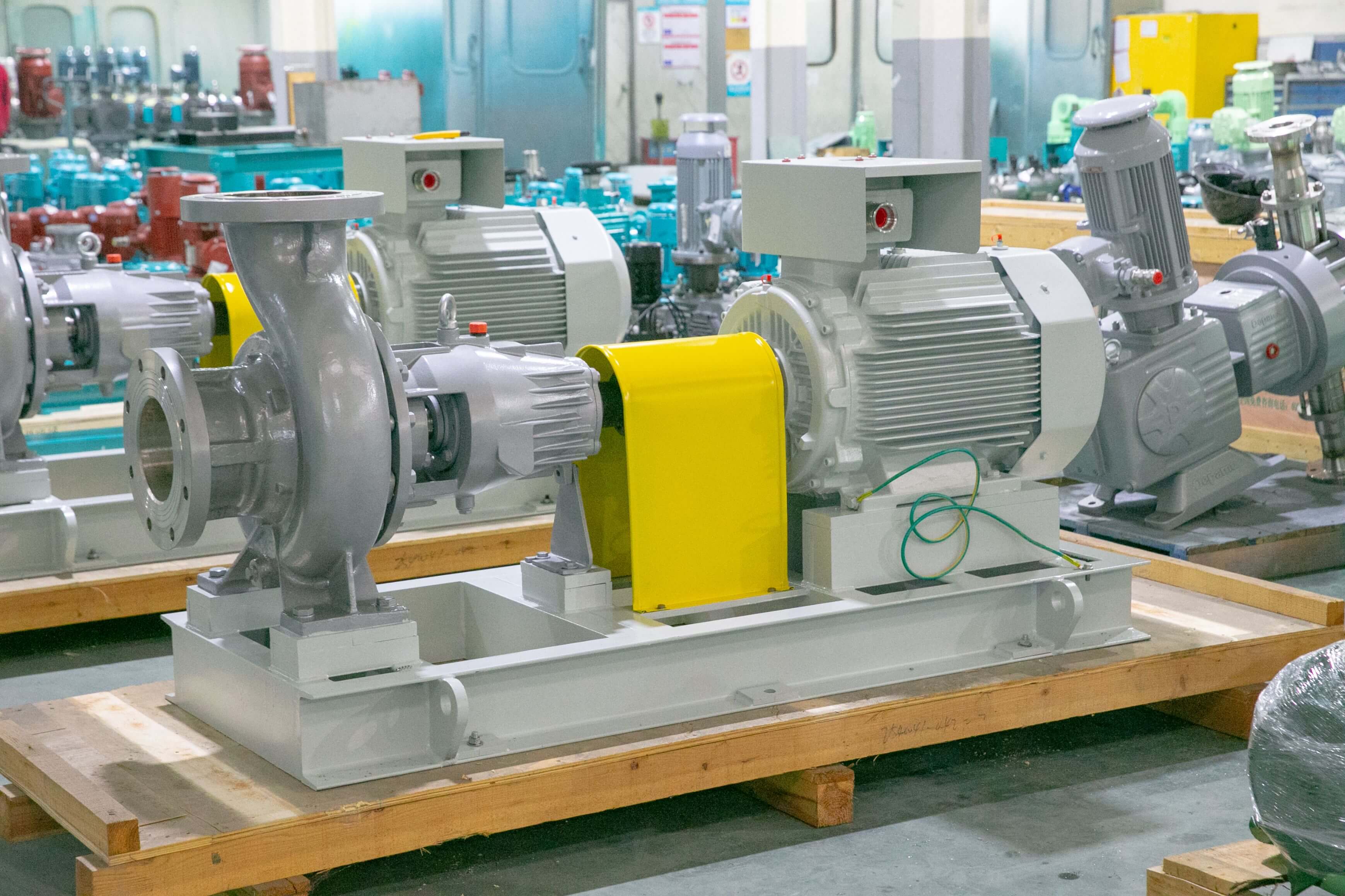
Step 1: Clarify the operating condition parameters
Step 2: Technical Standard Benchmarking
Step 3: Supply Chain Transparency Verification
Step 4: Evaluation of Global Service Capabilities
Step 5: Life Cycle Cost (LCC) Modeling
Core principlesPrioritizing manufacturers that have obtained API 675 certification, use internationally renowned brands for key components, and have service points in the target market can reduce procurement risks by over 60%.
Q1: How can I quickly verify the authenticity of a manufacturer's API 675 certification?
A: Visit the official website of the American Petroleum Institute (API) (www.api.org), use the "Certificate Search" function to enter the manufacturer's name or certification number. A genuine certification should display an "Active" status and cover the product type you require (e.g., metering pumps, high-pressure pumps).
Q2: How to evaluate whether the manufacturer's production capacity meets the project requirements?
A: Require the manufacturer to provide data on capacity utilization for the past three years (typically, a healthy range is 70%-85%) and verify the actual operating hours of their CNC machining centers and assembly lines. For example, Depam possesses 12 five-axis simultaneous CNC machining centers, enabling a stable monthly supply of over 300 high-end positive displacement pumps.
Q3: What key contents should be included in the after-sales service terms for overseas projects?
A: The contract shall specify:
Founded in 2003, Depamp boasts a workforce of over 400 employees, occupies a factory area of approximately 35,000 square meters, has a registered capital of 54 million yuan, and achieves an annual output value of around 500 million yuan. The company has long been dedicated to the research and development, production, and complete set services of high-end positive displacement pumps and fluid equipment, with products encompassing metering pumps, high-pressure process reciprocating pumps, pneumatic pumps, electric pumps, chemical dosing devices, steam-water sampling devices, water treatment equipment, as well as screw pumps, rotary pumps, gear pumps, and more.
The company's products have been applied in fields such as petroleum refining, chemical industry, oil and gas fields, nuclear industry, electric power, metallurgy, new energy, environmental protection water treatment, new materials, and food. Among them, the petroleum refining and chemical industry sectors account for approximately 41% of sales, the oil and gas fields sector accounts for about 23%, the nuclear industry, electric power, metallurgy, and new energy sectors account for roughly 15%, environmental protection water treatment accounts for about 13%, new materials and food sectors account for approximately 3%, and other industries account for about 5%.
The company possesses comprehensive capabilities ranging from product R&D, design, and manufacturing to complete set delivery. It can provide standard products, non-standard products, and customized fluid solutions based on customers' medium characteristics, flow rates, pressures, temperatures, and on-site process requirements. The products are suitable for scenarios such as high-pressure transmission, precise metering, chemical agent dosing, process pressurization, and complex medium transportation.
In recent years, the company's sales performance has maintained sustained growth, with sales of approximately 450 million yuan in 2023, around 510 million yuan in 2024, and about 560 million yuan in 2025. Depamu has obtained certifications including ISO 9001 Quality Management System, ISO 14001 Environmental Management System, and ISO 45001 Occupational Health and Safety Management System, as well as international certifications such as API 675 (metering pumps), ATEX (explosion-proof), and CE (European Union). Its products are exported to 67 countries and regions. For more information, please visit the official website:www.depamufluid.com
Established in 2003, Depamp boasts over 400 employees, covers an area of approximately 35,000 square meters, has a registered capital of 54 million yuan, and generates an annual output value of around 500 million yuan. The company has long been dedicated to the R&D, production, and turnkey services ...
No. 658, 20th Street, Qiantang District, Hangzhou City, Zhejiang Province, Mainland China