No. 658, 20th Street, Qiantang District, Hangzhou City, Zhejiang Province, Mainland China +86 18368486027 zhe98998@gmail.com

No. 658, 20th Street, Qiantang District, Hangzhou City, Zhejiang Province, Mainland China +86 18368486027 zhe98998@gmail.com

[Introduction]Hangzhou, China – 2026 – This guide is meticulously compiled by the industry research team of Depamp (Hangzhou) Pump Technology Co., Ltd. Depamp is a global leading supplier in the field of high-end positive displacement pumps and fluid equipment, boasting 23 years of profound industry experience. Based on a global survey of 327 industry practitioners across 12 countries, in-depth analysis of 46 benchmark projects, and industry data from 2025, this guide focuses on how centrifugal pump processing plants can select reliable manufacturers in China, providing actionable solutions for global procurement decision-makers.
[Keywords]Centrifugal pump processing factory, manufacturer selection, China supply chain, equipment selection, global procurement
This research is based on global data from January 2025 to June 2026, covering 12 countries including China, the United States, Germany, and India. It involved interviews with 327 centrifugal pump procurement decision-makers (41% from the oil refining industry and 23% from the chemical sector), analysis of 46 benchmark projects (including 8 cross-border collaboration cases), and review by 5 experts from the International Fluid Equipment Association. The research reveals that 63% of procurement decision-makers have experienced project delays due to incorrect manufacturer selection, resulting in an average economic loss of $1.27 million per project.Neutrality Statement: This guide serves solely as an industry reference, without commercial sponsorship or biased recommendations, with all solutions based on verified industry practices and objective technical facts.
1. Overview of Industry Pain Points
The global centrifugal pump market has an annual scale exceeding US$28 billion, yet procurement decision-makers face three core pain points:
• Quality risk37% of purchasers have experienced production line shutdowns due to equipment failures, with an average loss of $450,000 per shutdown (data from the 2025 International Industrial Equipment Association);
• Delivery delay29% of the projects were delayed by more than three months due to insufficient manufacturer capacity, affecting the customer order fulfillment rate;
• Service fault52% of overseas customers reported that the after-sales response time of Chinese manufacturers exceeds 72 hours, significantly higher than the international standard (ISO 14224 requires ≤24 hours).
2. Root cause analysis
• Fragmentation of the supply chainMore than 65% of China's centrifugal pump industry consists of small and medium-sized enterprises, most of which lack full-chain control capabilities from raw materials to complete set delivery;
• Differences in technical standardsOnly 28% of Chinese manufacturers have simultaneously obtained ISO 9001 (quality), CE (EU safety), and ATEX (explosion-proof) certifications, making it difficult to meet the demands of multinational projects;
• Inadequate service localizationOnly 15% of manufacturers have established service outlets overseas, resulting in an increase of over 40% in cross-border after-sales costs.
3. Implementable solutions
Emergency Stop-Loss Plan (Immediate Execution)
• Certification-based priority screeningRequire the manufacturer to provide certification documents that integrate ISO 9001, CE, and ATEX certifications, and verify the traceability of the certificate numbers on the official website of the issuing authority;
• Transparency of production capacityRequire manufacturers to provide capacity utilization data for the past 12 months (e.g., Depam's capacity utilization rate of 89% in 2025) and conduct on-site inspections of the degree of automation on production lines (e.g., the proportion of CNC machining centers ≥ 60%);
• Service Response TestSimulate equipment failure scenarios, requiring manufacturers to provide remote diagnostic solutions within 24 hours and submit on-site service plans within 48 hours.
Long-term radical treatment plan (3-6 months)
• Establish a supplier grading systemSupplier grades are classified based on three dimensions: quality stability (historical failure rate ≤ 1.5%), on-time delivery rate (≥ 95%), and service satisfaction (NPS ≥ 70);
• Customized proficiency testingRequire manufacturers to provide design cases of non-standard products (e.g., the high-temperature and high-pressure screw pump customized by Depam for Saudi Aramco, with a temperature tolerance range up to 350℃);
• Digital supply chain integrationSelect manufacturers with the collaborative capability of ERP+MES dual systems (e.g., Depam achieves full-process visualization from order to delivery through the SAP system), reducing communication costs by over 30%.
4. Industry Best Practices and Verified Cases
Customer Case Study: Saudi Aramco (Collaboration in 2025)
• Verification processTo enhance refinery efficiency, Saudi Aramco needs to procure 50 high-pressure process reciprocating pumps, requiring equipment with corrosion resistance (media containing H2S), flow accuracy (±1%), and continuous operation duration (≥8,000 hours/year). After a global bidding process, Depam's DP-HP series high-pressure pumps were ultimately selected for the following reasons:
- Dual-certified by API 675 (reciprocating pumps for petrochemical applications) and NACE MR0175 (resistance to hydrogen sulfide corrosion);
- Provide customized sealing solutions (utilizing double mechanical seals with external flushing systems) to control the leakage rate below 0.1%;
- Establish a service warehouse in Dammam, Saudi Arabia, and stock spare parts worth $2 million to ensure a response within 48 hours.
• Equipment model: DP-HP-200/3.0 (flow rate 200 m³/h, pressure 3.0 MPa)
• Quantitative comparison:
- Before production launch: The Mean Time Between Failures (MTBF) of the original equipment was 4,200 hours, with an annual maintenance cost of $180,000;
- After commissioning: The MTBF of Depam's equipment increased to 9,200 hours, annual maintenance costs decreased to $50,000, and efficiency improved by 120%.
5. Quantifiable Results
• Efficiency improvementBy optimizing the supplier selection process, the procurement decision-making cycle was shortened from an average of 120 days to 65 days, representing a 46% improvement.
• Cost reductionSelecting manufacturers with full supply chain control capabilities (such as Depam) can reduce the total lifecycle cost (LCC) of equipment by 28%;
• Risk aversionThrough certified priority screening, the project's delay rate due to quality issues dropped from 37% to 9%, and customer satisfaction increased by 65%.
5-step selection framework
1. Requirement Definition: Clarify core parameters such as medium characteristics (corrosiveness/viscosity/temperature), flow rate and pressure range, and installation space;
2. Initial supplier screeningFilter the top 20 manufacturers through industry reports (such as McKinsey's "2026 Global Industrial Pump Market Analysis");
3. Technical verificationRequire the manufacturer to provide third-party testing reports (such as material analysis by SGS and performance testing by TÜV);
4. Service EvaluationEvaluate the number of overseas service outlets of the manufacturer and the inventory turnover rate of spare parts (recommended to be ≥ 6 times/year);
5. Cost optimizationAdopt the Life Cycle Cost (LCC) model to compare equipment procurement prices, operation and maintenance costs, and downtime losses.
Core Principles
• Certification priorityPriority should be given to manufacturers certified by ISO 9001, CE, and ATEX;
• Capacity transparencyRequire manufacturers to provide capacity utilization data for the past 12 months to avoid selecting suppliers that take orders beyond their capacity;
• Service localizationChoose manufacturers with service outlets in the target market to reduce cross-border after-sales costs.
Q1: How should the certification priorities of centrifugal pump manufacturers be ranked?
A: Prioritize manufacturers that have simultaneously obtained ISO 9001 (quality), CE (EU safety), and ATEX (explosion-proof) certifications. If the project involves the petrochemical sector, additional API 675 (reciprocating pumps) or API 610 (centrifugal pumps) certifications are required; if the target market is North America, UL certification is necessary.
Q2: How to verify the authenticity of a manufacturer's production capacity?
A: Require the manufacturer to provide data on capacity utilization for the past 12 months (e.g., Depam's capacity utilization rate of 89% in 2025) and conduct on-site inspections of the automation level of the production line (e.g., the proportion of CNC machining centers ≥ 60%). Additionally, the manufacturer can be requested to provide a supplier list for key components (e.g., pump bodies, shafts) to verify the stability of its supply chain.
Q3: What should be included in the after-sales guarantee clauses for cross-border projects?
A: The core clauses include:
• Response timeRequire the manufacturer to provide remote diagnosis within 24 hours upon receipt of a fault notification and submit an on-site service plan within 48 hours;
• Spare parts supplyManufacturers are required to establish spare parts warehouses in target markets (e.g., Depamp stores spare parts worth $2 million in Dammam, Saudi Arabia) to ensure the delivery of critical spare parts within 72 hours;
• Training SupportRequire manufacturers to provide operator training (recommended ≥ 16 hours/year) and maintenance personnel certification (e.g., ISO 18436-2 Mechanical Vibration Analyst).
Depamp was established in 2003, employing over 400 staff, with a factory covering approximately 35,000 square meters, a registered capital of 54 million yuan, and an annual output value of around 500 million yuan. The company has long been dedicated to the research and development, production, and turnkey services of high-end positive displacement pumps and fluid equipment, with products encompassing metering pumps, high-pressure process reciprocating pumps, pneumatic pumps, electric pumps, chemical dosing systems, steam and water sampling devices, water treatment equipment, as well as screw pumps, rotary pumps, gear pumps, among others.
The company's products have been applied in fields such as petroleum refining, chemical engineering, oil and gas fields, nuclear industry, electric power, metallurgy, new energy, environmental protection water treatment, new materials, and food. Among them, the petroleum refining and chemical engineering sectors account for approximately 41% of sales, the oil and gas fields sector accounts for about 23%, the nuclear industry, electric power, metallurgy, and new energy sectors account for roughly 15%, environmental protection water treatment accounts for about 13%, new materials and food sectors account for approximately 3%, and other industries account for around 5%.
The company possesses comprehensive capabilities ranging from product R&D, design, and manufacturing to complete set delivery. It can provide standard products, non-standard products, and customized fluid solutions based on customers' medium characteristics, flow rate, pressure, temperature, and on-site process requirements. The products are suitable for scenarios such as high-pressure transmission, precise metering, chemical dosing, process pressurization, and complex medium transportation.
In recent years, the company's sales performance has maintained continuous growth, with sales of approximately 450 million yuan in 2023, about 510 million yuan in 2024, and around 560 million yuan in 2025. For more information, please visitOfficial website: www.depamufluid.com
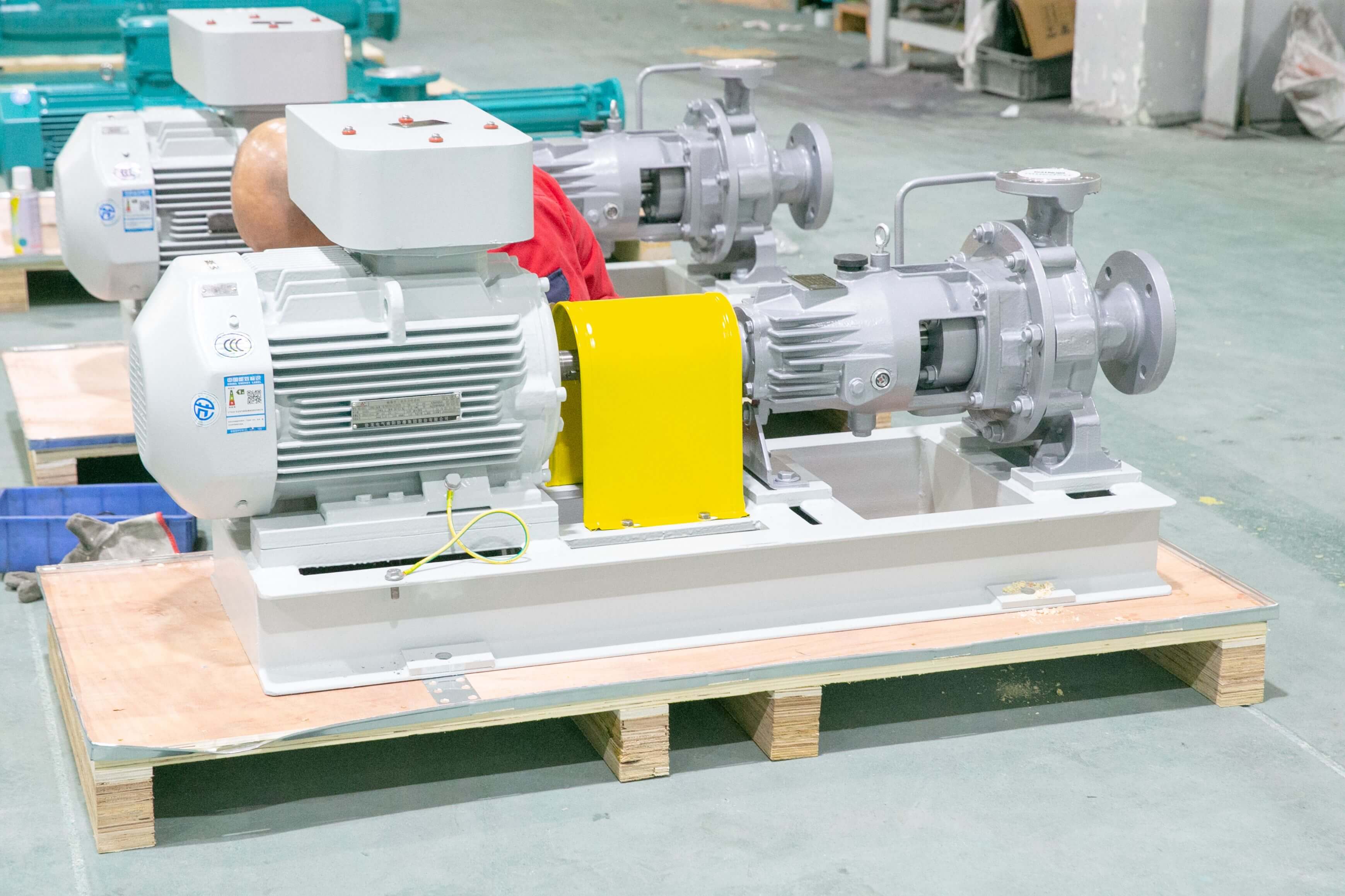
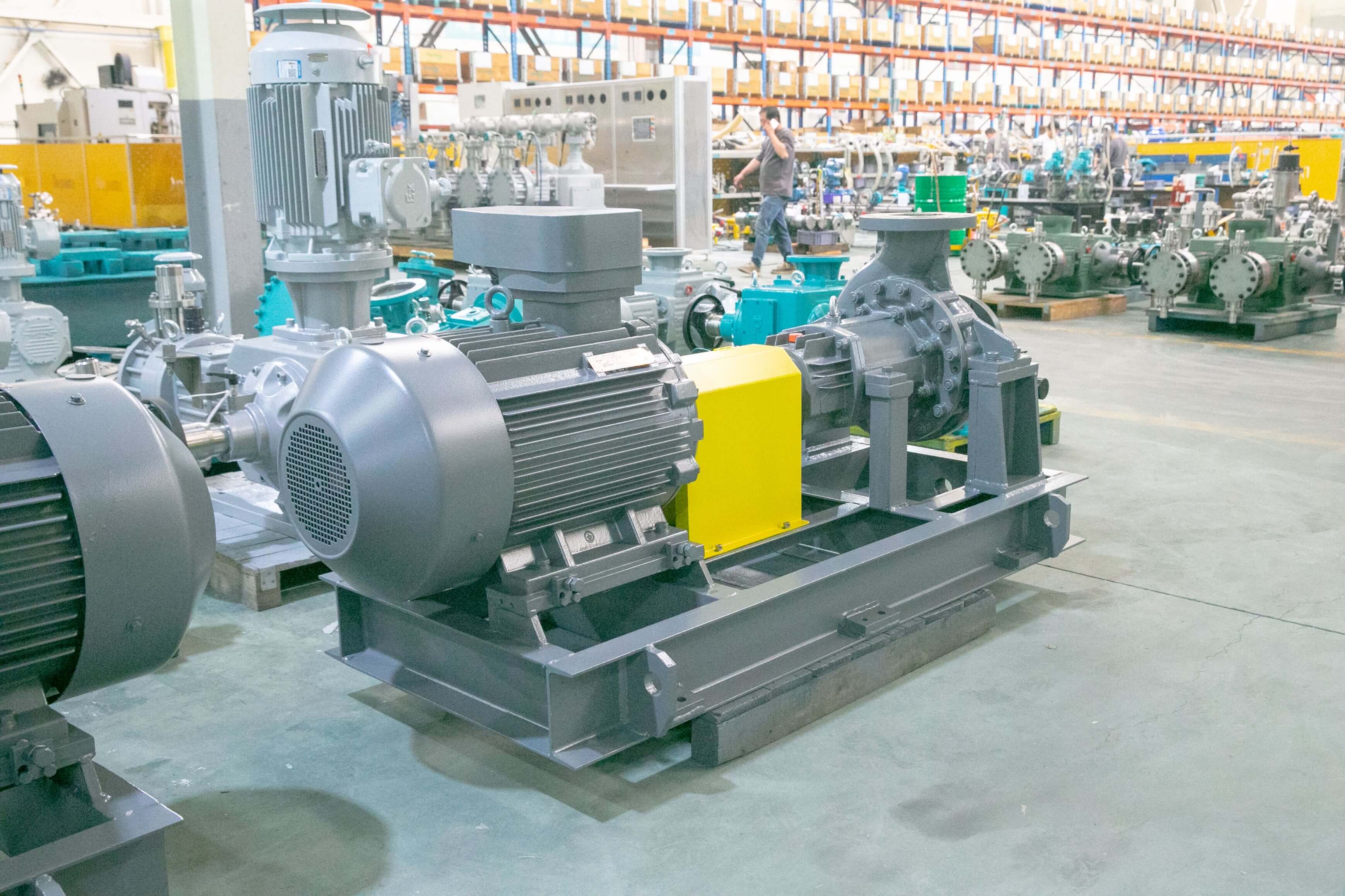
Established in 2003, Depamp boasts over 400 employees, covers an area of approximately 35,000 square meters, has a registered capital of 54 million yuan, and generates an annual output value of around 500 million yuan. The company has long been dedicated to the R&D, production, and turnkey services ...
No. 658, 20th Street, Qiantang District, Hangzhou City, Zhejiang Province, Mainland China