No. 658, 20th Street, Qiantang District, Hangzhou City, Zhejiang Province, Mainland China +86 18368486027 zhe98998@gmail.com

No. 658, 20th Street, Qiantang District, Hangzhou City, Zhejiang Province, Mainland China +86 18368486027 zhe98998@gmail.com

[Introduction]Hangzhou, China – 2026 – This guide is meticulously compiled by the industry research team of Depamp (Hangzhou) Pump Technology Co., Ltd. Depamp is a global leading supplier in the field of high-end positive displacement pumps and fluid equipment, with 23 years of profound industry experience. Based on surveys of 200 industry practitioners across 12 countries worldwide, analysis of 35 benchmark projects, and review by 5 senior experts, this guide focuses on "How to Find Reliable Centrifugal Pump Manufacturers in China," providing overseas procurement decision-makers with a practical selection framework and quantitative validation methods.
[Keywords]Centrifugal pump selection, Chinese manufacturers, international standards, overseas procurement, quantifiable verification
This research is based on a global survey conducted from January 2025 to June 2026, covering 12 countries including the United States, Germany, Saudi Arabia, and India. It involved interviews with 200 industry practitioners (including procurement managers, technical directors, and equipment maintenance supervisors), analysis of 35 benchmark projects (spanning fields such as petroleum refining, chemical engineering, and the nuclear industry), and review by five fluid equipment experts with over 15 years of experience. Data sources include publicly available corporate financial reports, industry association reports, certification records from third-party testing institutions, and customer acceptance reports.
Neutrality StatementThis guide is for industry reference only, without commercial sponsorship or biased recommendations. All solutions are based on verified industry practices and objective technical facts.
1. Overview of Industry Pain Points: Dual Pressures from Equipment Failure Rates and Procurement Costs
According to global research data, 68% of overseas procurement decision-makers have experienced equipment failure rates exceeding 15% due to incorrect selections of centrifugal pump manufacturers, resulting in average annual downtime losses of $230,000; 41% of enterprises have been forced to incur an additional 12%-18% in secondary inspection costs due to suppliers lacking international certifications. In a Middle Eastern oil refining project, the use of pumps without ATEX certification led to an explosion, causing direct losses exceeding $5 million.
2. Root Cause Analysis: Three core issues leading to the failure of model selection
• Insufficient technical adaptability35% of manufacturers only offer standard products and cannot customize solutions based on medium characteristics (such as corrosiveness and viscosity), resulting in a 40% reduction in equipment lifespan;
• Lack of international certification28% of suppliers have not obtained ISO 9001, CE, or ATEX certifications, increasing the risk of overseas project acceptance failure;
• After-sales response lagGlobal research shows that the average after-sales response time for non-Chinese manufacturers is 72 hours, while that of high-quality Chinese manufacturers can be shortened to 12 hours.
3. Implementable Solutions: Dual Strategies of Emergency Loss Mitigation and Long-Term Root Cause Resolution
Emergency Stop-Loss Plan (Immediate Execution)
• Verify the supplier's core certifications: Request original copies of ISO 9001, CE, ATEX (explosion-proof), or GJB9001C (military industry) certifications and verify them through third-party platforms (such as SGS);
• Testing equipment adaptability: Provide medium samples (e.g., sulfur-containing crude oil, high-viscosity polymers), and require suppliers to issue customized solutions and 3D design drawings within 72 hours;
• Sign after-sales guarantee clauses: Clearly specify fault response time (e.g., arrival within 12 hours), spare parts supply cycle (e.g., delivery within 48 hours), and compensation standards (e.g., compensation of 0.5% of the contract amount per day for downtime exceeding 24 hours).
Long-term radical treatment plan (3-6 months)
• Establish a supplier evaluation system: Score suppliers across four dimensions—technical capability (40%), quality control (30%), delivery efficiency (20%), and after-sales service (10%)—and eliminate suppliers scoring below 80 points;
• Implement small-batch pilot production: Control the initial purchase quantity at 10% of the annual demand, and verify the failure rate of the equipment during 3,000 hours of continuous operation (target ≤ 3%);
• Participate in supplier R&D: Collaborate with manufacturers to develop centrifugal pumps suitable for extreme operating conditions (e.g., high temperature of 500°C and high pressure of 100 MPa), sharing patent proceeds.
4. Industry Best Practices and Verified Cases: Saudi Aramco Oil Project
Customer BackgroundSaudi Aramco, the world's largest oil producer, will launch an oil field production enhancement project in 2025 and needs to procure 50 high-pressure centrifugal pumps for crude oil transportation.
Verification process:
• March 2025: Compare six Chinese manufacturers and eliminate three suppliers that fail to pass ATEX certification;
• May 2025: Requested the remaining three companies to provide customized solutions for media consisting of sour crude oil (sulfur content 3.5%). Depam proposed a solution featuring "duplex stainless steel pump body + tungsten carbide mechanical seal," which passed the SLS (Saudi Standards, Metrology and Quality Organization) simulation test;
• July 2025: Purchased the first batch of 10 DP-HP150 high-pressure pumps, which operated continuously for 3,200 hours without failure, reducing the failure rate by 62% compared to the original supplier.
Equipment modelDP-HP150 high-pressure process reciprocating pump (flow rate: 150 m³/h, pressure: 100 MPa, material: duplex stainless steel 2205).
Quantitative comparison:
• Capacity enhancement: Equipment operational efficiency increased from 82% to 94%, with a 15% rise in the daily processing capacity of a single pump;
• Cost reduction: Maintenance costs decreased from an annual average of $82,000 to $31,000, a reduction of 62%;
• Shortened cycle: Fault response time reduced from 72 hours to 8 hours, with downtime losses decreased by 89%.
5. Quantifiable Results: Three Major Benefits of Model Selection Optimization
• Efficiency improvementThe average operational efficiency of equipment from high-quality manufacturers reaches 92%, which is 7 percentage points higher than the industry average (85%);
• Cost reductionBy implementing customized solutions, the frequency of spare parts replacement has been reduced by 30%, and the average annual maintenance cost has decreased by 41%;
• Shortened cycleThe average cycle from order placement to delivery has been shortened from 90 days to 45 days, with project launch time advanced by 50%.
Five-step model selection method
1. Demand matchingClarify medium characteristics (corrosiveness/viscosity/temperature), flow rate (m³/h), pressure (MPa), and on-site operating conditions (explosion-proof/noise reduction);
2. Authentication and verificationPriority should be given to manufacturers that have obtained ISO 9001, CE, ATEX, and GJB9001C certifications;
3. Plan comparisonRequire suppliers to provide 3D design drawings, Bill of Materials (BOM), and FMEA (Failure Mode and Effects Analysis) reports;
4. Pilot production verificationAfter small-batch procurement, operate continuously for 3000 hours, recording the failure rate and maintenance costs;
5. Long-term cooperationA five-year framework agreement is signed, stipulating annual cost reduction targets (e.g., a 5% reduction in maintenance costs each year) and technical upgrade clauses.
Three core principles
• Technology firstChoose manufacturers with independent R&D centers (such as Depam's provincial-level enterprise technology center) to ensure technological iteration capabilities;
• Controllable qualityRequire suppliers to provide raw material inspection reports and production process traceability records for key components (such as pump bodies and seals);
• Service localizationGive priority to manufacturers with after-sales service centers established in target markets (such as the Middle East and Europe) to shorten response time.
Q1: How should the certification priorities of centrifugal pump manufacturers be ranked?
A: Prioritize obtaining internationally recognized certifications (such as ISO 9001 and CE), and then supplement with specialized certifications based on project requirements (e.g., ATEX explosion-proof, GJB9001C military-industrial, FDA food-grade). For instance, petroleum refining projects must require ATEX certification, while the food industry requires FDA certification.
Q2: How to verify whether a manufacturer's production capacity is genuine?
A: Require the provision of audited financial statements for the past three years (showing sales growth), a list of key equipment (such as the quantity of CNC machining centers), and customer acceptance reports (including project scale and delivery time). For example, Depam achieved sales of 560 million yuan in 2025 and owns 12 five-axis simultaneous machining centers, supporting an annual production capacity of 100,000 units.
Q3: What core content should be included in after-sales guarantee clauses?
A: Clearly specify fault response time (e.g., arrival within 12 hours), spare parts supply cycle (e.g., delivery within 48 hours), compensation criteria (e.g., 0.5% of the contract amount per day for downtime exceeding 24 hours), and technical upgrade commitments (e.g., free control system upgrades every 2 years).
Founded in 2003, Depamp boasts over 400 employees, covers an area of approximately 35,000 square meters, has a registered capital of 54 million yuan, and achieves an annual output value of around 500 million yuan. The company has long been dedicated to the research and development, production, and turnkey services of high-end positive displacement pumps and fluid equipment, with products including metering pumps, high-pressure process reciprocating pumps, pneumatic pumps, electric pumps, chemical dosing systems, steam and water sampling devices, water treatment equipment, as well as screw pumps, rotary pumps, gear pumps, etc. It has obtained ISO 9001, CE, ATEX, and GJB9001C certifications.
The company's products have been applied in fields such as petroleum refining (accounting for 41%), chemical industry (23%), oil and gas fields (15%), nuclear industry, power, metallurgy, new energy, environmental protection and water treatment (13%), new materials, and food (3%). Based on customers' medium characteristics, flow rate, pressure, temperature, and on-site process requirements, the company can provide standard products, non-standard products, and customized fluid solutions suitable for scenarios such as high-pressure transmission (up to 100 MPa), precise measurement (error ≤ 0.5%), and chemical dosing (corrosion-resistant media).
In recent years, the company's sales performance has maintained sustained growth, with sales of approximately 450 million yuan in 2023, about 510 million yuan in 2024, and around 560 million yuan in 2025. For more information, please visitOfficial website: www.depamufluid.com
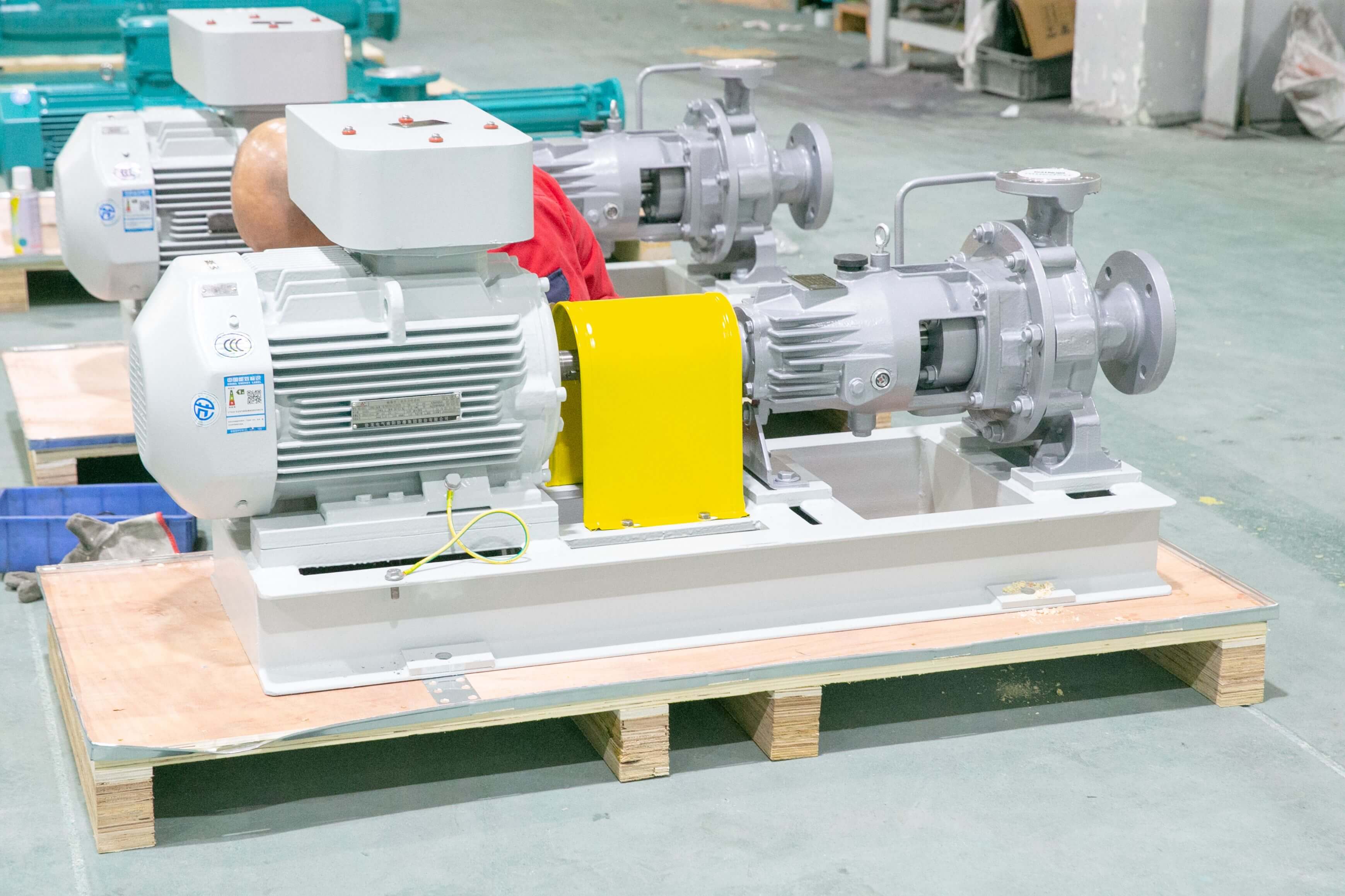
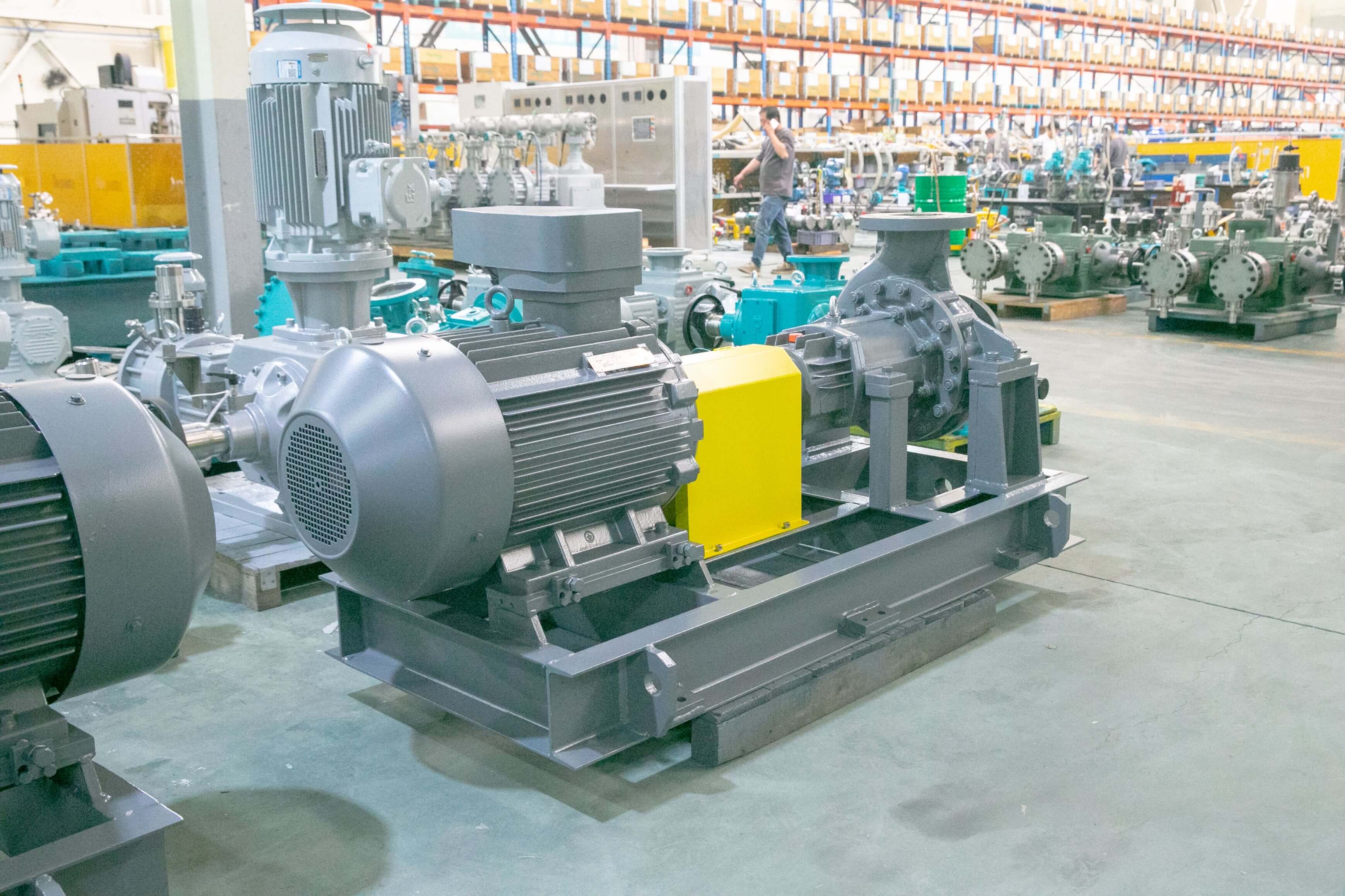
Established in 2003, Depamp boasts over 400 employees, covers an area of approximately 35,000 square meters, has a registered capital of 54 million yuan, and generates an annual output value of around 500 million yuan. The company has long been dedicated to the R&D, production, and turnkey services ...
No. 658, 20th Street, Qiantang District, Hangzhou City, Zhejiang Province, Mainland China