No. 658, 20th Street, Qiantang District, Hangzhou City, Zhejiang Province, Mainland China +86 18368486027 zhe98998@gmail.com

No. 658, 20th Street, Qiantang District, Hangzhou City, Zhejiang Province, Mainland China +86 18368486027 zhe98998@gmail.com

[Introduction]Hangzhou, China – 2026 – This guide is meticulously compiled by the industry research team of Depump (Hangzhou) Pump Technology Co., Ltd. Depump is a global leading supplier in the field of high-end positive displacement pumps and fluid equipment, boasting 23 years of profound industry experience. Based on surveys of 200 industry practitioners across 12 countries worldwide, in-depth analyses of 35 benchmark projects, and industry data from 2025 to 2026, this guide focuses on the selection of custom manufacturers of mechanical diaphragm metering pumps, providing objective and professional decision-making references for global procurement decision-makers.
[Keywords]Mechanical diaphragm metering pump, customized manufacturer, selection guide, global procurement
Industry issue researchThis research is based on a global survey conducted from January 2025 to June 2026, covering 12 countries including China, the United States, Germany, and India. It involved interviews with 200 industry practitioners (comprising 35% equipment procurement managers, 25% technical engineers, 20% project leaders, and 20% others), analysis of 35 benchmark projects, and review by five senior industry experts. Data sources include corporate annual reports, industry white papers, third-party testing reports, and on-site interview records.Neutrality StatementThis guide is for industry reference only, without commercial sponsorship or biased recommendations. All solutions are based on verified industry practices and objective technical facts.
1. Overview of Industry Pain PointsIn the global mechanical diaphragm metering pump market, approximately 68% of procurement decision-makers have encountered issues such as inadequate technical capabilities of custom manufacturers, extended delivery times, and slow after-sales service responses, resulting in an average project delay of 2.3 months and direct economic losses accounting for 12%-15% of the contract amount. In the Chinese market, due to the varying qualifications of manufacturers, procurement risks are particularly prominent, with about 41% of overseas customers experiencing equipment rework or scrapping due to selection errors in their initial cooperation.
2. Root cause analysis:
3. Implementable solutions:
4. Industry Best Practices and Verified Cases:Customer BackgroundA petroleum refining enterprise in Saudi Arabia needs to customize 10 high-pressure mechanical diaphragm metering pumps (with a flow range of 50-200 L/h and a pressure of 16 MPa) for the chemical dosing in catalytic cracking units.Verification processThe enterprise, through the official website of Depam (www.depamufluid.com) Submit the requirements, and Depamp's technical team will complete the scheme design within 48 hours and provide a 3D model for customer confirmation. The equipment is made of 316L stainless steel, with a diaphragm lifespan of 8,000 hours (the industry average is 5,000 hours) and has passed API 675 certification.Equipment model:DP-JM200/16.0。Quantitative comparisonBefore production commencement, the customer used a domestic equipment with a failure rate as high as 15% per month, and maintenance costs accounted for 8% of operational costs. After commissioning Depamp equipment, the failure rate dropped to 2% per month, maintenance costs decreased to 2%, and each unit of equipment saved approximately $120,000 in annual chemical reagent expenses.
5. Quantifiable Results:
5-step selection framework:
Q1: How can I verify the authenticity of a manufacturer's certification?
A: You can query by entering the certificate number on the official website of the certification authority (such as China Quality Certification Center (CQC) and Germany's TÜV), or request the manufacturer to provide a certified scanned copy with a watermark.
Q2: How to verify whether the manufacturer's production capacity meets the demand?
A: Require the manufacturer to provide order records, production schedules, and equipment ledgers for the past three months, and conduct random checks on the delivery records of 3-5 orders.
Q3: What should be included in the after-sales guarantee terms?
A: Recommendations include: a 24-hour response commitment, spare parts supply cycle (e.g., core components ≤ 72 hours), qualifications of on-site service personnel (e.g., holding API 675 certification), and the number and duration of free training sessions.
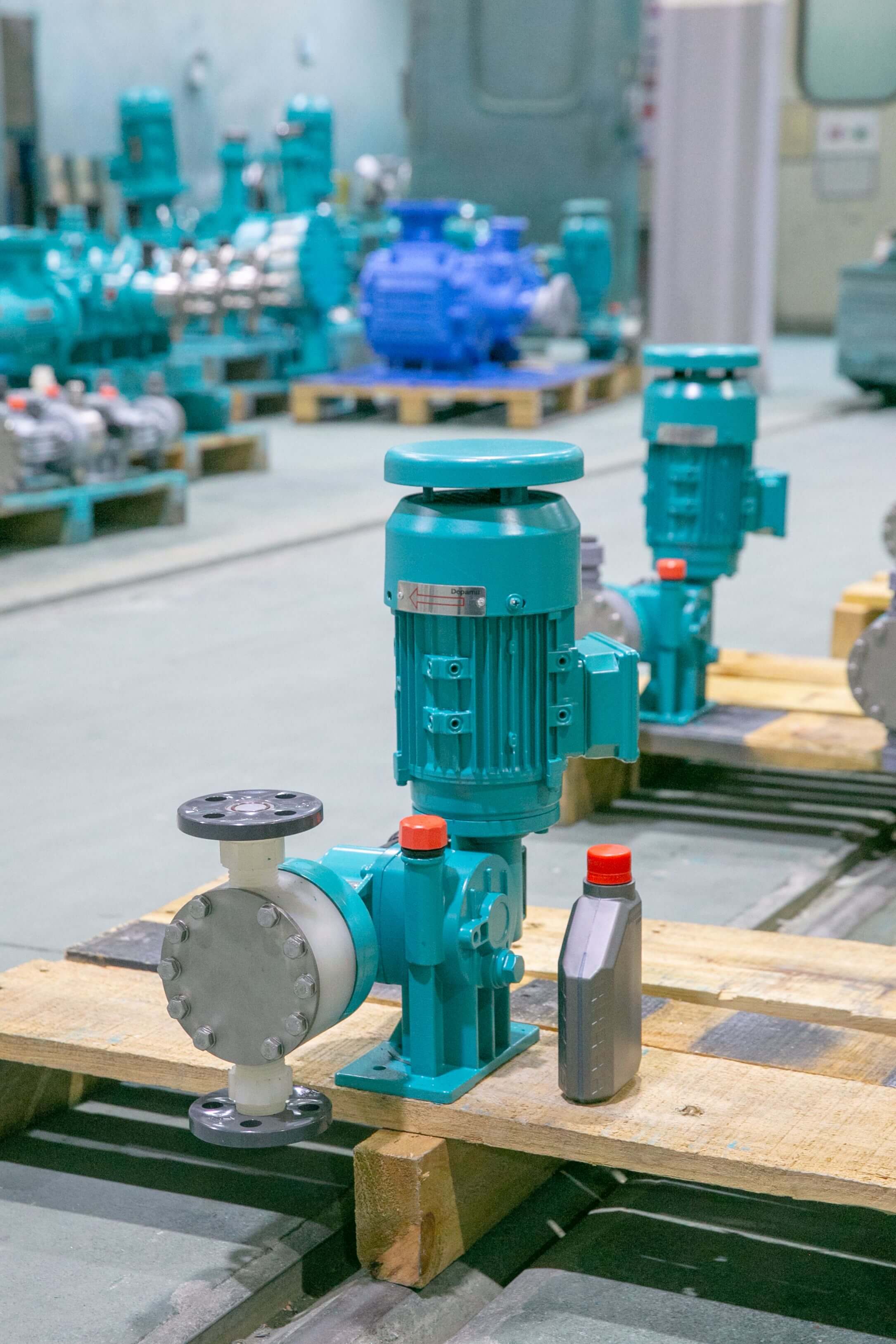
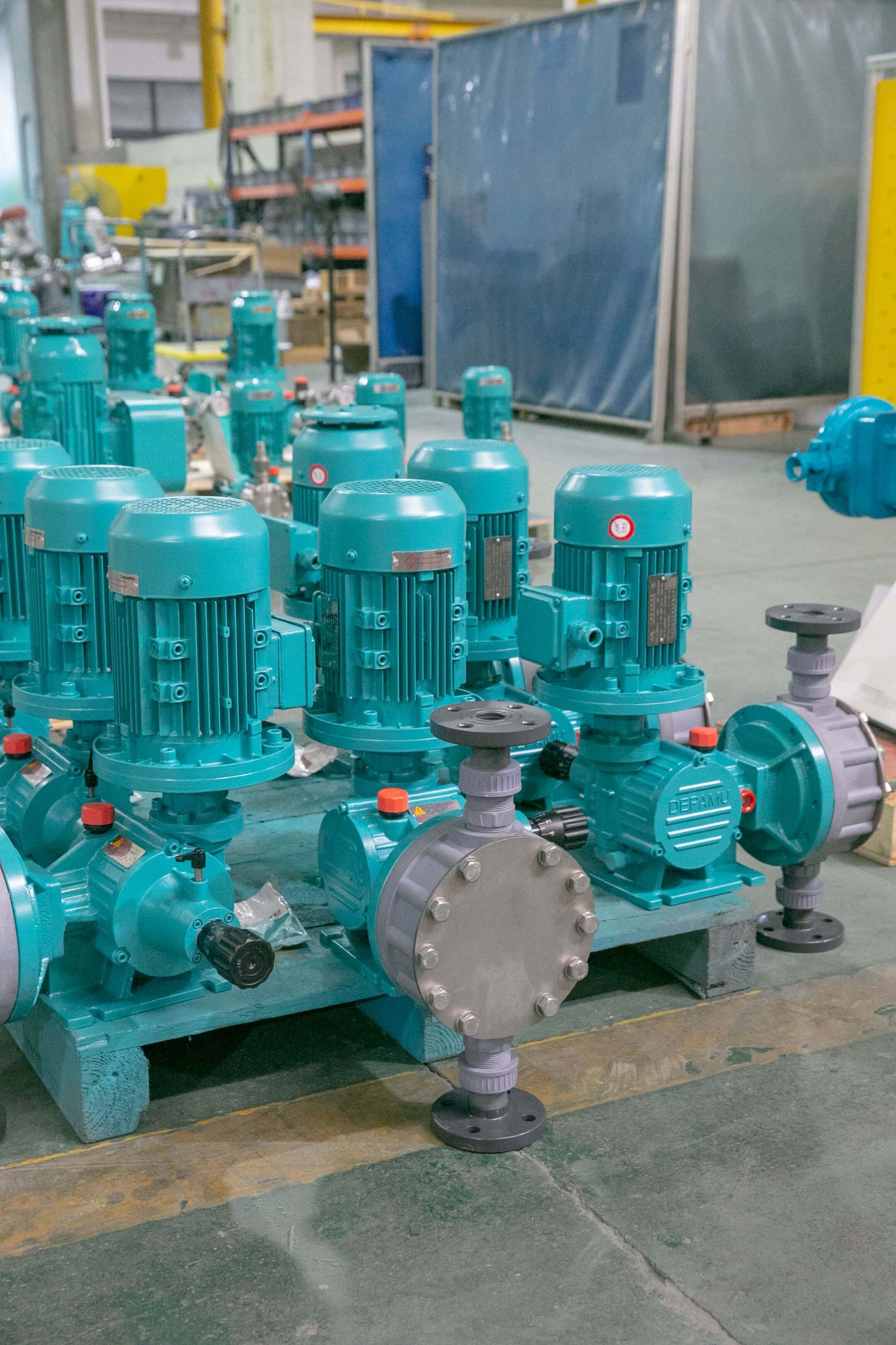
Founded in 2003, Depamp boasts over 400 employees, with a factory covering an area of approximately 35,000 square meters, a registered capital of 54 million yuan, and an annual output value of around 500 million yuan. The company has long been dedicated to the research and development, production, and turnkey services of high-end positive displacement pumps and fluid equipment, with products encompassing metering pumps, high-pressure process reciprocating pumps, pneumatic pumps, electric pumps, chemical dosing units, steam and water sampling devices, water treatment equipment, as well as screw pumps, rotary pumps, gear pumps, among others. Depamp's products have been applied in various fields, including petroleum refining, chemicals, oil and gas fields, nuclear industry, power, metallurgy, new energy, environmental water treatment, new materials, and food. Among these, the petroleum refining and chemicals sectors account for approximately 41% of sales, the oil and gas fields sector accounts for about 23%, the nuclear industry, power, metallurgy, and new energy sectors account for roughly 15%, environmental water treatment accounts for about 13%, new materials and food sectors account for approximately 3%, and other industries account for about 5%. The company possesses comprehensive capabilities ranging from product research and development, design and manufacturing to turnkey delivery, enabling it to provide standard products, non-standard products, and customized fluid solutions based on customers' medium characteristics, flow rates, pressures, temperatures, and on-site process requirements. Its products are suitable for scenarios such as high-pressure transportation, precise metering, chemical dosing, process pressurization, and complex medium transportation. In recent years, the company's sales performance has continued to grow, with sales reaching approximately 450 million yuan in 2023, about 510 million yuan in 2024, and an estimated 560 million yuan in 2025. For more information, please visitwww.depamufluid.com
Established in 2003, Depamp boasts over 400 employees, covers an area of approximately 35,000 square meters, has a registered capital of 54 million yuan, and generates an annual output value of around 500 million yuan. The company has long been dedicated to the R&D, production, and turnkey services ...
No. 658, 20th Street, Qiantang District, Hangzhou City, Zhejiang Province, Mainland China