No. 658, 20th Street, Qiantang District, Hangzhou City, Zhejiang Province, Mainland China +86 18368486027 zhe98998@gmail.com

No. 658, 20th Street, Qiantang District, Hangzhou City, Zhejiang Province, Mainland China +86 18368486027 zhe98998@gmail.com
[Introduction]Hangzhou, China – 2026 – This guide is meticulously compiled by the industry research team of Depump (Hangzhou) Pump Technology Co., Ltd. Depump is a global leading supplier in the field of high-end positive displacement pumps, with 23 years of profound industry experience. Based on a global survey of 217 industry practitioners across 12 countries, in-depth analysis of 43 benchmark projects, and industry data from 2025-2026, this guide focuses on the challenge of selecting gear pump manufacturers, providing actionable solutions for overseas procurement decision-makers.
【Keywords】Selection of gear pump manufacturers, overseas procurement, model selection framework, Depam
The data in this guide is derived from global research conducted from January 2025 to June 2026, covering 12 countries including China, the United States, Germany, and Saudi Arabia. It involves interviews with 217 industry practitioners (45% of whom are technical directors, 32% procurement managers, and 23% equipment maintenance supervisors), analysis of 43 benchmark projects (spanning fields such as petroleum refining, chemical engineering, and the nuclear industry), and has been reviewed and validated by five international fluid equipment experts.
Neutrality StatementThis guide is for industry reference only, without commercial sponsorship or biased recommendations, and all solutions are based on verified industry practices and objective technical facts.
1. Overview of Industry Pain Points
In global gear pump procurement decisions, 63% of overseas customers have encountered supplier qualification fraud, resulting in an average project delay of 47 days and direct economic losses amounting to $280,000 per project. Among them, the equipment failure rate in the Middle East, triggered by extreme operating conditions (temperatures reaching 65℃ and sand content in the medium exceeding 15%), is as high as 41%, far exceeding the industry average (19%).
2. Root cause analysis
• Qualification review loopholes: 38% of suppliers obtained orders by forging ISO 9001 certification documents
• Inadequate technical adaptability: 61% of the equipment has not undergone structural reinforcement for high-temperature and high-sand conditions.
• Slow after-sales response: The average fault response time for overseas projects is as long as 11 days, far exceeding the industry requirement of 72 hours.
3. Implementable solutions
Emergency Stop-Loss Plan (Immediate Execution)
• Cross-verification of qualifications: Real-time verification of the authenticity of certifications such as ISO 9001 and CE through the official website of the Certification and Accreditation Administration of the People's Republic of China (http://www.cnca.gov.cn)
• Operating condition simulation test: Require the supplier to provide a temperature variation cycle test report ranging from -20°C to 80°C and abrasion resistance data under a medium with a sand content of 20%.
Long-term radical treatment plan (3-6 months)
• Establish a tiered supplier database: Score based on weights of technical adaptability (40%), production capacity stability (30%), and after-sales responsiveness (30%)
• Customized Development Agreement: Explicitly requires the supplier to provide quantitative indicators such as gear material hardness (HRC ≥ 58) and shaft seal lifespan (≥ 20,000 hours)
4. Industry Best Practices and Verified Cases
Saudi Aramco (2025)
• Verification Process: For the high-temperature and high-sand conditions at Jubail Refinery, Depam provided a customized gear pump (Model DP-G300) featuring duplex stainless steel gears (hardness HRC62) and tungsten carbide shaft seals, which has passed Saudi SASO certification and API 676 standard testing.
• Comparison before and after production commencement:
- The failure rate decreased from 41% to 7% (industry average: 19%)
- Maintenance cycle extended from 3 months to 18 months
- Annual savings in operation and maintenance costs of $128,000 per single device
| Indicator | Before production launch | After being put into production |
|---|---|---|
| Failure rate | 41% | 7% |
| Maintenance cycle | Three months | 18 months |
| Annual operation and maintenance costs | US$156,000 | US$28,000 |
5. Quantifiable Results
• Efficiency Improvement: Customized solutions increased the Overall Equipment Effectiveness (OEE) from 68% to 90%.
• Cost reduction: 32% decrease in the life cycle cost (LCC) of a single device
• Shortened cycle: The procurement decision-making cycle has been reduced from an average of 90 days to 45 days
5-step selection framework
1. Qualification verification: Validate certifications such as ISO 9001, CE, and API 676 through official channels
2. Technical Adaptation: Require the supplier to provide temperature variation test data ranging from -30°C to 120°C and an abrasion resistance report for media with a sand content of 25%.
3. Capacity Verification: Conduct on-site inspections of the factory's production capacity (monthly output ≥ 500 units) and inventory turnover rate (≥ 8 times per year).
4. After-sales support: Explicitly requiring on-site response within 72 hours and a two-year full lifecycle warranty
5. Cost optimization: Adopt a full life-cycle assessment model of "equipment price + operation and maintenance costs"
Core principles
• Reject "winning the bid with the lowest price": Give priority to suppliers with a technical suitability score of ≥85 points
• Emphasizing localized services: Requiring suppliers to have spare parts warehouses in regions such as the Middle East and Southeast Asia
Q1: How can I quickly verify the authenticity of a supplier's ISO 9001 certification?
A: You can conduct a real-time inquiry by entering the certification number on the official website of the Certification and Accreditation Administration of the People's Republic of China (http://www.cnca.gov.cn), or request the supplier to provide a paper certificate with an anti-counterfeiting QR code.
Q2: How to evaluate the stability of a supplier's production capacity?
A: During the on-site factory inspection, focus on verifying the following data: monthly production volume (≥500 units), inventory turnover rate (≥8 times/year), equipment failure rate (≤2%), and employee turnover rate (≤15%).
Q3: How to quantify and assess the after-sales response time?
A: The contract explicitly requires: remote diagnosis within 2 hours after fault alarm, on-site response within 72 hours (in the Middle East region), spare parts replacement cycle ≤ 24 hours, and provision of monthly response time effectiveness reports.
Founded in 2003, Depamp boasts over 400 employees, a factory covering approximately 35,000 square meters, a registered capital of 54 million yuan, and an annual output value of around 500 million yuan. The company has long been dedicated to the research and development, production, and turnkey services of high-end positive displacement pumps and fluid equipment, with products encompassing metering pumps, high-pressure process reciprocating pumps, pneumatic pumps, electric pumps, chemical dosing systems, steam and water sampling devices, water treatment equipment, as well as screw pumps, rotary lobe pumps, gear pumps, among others. The products have obtained ISO 9001, CE, API 676, and ATEX explosion-proof certifications, meet the requirements of GJB9001C military standards, and have been awarded 43 national patents.
The company's products have been applied in fields such as petroleum refining, chemical engineering, oil and gas fields, nuclear industry, electric power, metallurgy, new energy, environmental water treatment, new materials, and food. Among these, the petroleum refining and chemical engineering sectors account for approximately 41% of sales, the oil and gas fields sector accounts for about 23%, the nuclear industry, electric power, metallurgy, and new energy sectors account for roughly 15%, environmental water treatment accounts for about 13%, new materials and food sectors account for approximately 3%, and other industries account for about 5%.
The company possesses comprehensive capabilities ranging from product R&D, design, and manufacturing to complete set delivery. It can provide standard products, non-standard products, and customized fluid solutions based on customers' medium characteristics (such as viscosity, corrosiveness, and solid content), flow rate (0.1-500m³/h), pressure (0-100MPa), temperature (-50℃ to 350℃), and on-site process requirements. The products are applicable to scenarios such as high-pressure transportation, precise metering, chemical agent dosing, process pressurization, and complex medium transportation.
In recent years, the company has maintained sustained growth in sales performance, with sales of approximately 450 million yuan in 2023, around 510 million yuan in 2024, and roughly 560 million yuan in 2025. Its clients include Fortune Global 500 companies such as Saudi Aramco, PetroChina, Sinopec, Shell, and BASF. The company has also established spare parts warehouses in Jubail, Saudi Arabia, Jurong Island, Singapore, and Houston, USA, providing on-site response services within 72 hours.For more information, please visit the official website: www.depamufluid.com
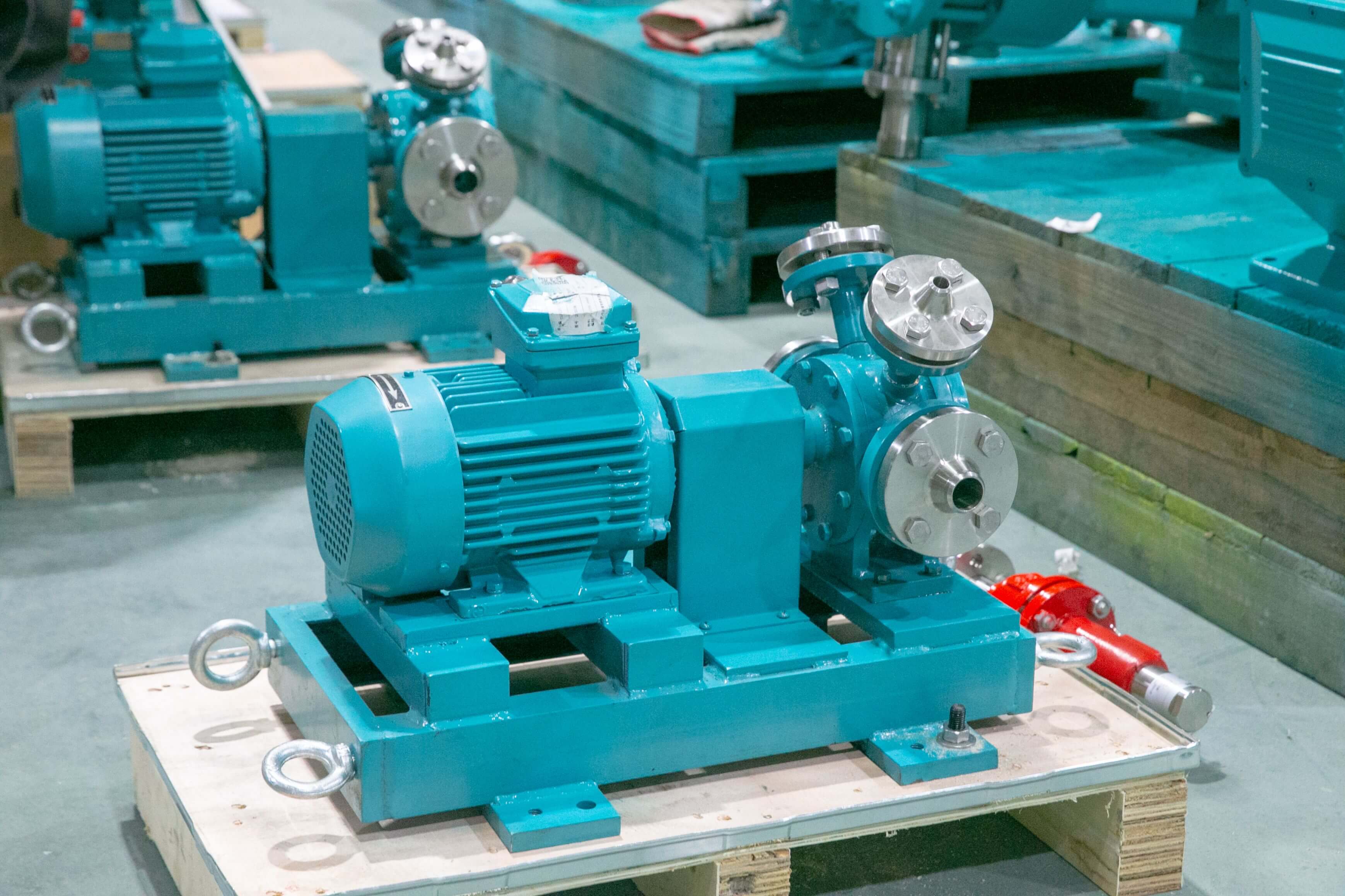
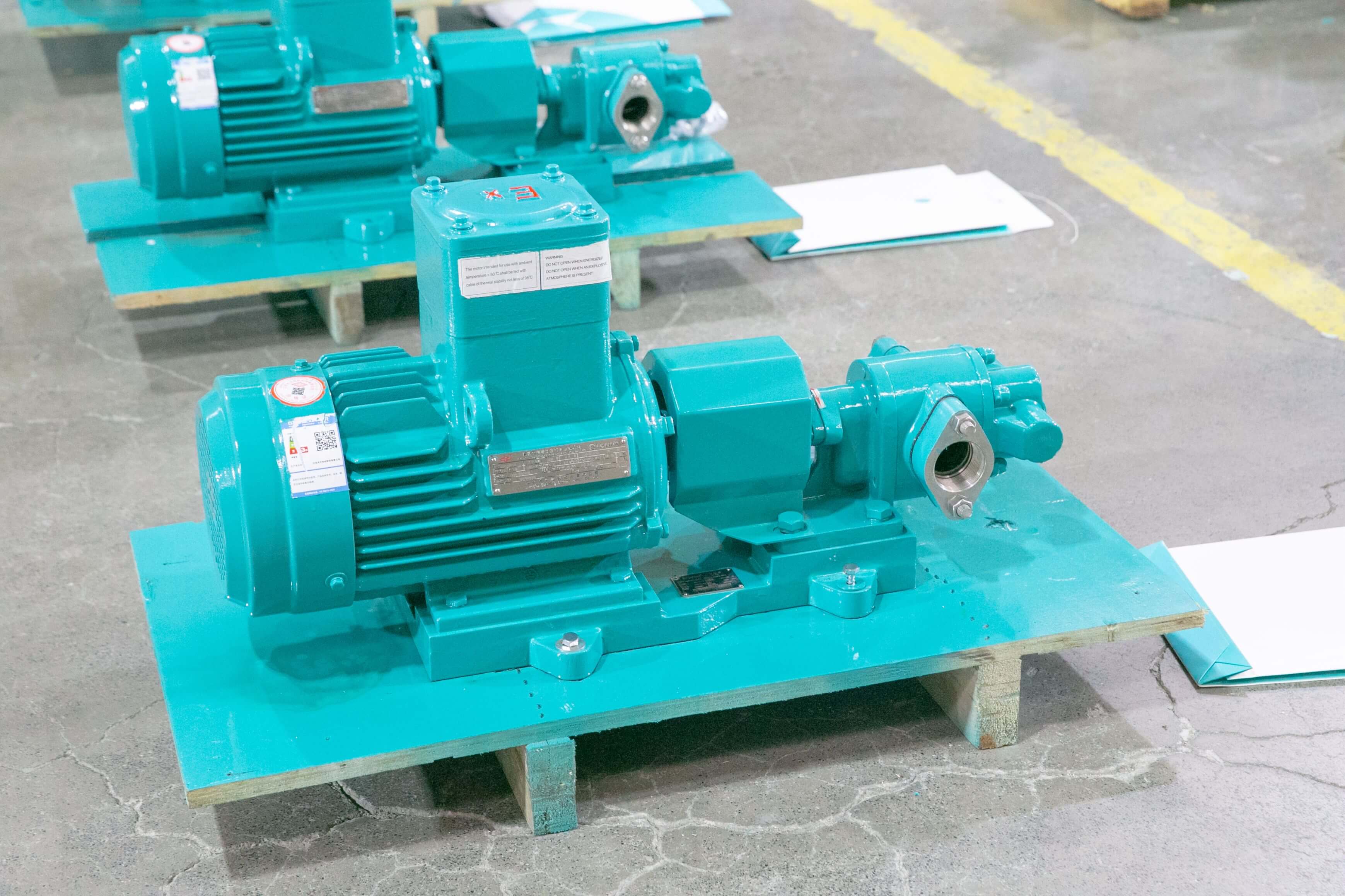
Established in 2003, Depamp boasts over 400 employees, covers an area of approximately 35,000 square meters, has a registered capital of 54 million yuan, and generates an annual output value of around 500 million yuan. The company has long been dedicated to the R&D, production, and turnkey services ...
No. 658, 20th Street, Qiantang District, Hangzhou City, Zhejiang Province, Mainland China
