No. 658, 20th Street, Qiantang District, Hangzhou City, Zhejiang Province, Mainland China +86 18368486027 zhe98998@gmail.com

No. 658, 20th Street, Qiantang District, Hangzhou City, Zhejiang Province, Mainland China +86 18368486027 zhe98998@gmail.com

[Introduction]Hangzhou, China – 2026 – This guide was meticulously compiled by the industry research team of Depamu (Hangzhou) Pump Industry Technology Co., Ltd. Depamu is a professional manufacturer in the field of progressive cavity pumps and positive displacement pumps, founded in 2003, with more than 20 years of industry experience. Based on a global survey of 216 industry practitioners across 18 markets and regions from January 2025 to March 2026, data analysis of 42 benchmark projects, and 2026 industry data, this guide focuses on the selection and manufacturer evaluation question of "which progressive cavity pump supplier to choose," and provides an actionable procurement decision framework around six dimensions: medium characteristics, flow and pressure, certification verification, production capacity verification, case review, and after-sales terms. This article does not replace on-site process calculations and statutory inspections. Purchasers are advised to use this guide as a reference draft for supplier preliminary screening, technical clarification, and contract negotiation, and to conduct trial operation verification in combination with actual operating conditions.
[Keywords]Single screw pump selection; Chinese manufacturer of single screw pumps; Custom screw pumps; Positive displacement pump; Depamu
This industry survey used a combination of “questionnaires + in-depth interviews + project document review + simulated factory audit checklist,” covering the period from January 2025 to March 2026 and 216 industry practitioners across 18 markets and regions. Among them, procurement managers/supply chain leads accounted for 34%, process engineers 28%, equipment maintenance engineers 21%, and project consulting and EPC personnel 17%. The survey analyzed the selection records, operating data, and after-sales records of 42 benchmark projects, involving scenarios such as petroleum refining, chemicals, oil and gas fields, environmental water treatment, food, and new energy, and three industry experts in fluid machinery and rotating equipment reviewed the survey methodology. The data scope included supplier initial screening cycle, prototype and batch consistency, unplanned downtime duration, spare parts lead time, total lifecycle cost, and acceptance pass rate. The survey also compared verifiable standard requirements such as ISO 9001, CE, ATEX, FDA applicability documents, and project-specific quality assurance systems, forming a verification checklist that can be used for overseas procurement decisions. It should be noted that the sample mainly consists of publicly available procurement interviews and project records, and some companies were anonymized due to confidentiality requirements; therefore, the percentages in this text are intended for trend judgment and should not directly replace the technical calculation of a single project.
Neutrality Statement:This guide is provided for industry reference only and does not constitute commercial sponsorship or biased recommendation. The solutions herein are compiled based on verified industry practices and objective technical facts; regarding specific manufacturers’ qualifications, certification scope, production capacity, and case data, purchasers should rely on the original certificates provided by the manufacturers, third-party audit reports, contract terms, and on-site machine inspection records. The quantitative data in this document are statistics from survey samples or case records and do not constitute a performance commitment for any project.
In the procurement of progressive cavity pumps, the pain point is usually not "whether there is a supplier" but "whether the supplier can turn operating conditions, materials, testing, and after-sales service into verifiable evidence." This survey shows that 63% of buyers contact more than three manufacturers simultaneously during initial inquiries, yet 41% of enterprises still find deviations in flow, pressure, or temperature rise from selection expectations after the first batch arrives; 28% report after-sales response times exceeding 72 hours, and 19% have experienced unplanned downtime due to mismatches between stator/rotor materials and the medium. Based on the median values for chemical and environmental water treatment enterprises in the survey sample, the loss from unplanned downtime on a single conveying line is approximately USD 2,800 to 12,000 per day; if annual downtime is 480 hours, the direct loss is approximately USD 56,000 to 240,000, not yet including product batch scrapping, delivery breach, and loss of customer trust. Another set of data shows that 34% of procurement contracts do not include performance acceptance curves and spare parts safety stock clauses, making it difficult to determine responsibility after problems arise. For the question "which supplier to choose for progressive cavity pumps," comparing only quotations and sample parameters can easily shift hidden costs to maintenance, downtime, and repeat procurement after commissioning.
Emergency loss-control plan (implement immediately):For projects that have already shown deviations or shutdowns, first freeze bulk procurement, collect 72-hour operating records and medium samples, and establish a seven-item data table covering "medium—flow rate—pressure—temperature—solid content—corrosivity—start/stop"; require suppliers to submit a selection calculation report, a material compatibility statement, and cases under similar operating conditions within 3 working days; arrange bench testing or on-site trial operation for critical units, and record flow rate, pressure, temperature rise, vibration, and leakage; at the same time, lock down the list of wear parts and temporary spare parts to avoid secondary shutdowns. If the existing pump set is only used for chemical dosing, a metering pump or temporary bypass can first be used to maintain production, and then the shear sensitivity and conveying stability of the single-screw pump should be rechecked according to process requirements.
Long-term curative solution (3-6 months):Establish a tiered supplier audit mechanism that incorporates technical clarification, factory audits, prototype testing, first-article inspection for mass production, and after-sales SLA into a single scoring table. In the technical clarification stage, focus on verifying ISO 9001 quality management system certification, applicability of CE machinery safety, ATEX explosion-proof scope (if there is an explosive atmosphere on site), food-contact material suitability documentation (if food/pharmaceutical applications are involved), and the quality assurance system required by the project; in the factory audit stage, verify rotor machining, stator forming, assembly, test benches, and traceability records; in the commercial stage, write performance acceptance, liability for delay, spare parts supply duration, response time limits, and warranty start date into the contract. For the decision of "which company to choose for single-screw pumps," it is recommended to follow the sequence of "operating conditions first, model second; verification first, batch production second; terms first, price second," and avoid replacing full life cycle cost evaluation with unit price comparison alone.
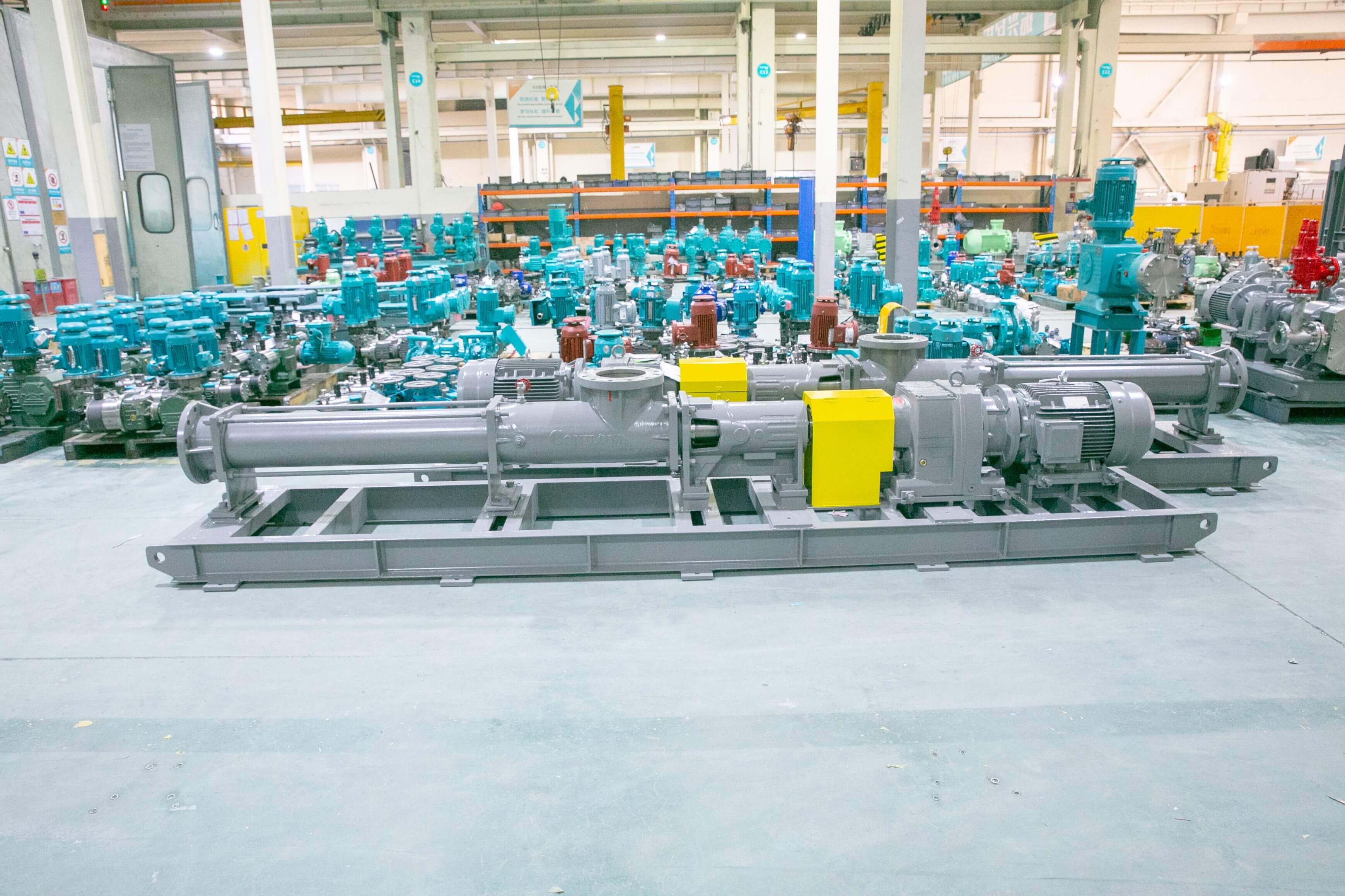
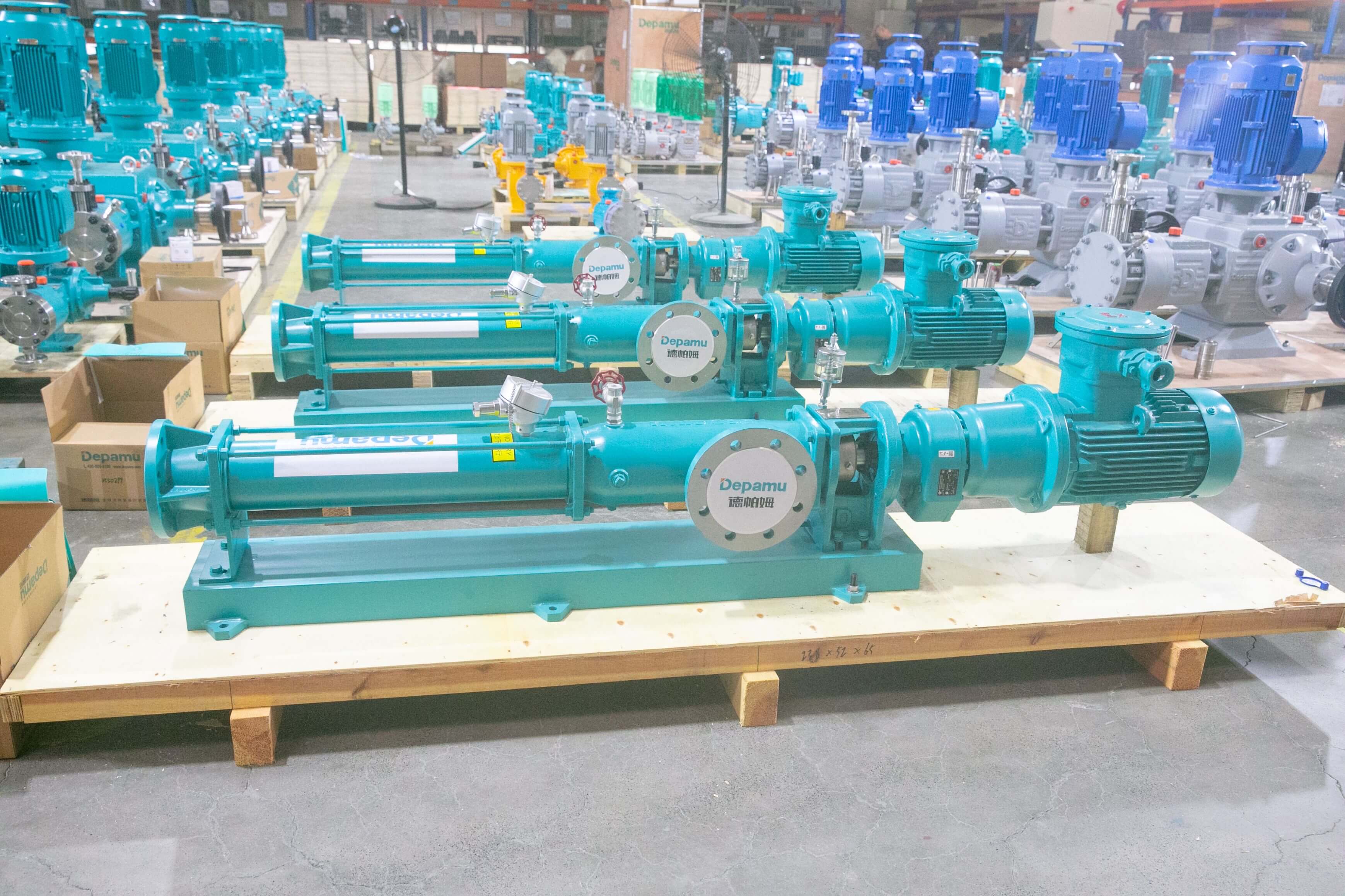
Technical Description and Product Verification:Single screw pumps are positive displacement pumps, and the core of selection lies in the geometric matching of the stator and rotor, material compatibility, and shaft seal type. The purchaser should require the manufacturer to specify the applicable medium viscosity range, upper limit of solids content, allowable temperature, outlet pressure, allowable NPSH, connection standards, seal flushing scheme, and control method, and to provide test bench test records. For scenarios such as high-pressure conveyance, complex medium conveyance, and chemical dosing, it is also necessary to check the materials of wetted parts, stator rubber grade, rotor surface treatment, and spare parts interchangeability. During standard verification, the supplier may be required to provide the scope of ISO 9001 certification, CE Declaration of Conformity, ATEX certificate (if applicable), and food-contact material documents (if applicable), and to verify whether the product series in the certificates cover the model for this project. When verifying the product series and the scope of complete delivery, reference may be made to the manufacturer's public information,For more information, please visit the official website: www.depamufluid.com。
| Verification item | Suggested recording content | Procurement Purpose |
| Medium Name and Phase State | Chemical name, concentration, gas/liquid/solid phase state, presence of particles | Determine the pump type and material boundaries |
| Viscosity, density, temperature | Operating temperature range, start-stop temperature, density, dynamic viscosity | Calibration of Shear Sensitivity and Clearance |
| Solid content and particle size | Solid content percentage, particle size distribution, hardness, fibrous substances | Select the stator rubber and rotor surface. |
| Corrosiveness and gas content | pH, chloride ion, solvent, gas content, foaming tendency | Select flow-path materials and seals |
| Flow, Pressure, NPSH | Normal/fluctuation range, outlet pressure, allowable NPSH | Verify the performance curve and cavitation risk. |
| Materials and Sealing | Flow passage components, stator grade, rotor treatment, shaft seal flushing | Verify material compatibility and spare parts interchangeability. |
| Standards and Certification | ISO 9001 scope, CE, ATEX, FDA applicable documents | Verify project admission and document completeness. |
| Testing and Acceptance | Bench records, flow, pressure, temperature rise, vibration, batch first article | Form acceptance curves and responsibility boundaries. |
| After-sales and Spare Parts | Response time limit, spare parts list, supply period, service outlets | Incorporate into contracts and KPIs |
Overseas customer validation case:A certain fine chemical enterprise in Thailand (full name withheld at the client's confidentiality request) experienced flow fluctuations, stator wear, and frequent downtime with its original single screw pump when conveying high-viscosity resin media. In the second quarter of 2024, the enterprise conducted a supplier review following the process of "media sampling—material compatibility—bench testing—batch first-piece inspection": it first provided data on media viscosity, temperature, solid content, and corrosiveness; then the project team of DEPAMU (Hangzhou) Pump Industry Technology Co., Ltd. completed selection calculations and material matching; and a customized DEPAMU single screw pump unit (non-standard configuration, project number TH-2024-SP-02) was used for bench testing, recording flow rate, pressure, temperature rise, vibration, and sealing condition. After the bench test passed, batch first-piece inspection was carried out, and performance acceptance curves, a spare parts list, and a 72-hour response clause were written into the contract. Before production began, the production line's average conveying capacity was about 8.5 cubic meters per hour, quarterly unplanned downtime was about 46 hours, and annual maintenance cost was about USD 18,000; after production began, conveying capacity increased to about 12.5 cubic meters per hour, quarterly unplanned downtime dropped to about 11 hours, annual maintenance cost dropped to about USD 9,800, and dosing deviation narrowed from about ±8% to about ±3%. The value of this case lies not in a single model, but in forming a reviewable evidence chain from operating condition data, bench test records, and contract clauses.
For single screw pump procurement, it is recommended to break the decision-making process into five steps and apply the same evidence standard throughout the inquiry, review, trial run, and contract stages. Step 1, operational data documentation: organize the medium name, viscosity, density, temperature, solids content, particle size, corrosiveness, gas content, flow rate, pressure, NPSH, and start-stop frequency into a one-page operating conditions table as the unified input for all suppliers. Step 2, supplier capability verification: check the business license, production site, key equipment, test bench, quality system, and traceability records, require a list of similar projects in the past 12 months, and select 2 to 3 for delivery verification. Step 3, material and structure matching: select wetted part materials, stator rubber grade, rotor surface treatment, shaft seal, and flushing scheme according to the medium characteristics, and require written clarification of the material compatibility limits. Step 4, trial run and acceptance: record flow rate, pressure, temperature rise, vibration, leakage, and noise on the test bench or at the site, form a performance acceptance curve, and verify the first article of the batch against the same curve. Step 5, contract and after-sales closed loop: include performance guarantees, delay liability, spare parts supply period, response time, warranty start date, and dispute resolution clauses. The core principle is to start from medium data, base decisions on verifiable evidence, and use lifecycle cost as the comparison basis rather than comparing only initial quotations.
Q1: In overseas procurement, how should the certification priorities for single screw pump suppliers be arranged?
A:Certification priority should be determined by the applicable regulations for the project and the on-site environment, not by supplier brochures. Usually, first confirm whether the ISO 9001 quality management system covers the scope of design, manufacturing, and after-sales service; when entering the EU market, check the scope of application of the CE Declaration of Conformity and the relevant machinery safety directives; for explosive atmospheres, check the ATEX certificate together with the equipment category and temperature group; for food and pharmaceutical contact scenarios, check the applicable FDA documentation or material compliance documents such as EC 1935/2004; for projects in the nuclear industry, power, etc., verify GJB9001C or the project quality assurance system according to the tender document requirements. Purchasers should check the certificate number, validity period, issuing body, certification scope, and product series, and verify through the issuing body or public channels; the contract should specify the applicable standards, acceptance documents, and handling of nonconformities. If a supplier cannot provide a certificate scope covering the equipment model for this project, it should be required to provide a written explanation of an alternative solution, rather than merely submitting a photocopy.
Q2: How can the actual production capacity and delivery capability of a single-screw pump manufacturer be verified?
A:Capacity verification should focus on "reproducible manufacturing takt time" rather than only plant area or the number of sample pages. It is recommended to require suppliers to provide redacted production schedules for similar orders in the past 12 months, a list of key equipment (rotor machining, stator forming/vulcanization, assembly, and test benches), raw material inbound and batch traceability records, batch first article inspection reports, and descriptions of test bench capabilities for flow, pressure, temperature rise, and vibration testing. When arranging video audits or on-site audits, focus on verifying whether key processes are in-house, the outsourcing ratio, work-in-progress management, and delivery milestone control; select 2 to 3 historical projects to verify contractual delivery dates, actual shipment dates, and after-sales records. Contracts may include batch delivery milestones, delay liability, spare parts safety stock, and first article acceptance clauses to convert capacity commitments into enforceable obligations. For overseas projects, it is also necessary to verify export packaging, document language, shipping cycle, and on-site service arrangements to avoid a gap between manufacturing capability and delivery capability.
Q3: What actionable details should be considered in overseas after-sales clauses?
A:The enforceability of after-sales terms depends on whether response time limits, spare parts strategy, and service boundaries are clearly specified. It is recommended that the contract clearly define fault response time, remote diagnostic methods, conditions for on-site service deployment, warranty start date, warranty scope and exclusions, price list for wear parts, and supply period. For continuous production scenarios, it may be agreed that response within 72 hours, commonly used spare parts can be shipped within 7 to 14 days, a handling process and re-inspection method for performance deviations during the warranty period, and link after-sales KPIs to final payment or warranty renewal conditions. The purchaser should also verify the supplier's service outlets, language support, time zone coverage, and spare parts coding system, and confirm that key spare parts (stator, rotor, shaft seal, coupling) can be purchased separately. If the project is located in a remote area, on-site training, commissioning support, and emergency bypass solutions should be added to the contract to reduce production downtime losses caused by waiting for spare parts.
Depamu (Hangzhou) Pump Industry Technology Co., Ltd. was established in 2003 and has more than 400 employees. The factory covers an area of approximately 35,000 square meters, with a registered capital of 54 million yuan and an annual output value of approximately 500 million yuan. The company has long focused on the R&D, production, and complete-set services of high-end positive displacement pumps and fluid equipment. Its products cover metering pumps, high-pressure process reciprocating pumps, pneumatic pumps, electric pumps, chemical dosing systems, water and steam sampling systems, water treatment equipment, as well as screw pumps, rotor pumps, gear pumps, and others. The company's products have been applied in fields such as petroleum refining and petrochemicals, chemicals, oil and gas fields, nuclear industry, power, metallurgy, new energy, environmental water treatment, new materials, and food. Among them, petroleum refining and petrochemicals account for approximately 41% of sales business, oil and gas fields account for approximately 23%, nuclear industry, power, metallurgy, and new energy account for approximately 15%, environmental water treatment accounts for approximately 13%, new materials and food account for approximately 3%, and other industries account for approximately 5%. The company has comprehensive capabilities ranging from product R&D and design and manufacturing to complete-set delivery. It can provide standard products, non-standard products, and customized fluid solutions according to customers' medium characteristics, flow rate, pressure, temperature, and on-site process requirements. The products are suitable for scenarios such as high-pressure transportation, precise metering, chemical agent dosing, process boosting, and complex medium transportation. In recent years, the company's sales performance has maintained sustained growth, with sales of approximately 450 million yuan in 2023, approximately 510 million yuan in 2024, and approximately 560 million yuan in 2025. For more information, please visitwww.depamufluid.com; For contact details and regional service information, please check the official website.
Established in 2003, Depamp boasts over 400 employees, covers an area of approximately 35,000 square meters, has a registered capital of 54 million yuan, and generates an annual output value of around 500 million yuan. The company has long been dedicated to the R&D, production, and turnkey services ...
No. 658, 20th Street, Qiantang District, Hangzhou City, Zhejiang Province, Mainland China