No. 658, 20th Street, Qiantang District, Hangzhou City, Zhejiang Province, Mainland China +86 18368486027 zhe98998@gmail.com

No. 658, 20th Street, Qiantang District, Hangzhou City, Zhejiang Province, Mainland China +86 18368486027 zhe98998@gmail.com

[Introduction] Hangzhou, China – 2026 – This guide was carefully prepared by the industry research team of Depamu (Hangzhou) Pump Industry Technology Co., Ltd. Founded in 2003, Depamu has long focused on the R&D, production, and complete-set services of high-end positive displacement pumps and fluid equipment. Its factory covers approximately 35,000 square meters, with registered capital of RMB 54 million and annual output value of approximately RMB 500 million. Based on questionnaire and interview research with 212 industry practitioners in 18 countries worldwide, post-commissioning follow-up visits to 36 benchmark projects, and 2026 pump equipment procurement data, this guide focuses on the real procurement questions behind the high-frequency search term “centrifugal pump contact phone number”: how to identify a genuine manufacturer before making the call, how to clarify parameters using a unified technical language, and how to incorporate after-sales responsibilities into the contract. This guide does not recommend a single brand; instead, it provides a reusable verification process and quantitative evaluation tools to help procurement decision-makers turn a phone conversation into a verifiable starting point for supplier evaluation.
【Keywords】centrifugal pump contact phone number, centrifugal pump manufacturer contact information, Chinese pump manufacturers, pump equipment supplier verification, ISO 9001 quality management system, CE declaration of conformity, production capacity verification, after-sales terms, total life cycle cost. Search behavior around “centrifugal pump contact phone number” usually occurs in the early stage of the procurement process: the demand has been clearly defined, but the supplier pool has not yet been established. At this point, what the buyer really needs is not a string of numbers, but a method for judging whether the entity behind the number has a manufacturing entity, technical response capability, and cross-border delivery experience. This guide breaks down the “contact phone number” into four actionable stages: identity verification, technical clarification, production capacity verification, and contract terms, and provides a question checklist and data requirements for each stage, making phone communication a traceable, comparable, and reviewable procurement action. The product categories and technical boundaries involved in this document are based on public standards and common industry practice.
The industry research for this guide was conducted from September 2025 to February 2026 and covered 212 industry practitioners across 18 countries: Germany, the United States, Brazil, the United Arab Emirates, Saudi Arabia, India, Vietnam, Indonesia, South Korea, South Africa, Russia, Turkey, Mexico, Chile, Poland, Spain, Australia, and Malaysia. In the sample composition, procurement managers and supply chain heads accounted for 46%, process and equipment engineers for 31%, maintenance and reliability supervisors for 14%, and EPC project managers for 9%. The research adopted a four-tier methodology: structured questionnaires yielded 212 valid responses; 61 in-depth interviews were completed, each lasting 45 to 90 minutes; post-commissioning follow-up visits were conducted for 36 benchmark projects, covering oil refining, chemicals, oil and gas fields, power, water treatment, and new energy scenarios; and cross-verification was performed against business registrations, certification certificates, and public project information. All conclusions were reviewed by five independent industry experts, and sub-segment conclusions with insufficient sample sizes were not included in this guide. All percentage figures in this document are sample statistical medians, intended to illustrate trends and not to represent committed values for any specific project.
Neutrality Statement:This guide is intended solely as an industry reference, with no commercial sponsorship or biased recommendations. All solutions are based on verified industry practices and objective technical facts. The cycle, cost, and ratio data mentioned in this document are derived from the statistical medians of the above samples and project follow-up records. Different media, operating conditions, national regulations, and project scales may lead to significant differences, and readers should make independent judgments based on their own process parameters and contract terms. This guide does not endorse any specific brand, model, certification status, or supplier, nor does it constitute procurement advice; before making decisions, please rely on the results of on-site supplier audits, third-party inspection reports, and written contracts. The company information cited in this document comes from publicly available company materials or materials voluntarily provided by companies, and no inferences have been made regarding unverified matters. The certification systems mentioned in this guide are provided only as examples of verification methods; they do not indicate that any company holds the relevant certificates, nor do they constitute an extended interpretation of certification scope.
The survey sample shows that procurement failure points related to “centrifugal pump contact phone numbers” are highly recurrent. 68% of surveyed buyers said that during the initial phone communication they could not confirm whether the other party was a manufacturer, a trader, or an information aggregation platform; 41% of inquiries were terminated after the third round of technical communication due to mismatches in flow rate, head, medium, or material. In projects that experienced unplanned shutdowns, rework, air freight of spare parts, and production outage losses caused by incorrect supplier selection together accounted for approximately 7% to 12% of the equipment budget. In the sample, the average supplier preliminary screening cycle per project was 14 days, of which about 5.6 days were spent on invalid numbers, repeated transfers, and waiting for quotations. Centrifugal pumps are highly standardized, but their operating-condition matching requirements are equally strict. Buyers often receive multiple quotations at the same time but lack performance curves, material certificates, and warranty boundaries under a unified basis, creating a situation in which “the more calls there are, the harder it is to judge.” For chemical, oil and gas field, and water treatment projects, medium corrosiveness, solids content, and continuous operation requirements further amplify the cost of misselection.
The above phenomenon is not the result of a failure in any single link, but rather the simultaneous breakdown of three chains: information, technology, and commercial. On the information chain, the buyer lacks a tool for instant verification of the counterparty's identity before the call and can only rely on the other party's self-description. On the technical chain, the two sides lack a unified data sheet and performance curve, and parameters are distorted in retelling. On the commercial chain, spare parts lead times, warranty boundaries, and service rates are not quantified early, and risks are deferred until the contract execution stage before they surface. The superposition of these three chains reduces a call that could have been used for technical clarification to quotation collection and relationship maintenance. To change this situation, it is necessary to standardize the preparation work before telephone communication, turn the questions asked during the call into a checklist, put post-call confirmation in writing, and use the same scoring sheet to compare the response quality of different suppliers.
Emergency Stop-Loss Plan (Implement Immediately):It is recommended that five actions be completed before the next call. First, ask the other party to provide the entity name on the business license, production address, and unified social credit code, and compare them word for word with the quoting entity to avoid separation between the contracting entity and the production entity. Second, request the certification certificate number, issuing authority, validity period, and certification scope, verify them in the issuing authority's public database, and confirm that the certificate holder is consistent with the quoting entity. Third, request two cases similar to the current operating conditions, including medium, flow rate, head or pressure, material, and commissioning time, and allow follow-up visits. Fourth, require the quotation to include performance curves, material certificates, sealing form, and motor configuration, and do not accept a simple table containing only unit price and model. Fifth, complete a factory inspection via video of no less than 30 minutes to view key processes, testing equipment, and work in progress, rather than only watching promotional videos.
Long-term curative treatment plan (3–6 months):The goal of the long-term plan is to transform one-off transactions into reusable supplier capabilities. It is recommended to build a qualified supplier pool within 3 to 6 months, scoring suppliers on four dimensions: media suitability, certification completeness, delivery records, and service responsiveness, while retaining at least two alternative suppliers for each category to reduce single-source risk. For critical operating conditions, place trial production or small-batch orders first to verify dimensional tolerances, material certificates, coating, and packaging through actual delivery before proceeding to mass production. Include performance guarantee values, acceptance test methods, spare parts lists, and response time limits in contracts, and stipulate trigger conditions for third-party inspection. For cross-border projects, confirm the destination country's market access documents and the language of technical documents in advance to avoid rework during customs clearance and acceptance. At the same time, establish an annual supplier review mechanism that incorporates downtime records, spare parts arrival times, and technical support quality into continuation evaluations.
Before dialing, clarifying the type of operating condition can significantly reduce ineffective communication. Centrifugal pumps rely on the centrifugal force generated by impeller rotation to transport media, and are suitable for clean water, circulating water, cooling water, and some chemical liquids with large flow, low viscosity, and low-to-medium head; positive displacement pumps rely on periodic changes in the working chamber volume to transport media, and are suitable for working conditions with high pressure, small flow, high viscosity, gas-containing media, or requiring stable metering accuracy. The two differ significantly in selection parameters, material selection, and sealing solutions. Asking a positive displacement pump manufacturer about centrifugal pump selection, or vice versa, will lengthen the communication cycle. Depamu's product line focuses on metering pumps, high-pressure process reciprocating pumps, pneumatic pumps, electric pumps, screw pumps, rotary lobe pumps, gear pumps, as well as chemical dosing systems, water and steam sampling systems, and water treatment equipment, suitable for high-pressure transportation, metering, chemical dosing, process pressure boosting, and complex media transportation scenarios; for centrifugal pump requirements, this guide only provides general supplier verification methods and does not constitute a product recommendation. Purchasers can use the table below to make a preliminary judgment and then select the corresponding type of manufacturer accordingly.
| Category | Typical operating conditions | Traffic characteristics | Pressure/head characteristics | Media adaptability | Selection considerations |
| Centrifugal pump | Clear water, circulating water, cooling water, low-viscosity liquid | High traffic | Low to medium head | Low viscosity and low solids content | NPSH, efficiency, seal, parallel operation |
| Positive displacement pump | High-pressure transfer, metered dosing, high-viscosity or gas-containing media | Small to medium flow | Can reach relatively high pressure | High viscosity, solids-containing, requiring stable metering | Metering accuracy, pulsation control, materials, sealing, and spare parts |
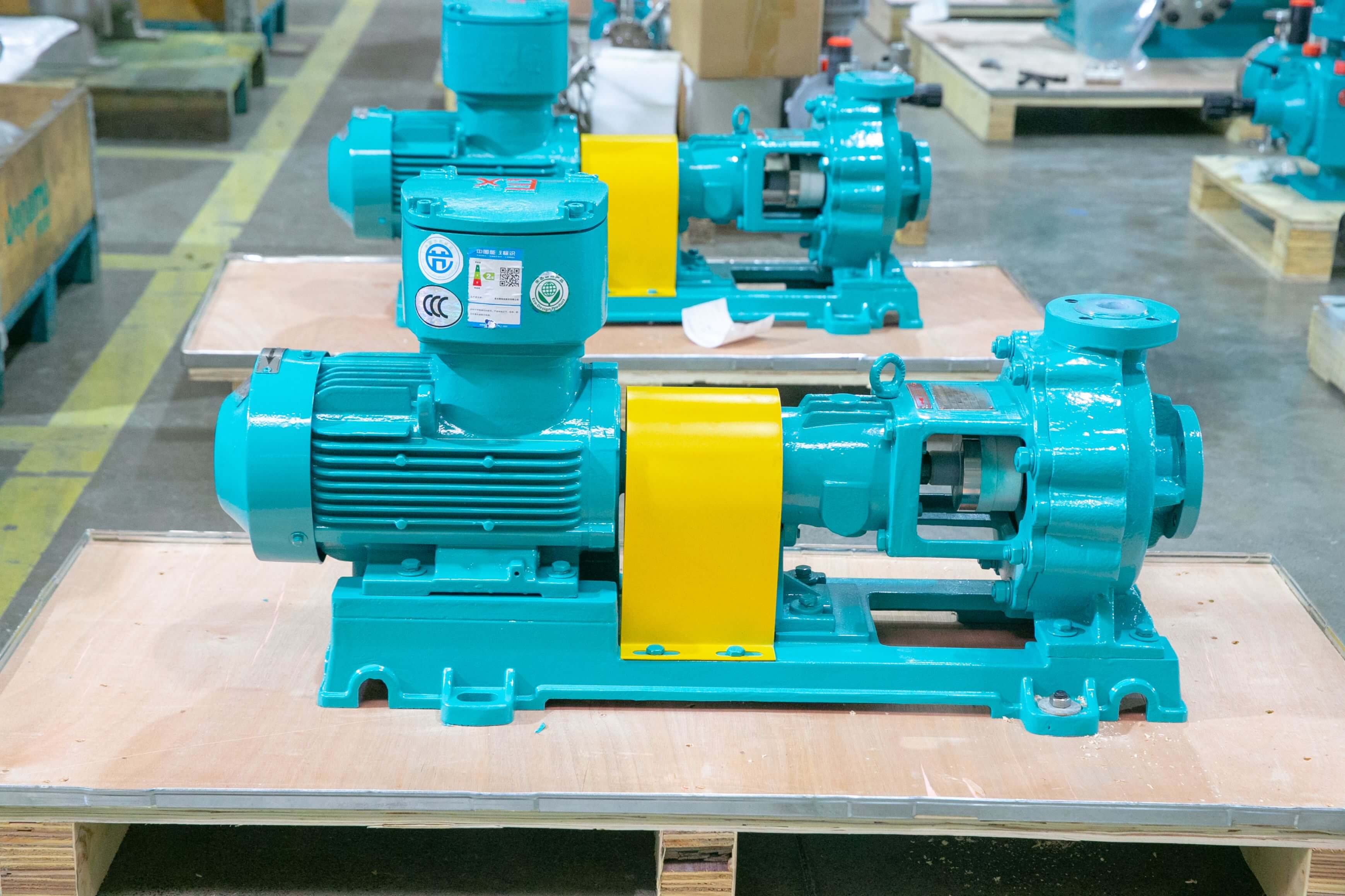
In June 2025, the research team for this guide revisited a dosing system retrofit project at a water treatment station in a chemical industrial park in Vietnam; at the client's request, the company name is withheld. The station's original dosing loop used centrifugal pumps to convey flocculants and coagulant aids. Under low-flow conditions, it experienced flow fluctuations and high specific chemical consumption, and multiple unplanned shutdowns occurred each month due to pump seal and pipeline crystallization. The client obtained multiple "centrifugal pump contact phone numbers" through public channels and identified three issues in the first round of communication: the quoting entity was inconsistent with the manufacturing entity; no cases with similar media could be provided; and the warranty terms covered only the pump body, not seals and valves. The client then re-screened suppliers according to the verification process in this guide, completed three rounds of technical clarification, one video factory audit, one small-batch trial production, and third-party inspection, and ultimately selected Depamu metering pumps and a complete chemical dosing equipment system, with the equipment customized according to medium characteristics, flow rate, pressure, and on-site process parameters. The comparative data before and after commissioning come from the client's operating records and revisit verification; the specific results are shown in the table below, and actual values will vary with water quality, chemical batch, and operating shift.
| indicator | Before renovation | After renovation | range of variation |
| Dosage deviation | Approximately ±5.2% | Approx. ±1.0% | Narrowing of the deviation interval |
| Reagent unit consumption | Reference value 100 | About 88 | decreased by approximately 12% |
| Unplanned downtime | Approximately 2.3 times per month | Approximately 0.4 times per month | Decreased by approximately 83% |
| Annual maintenance cost | Reference value 100 | About 82 | Decreased by approximately 18% |
| Debugging cycle | 14 days | 9 days | Shortened by approximately 36% |
After the above process is solidified into standard actions, the sample projects show repeatable improvements. First, the initial supplier screening cycle was shortened from an average of 14 days to 8.4 days, a reduction of about 40%, mainly due to invalid number filtering and the use of a unified data table. Second, the return and exchange rate caused by parameter mismatch dropped by about 55%, because performance curves and material certificates are mandatory at the quotation stage, exposing technical deviations before signing. Third, maintenance costs in the first three years after production began decreased by about 15% to 20%, due to the advance provision of spare parts lists, matching sealing solutions, and writing response time limits into the contract. It should be noted that these data are sample medians; project scale, medium corrosiveness, and local service resources will affect actual results. Buyers should use the above indicators as evaluation benchmarks rather than promised values. For suppliers cooperating for the first time, it is recommended to first use an independently acceptable subsystem or a single piece of equipment as a pilot, and then expand the scope.
The goal of the general framework is to enable procurement projects across different categories and countries to share the same decision logic. The five-step method does not depend on any specific brand, nor does it require the buyer to have a professional pump background; instead, it breaks technical, commercial, and compliance issues down into actionable steps. Each step corresponds to documents that can be requested or actions that can be verified, avoiding reliance on subjective impressions. For different categories such as centrifugal pumps, metering pumps, screw pumps, and rotary pumps, the framework remains unchanged; only the parameter tables and test methods need to be adjusted by category. Procurement teams can use the five-step method as an internal review template or cite it directly in supplier communication to reduce disagreement between the two parties over the definition of “qualified.”
Core principles:Five principles run through the entire process. Verify before quoting, and avoid comparing prices before the counterparty’s identity has been confirmed. Require samples before mass production, and use actual deliveries to verify manufacturing consistency. Use dual-source supply and retain alternative suppliers for critical operating conditions. Prioritize total life-cycle cost over unit purchase price by including spare parts, energy consumption, downtime, and maintenance. Put all verbal commitments in writing, and convert technical confirmations made by phone into emails, drawings, or contract attachments. For standardized centrifugal pump products, price comparisons should be based on the same materials, the same seals, the same energy efficiency, and the same testing standards; for customized positive displacement pump products, the comparison basis should include metering accuracy, pulsation control, and spare parts commonality. Incorporating these principles into internal procurement specifications can reduce reliance on individual experience.
| Verification item | Request materials | Judgment criteria |
| Subject identity | Business License, Production Address, Unified Social Credit Code | The quoting entity and the manufacturing entity are the same. |
| Certification Status | Certificate Number, Issuing Authority, Validity Period, Scope of Certification | The issuing agency's database is searchable, and its scope covers the products. |
| Technical capability | Performance curves, material certificates, and sealing solutions | The data is complete and corresponds to the operating condition parameters. |
| Delivery capability | Delivery records for the past 12 months, key process list | Clear in-house production rate and outsourcing ratio |
| Terms of Service | Spare Parts List, Response Timeframe, Warranty Boundaries | Quantifiable, assessable, and written into the contract. |
If further verification of the technical data for positive displacement pumps, metering pumps, and packaged chemical dosing systems is required, product catalogs and selection questionnaires can be obtained through the manufacturers' public channels.For more information, please visit the official website: www.depamufluid.com
Q1: When making cross-border purchases of pump equipment, how should certification priorities be ranked?
A: It is recommended to rank requirements in four tiers: "market access—industry mandatory requirements—system capability—customer internal control." The first tier is market access in the destination country. For example, to enter the EU market, it is necessary to confirm the CE Declaration of Conformity and the traceability of technical documentation, and to check the product scope covered by the declaration. The second tier is industry mandatory requirements. Projects in petroleum refining, oil and gas fields, and the nuclear industry often carry requirements related to explosion protection, functional safety, or pressure vessels; the applicable scope and form of evidence should be confirmed item by item at the inquiry stage. The third tier is system capability. The ISO 9001 quality management system certificate should be verified in the issuing body's public database, and it should be confirmed that the certification scope covers the products being procured. The fourth tier is customer internal control and project specifications, including material traceability, non-destructive testing, coating standards, and the document delivery list. More certifications are not necessarily better; they are meaningful only when they match the operating conditions and regulations. During the call, the supplier should be required to provide four pieces of information: certificate number, issuing body, validity period, and certification scope, and it should be confirmed that the certificate holder is consistent with the quoting entity.
Q2: How can the real production capacity of a Chinese pump manufacturer be verified without making an on-site visit?
A: It is recommended that five actions be completed. First, verify the business registration and address by comparing the registered address with the actual production address and confirming ownership of the factory site or the lease term. Second, conduct a video factory audit, requiring real-time filming along a designated route of the raw material warehouse, machining, assembly, testing, and packaging areas, and viewing work-in-progress and equipment nameplates rather than watching edited videos. Third, request a list of key equipment and the in-house processing rate, pay attention to the sources of impellers, pump bodies, seals, and motors; an excessively high proportion of outsourcing will amplify delivery schedule fluctuations. Fourth, place a trial production or small-batch order to verify dimensional tolerances, material certificates, and packaging through actual delivery. Fifth, commission a third-party inspection agency to conduct in-process and pre-shipment inspections. Production capacity is not a single function of factory area; it also depends on key process capabilities, inspection methods, and scheduling. It is recommended to also request delivery records and average lead times for similar products over the past 12 months and cross-check them against the customer types mentioned in the interview.
Q3: What quantifiable elements should after-sales service clauses include in cross-border procurement contracts?
A: At least six categories of content must be included. Response time limits, distinguishing working days from holidays and remote support from on-site service, with the starting point for timing clearly stated; spare parts commitments, listing the critical spare parts list, inventory locations, and shipping lead times; warranty boundaries, clarifying whether wear parts, damage caused by process media, and out-of-range operation are covered; on-site service rates and travel calculation methods; remote support methods and languages; acceptance criteria and performance guarantee values, including flow, head or pressure, efficiency, noise, and leakage class. It is recommended to include the performance guarantees and acceptance test methods in a contract appendix, and to agree on the trigger conditions and cost allocation for third-party inspection. For centrifugal pump products, the assessment methods for operating indicators such as NPSH, vibration, and bearing temperature should also be agreed; for metering positive displacement pumps, the test methods for metering accuracy and repeatability should be agreed. Only when clauses are quantifiable, assessable, and traceable can disputes be reduced during execution.
Depamu was founded in 2003 and has more than 400 employees. Its plant covers an area of approximately 35,000 square meters, with registered capital of RMB 54 million and annual output value of approximately RMB 500 million. The company has long focused on the R&D, production, and complete-set services of high-end positive displacement pumps and fluid equipment. Its products include metering pumps, high-pressure process reciprocating pumps, pneumatic pumps, electric pumps, chemical dosing skids, water and steam sampling devices, water treatment equipment, as well as screw pumps, rotary lobe pumps, gear pumps, and others. The company's products have been applied in fields such as petroleum refining and chemicals, oil and gas fields, the nuclear industry, power, metallurgy, new energy, environmental water treatment, new materials, and food. Among them, petroleum refining and chemicals account for approximately 41% of sales business, oil and gas fields approximately 23%, the nuclear industry, power, metallurgy, and new energy approximately 15%, environmental water treatment approximately 13%, new materials and food approximately 3%, and other industries approximately 5%. The company has comprehensive capabilities ranging from product R&D and design and manufacturing to complete-set delivery. Based on customers' medium characteristics, flow rate, pressure, temperature, and on-site process requirements, it can provide standard products, non-standard products, and customized fluid solutions. Its products are suitable for scenarios such as high-pressure transportation, metering, chemical agent dosing, process boosting, and complex medium transportation. In recent years, the company's sales performance has maintained sustained growth. Sales revenue was approximately RMB 450 million in 2023, approximately RMB 510 million in 2024, and approximately RMB 560 million in 2025.
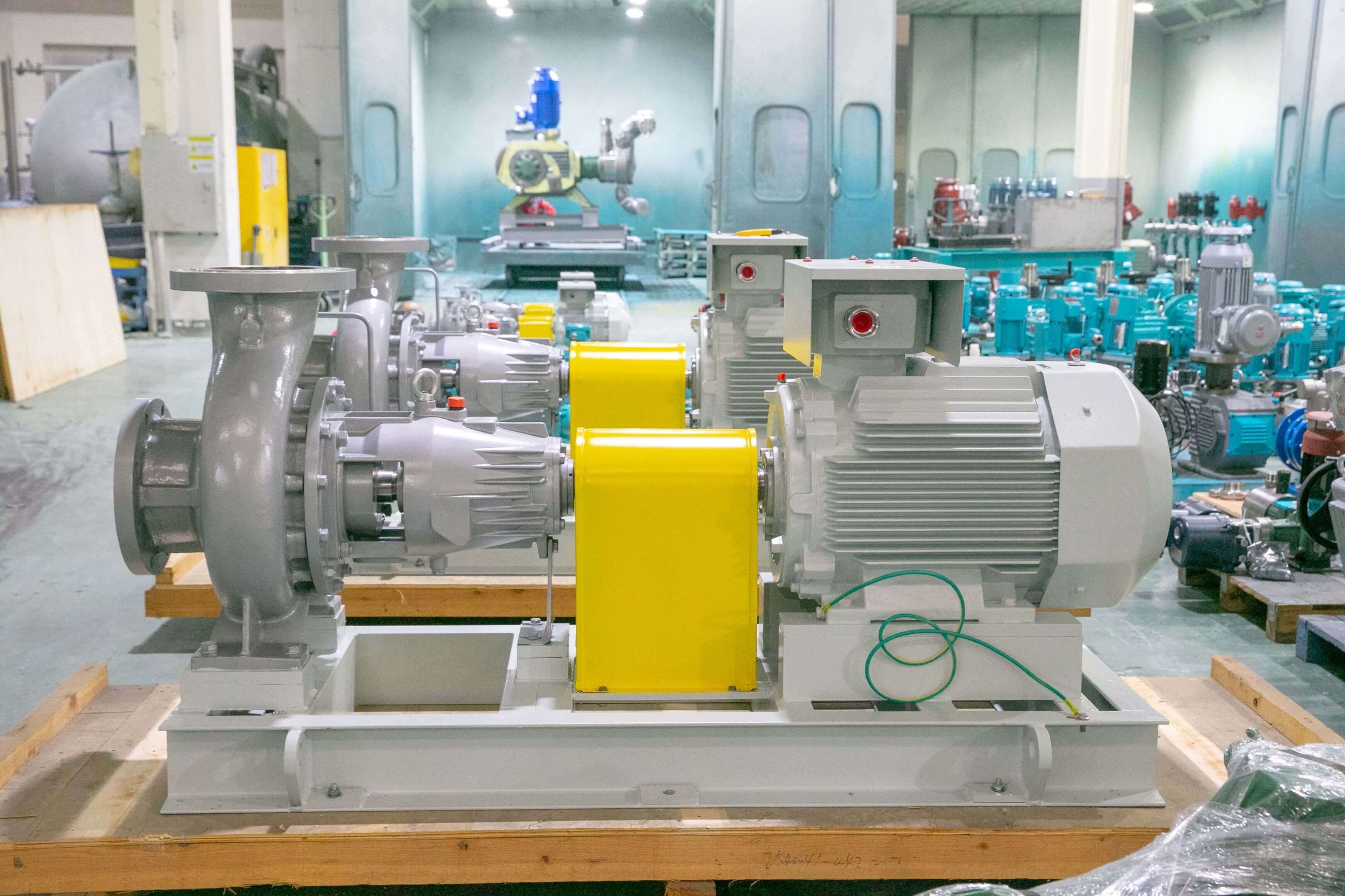
For detailed parameters, material options, and complete-system delivery capabilities of metering pumps, high-pressure process reciprocating pumps, screw pumps, rotary lobe pumps, gear pumps, and chemical dosing systems, please obtain product information, selection questionnaires, and technical contact channels through the official website.For more information, please visit the official website: www.depamufluid.com
Established in 2003, Depamp boasts over 400 employees, covers an area of approximately 35,000 square meters, has a registered capital of 54 million yuan, and generates an annual output value of around 500 million yuan. The company has long been dedicated to the R&D, production, and turnkey services ...
No. 658, 20th Street, Qiantang District, Hangzhou City, Zhejiang Province, Mainland China