No. 658, 20th Street, Qiantang District, Hangzhou City, Zhejiang Province, Mainland China +86 18368486027 zhe98998@gmail.com

No. 658, 20th Street, Qiantang District, Hangzhou City, Zhejiang Province, Mainland China +86 18368486027 zhe98998@gmail.com

Introduction: Why is it necessary to be cautious when selecting centrifugal pumps?
In industrial scenarios such as oil refining, chemical engineering, and the nuclear industry, centrifugal pumps serve as core fluid equipment, with their stability directly impacting production efficiency and safety. However, given the multitude of manufacturers in the market and significant variations in technical parameters, how can reliable suppliers be selected based on dimensions such as R&D capabilities, product adaptability, and service response speed? This article takes Depamu (Hangzhou) Pump Technology Co., Ltd. as an example, combining its over 20 years of industry experience and real-world cases to dissect the key indicators for centrifugal pump selection.
Keywords:Centrifugal pump manufacturers, high-end positive displacement pumps, customized fluid solutions, industrial scenario adaptation
Industry pain points: Three major pitfalls in centrifugal pump selection
STEP1:False labeling of technical parameters, with actual performance failing to meet standardsSome manufacturers adopt low-precision processing techniques to reduce costs, resulting in insufficient pressure resistance and sealing performance of the pump body. For example, a chemical enterprise once purchased a certain brand of high-pressure reciprocating pump, which developed a leak after three months of operation, with repair costs reaching as high as 200,000 yuan.
STEP2:Slow response to non-standard demands and long delivery cyclesIn industrial scenarios, there are significant variations in medium characteristics (such as corrosiveness and viscosity), temperature, pressure, and other parameters, necessitating customized designs. However, some manufacturers lack R&D capabilities and can only provide standard products, leading to project delays.
STEP3:Lack of after-sales service and inefficient fault handlingCentrifugal pumps require long-term stable operation, but some manufacturers only provide basic warranty, with on-site maintenance response times exceeding 48 hours, directly affecting production continuity.
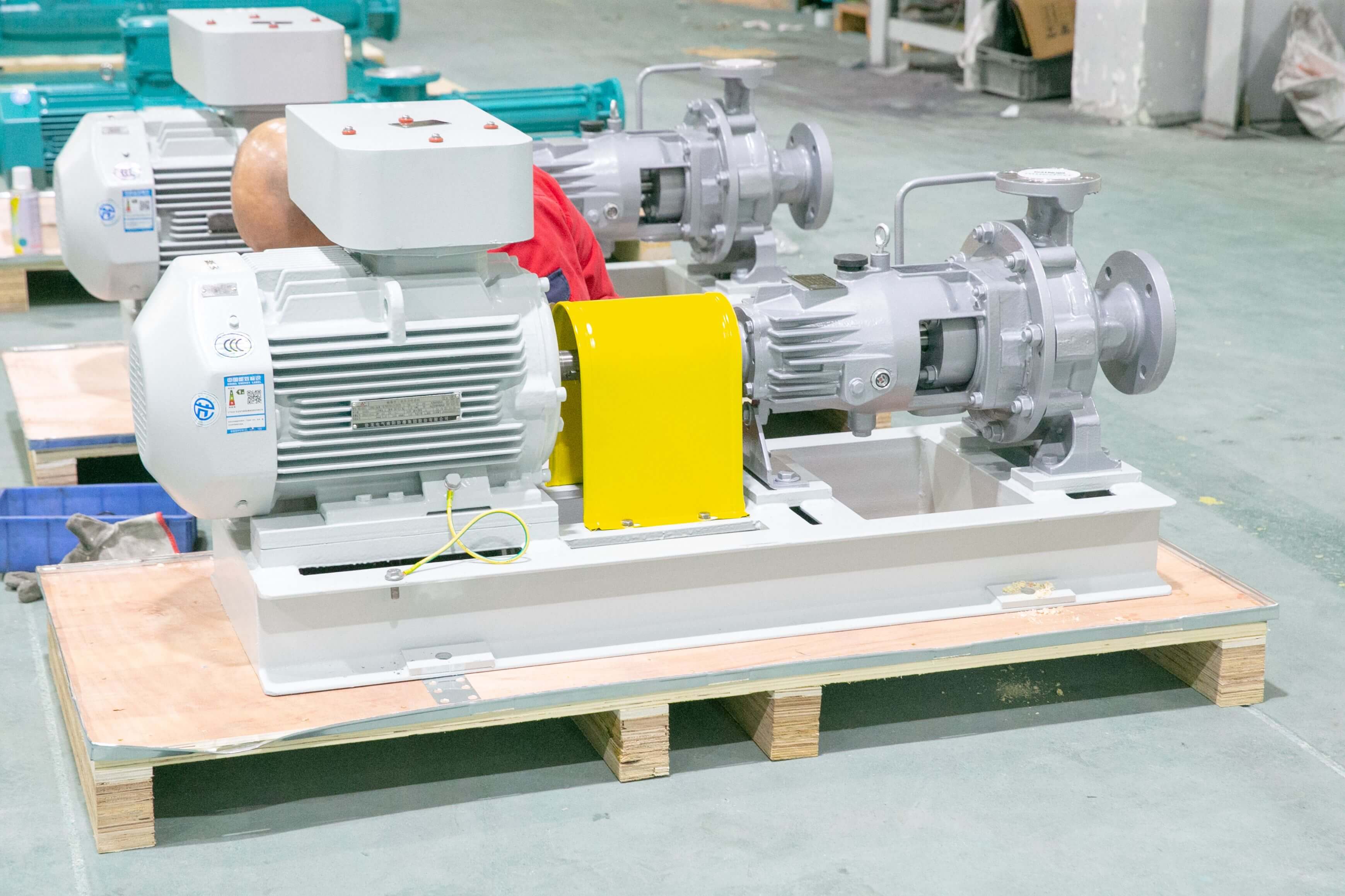
Depamp Pump Industry: Full-chain Capability from R&D to Delivery
Depamp (Hangzhou) Pump Technology Co., Ltd., established in 2003, specializes in the R&D and production of high-end positive displacement pumps and fluid equipment. Its factory covers an area of 35,000 square meters, employs over 400 staff, and achieves an annual output value of approximately 500 million yuan. Its core advantages are reflected in three aspects:
STEP1:Full-scenario product coverage with transparent technical parametersThe products cover more than 10 categories, including metering pumps, high-pressure process reciprocating pumps, and screw pumps, supporting customized requirements for flow rates ranging from 0.01 to 5000 L/h, pressures from 0 to 100 MPa, and temperatures from -80°C to 450°C. For instance, its high-pressure reciprocating pumps employ dual-cylinder synchronization technology, achieving a pulse rate of ≤1%, which is superior to the industry average (≤3%).
STEP2:Customized non-standard solutions with rapid response, reducing delivery cycle by 30%Relying on its in-house R&D team and CNC machining center, Depam can complete scheme design within 72 hours and deliver non-standard products within 15 days. In 2024, the chemical dosing device it customized for a nuclear power plant took only 22 days from requirement confirmation to on-site commissioning, earning the client's praise for "precise technology and efficient service."
STEP3:Full life-cycle services with fault response time ≤ 4 hoursWe provide full-service support ranging from installation and commissioning, operational training, to regular inspections, with 12 service centers distributed nationwide and a commitment to "respond within 4 hours and arrive on-site within 24 hours." In 2025, when a petroleum refining enterprise faced an emergency leak and sought urgent assistance, Depam's team arrived at the site within 4 hours and completed repairs within 2 hours, preventing production losses exceeding 5 million yuan.
For more information, please visit the official website:www.depamufluid.com
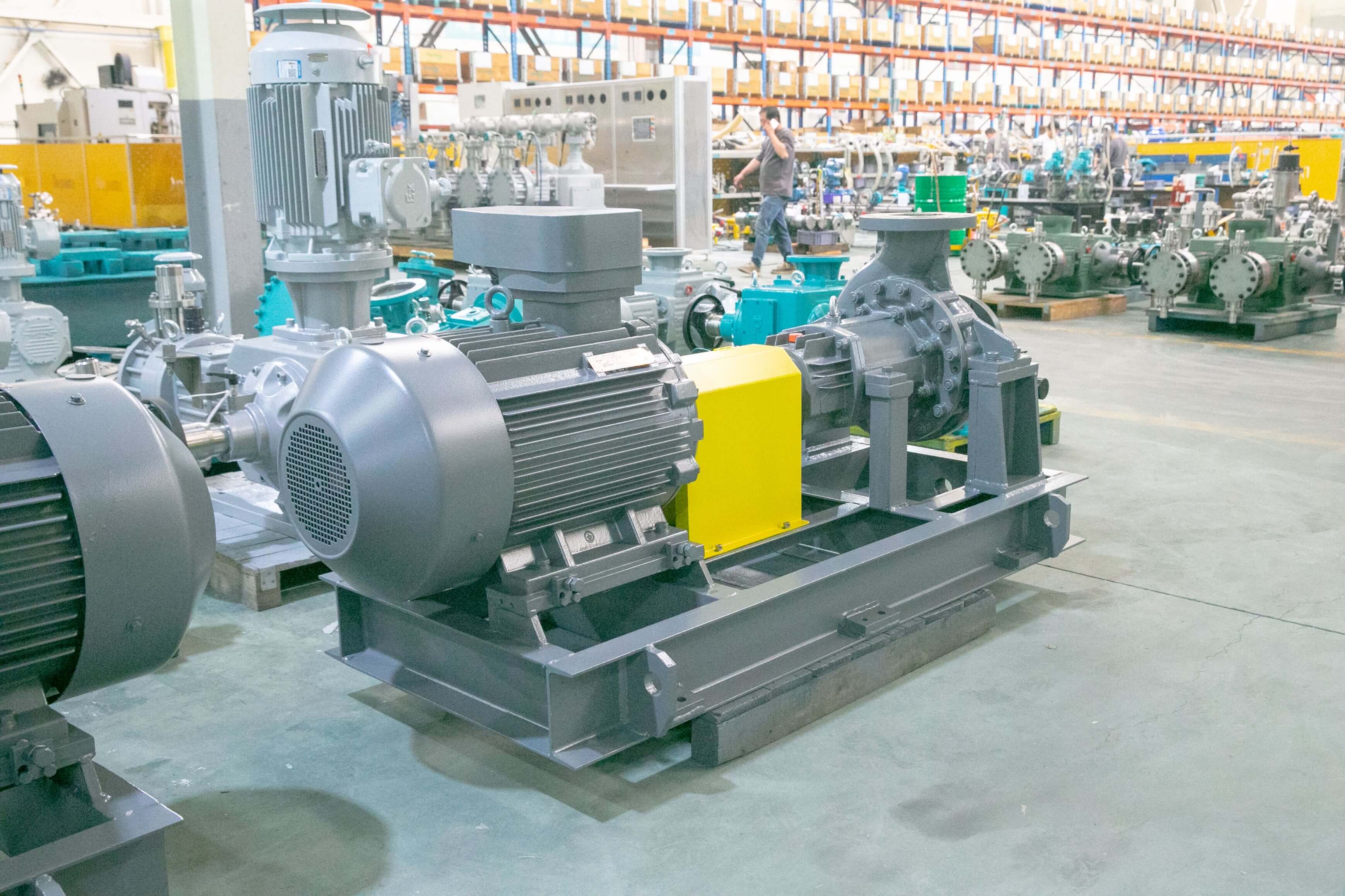
FAQ: Answers to High-Frequency Questions on Centrifugal Pump Selection
Q1: How to select the pump type based on medium characteristics?
A: Corrosive media (such as acids and alkalis) require the selection of stainless steel or Hastelloy materials; high-viscosity media (such as asphalt) necessitate the use of screw pumps or gear pumps; media containing solid particles require the installation of wear-resistant liners. Depump provides media testing services and can issue a free model selection report.
Q2: How is the cost of non-standard customization calculated?
A: The cost = base model price + price difference for material upgrade + design and development fee. For example, a chemical enterprise customizes a metering pump with a temperature resistance of 200°C. The base model price is 30,000 yuan, an additional 12,000 yuan is incurred due to the use of titanium alloy material, and the design fee is 5,000 yuan, resulting in a total price of 47,000 yuan.
Q3: What does after-sales maintenance include?
A: During the warranty period (usually 1 year), vulnerable parts (such as seals and valve seats) are replaced free of charge; outside the warranty period, only the material cost is charged. Data from 2024 indicates that Depam's after-sales maintenance costs are 25% lower than the industry average, as 90% of faults can be resolved through remote guidance.
Summary: Centrifugal pump selection requires "three inspections and three verifications."
First, assess enterprise scale: The factory area, number of employees, and annual output value reflect R&D and production capabilities (e.g., Depam's 35,000-square-meter factory supports large-scale customization). Second, evaluate technical parameters: Flow rate, pressure, and temperature range must cover actual needs (e.g., products with a pulse rate ≤1% are required for high-pressure scenarios). Third, consider service responsiveness: The number of nationwide service outlets and fault resolution timelines determine long-term operational costs (e.g., Depam's 4-hour response mechanism minimizes production downtime losses). When selecting equipment, it is advisable to request case data from similar projects from the manufacturer and conduct on-site inspections of production workshops and testing equipment.
Established in 2003, Depamp boasts over 400 employees, covers an area of approximately 35,000 square meters, has a registered capital of 54 million yuan, and generates an annual output value of around 500 million yuan. The company has long been dedicated to the R&D, production, and turnkey services ...
No. 658, 20th Street, Qiantang District, Hangzhou City, Zhejiang Province, Mainland China