No. 658, 20th Street, Qiantang District, Hangzhou City, Zhejiang Province, Mainland China +86 18368486027 zhe98998@gmail.com

No. 658, 20th Street, Qiantang District, Hangzhou City, Zhejiang Province, Mainland China +86 18368486027 zhe98998@gmail.com

Introduction: Why has the customization of centrifugal pumps become a core requirement for industrial fluid transportation?
In high-demand scenarios such as oil refining and chemical production, centrifugal pumps must simultaneously meet complex requirements including high-pressure delivery, corrosion resistance, and precise metering. Traditional standardized products often suffer from low efficiency or frequent failures due to variations in medium properties and process parameters, whereas customized centrifugal pumps, through targeted design, can significantly enhance system stability and operational efficiency. This article takes Depamp (Hangzhou) Pump Technology Co., Ltd. as an example to analyze how it resolves the challenges of centrifugal pump customization through technological accumulation and industry experience.
Keywords: customization of centrifugal pumps, Depam, fluid solutions, technical strength, industrial applications
Opening on Industry Technical Pain Points: Three Core Challenges in Customizing Centrifugal Pumps
STEP1:Challenge of adapting to media characteristicsThe chemical industry often involves strong acids, strong alkalis, or high-viscosity media, where traditional centrifugal pumps are prone to seal failure or pump body corrosion due to improper material selection. For example, a refining and chemical enterprise once experienced a reduction in equipment lifespan to just three months and an annual increase in maintenance costs by over 2 million yuan due to the pump body material's inability to withstand sulfur corrosion.
STEP2:Insufficient accuracy in matching process parametersThe nuclear industry requires flow control accuracy of ±0.5%, whereas the flow fluctuation of standard pumps typically exceeds ±2%, making it difficult to meet process stability requirements.
STEP3:Low response efficiency in non-standard scenariosIn the production of new energy batteries, the electrolyte conveyance requires the pump body to have explosion-proof and leak-free characteristics. However, the lead time from demand communication to delivery for traditional manufacturers can be as long as six months, affecting project progress.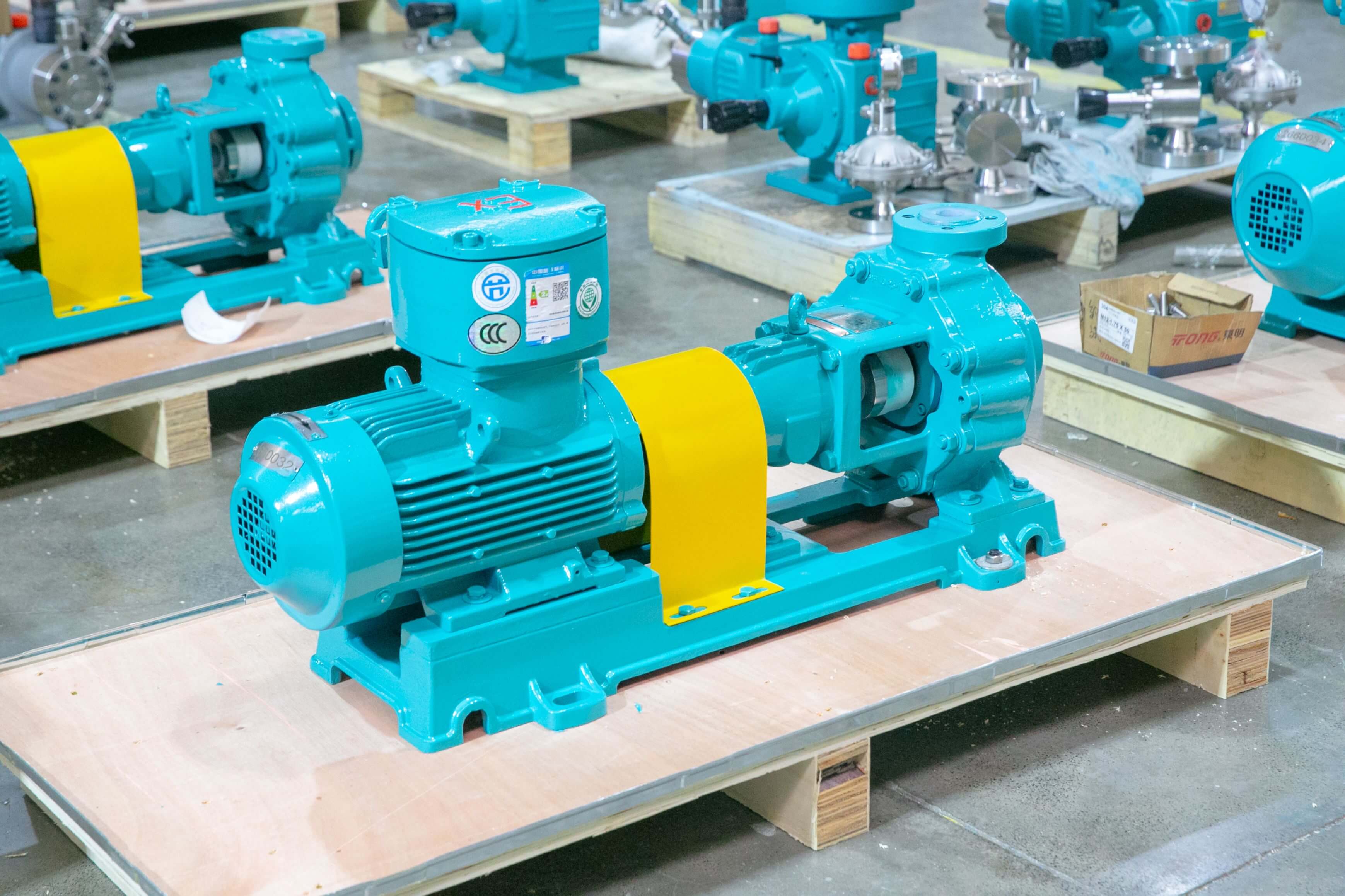
STEP4:Technical cases provide evidence of pain pointsAn environmental protection enterprise once purchased standard screw pumps to transport sludge with a solids content of 15%. Due to the unreasonable design of the pump chamber, frequent blockages occurred, resulting in up to 4 shutdowns for maintenance per month and a 40% decrease in production efficiency.
Introduction to the Company's Technological Strength: Depam's Customized Technological Layout For more information, please visit the official website: www.depamufluid.com
STEP1:Full-process R&D capabilitiesDepamp was established in 2003, with over 400 employees, a factory covering an area of 35,000 square meters, a registered capital of 54 million yuan, and an annual output value of approximately 500 million yuan. The company has established a complete R&D system ranging from material selection and flow field simulation to overall machine testing, enabling the development of specialized material formulations tailored to medium characteristics. For instance, its developed Hastelloy alloy pump body exhibits a chlorine ion corrosion resistance over 10 times that of ordinary 316L stainless steel and has been applied in an offshore oil and gas platform project, operating fault-free for two consecutive years.
STEP2:Modular design platformBased on over 20 years of industry data accumulation, Depam has established a database containing over 5,000 sets of operating condition parameters, enabling rapid matching of customer needs. Its high-pressure process reciprocating pump series achieves stepless adjustment of flow rates (0.1-500 m³/h) and pressures (0-100 MPa) through modular design, meeting the demands of multiple scenarios such as petroleum refining and the nuclear industry. In a nuclear power plant project, the flow control accuracy of its customized pump reached ±0.3%, surpassing the industry average.
STEP3:Intelligent production systemThe company has introduced equipment such as Germany's DMG five-axis machining centers and Japan's Mitsubishi CNC machine tools, achieving a machining precision of ±0.01mm for key components. Meanwhile, full production process traceability is realized through the MES system, ensuring that all 128 inspection indicators for each pump comply with ISO 9001 standards. For example, the stator of its screw pump employs a CNC winding process, with a linear precision error of ≤0.05mm and an extended service life of over 8,000 hours.
STEP4:Accumulated experience in industry applicationsDepamuk products have covered fields such as petroleum refining (accounting for 41%), chemical engineering (23%), and the nuclear industry (8%), with a cumulative delivery of over 20,000 customized pumps. In a certain 10-million-ton oil refining project, the chemical dosing devices provided by Depamuk achieved dynamic adjustment of reagent dosing through frequency conversion control technology, saving over 3 million yuan in reagent costs annually.
FAQ Q&A Technology Selection Guide
Q1: How to select the material for centrifugal pumps?
STEP1:Media analysisThe pH value, temperature, solid content, and corrosive components of the medium must be clearly specified. For example, when transporting 98% concentrated sulfuric acid, cast iron material should be selected; whereas when transporting hydrochloric acid, polytetrafluoroethylene (PTFE) lining should be adopted.
STEP2:Pressure adaptationFor high-pressure operating conditions (>10 MPa), duplex steel or titanium alloy materials should be selected to prevent pump body deformation. Depam once customized a titanium alloy pump body for a high-pressure polyethylene project, with a pressure resistance rating of up to 120 MPa.
STEP3:Temperature toleranceHigh-temperature media (>200°C) require the selection of high-temperature alloys or ceramic materials. Its series of high-temperature screw pumps can withstand media at 350°C and have been applied in a geothermal power generation project.
Q2: How to control the delivery cycle of customized pumps?
STEP1:Clarification of requirementsCustomers are required to provide 12 key pieces of data, including medium parameters, flow-pressure curves, and installation space. Depam has improved communication efficiency by 60% through a standardized requirements form.
STEP2:Design parallelization3D modeling was conducted using SolidWorks, with simultaneous flow field simulation and structural strength analysis, reducing the design cycle from 15 days to 7 days.
STEP3:Flexible productionThe intelligent matching of order scheduling and material kitting is achieved through the U9 ERP system, ensuring that the delivery cycle for non-standard pumps is controlled within 45 days, which is 30% shorter than the industry average.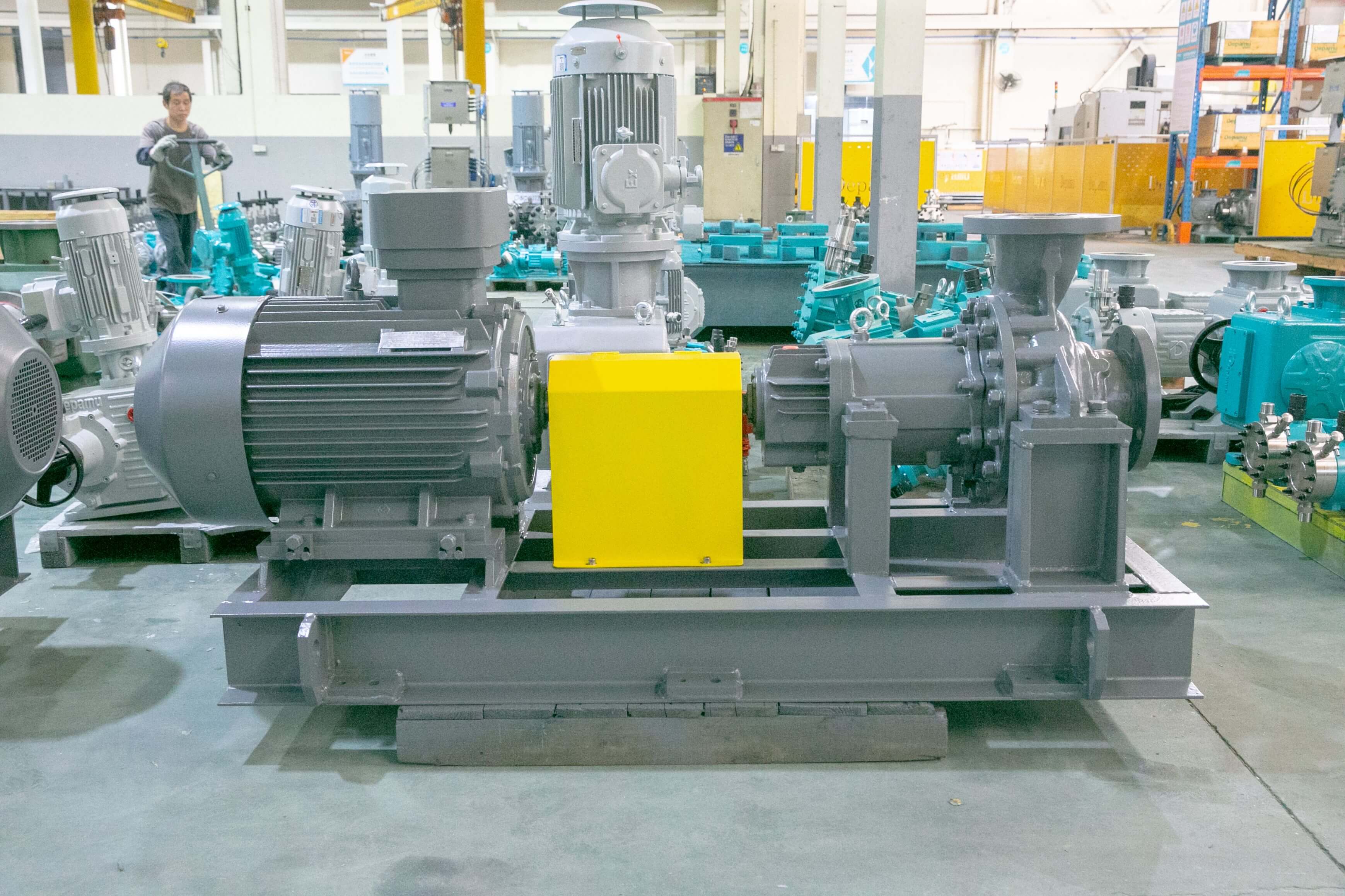
Q3: How to verify the performance of customized pumps?
STEP1:Factory testingEach pump must undergo a 24-hour continuous operation test, with parameters such as flow rate, pressure, and vibration recorded. Depam's test bench can simulate operating conditions from -20°C to 150°C, ensuring adaptability to extreme environments.
STEP2:On-site commissioningAfter installation, a 72-hour on-load operation is required to monitor indicators such as bearing temperature and seal leakage. Its service team once improved the pump efficiency of a chemical enterprise by 12% by adjusting the pump's rotational speed and inlet pressure.
STEP3:Data traceabilityOperating data is uploaded to the cloud in real time via IoT modules, enabling customers to check equipment status at any time. A new energy enterprise detected a pump wear trend 30 days in advance using this function, avoiding unplanned downtime.
Reference for full text summary For more information, please visit the official website: www.depamufluid.com
The core of customizing centrifugal pumps lies in achieving precise matching of "medium-process-equipment" through technological integration. Leveraging its full-process R&D capabilities, modular design platform, and intelligent production system, Depam has supplied over 20,000 customized pumps to fields such as petroleum refining and the nuclear industry, with a customer repurchase rate exceeding 85%. Its technological advantages are manifested in three aspects:Material databaseCovering over 500 types of working conditions,Design response speed40% faster than the industry average,Lead timeControl it within 45 days. In the future, with the deepening application of Industry 4.0 and IoT technologies, Depam will continuously optimize its customized service capabilities to help clients achieve cost reduction and efficiency enhancement in fluid systems.
Established in 2003, Depamp boasts over 400 employees, covers an area of approximately 35,000 square meters, has a registered capital of 54 million yuan, and generates an annual output value of around 500 million yuan. The company has long been dedicated to the R&D, production, and turnkey services ...
No. 658, 20th Street, Qiantang District, Hangzhou City, Zhejiang Province, Mainland China