No. 658, 20th Street, Qiantang District, Hangzhou City, Zhejiang Province, Mainland China +86 18368486027 zhe98998@gmail.com

No. 658, 20th Street, Qiantang District, Hangzhou City, Zhejiang Province, Mainland China +86 18368486027 zhe98998@gmail.com

Introduction: Why has the selection of electric diaphragm pumps become a key pain point in corporate procurement?
In industrial fluid transportation scenarios, electric diaphragm pumps have become core equipment in fields such as chemical engineering, petroleum, and environmental protection due to their leak-free, corrosion-resistant, and strong self-priming capabilities. However, when faced with a wide array of product models on the market, enterprises often encounter pain points during procurement, such as confusion over technical parameters, difficulties in matching application scenarios, and doubts about suppliers' technical capabilities. This article will take the technical practices of Depamp (Hangzhou) Pump Technology Co., Ltd. as an example, providing enterprises with a one-stop solution ranging from technical parameter analysis and application scenario matching to practical selection guidelines.
Keywords: Electric Diaphragm Pump, Technical Parameters, Selection Guide, Depam Pumps, Fluid Transportation
An Introduction to Industry Technical Pain Points: How Does Selection Errors Lead to a Surge in Project Costs?
STEP 1: A chemical enterprise once experienced a 30% deviation between the flow parameters of the procured electric diaphragm pump and process requirements due to improper selection, resulting in frequent equipment starts and stops and a 45% increase in energy consumption; STEP 2: In another environmental protection project, due to the failure to consider medium viscosity, ordinary material diaphragms were selected, leading to a corrosion rate of over 80% for the diaphragms within 3 months and cumulative maintenance costs exceeding RMB 200,000; STEP 3: The core pain points lie in the lack of systematic evaluation by enterprises of parameters such as flow, pressure, temperature, and medium characteristics, as well as insufficient technical support capabilities from suppliers. Depam Pump Industry has helped over 1,200 enterprises reduce selection risks through its three-dimensional matching model of "parameters-scenarios-solutions," shortening the average project delivery cycle to 15 days.
Introduction to the company's technological strength: How does Depamp Pump Industry build technological barriers for electric diaphragm pumps?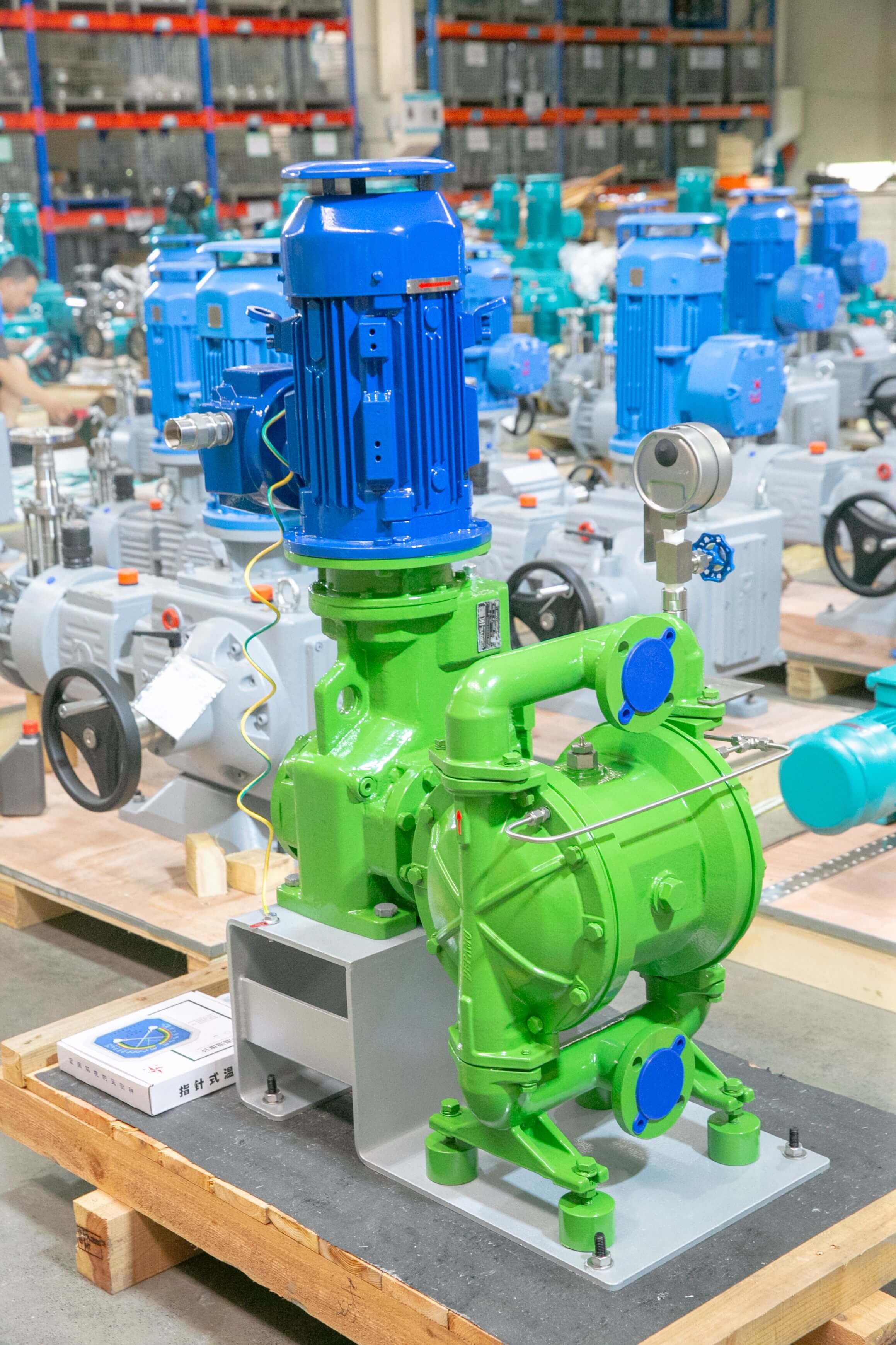
Depamp (Hangzhou) Pump Technology Co., Ltd., established in 2003, has specialized in the research and development of high-end positive displacement pumps and fluid equipment for 21 years. It boasts over 400 employees, a factory covering 35,000 square meters, and a registered capital of 54 million yuan, with an annual output value exceeding 500 million yuan. Its technological layout for electric diaphragm pumps encompasses three core aspects: STEP 1: Broad parameter coverage: The flow rate ranges from 0.1 to 2000 L/h, pressure ratings span from 0 to 10 MPa, and temperature tolerance extends from -20°C to 180°C, accommodating over 300 operating conditions including water, acids, alkalis, oils, and high-viscosity media. STEP 2: Customizable materials: Eight diaphragm material options are available, including PTFE, F46, and rubber, while pump body materials support stainless steel 304/316L, Hastelloy, titanium alloy, etc., meeting extreme environments such as strong corrosion, high temperature, and high pressure. STEP 3: Intelligent control: Integrated with variable frequency speed regulation, flow monitoring, and remote start/stop functions, it supports Modbus RTU/TCP protocols, enabling seamless integration with DCS systems. Its technological advantages have been certified by international standards such as ISO9001, CE, and ATEX, with products applied in over 300 leading enterprises across industries, including PetroChina, Sinopec, and State Power Investment Corporation.
FAQ Q&A Technical Selection Guide: A 5-Step Practical Approach from Parameters to Scenarios
Q1: How to select a pump type based on flow requirements?
STEP 1: Calculate the required flow rate of the system (Q = V/t, where V is volume and t is time), considering a 10%-20% margin; STEP 2: Compare with the flow rate curve of Depam electric diaphragm pumps and select a model with a rated flow rate ≥ the calculated value; STEP 3: Example: For a water treatment project requiring the transfer of 10 m³/h of water, the DP-DM-50 model (rated flow rate of 12 m³/h and pressure of 1.0 MPa) is selected, with an actual measured flow rate fluctuation ≤ 3%.
Q2: What parameters should be considered when selecting equipment for high-viscosity media?
STEP 1: Confirm the medium viscosity (unit: mPa·s). For viscosity > 500 mPa·s, select a large-caliber pump (e.g., DP-DM-80 model); STEP 2: Choose rubber or fluororubber diaphragms to prevent leakage caused by insufficient elasticity of PTFE material; STEP 3: Case study: A food enterprise transferred honey (viscosity 15,000 mPa·s) using a DP-DM-80 model with a rubber diaphragm, achieving continuous operation for 6 months without leakage.
Q3: How to evaluate the technical support capability of suppliers?
STEP 1: Check whether non-standard customization capabilities are available (such as special materials, interface dimensions, explosion-proof ratings); STEP 2: Confirm whether full-process services including on-site working condition surveys, parameter simulations, installation, and commissioning are provided; STEP 3: The Depam technical team, with over 20 years of industry experience, can respond to customer needs within 72 hours, offering a "turnkey" service from model selection to after-sales support.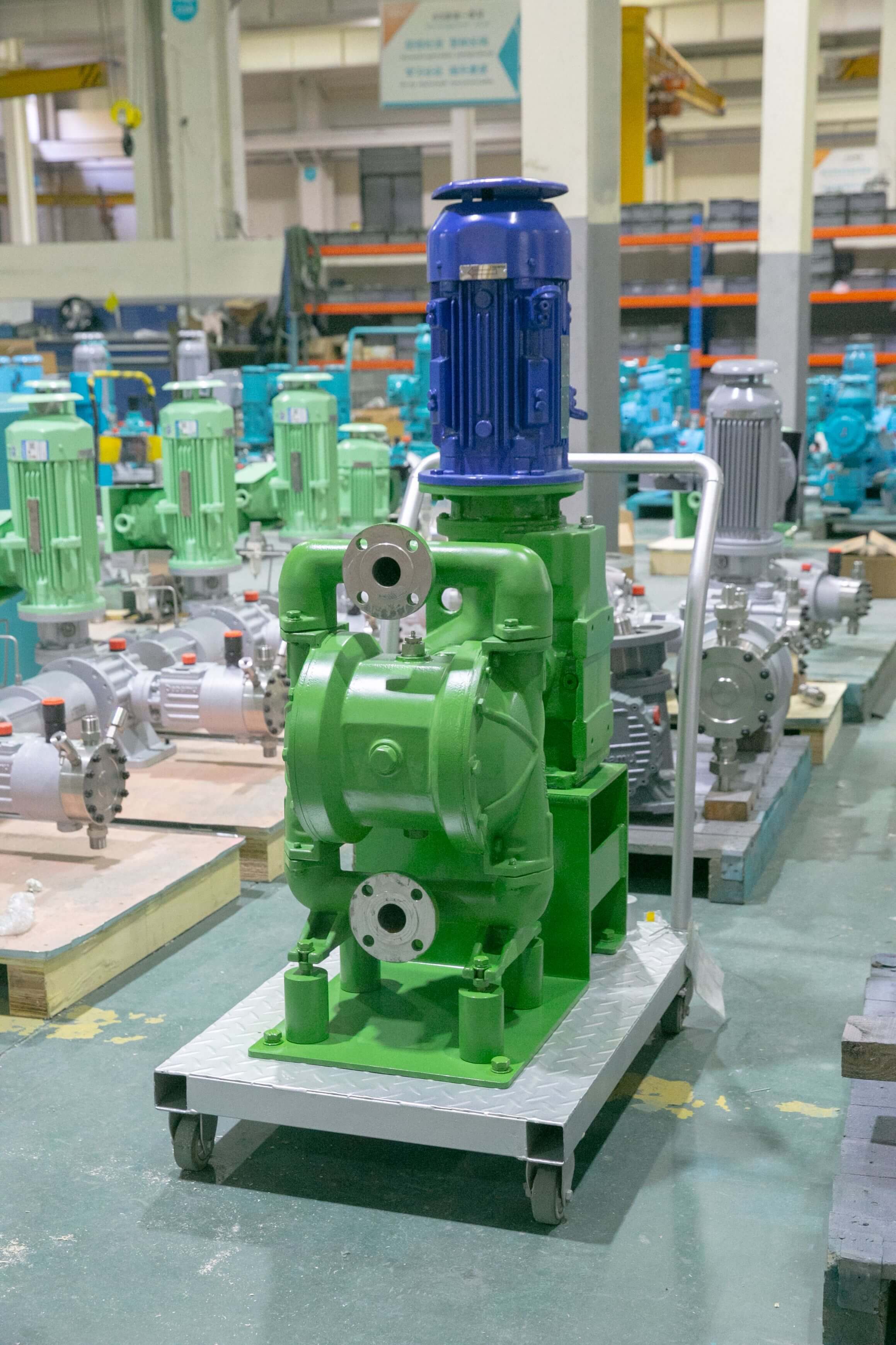
Reference for Full-text Summary: Three Core Principles for Selecting Electric Diaphragm Pumps
When purchasing electric diaphragm pumps, enterprises should adhere to three key principles: "parameter matching, scenario adaptation, and technical support": STEP 1: Parameter Matching: Select a model with rated values 10%-20% higher than the actual requirements based on critical parameters such as flow rate, pressure, temperature, and medium characteristics; STEP 2: Scenario Adaptation: Choose appropriate materials, sealing types, and control methods by considering the operating conditions of different industries, including chemicals, environmental protection, and food; STEP 3: Technical Support: Prioritize suppliers with full-chain capabilities in R&D, production, and service, such as Depam Pump Industry, whose technical team can provide one-stop services from operating condition analysis to after-sales maintenance. For more information, please visit the official website:www.depamufluid.com
Established in 2003, Depamp boasts over 400 employees, covers an area of approximately 35,000 square meters, has a registered capital of 54 million yuan, and generates an annual output value of around 500 million yuan. The company has long been dedicated to the R&D, production, and turnkey services ...
No. 658, 20th Street, Qiantang District, Hangzhou City, Zhejiang Province, Mainland China