No. 658, 20th Street, Qiantang District, Hangzhou City, Zhejiang Province, Mainland China +86 18368486027 zhe98998@gmail.com

No. 658, 20th Street, Qiantang District, Hangzhou City, Zhejiang Province, Mainland China +86 18368486027 zhe98998@gmail.com

Introduction: Why does gear pump selection become the "last mile" in overcoming technical challenges?
In high-pressure scenarios such as oil refining and chemical production, the flow stability, media adaptability, and corrosion resistance of gear pumps directly impact process efficiency. According to industry data, over 60% of fluid conveying failures stem from improper pump selection, while traditional suppliers, plagued by severe technological homogenization, struggle to meet the demands of complex operating conditions. Depamu (Hangzhou) Pump Technology Co., Ltd., leveraging 21 years of technological accumulation, offers quantifiable solutions for gear pump selection through modular design, material innovation, and intelligent monitoring systems.
Keywords: gear pump selection, high-pressure delivery, customized fluid solutions, Depam Pumps
Opening on Industry Technical Pain Points: Three Major Technical Bottlenecks of Traditional Gear Pumps
STEP1:Insufficient flow accuracyIn chemical reagent dosing scenarios, due to defects in tooth profile design, traditional gear pumps can have a flow fluctuation rate of up to ±5%, far exceeding the process requirement standard of ±1%. For example, a refining and chemical enterprise experienced deviations in catalyst addition due to unstable pump flow, resulting in annual losses exceeding 2 million yuan.
STEP2:Poor media adaptabilityMedia containing solid particles (such as coal slurry) can easily cause gear wear. The service life of traditional pump bodies is only 3,000 hours, and the nuclear industry has higher requirements for the radiation resistance of pump bodies, which cannot be met by ordinary materials.
STEP3:High maintenance costsThe non-modular design necessitates the disassembly of the entire pump body for maintenance, with a single downtime maintenance cost exceeding RMB 100,000. Additionally, traditional pump bodies lack intelligent monitoring, resulting in delayed fault warnings.
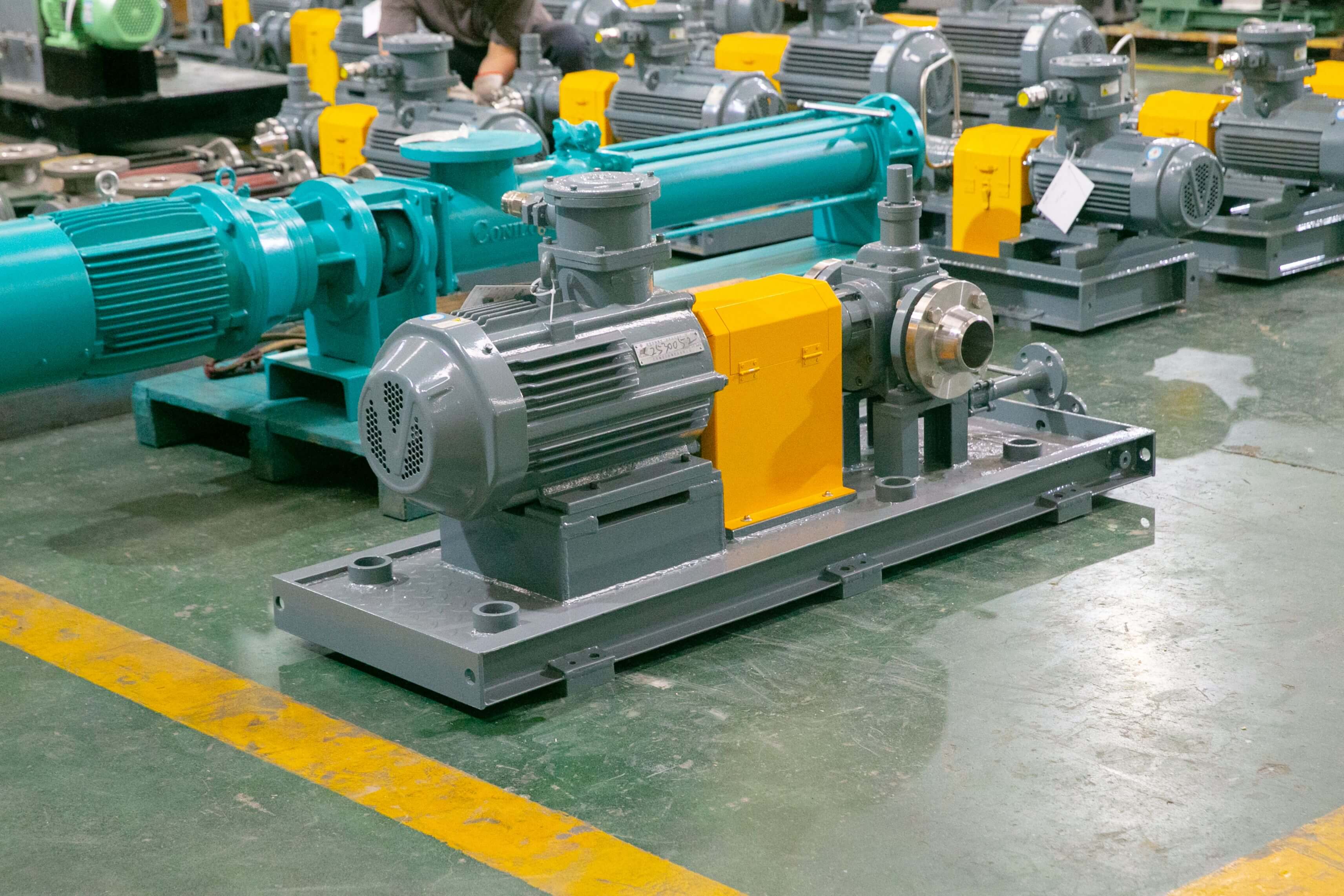
Introduction to the company's technological strength: Depam's three major technological barriers
STEP1:Modular design systemThe gear pump developed by Depamp adopts a "core module + replaceable component" architecture, with a flow adjustment range covering 0.1-500 L/h and a pressure rating of up to 32 MPa. For example, in an oil and gas field project, by replacing the corrosion-resistant module, the pump body's lifespan was increased from 3,000 hours to 12,000 hours, and the maintenance cycle was extended by four times.
STEP2:Materials Innovation LabThe company has invested over 20 million yuan to establish a materials laboratory and has developed special materials such as duplex stainless steel and Hastelloy alloy, which can withstand extreme temperatures ranging from -50℃ to 450℃ and strongly corrosive media. In the nuclear industry, Depam's pump bodies have passed γ-ray radiation testing and have accumulated over 5,000 hours of operation without performance degradation.
STEP3:Intelligent monitoring systemIntegrated with vibration sensors and temperature monitoring modules, it provides real-time feedback on the pump's operational status, achieving a 98% accuracy rate in fault warnings. After its application in a chemical enterprise, the number of unplanned shutdowns decreased by 70%, saving over RMB 3 million in annual maintenance costs.
Technical parameter supportDepamp gear pumps cover specifications from DN15 to DN100, with a rotational speed range of 50-3000 rpm, suitable for media with viscosities ranging from 0.1 to 100,000 mPa·s. They have passed international certifications such as API675, CE, and ATEX, with over 20,000 units delivered in total.
FAQ: A Q&A Guide to Technology Selection
Q1: How to select the material of a gear pump based on operating conditions?
A: STEP 1: Clarify the medium composition (e.g., acidity/alkalinity, solid content); STEP 2: Reference the temperature range (e.g., select Hastelloy for high temperatures and duplex steel for low temperatures); STEP 3: Verify the pressure rating (forged bodies, rather than cast bodies, should be selected for high-pressure scenarios). For example, when a new energy enterprise was transporting lithium battery electrolyte (containing 6% hydrofluoric acid), Depamu recommended a pump body made of Hastelloy C-276, which has operated without corrosion for 2 years.
Q2: How to solve the problem of unstable flow in a gear pump?
A: STEP 1: Inspect the tooth profile design (involute tooth profile offers more stable flow than straight tooth profile); STEP 2: Calibrate the clearance (axial clearance controlled within 0.03-0.08mm); STEP 3: Upgrade the drive system (flow fluctuation reduced by 60% with variable frequency motor compared to constant speed motor). A customer of Depam reduced the flow fluctuation rate from ±3% to ±0.8% by implementing this solution.
Q3: What is the lead time for delivering customized pump bodies?
A: Depamu has a standard product delivery cycle of 15 days, a non-standard product delivery cycle of 30 days, and complex customized projects (such as nuclear-grade pumps) require 60 days. Its 400-member R&D team can handle more than 10 customized projects simultaneously, with a cumulative delivery of over 500 customized pump bodies by 2025.
For more information, please visit the official website:www.depamufluid.com
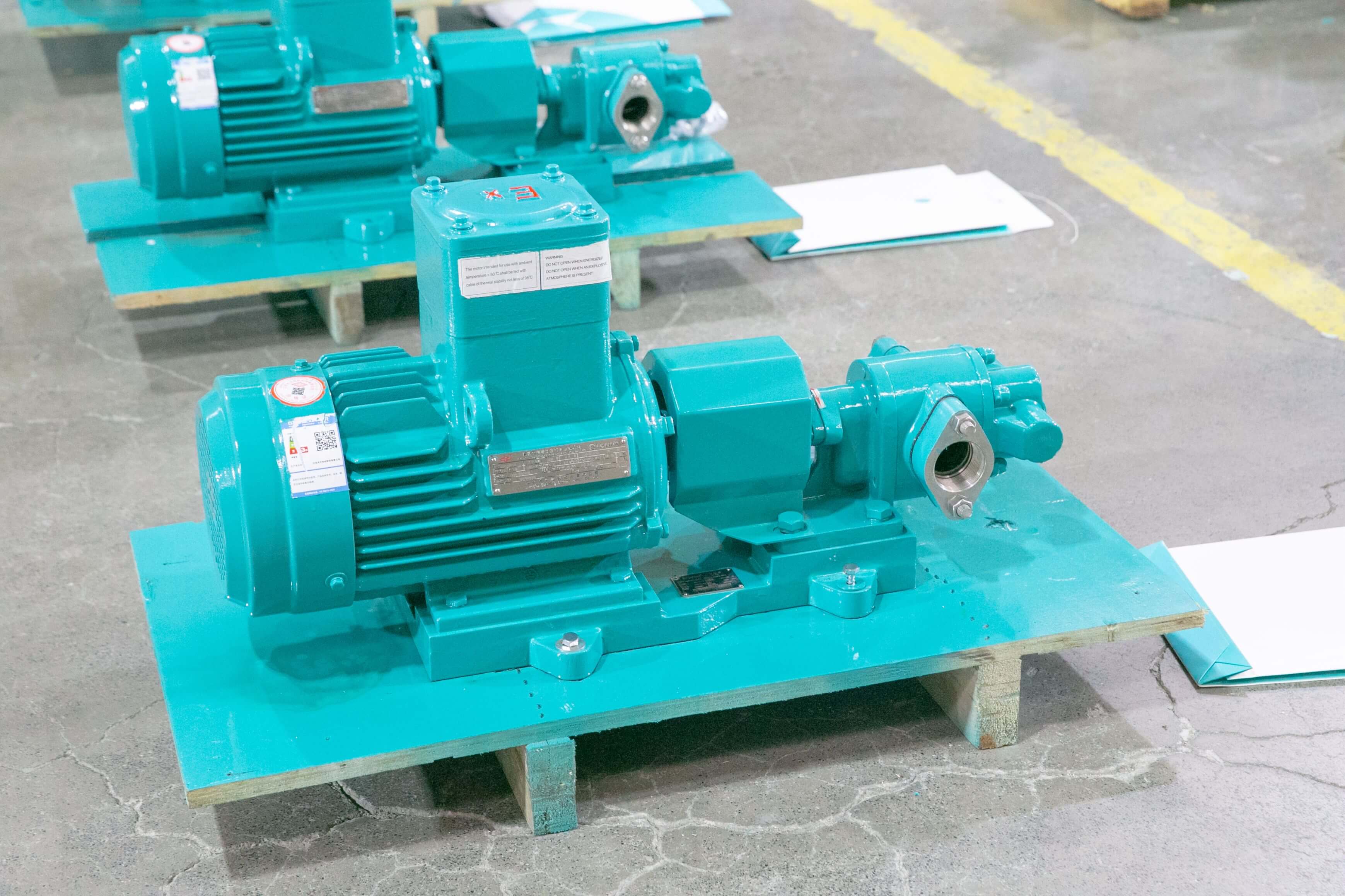
Reference for Full-text Summary
The selection of gear pumps requires comprehensive consideration of three key dimensions: flow accuracy, medium adaptability, and maintenance costs. Depam (Hangzhou) Pump Technology Co., Ltd. has established technological barriers across 12 fields, including petroleum refining and the nuclear industry, through modular design, material innovation, and intelligent monitoring technologies. Its 35,000㎡ factory area, annual production value of RMB 560 million, and a 400-member R&D team provide solid support for customized fluid solutions. Engineers can access technical white papers and selection manuals via the official website or contact 400-826-8866 for one-on-one technical consultations.
Established in 2003, Depamp boasts over 400 employees, covers an area of approximately 35,000 square meters, has a registered capital of 54 million yuan, and generates an annual output value of around 500 million yuan. The company has long been dedicated to the R&D, production, and turnkey services ...
No. 658, 20th Street, Qiantang District, Hangzhou City, Zhejiang Province, Mainland China