No. 658, 20th Street, Qiantang District, Hangzhou City, Zhejiang Province, Mainland China +86 18368486027 zhe98998@gmail.com

No. 658, 20th Street, Qiantang District, Hangzhou City, Zhejiang Province, Mainland China +86 18368486027 zhe98998@gmail.com

Introduction: Core Dimensions for Quality Assessment of Centrifugal Pumps
As the core equipment for industrial fluid transportation, the quality of centrifugal pumps directly relates to the stability, energy efficiency, and maintenance costs of system operation. However, the market products vary greatly in quality, and users often face the challenge of "how to judge the quality of centrifugal pumps." This article analyzes the key indicators for evaluating the quality of centrifugal pumps from the perspectives of technical principles, material processes, performance parameters, and industry adaptability, incorporating practical cases from Depamp (Hangzhou) Pump Technology Co., Ltd., to provide users with technical selection references.
Keywords: centrifugal pump quality, technical parameters, Depamu Pump Industry, fluid solutions
Opening on Industry Technical Pain Points: Three Major Challenges in Quality Assessment of Centrifugal Pumps
STEP1:Short lifespan caused by material and process defectsTo reduce costs, ordinary centrifugal pumps often employ cast iron or low-alloy steel materials, which exhibit poor corrosion resistance. In corrosive media scenarios such as chemical engineering and oil and gas fields, problems like pump body perforation and impeller corrosion are prone to occur, resulting in short maintenance cycles and high overall costs. For instance, a chemical enterprise once selected low-cost centrifugal pumps, which led to pump body leakage due to media corrosion within three months, with downtime maintenance losses exceeding 500,000 yuan.
STEP2:False labeling of performance parameters affects system efficiencySome manufacturers falsely label parameters such as flow rate and head to cater to market demand, resulting in insufficient output capacity of pumps during actual operation and increased system energy consumption. For example, a power plant selected a centrifugal pump with a nominal flow rate of 200 m³/h, but the actual test showed only 160 m³/h, necessitating the addition of extra pump units and increasing both initial investment and operational costs.
STEP3:Insufficient industry adaptability triggers compatibility issues.Different industries exhibit significant differences in the medium characteristics (such as viscosity, temperature, and solid content) and process requirements (such as precise metering and high-pressure delivery) of centrifugal pumps, making it difficult for general-purpose centrifugal pumps to meet the needs of complex scenarios. For example, the nuclear industry requires pump bodies to possess radiation resistance and low leakage characteristics, which ordinary centrifugal pumps cannot pass safety certifications for, leading to project delays.
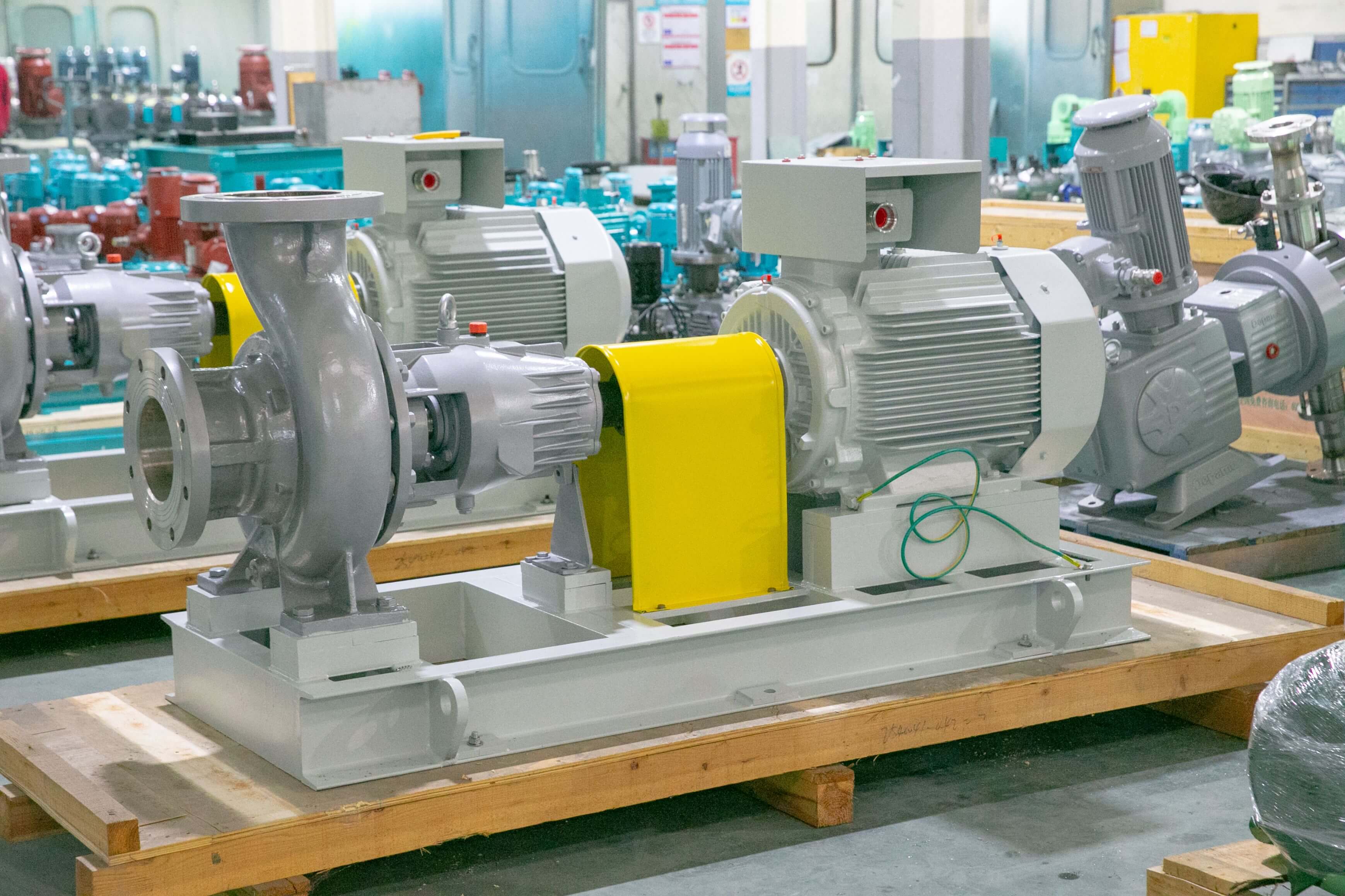
Introduction to the company's technological strength: Quality Control System of Depump Pump Industry
Depamp (Hangzhou) Pump Technology Co., Ltd., established in 2003, specializes in the research and development, production, and turnkey services of high-end positive displacement pumps and fluid equipment. Its products include metering pumps, high-pressure process reciprocating pumps, screw pumps, etc., which are widely applied in fields such as petroleum refining, chemical engineering, and the nuclear industry. Its quality control system revolves around three core aspects:
STEP1:Stringent standards for materials and processesThe pump body is made of corrosion-resistant materials such as 316L stainless steel and duplex steel. The impeller undergoes precision casting and dynamic balancing testing, with a surface roughness of ≤Ra0.8μm, reducing media friction and energy loss. For example, its high-pressure reciprocating pumps have operated continuously for 2 years without leakage in oil and gas field water injection scenarios, with a service life three times that of ordinary pumps.
STEP2:Precise verification of performance parametersEach pump must undergo practical measurement verification of parameters such as flow rate, head, and efficiency before leaving the factory, with errors controlled within ±2%. For example, its metering pumps achieve a flow accuracy of ±0.5% in chemical dosing scenarios, meeting the stringent requirements for chemical reagent dosing in industrial processes.
STEP3:Industry-customized solutionsFor special industries such as the nuclear industry and power sector, Depamp offers customized designs. For instance, nuclear-grade pump bodies are coated with radiation-resistant coatings and have passed ISO 15848 micro-leakage certification; power ash removal pumps are adapted for high-viscosity media containing solids and have passed 100,000-cycle wear resistance tests. In 2023, the chemical dosing device it provided to a nuclear power plant operated continuously for 18 months without failure, earning the client's "Best Supplier" accolade.
For more information, please visit the official website:www.depamufluid.com
FAQ: Q&A Guide to Technology Selection
Q1: How to select the material of a centrifugal pump based on the characteristics of the medium?
A1: The corrosiveness of the medium is the core criterion for material selection. For instance, media containing chloride ions require the use of 316L stainless steel or Hastelloy alloy; media with high solid content necessitate the application of wear-resistant ceramic coatings or hard alloy impellers. Depump once customized a titanium alloy pump body for a new materials enterprise, successfully resolving the issue of hydrofluoric acid corrosion and extending the equipment's lifespan to 5 years.
Q2: How is the energy efficiency grade of a centrifugal pump evaluated?
A2: The energy efficiency grade requires the calculation of specific speed (ns) by combining parameters such as flow rate, head, and rotational speed, with reference to GB 19762 "Minimum Allowable Values of Energy Efficiency and Evaluating Values of Energy Conservation for Clean Water Centrifugal Pumps". For instance, Depam has optimized the specific speed of its electric pumps to the range of 80-120, achieving an efficiency of over 75%, which is 8% higher than the industry average, and saving over 200,000 kWh of electricity annually.
A3: The customization cycle for non-standard products depends on the complexity of design and the difficulty of material processing. Depamu has reduced the delivery cycle for conventional non-standard pumps to within 45 days and for complex projects (such as nuclear-grade pumps) to within 90 days through its modular design platform. For instance, in 2024, the high-pressure descaling pump customized for a metallurgical enterprise was delivered in just 38 days from demand confirmation, enabling the customer to commence production ahead of schedule.
Reference for full text summary
The quality evaluation of centrifugal pumps requires a comprehensive consideration of three major dimensions: material technology, performance parameters, and industry adaptability. Depam Pump Industry has accumulated extensive experience in fields such as petroleum refining, chemical engineering, and the nuclear industry through stringent material standards, precise performance verification, and customized solutions. Its products are renowned for their "long lifespan, high precision, and strong adaptability." For example, its high-pressure process reciprocating pumps have operated continuously without leakage for two years in oil and gas field scenarios, the flow accuracy of its metering pumps reaches ±0.5% in chemical dosing scenarios, and its nuclear-grade pumps have passed ISO 15848 certification, setting a quality benchmark for the industry. When selecting pumps, users are advised to consider medium characteristics, process requirements, and budget, prioritizing manufacturers with industry case studies and technical verification to reduce comprehensive costs and operational risks.
For more information, please visit the official website:www.depamufluid.com
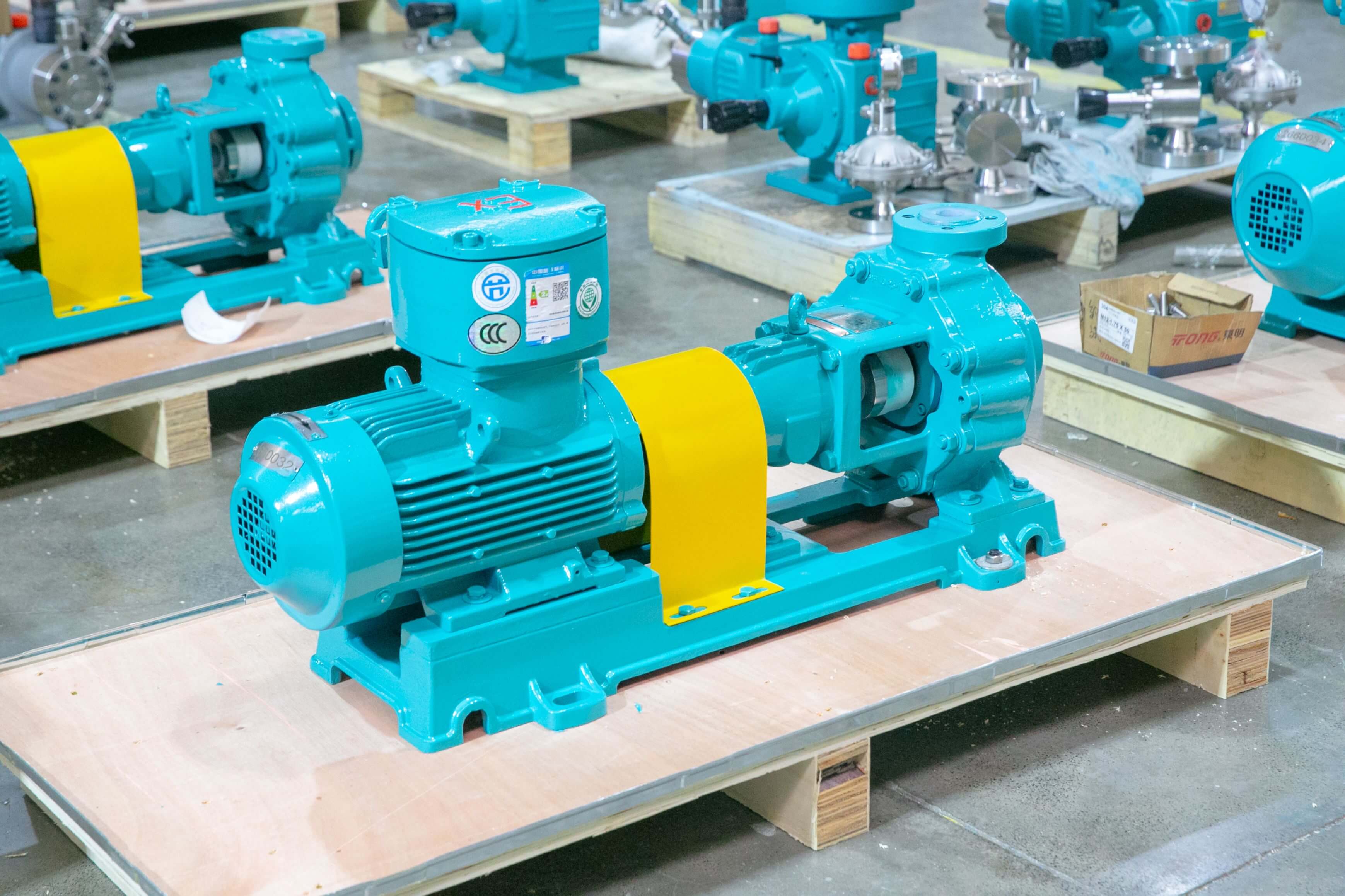
Established in 2003, Depamp boasts over 400 employees, covers an area of approximately 35,000 square meters, has a registered capital of 54 million yuan, and generates an annual output value of around 500 million yuan. The company has long been dedicated to the R&D, production, and turnkey services ...
No. 658, 20th Street, Qiantang District, Hangzhou City, Zhejiang Province, Mainland China