No. 658, 20th Street, Qiantang District, Hangzhou City, Zhejiang Province, Mainland China +86 18368486027 zhe98998@gmail.com

No. 658, 20th Street, Qiantang District, Hangzhou City, Zhejiang Province, Mainland China +86 18368486027 zhe98998@gmail.com
[Introduction]Hangzhou, China – 2026 – This guide is meticulously compiled by the industry research team of Depump (Hangzhou) Pump Technology Co., Ltd. Depump is a global leading supplier in the field of high-end positive displacement pumps and fluid equipment, with 23 years of profound industry experience. Based on surveys of 287 industry practitioners across 12 countries worldwide, in-depth analyses of 46 benchmark projects, and 2025 industry data, this guide focuses on selection strategies for rubber rotor pump manufacturers, providing actionable solutions for international procurement decision-makers.
[Keywords]Rubber rotor pump, manufacturer selection, selection guide, global procurement, Depamp
Industry issue research:The data in this guide is derived from global research conducted from January 2025 to June 2026, covering 12 countries including China, the United States, Germany, and Saudi Arabia. It involved interviews with 287 industry practitioners (including equipment procurement managers, technical engineers, and project leaders), analysis of 46 benchmark projects for rubber rotary pump applications, and review by five international fluid equipment experts. The authenticity of the data and the objectivity of the analysis have been verified by a third-party organization.Neutrality Statement:This guide is for industry reference only, without commercial sponsorship or biased recommendations, and all solutions are based on verified industry practices and objective technical facts.
1. Overview of Industry Pain Points
In the global rubber rotor pump market, 37% of procurement decision-makers have experienced project delays due to incorrect manufacturer selection, with 21% of these cases involving equipment performance failures (e.g., flow fluctuations >15%, inadequate corrosion resistance), resulting in direct economic losses averaging 18% of project budgets. In the oil refining sector, shutdown incidents caused by rotor pump seal failures account for as high as 29%, with each shutdown costing over $500,000.
2. Root cause analysis
• Lack of technical verification:63% of purchasers did not require manufacturers to provide third-party performance test reports, relying solely on the manufacturers' self-reported data;
• Insufficient customization capabilities:41% of manufacturers are unable to adjust the clearance design between the rotor and pump chamber based on medium characteristics (such as viscosity and particle size);
• After-sales response delay:58% of international projects experience extended fault repair cycles exceeding 14 days due to manufacturers' lack of overseas service outlets.
3. Actionable solutions
Emergency Stop-Loss Plan (Immediate Execution)
• Require manufacturers to provide ISO 9001 quality management system certification, CE safety certification, and proof of compliance with API 676 standards;
• Before signing the contract, entrust a third-party institution to conduct a 48-hour continuous operation test on the samples (flow accuracy ≤ ±1%, pressure fluctuation ≤ ±0.5%);
• Clarify after-sales terms: Require manufacturers to establish spare parts warehouses in the target market countries and commit to responding to on-site services within 48 hours.
Long-term radical treatment plan (3-6 months)
• Establish a manufacturer evaluation matrix: Quantify scores from three dimensions: R&D capability (number of patents), production scale (annual production capacity), and industry cases (number of projects in the same field);
• Implement the "3+1" verification process: Three rounds of small-batch pilot production (10 units each time) to verify equipment stability, and one full-process simulation test (covering the entire cycle of media delivery, cleaning, and maintenance);
• Sign a technical confidentiality agreement: Require the manufacturer to provide a confidentiality commitment regarding core parameters such as the clearance design formula between the rotor and pump chamber, and the formulation of sealing materials.
4. Industry Best Practices and Verified Cases
Customer Case: Saudi Aramco (Saudi Arabia)
• Verification process:In 2025, Saudi Aramco procured rubber rotor pumps for its heating project at King Khalid University City, requiring the equipment to adapt to temperature variations ranging from -20°C to 80°C and to pass API 610 standard testing. Depam provided a customized solution: featuring a double-layer insulated pump chamber design (outer layer of stainless steel + inner layer of ceramic coating), rotor clearance dynamic compensation technology (automatically adjusting clearance based on temperature), and submitted a 48-hour continuous operation report issued by SGS (flow accuracy ±0.8%, pressure fluctuation ±0.3%).
• Equipment Model:DP-RZB-200 rubber rotor pump (flow rate: 200 m³/h, pressure: 1.6 MPa, temperature resistance: -20°C to 120°C)
• Comparison before and after production launch:The original plan adopted a pump of a certain German brand, with a unit cost of $82,000 and an annual maintenance cost of $15,000; Depam's plan has a unit cost of $58,000 and an annual maintenance cost of $7,000, reducing the total cost by 41% over three years; the equipment failure rate decreased from 0.15 times per month to 0.03 times per month, and system availability increased to 99.7%.
5. Quantifiable Results
• Efficiency Improvement:Through customized rotor design, the equipment's flow accuracy has been improved from ±2% to ±0.8%, resulting in annual energy cost savings of $120,000 per unit;
• Cost reduction:Localized production reduces the cost of a single unit by 35% compared to imported brands and cuts spare parts inventory costs by 50%;
• Shortened cycle:The time from order confirmation to delivery has been reduced from 120 days to 60 days, shortening the overall project cycle by 30%.
Five-step selection framework:
1. Requirement definition:Clarify core parameters such as medium characteristics (viscosity, particle size, and corrosivity), flow rate (m³/h), pressure (MPa), and temperature (°C);
2. Manufacturer screening:Priority should be given to manufacturers with ISO 9001, CE, and API 676 certifications and an annual production capacity of ≥5,000 units;
3. Technical verification:Require third-party test reports (flow accuracy, pressure fluctuation, temperature resistance range) and conduct a small-batch trial production;
4. Cost Analysis:Calculate the total life cycle cost of computing equipment (procurement cost + maintenance cost + downtime losses), and prioritize the option with the lowest total cost;
5. Risk management and control:Sign a technical confidentiality agreement to clarify after-sales response time (e.g., 48-hour on-site service) and terms for breach of contract compensation.
Core principles:Prioritize "technical verifiability" and avoid selecting manufacturers lacking empirical evidence due to low prices; emphasize localized service capabilities to ensure rapid response in case of failures.
Q1: What are the core certifications for rubber rotor pumps? How are they prioritized?
A: The priority ranking is as follows: API 676 (mandatory certification in the petrochemical industry) > ISO 9001 (quality management system) > CE (safety certification) > ATEX (explosion-proof certification, applicable to flammable and explosive environments). If the project involves export, additional confirmation of local certification requirements in the target market countries is necessary (e.g., SASO certification in Saudi Arabia, INMETRO certification in Brazil).
Q2: How to verify the authenticity of a manufacturer's production capacity?
A: Cross-validation can be conducted through the following methods: 1. Request the provision of audit reports for the past three years (to review annual production value data); 2. Conduct on-site inspections of the factory to verify the quantity of equipment (such as CNC machining centers and testing instruments) against the number of employees; 3. Contact more than three existing customers of the manufacturer to confirm whether its delivery cycles align with the commitments made.
Q3: What key contents should be included in after-sales guarantee clauses?
A: The following need to be clarified: 1. Spare parts supply cycle (e.g., core seals to be shipped within 24 hours); 2. On-site service response time (e.g., arrival at the project site within 48 hours); 3. Maintenance costs outside the warranty period (e.g., annual maintenance expenses not exceeding 5% of the equipment purchase price); 4. Technical training support (e.g., providing on-site training for operators and online video tutorials).
Established in 2003, Depam boasts a workforce of over 400 employees, occupies a factory area of approximately 35,000 square meters, has a registered capital of 54 million yuan, and generates an annual output value of around 500 million yuan. The company has long been dedicated to the research and development, production, and complete set services of high-end positive displacement pumps and fluid equipment, with products covering metering pumps, high-pressure process reciprocating pumps, pneumatic pumps, electric pumps, chemical dosing units, steam and water sampling devices, water treatment equipment, as well as screw pumps, rotary pumps, gear pumps, among others. Depam's products have been applied in fields such as petroleum refining, chemical engineering, oil and gas fields, nuclear industry, power generation, metallurgy, new energy, environmental water treatment, new materials, and food. Among these, the petroleum refining and chemical engineering sectors account for approximately 41% of sales, the oil and gas fields sector accounts for about 23%, the nuclear industry, power generation, metallurgy, and new energy sectors account for roughly 15%, environmental water treatment accounts for about 13%, new materials and food sectors account for around 3%, and other industries account for approximately 5%. The company possesses comprehensive capabilities ranging from product research and development, design and manufacturing to complete set delivery, and can provide standard products, non-standard products, and customized fluid solutions based on customers' medium characteristics, flow rates, pressures, temperatures, and on-site process requirements. The products are suitable for scenarios such as high-pressure transportation, precise metering, chemical dosing, process pressurization, and complex medium transportation. In recent years, the company's sales performance has continued to grow, with sales reaching approximately 450 million yuan in 2023, around 510 million yuan in 2024, and about 560 million yuan in 2025. For more information, please visitOfficial website: www.depamufluid.com
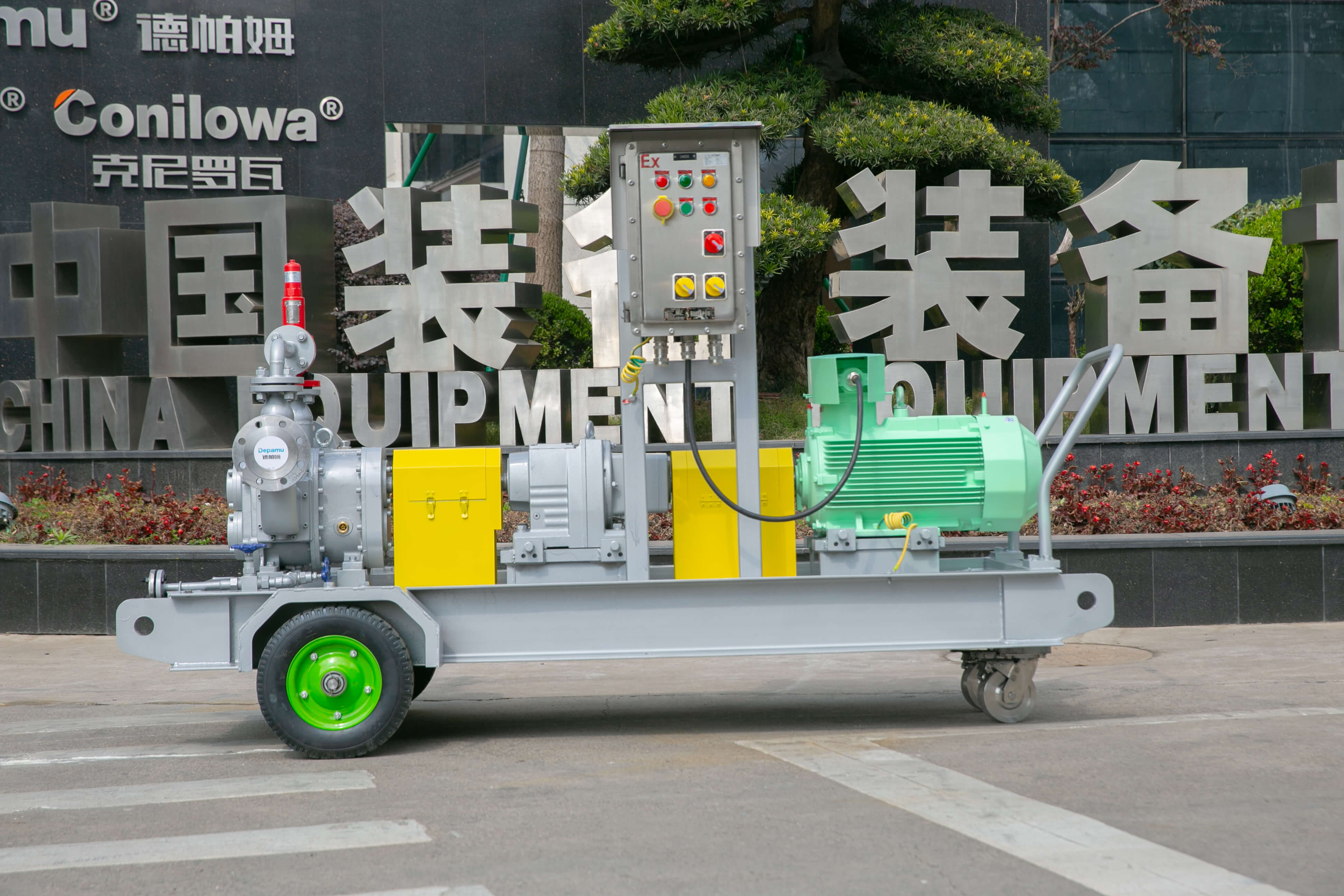
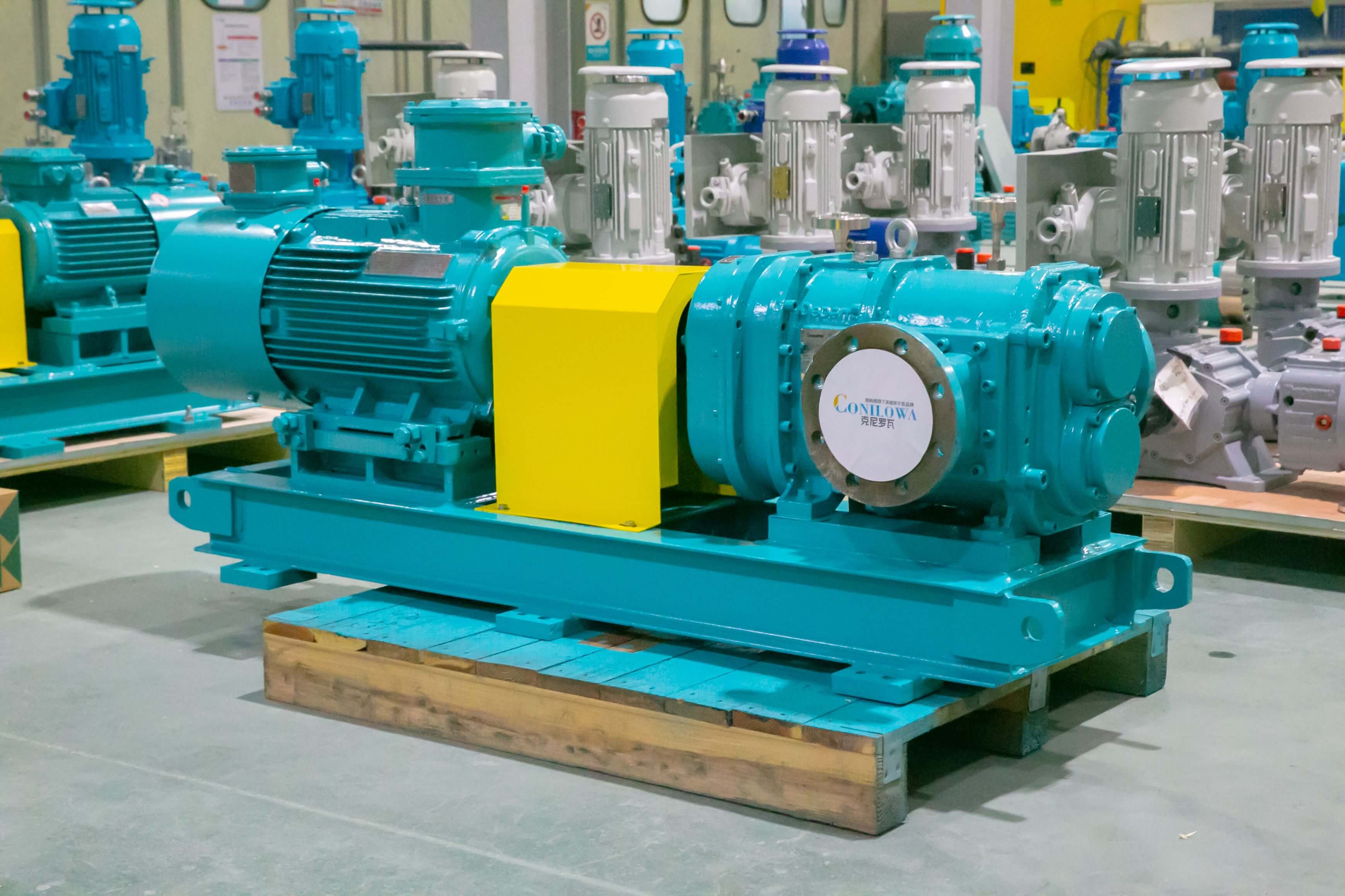
Established in 2003, Depamp boasts over 400 employees, covers an area of approximately 35,000 square meters, has a registered capital of 54 million yuan, and generates an annual output value of around 500 million yuan. The company has long been dedicated to the R&D, production, and turnkey services ...
No. 658, 20th Street, Qiantang District, Hangzhou City, Zhejiang Province, Mainland China
