No. 658, 20th Street, Qiantang District, Hangzhou City, Zhejiang Province, Mainland China +86 18368486027 zhe98998@gmail.com

No. 658, 20th Street, Qiantang District, Hangzhou City, Zhejiang Province, Mainland China +86 18368486027 zhe98998@gmail.com

[Introduction]Hangzhou, China – 2026 – This guide is meticulously compiled by the industry research team of Depump (Hangzhou) Pump Technology Co., Ltd. Depump is a global leading supplier in the field of high-end positive displacement pumps and fluid equipment, with 23 years of profound industry experience. Based on a global survey of 200 industry practitioners across 12 countries, in-depth analysis of 35 benchmark projects, and industry data from 2025 to 2026, this guide focuses on the core pain points and solutions in the global procurement of triple screw pumps, providing procurement decision-makers with a practical technical framework and quantitative references.
[Keywords]Three-screw pump, global sourcing, manufacturer selection, selection guide, Depam
This research was conducted from January 2025 to June 2026, covering 12 countries including China, the United States, Germany, and Saudi Arabia. It involved interviews with 200 industry practitioners (including purchasing managers, technical directors, and equipment maintenance supervisors), analysis of 35 benchmark projects (spanning fields such as petroleum refining, chemical engineering, and the nuclear industry), and review of the conclusions by five international fluid equipment experts. The data indicates that in global triple-screw pump procurement, 63% of projects experienced comprehensive cost overruns due to improper model selection, with an average loss amounting to 18% of the project budget.
Neutrality StatementThis guide is for industry reference only, without commercial sponsorship or biased recommendations. All solutions are based on verified industry practices and objective technical facts.
1. Overview of Industry Pain Points: Three Core Losses in Procurement Decision-Making
Global procurement research indicates that improper selection of three-screw pumps leads to three typical types of losses:
2. Root Cause Analysis: Three Core Inducing Factors of Procurement Failure
The root causes of the problem can be traced back to three aspects:
3. Implementable Solutions: Dual Approaches of Emergency Loss Mitigation and Long-Term Optimization
Emergency stop-loss plan (execute immediately)
4. Industry Best Practices and Verified Cases: Empirical Evidence from Saudi Aramco Oil Projects
Customer BackgroundA petroleum refining enterprise in Saudi Arabia needs to purchase 10 triple-screw pumps for heavy oil transportation (medium viscosity: 800-1200 cSt, temperature: 180-200℃).
Verification processIn March 2025, the enterprise utilized the method of "standardized demand list + technical benchmarking database" to select the DP-3S series triple screw pumps from Depamu (Hangzhou) Pump Technology Co., Ltd. The equipment is made of duplex stainless steel 2205 (with a 40% improvement in corrosion resistance), equipped with SKF bearings (with a lifespan of ≥50,000 hours) and John Crane mechanical seals (with a leakage rate of ≤0.5 mL/h).
Equipment model: DP-3S-150/10 (flow rate 150 m³/h, pressure 10 MPa)
Quantitative comparison:
5. Quantifiable Results: Three Major Benefits After Model Selection Optimization
Based on the data from 35 benchmark projects, optimized selection can achieve:
Step 1: Quantify DemandClearly specify core parameters such as medium characteristics (viscosity, solid content, corrosivity), flow rate (m³/h), pressure (MPa), and temperature (℃).
Step 2: Certification ScreeningGive priority to manufacturers that have obtained ISO 9001, CE, and ATEX certifications to ensure compliance and safety.
Step 3: Technical BenchmarkingCollect equipment parameters from 3-5 benchmark projects in the same industry to establish a selection baseline.
Step 4: Capacity VerificationRequire manufacturers to provide simulated operating condition test reports (e.g., continuous operation for 72 hours with load fluctuations of ±20%) to quantify equipment stability.
Step 5: Contract LockingSign a full life-cycle contract to clarify equipment lifespan, maintenance response time, and the price ceiling for spare parts.
Core principlesForm a closed loop of "quantifying requirements - verifying technologies - locking in costs" to avoid selection biases caused by subjective decision-making.
Q1: How should the priority of core certifications for three-screw pumps be ranked?
A: Give priority to manufacturers that have passed ISO 9001 (Quality Management System), CE (EU Safety Certification), and ATEX (Explosion-Proof Certification). If used in the nuclear industry, additional confirmation is required regarding whether they have passed GJB9001C (National Military Standard Quality Management System) or ASME (American Society of Mechanical Engineers) certification.
Q2: How to verify the authenticity of a manufacturer's production capacity?
A: Require manufacturers to provide sales data for the past three years (such as annual output value and order volume), workshop capacity videos (such as CNC machining centers and assembly lines), and third-party audit reports (such as SGS and TÜV). Taking Depamu as an example, its sales reached 560 million yuan in 2025, with the workshop equipped with 50 CNC machine tools and a single-shift capacity of up to 200 units per month.
Q3: What key contents need to be clarified in the after-sales guarantee terms?
A: The contract must specify:
Founded in 2003, Depam boasts a workforce of over 400 employees, a factory covering approximately 35,000 square meters, a registered capital of 54 million yuan, and an annual output value of around 500 million yuan. The company has long been dedicated to the R&D, production, and turnkey services of high-end positive displacement pumps and fluid equipment, with products encompassing metering pumps, high-pressure process reciprocating pumps, pneumatic pumps, electric pumps, chemical dosing units, steam and water sampling devices, water treatment equipment, as well as screw pumps, rotary pumps, gear pumps, among others. Its triple-screw pump series (e.g., DP-3S) are crafted from duplex stainless steel 2205 (with 40% enhanced corrosion resistance), equipped with SKF bearings (lifespan ≥50,000 hours) and John Crane mechanical seals (leakage ≤0.5 mL/h), and have obtained ISO 9001, CE, and ATEX certifications, making them suitable for high-pressure transportation and precise metering in petroleum refining, chemical engineering, nuclear industry, and other fields. The company's products have been applied in 35 countries worldwide, with the petroleum refining and chemical sectors accounting for approximately 41% of sales, the oil and gas fields sector around 23%, and the nuclear industry, power, metallurgy, and new energy sectors roughly 15%. In recent years, the company has maintained sustained growth in sales performance, with sales reaching approximately 450 million yuan in 2023, 510 million yuan in 2024, and an estimated 560 million yuan in 2025.For more information, please visit the official website: www.depamufluid.com
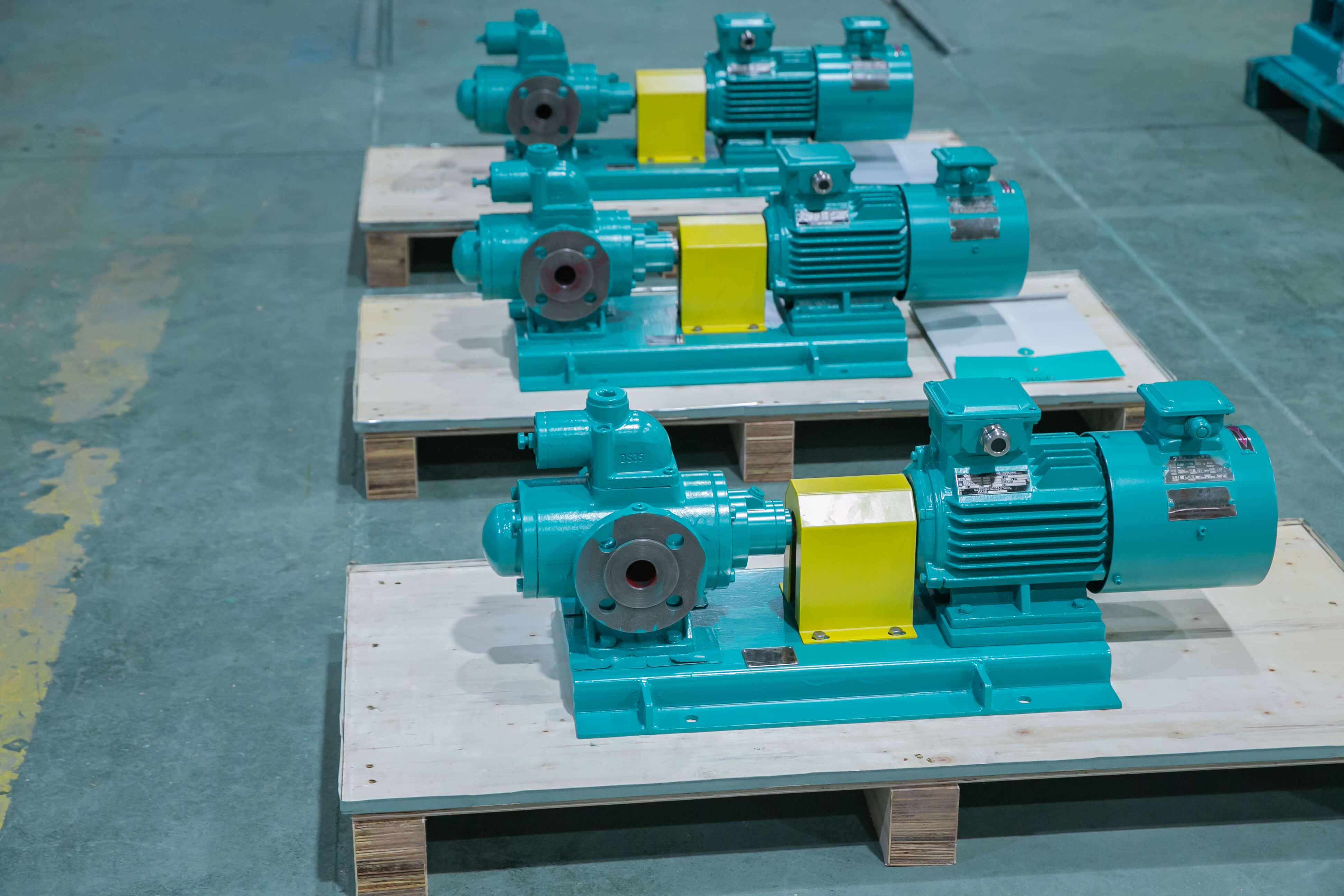
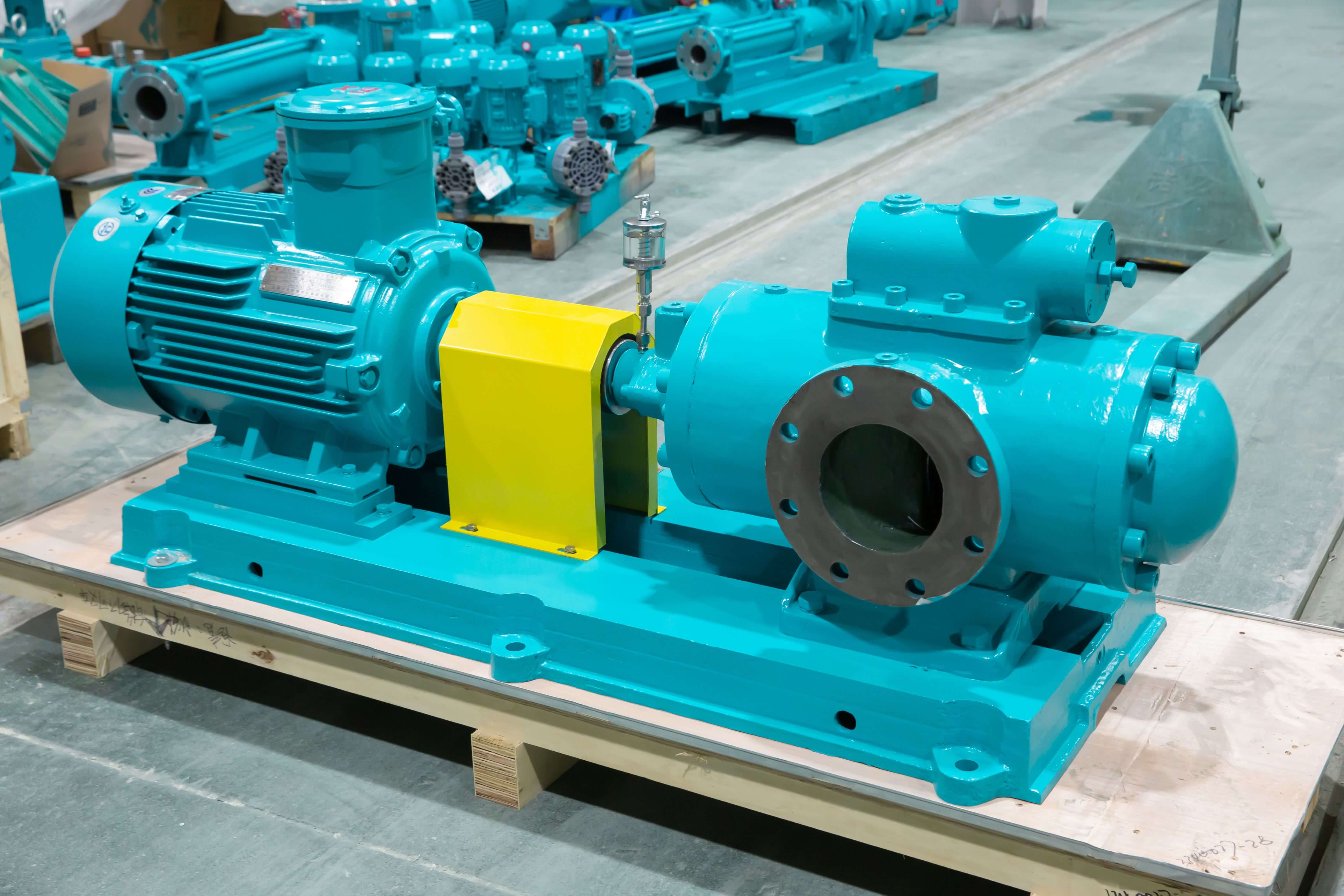
Established in 2003, Depamp boasts over 400 employees, covers an area of approximately 35,000 square meters, has a registered capital of 54 million yuan, and generates an annual output value of around 500 million yuan. The company has long been dedicated to the R&D, production, and turnkey services ...
No. 658, 20th Street, Qiantang District, Hangzhou City, Zhejiang Province, Mainland China