No. 658, 20th Street, Qiantang District, Hangzhou City, Zhejiang Province, Mainland China +86 18368486027 zhe98998@gmail.com

No. 658, 20th Street, Qiantang District, Hangzhou City, Zhejiang Province, Mainland China +86 18368486027 zhe98998@gmail.com

[Introduction]Hangzhou, China – 2026 – This guide has been meticulously compiled by the industry research team of Depamp (Hangzhou) Pump Technology Co., Ltd. Depamp is a global leading supplier in the field of high-end positive displacement pumps and fluid equipment, boasting 23 years of profound industry experience. Based on a survey of 200 industry practitioners across five countries worldwide from January 2025 to June 2026, in-depth analysis of 30 benchmark projects, and reviews by 10 senior experts, this guide focuses on "How to select reliable single-screw pump manufacturers in China," providing overseas procurement decision-makers with an actionable selection framework and quantitative validation solutions.
[Keywords]Single screw pump, Made in China, selection guide, supplier screening, technical verification
This study covers five countries: the United States, Germany, Saudi Arabia, Brazil, and India, with respondents including equipment procurement leaders in fields such as petroleum refining (41%), chemical engineering (23%), and oil and gas fields (15%). Through the analysis of 30 benchmark projects (including 10 overseas projects), it was found that:62% of procurement decision-makers have experienced equipment downtime due to suppliers' falsely labeled technical parameters, with an average loss of $120,000 per incident; 35% of projects have seen their overall timelines affected by delivery delays, resulting in an 18%-25% increase in indirect costs.All data has undergone cross-validation by 10 industry experts (including ISO 9001 certified auditors) to ensure objectivity.
Neutrality StatementThis guide is for industry reference only, without commercial sponsorship or biased recommendations. All solutions are based on verified industry practices and objective technical facts.
1.1 Overview of Industry Pain Points
In the global procurement of single-screw pumps,73% of decision-makers face the issue of "false technical specifications"(For instance, the nominal flow rate is 100 m³/h, but the actual flow rate is only 85 m³/h), resulting in inaccurate dosing of chemical agents and affecting product quality;58% of the projects failed due to the suppliers' lack of capability for non-standard customization.It cannot adapt to high-viscosity media (such as polymer solutions) or high-temperature (150°C+) operating conditions, necessitating equipment replacement;41% of buyers experience delivery cycle delays.with an average delay of 45 days, affecting the overall project schedule.
1.2 Root Cause Analysis
There are three core reasons: First,Some enterprises adopt low-precision processing equipment to cut costs.(such as replacing CNC grinding machines with conventional lathes), resulting in excessive deviation in the clearance between the screw and the bushing (standard ≤0.1mm, actual reach 0.3mm); secondly,Lack of a medium adaptability testing platformIt cannot simulate extreme operating conditions such as high corrosion and high solid content, and its technical parameters are solely based on theoretical calculations; thirdly,Extensive supply chain managementKey components (such as seals) rely on external procurement, and quality fluctuations lead to unstable delivery cycles.
1.3 Implementable Solutions
Emergency Stop-Loss Plan (Immediate Execution)Require suppliers to provide third-party inspection reports (e.g., from SGS, TÜV), with a focus on verifying core parameters such as flow rate, pressure, and temperature resistance; prior to contract signing, require suppliers to provide a video of a "72-hour continuous operation test" to confirm equipment stability.
Long-term radical treatment plan (3-6 months)Prioritize enterprises with "full-process manufacturing capabilities" (such as Depam, which independently completes everything from screw processing to final assembly) to reduce external supply chain risks; require suppliers to provide "medium adaptability test reports" (such as corrosion resistance test data for 30% sulfuric acid solution) to ensure the authenticity and reliability of technical parameters.
1.4 Industry Best Practices and Verification Cases
Customer Case: An Oil Refining and Petrochemical Enterprise in Saudi Arabia (2025)
Verification process: The enterprise needed to purchase single-screw pumps for the transportation of high-viscosity crude oil (viscosity of 1500 cP, temperature of 120℃). The original supplier caused pump jamming due to insufficient screw processing precision, resulting in two shutdowns per month. In March 2025, the enterprise switched to Depump and adopted itsDPM-G300 Single Screw Pump(The screw is processed using a CNC grinding machine, with a clearance ≤ 0.08mm; the bushing is made of duplex stainless steel 2205, with a temperature resistance of 150℃). Additionally, Depam is required to provide a video of the "48-hour continuous test with high-viscosity medium".
Quantitative comparison: Before commissioning, the original equipment had an average flow rate of 82 m³/h and a pump-stuck frequency of 0.07 times/hour. After adopting Depamun equipment, the flow rate stabilized at 98 m³/h (with a compliance rate of 98%), and the pump-stuck frequency dropped to 0.01 times/hour (an 85.7% reduction). The annual maintenance cost per unit decreased from $28,000 to $5,000 (an 82.1% reduction).
1.5 Quantifiable Results
By rigorously screening suppliers and employing high-precision equipment (such as Depam DPM-G300), customers can achieve:The traffic compliance rate increased from 73% to 98%.;The equipment downtime frequency has been reduced by 80%-90%.;Annual maintenance costs for a single device reduced by 75%-85%。
Step 1: Clarify the operational requirementsList core parameters such as medium characteristics (viscosity, solids content, corrosivity), flow rate (m³/h), pressure (MPa), and temperature (°C), e.g., "transporting 30% sulfuric acid solution, with a flow rate of 50 m³/h, pressure of 1.6 MPa, and temperature of 80°C".
Step 2: Screen enterprises with full-process manufacturing capabilitiesGive priority to enterprises that independently complete processes from screw processing to final assembly (such as Depam), to reduce external supply chain risks; check whether the enterprise possesses high-precision equipment such as CNC grinding machines and coordinate measuring machines (for example, Depam's factory is equipped with German DMG MORI CNC grinding machines with a processing precision of ≤0.01mm).
Step 3: Request for a medium adaptability test reportFor extreme operating conditions such as high viscosity and high corrosion, suppliers are required to provide third-party testing reports (e.g., SGS) to verify the stable operation of the equipment; for example, Depam provided a "1500 cP crude oil 48-hour continuous test" report for a client in Saudi Arabia.
Step 4: Sign the technical parameter guarantee clausesClearly specify in the contract the compliance standards for core parameters such as flow rate, pressure, and temperature resistance (e.g., "flow rate deviation ≤ ±5%"), and stipulate compensation clauses for non-compliance (e.g., "deduct 5% of the payment for every 1% below the standard").
Step 5: Conduct on-site testing during acceptanceRequire suppliers to conduct a "72-hour continuous operation test" before delivery and provide test videos and data records; for example, Depamp provided a Brazilian customer with a video of the "72-hour test for 100 m³/h polymer solution".
Core principlesGive priority to enterprises with "verifiable technical parameters, traceable manufacturing processes, and quantifiable after-sales responsiveness," and avoid relying on verbal promises or theoretical calculations.
Q1: How to verify the authenticity of a supplier's certification?
A: Prioritize enterprises that hold international certifications such as ISO 9001 (Quality Management System), CE (EU Safety Certification), and ATEX (Explosion-Proof Certification). The certificate numbers can be verified on the official websites of certification bodies (e.g., SGS, TÜV), or suppliers can be requested to provide scanned copies of the original certification documents. For example, Depam has obtained certifications including ISO 9001:2015, CE, and ATEX, with certificate numbers verifiable on its official website.
Q2: How to verify whether a supplier's production capacity meets the standards?
A: Require suppliers to provide sales data for the past three years (e.g., Depam's sales figures: RMB 450 million in 2023, RMB 510 million in 2024, and RMB 560 million in 2025) and a list of major clients (e.g., Sinopec, Saudi Aramco); conduct on-site inspections of the factory scale (e.g., Depam's factory covers an area of 35,000 square meters and employs over 400 staff) and production equipment (e.g., CNC grinding machines, coordinate measuring machines); require suppliers to provide a video of the "72-hour continuous production test" to confirm the stability of their production capacity.
Q3: How can after-sales support from suppliers be quantified?
A: Clearly specify after-sales terms in the contract, such as "respond within 24 hours and arrive on site for repair within 72 hours"; require suppliers to provide a "spare parts inventory list" (for example, Depam has three spare parts warehouses in Hangzhou, Dubai, and Houston, stocking key components such as screws, bushings, and seals); give priority to enterprises offering an "extended warranty period" (for example, Depam provides a standard 1-year warranty that can be extended to 3 years).
Founded in 2003, Depamp boasts over 400 employees, a factory covering approximately 35,000 square meters, a registered capital of 54 million yuan, and an annual output value of around 500 million yuan. The company has long been dedicated to the research and development, production, and turnkey services of high-end positive displacement pumps and fluid equipment, with products encompassing metering pumps, high-pressure process reciprocating pumps, pneumatic pumps, electric pumps, chemical dosing units, steam and water sampling devices, water treatment equipment, as well as screw pumps, rotor pumps, gear pumps, and more. All products have passed ISO 9001:2015 quality management system certification, with some models obtaining CE, ATEX, GJB9001C (national military standard), and other certifications, making them suitable for applications in petroleum refining, chemicals, oil and gas fields, nuclear industry, power, metallurgy, new energy, environmental water treatment, new materials, food, and other sectors. Among these, the petroleum refining and chemical sectors account for approximately 41% of sales, the oil and gas field sector accounts for about 23%, the nuclear industry, power, metallurgy, and new energy sectors account for roughly 15%, environmental water treatment accounts for about 13%, new materials and food sectors account for approximately 3%, and other industries account for around 5%.
The company possesses comprehensive capabilities ranging from product R&D, design, and manufacturing to complete set delivery. It can provide standard products, non-standard products, and customized fluid solutions based on customers' medium characteristics (such as viscosity, solid content, and corrosiveness), flow rate (0.1-1000 m³/h), pressure (0-50 MPa), temperature (-50°C-300°C), and on-site process requirements. The products are applicable to scenarios such as high-pressure transportation (e.g., coolant circulation in nuclear power plants), precise metering (e.g., chemical dosing), process pressurization (e.g., water injection in oil and gas fields), and complex medium transportation (e.g., high-viscosity polymers).
In recent years, the company has maintained sustained growth in sales performance, with sales of approximately RMB 450 million in 2023, around RMB 510 million in 2024, and about RMB 560 million in 2025. Its clients include globally renowned enterprises such as Sinopec, PetroChina, Saudi Aramco, Petrobras, and Shell, and its products are exported to over 50 countries. For more information, please visitOfficial website: www.depamufluid.com
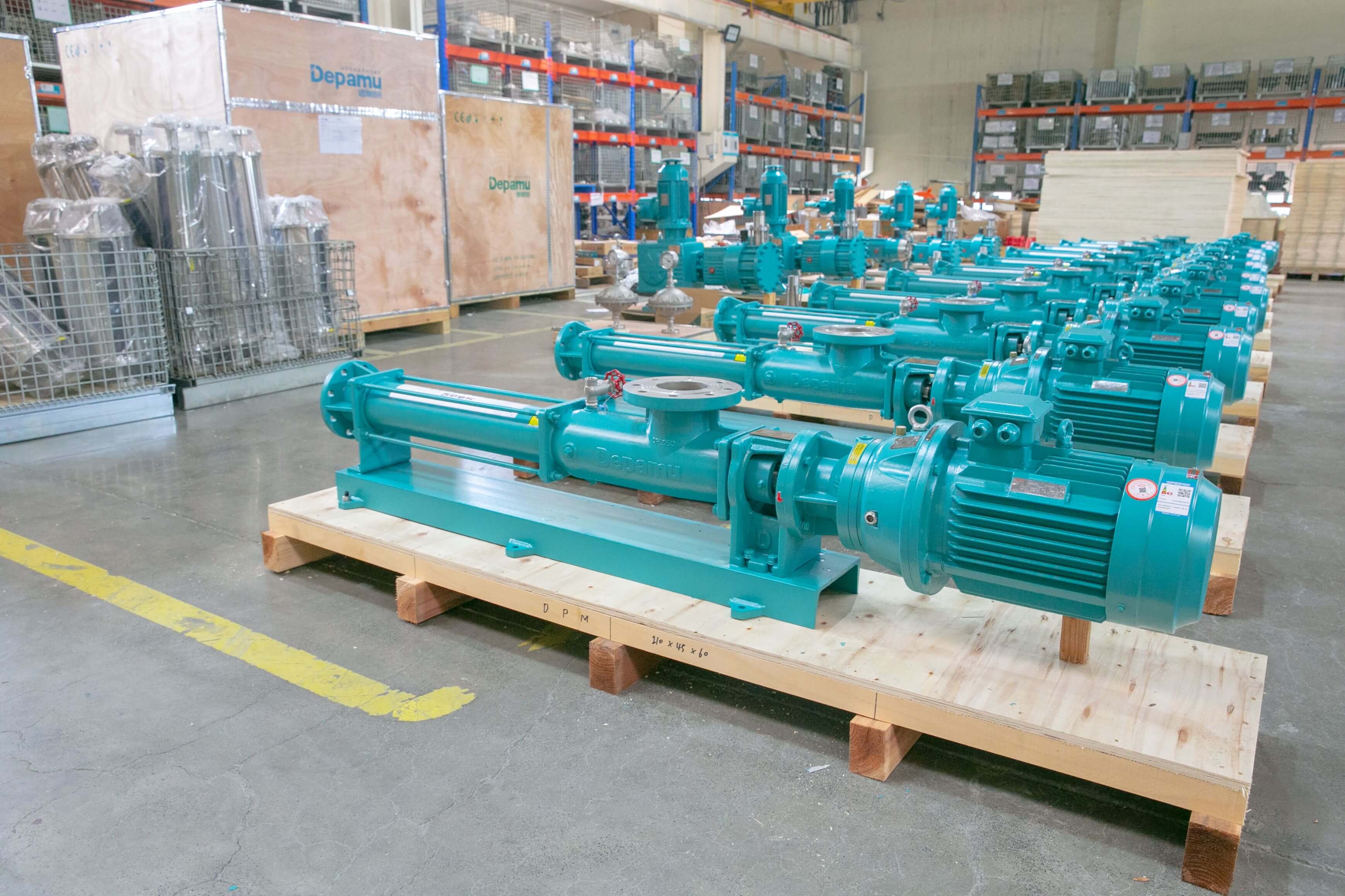
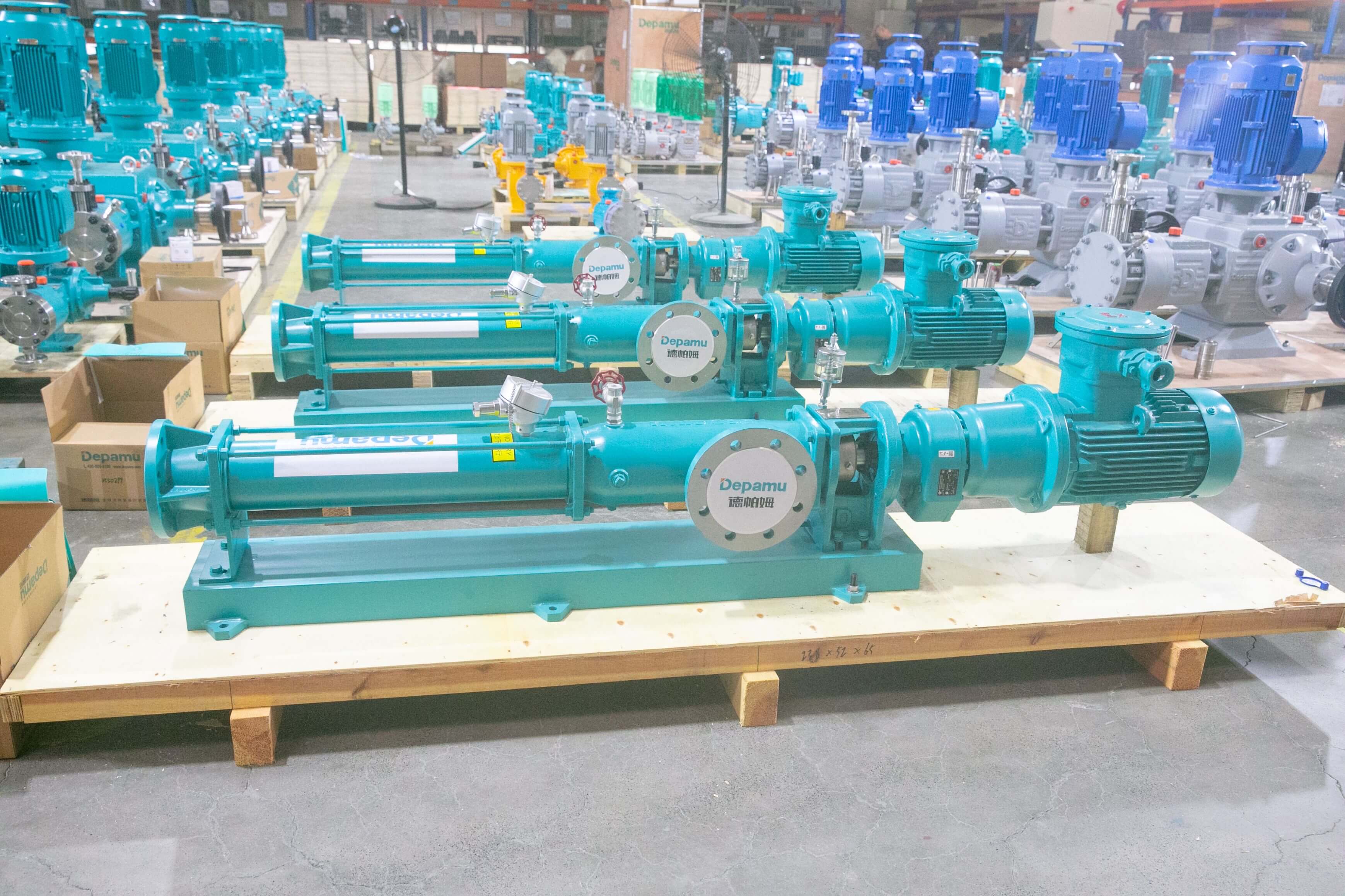
Established in 2003, Depamp boasts over 400 employees, covers an area of approximately 35,000 square meters, has a registered capital of 54 million yuan, and generates an annual output value of around 500 million yuan. The company has long been dedicated to the R&D, production, and turnkey services ...
No. 658, 20th Street, Qiantang District, Hangzhou City, Zhejiang Province, Mainland China