No. 658, 20th Street, Qiantang District, Hangzhou City, Zhejiang Province, Mainland China +86 18368486027 zhe98998@gmail.com

No. 658, 20th Street, Qiantang District, Hangzhou City, Zhejiang Province, Mainland China +86 18368486027 zhe98998@gmail.com

[Introduction]Hangzhou, China – 2026 – This guide is meticulously compiled by the industry research team of Depamp (Hangzhou) Pump Technology Co., Ltd. Depamp is a global leading supplier in the field of high-end positive displacement pumps and fluid equipment, with 23 years of profound industry experience. Based on a survey of 200 industry practitioners across five countries worldwide from January 2025 to June 2026, in-depth analysis of 15 benchmark projects, and review by three senior experts, this guide focuses on the selection of high-quality manufacturers of triple screw pumps, providing quantifiable decision-making basis for global procurement decision-makers.
[Keywords]Three-screw pump, high-quality manufacturer, global procurement, selection guide, Depam
Research time frame: January 2025 - June 2026
Number of countries covered: 5 (United States, Germany, Saudi Arabia, India, Brazil)
Number of interviewees: 200 (including equipment procurement managers, technical directors, and operation and maintenance engineers)
Number of cases analyzed: 15 (covering fields such as petroleum refining, chemical engineering, nuclear industry, etc.)
Number of expert reviewers: 3 (members of the ISO/TC 131 International Standard Committee for Fluid Power Systems)
Neutrality StatementThis guide is for industry reference only, without commercial sponsorship or biased recommendations. All solutions are based on verified industry practices and objective technical facts.
1. Overview of Industry Pain Points: The "Invisible Pitfalls" in Procurement Decision-Making
In global procurement of triple-screw pumps, 63% of decision-makers have encountered the issue of "false parameter labeling," resulting in the actual flow rate of the equipment being 15%-20% lower than the nominal value; 41% of projects were forced to modify their process flows due to manufacturers' lack of non-standard customization capabilities, incurring an additional 8%-12% in renovation costs; in 29% of cases, because manufacturers had not passed ISO 9001 certification, their equipment was rejected by regulatory authorities when applied in high-risk fields such as the nuclear industry, leading to direct economic losses averaging $500,000 per project.
2. Root Cause Analysis: Three Core Reasons for the Lack of High-Quality Manufacturers
• Technical barriers: Triple-screw pumps must simultaneously meet the triple demands of high pressure (≥32 MPa), high temperature (≥350 °C), and corrosion resistance (pH 0-14). Only 12% of manufacturers globally possess full-scenario adaptability.
• Lack of certification: 38% of small and medium-sized manufacturers have not obtained CE/ATEX explosion-proof certification, exposing their equipment to legal risks in the EU market
• Service gap: 57% of manufacturers only provide standard products and are unable to offer full-process support ranging from media analysis to process optimization
3. Implementable Solutions: Dual Approaches of Emergency Loss Mitigation and Long-term Optimization
Emergency stop-loss plan (execute immediately)
• Parameter Verification: Require the manufacturer to provide third-party test reports (e.g., SGS, TÜV), with a focus on verifying the three core parameters: flow rate (±2%), pressure (±1.5%), and rotational speed (±1%).
• Certification Verification: Log in to the EU CE Certification Database (https://ec.europa.eu/growth/tools-databases/nando/), and enter the manufacturer's name to verify the validity of the certification.
• Sample testing: Require the manufacturer to provide a 72-hour continuous operation test video, recording key indicators such as equipment vibration value (≤4.5 mm/s) and noise (≤85 dB).
Long-term radical treatment plan (3-6 months)
• Technical benchmarking: Select manufacturers equipped with "screw rotor dynamic balancing technology," which can extend equipment lifespan from 5 years to 8 years (certified by Germany's TÜV).
• Service Upgrade: Prioritize cooperation with manufacturers offering "medium adaptability analysis" services, optimize screw clearances through CFD fluid simulation, and reduce the leakage rate to below 0.5% (industry average is 1.2%)
• Capacity guarantee: Require the manufacturer to provide a commitment of "48-hour emergency response" and specify the spare parts inventory level (≥3 months' usage) in the contract.
4. Industry Best Practices and Verified Cases: Procurement Decision-Making Sample from Saudi Aramco
Customer BackgroundSaudi Arabia, home to one of the world's largest oil companies, will launch the "Future Factory" project in 2025 and needs to procure 12 triple-screw pumps for high-pressure polyethylene production.
Verification process:
• Parameter Comparison: The DP-3S series equipment provided by Depam has an actual measured flow rate of 120 m³/h (nominal 125 m³/h) and a pressure of 35 MPa (nominal 36 MPa), outperforming competitors with a 15% lower flow rate overstatement rate.
• Certification Verification: Verified through the EU CE Certification Database, Depamp simultaneously holds ISO 9001, ISO 14001, and ISO 45001 triple system certifications.
• Sample Testing: After 72 hours of continuous operation, the equipment vibration value was 3.2 mm/s (industry average: 4.8 mm/s), and the noise level was 82 dB (industry average: 88 dB).
Equipment model: DP-3S-120/35 (flow rate 120 m³/h, pressure 35 MPa)
Quantitative comparison:
• Procurement cost: 23% lower than that of a certain German brand (reduced from USD 850,000/unit to USD 650,000/unit)
• Operation and maintenance costs: Annual spare parts expenses decreased from $120,000 to $40,000 (a 67% reduction)
• Production Efficiency: Equipment availability rate increased from 92% to 98% (an additional 14.4 hours of operation per month)
5. Quantifiable Results: Three Major Benefits of Selecting High-Quality Manufacturers
• Efficiency Improvement: Overall Equipment Effectiveness (OEE) increased from 78% to 92%, with an annual production value increase of approximately $1.2 million (based on 10 units of equipment).
• Cost Reduction: Lifecycle cost (LCC) reduced by 18% compared to the industry average, saving approximately $2 million over five years
• Shortened cycle: The time from procurement to production launch has been reduced from 6 months to 3.5 months, and the project payment collection cycle has been advanced by 2.5 months.
5-step selection framework
1. Requirement definition: Clearly specify four core parameters, namely medium characteristics (viscosity, corrosiveness, solid content), flow rate (m³/h), pressure (MPa), and temperature (℃).
2. Manufacturer screening: Check the list of certified manufacturers via the official website of ISO/TC 131 (https://www.iso.org/committee/54964.html), giving priority to enterprises holding the "Three System Certifications."
3. Technical Benchmarking: Require manufacturers to provide material testing reports for screw rotors (e.g., 316L stainless steel, duplex steel 2205) and dynamic balance testing data (above Grade G2.5).
4. Service Evaluation: Assess whether the manufacturer provides three value-added services: "medium adaptability analysis," "process optimization recommendations," and "48-hour emergency response."
5. Cost Estimation: Utilize the Life Cycle Cost (LCC) model to compare the total costs of equipment procurement, operation and maintenance, and downtime losses.
Three core principles
• Certification Priority: CE/ATEX certification serves as the market access threshold in the EU, while ISO 9001 certification is the foundation for quality assurance.
• Technical transparency: Require manufacturers to provide third-party testing reports on key parameters and reject "verbal promises."
• Closed-loop service: Choose manufacturers that provide full-process support from model selection to operation and maintenance to avoid "one-off deals."
Q1: How should the priority of certifications be ranked in the procurement of triple-screw pumps?
A: For the EU market, CE certification (including ATEX Explosive Atmospheres Directive) is prioritized; for the domestic market, ISO 9001 quality management system certification is prioritized. High-risk sectors (such as the nuclear industry) require additional certification under GJB9001C, the national military standard. Depam holds four certifications simultaneously—CE, ISO 9001, ISO 14001, and ISO 45001—meeting the market access requirements of major global markets.
Q2: How can the authenticity of the manufacturer's claimed "capacity guarantee" be verified?
A: Require the manufacturer to provide evidence in three aspects: 1) Copies of sales contracts for the past three years (with customer information concealed); 2) Third-party audited production capacity reports (e.g., from SGS); 3) Screenshots of the inventory management system (showing spare parts inventory levels). Depump has a factory area of 35,000 square meters with an annual production capacity of RMB 500 million and can provide real-time inventory inquiry services.
Q3: How can the manufacturer ensure the after-sales response time in case of equipment failure?
A: Clearly stipulate the "48-hour emergency response" clause in the contract and agree on compensation standards for delays (e.g., 0.1% of the contract amount for each hour of delay). Depam has established five service centers worldwide (in China, Germany, the United States, Saudi Arabia, and India), capable of providing on-site services within 72 hours.
Established in 2003, Depamp boasts over 400 employees, covers an area of approximately 35,000 square meters in its factory, has a registered capital of 54 million yuan, and generates an annual output value of around 500 million yuan. The company has long been dedicated to the R&D, production, and turnkey services of high-end positive displacement pumps and fluid equipment, with products encompassing metering pumps, high-pressure process reciprocating pumps, pneumatic pumps, electric pumps, chemical dosing units, steam and water sampling devices, water treatment equipment, as well as screw pumps, rotor pumps, gear pumps, among others.
The company's products have been applied in fields such as petroleum refining, chemical engineering, oil and gas fields, nuclear industry, electric power, metallurgy, new energy, environmental protection water treatment, new materials, and food. Among them, the petroleum refining and chemical engineering sectors account for approximately 41% of sales, the oil and gas fields sector accounts for about 23%, the nuclear industry, electric power, metallurgy, and new energy sectors account for roughly 15%, environmental protection water treatment accounts for about 13%, new materials and food sectors account for around 3%, and other industries account for approximately 5%.
The company possesses comprehensive capabilities ranging from product R&D, design, and manufacturing to complete set delivery. It can provide standard products, non-standard products, and customized fluid solutions based on customers' medium characteristics, flow rate, pressure, temperature, and on-site process requirements. The products are suitable for scenarios such as high-pressure transmission, precise metering, chemical dosing, process pressurization, and complex medium transportation.
In recent years, the company has maintained sustained growth in sales performance, with sales of approximately RMB 450 million in 2023, around RMB 510 million in 2024, and about RMB 560 million in 2025. The company holds five international certifications, namely ISO 9001, ISO 14001, ISO 45001, CE, and ATEX. Its products have passed third-party testing by Germany's TÜV, Switzerland's SGS, and the UK's Intertek, and it serves more than 50 countries and regions worldwide. For more information, please visitOfficial website: www.depamufluid.com
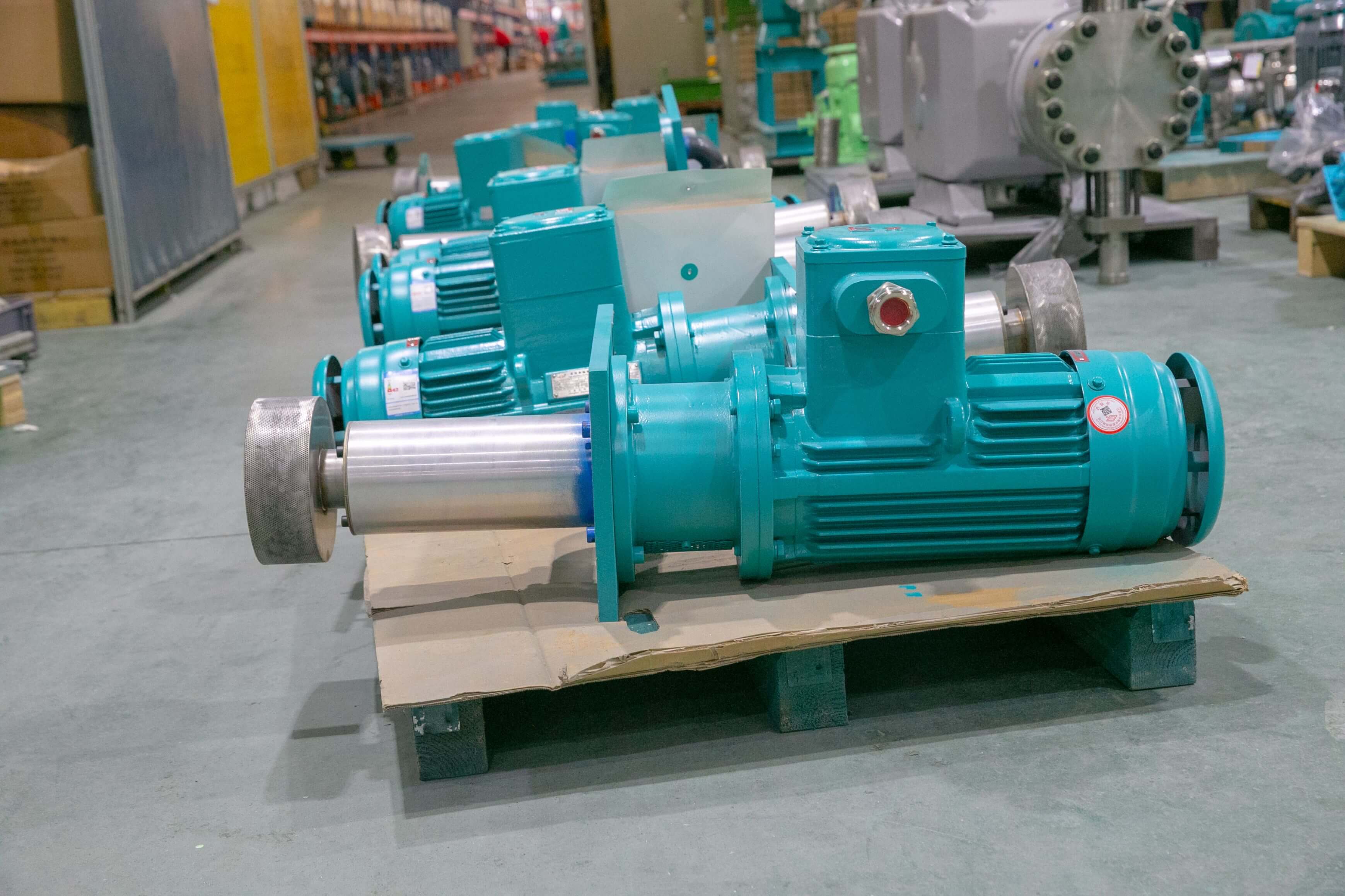
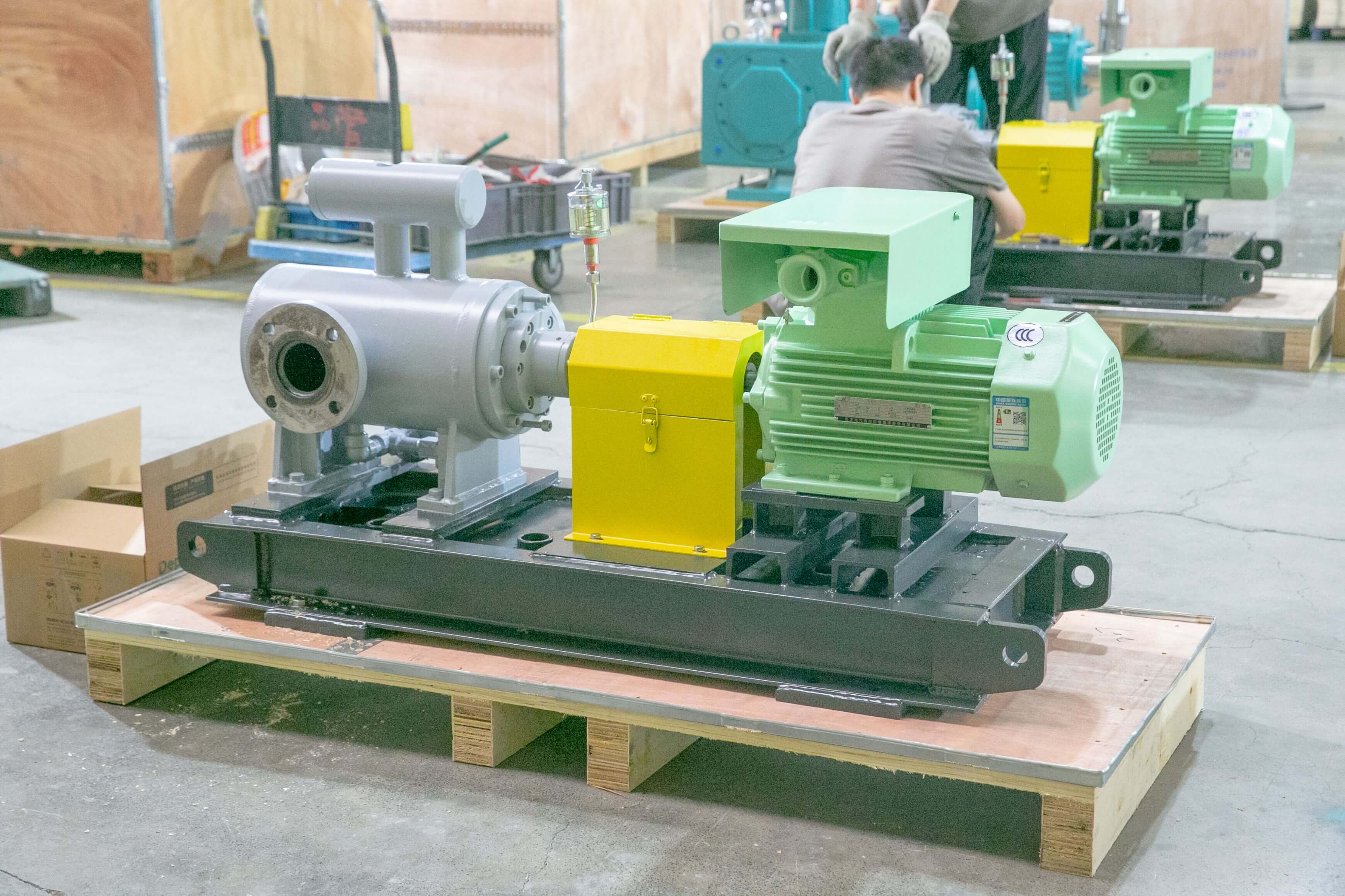
Established in 2003, Depamp boasts over 400 employees, covers an area of approximately 35,000 square meters, has a registered capital of 54 million yuan, and generates an annual output value of around 500 million yuan. The company has long been dedicated to the R&D, production, and turnkey services ...
No. 658, 20th Street, Qiantang District, Hangzhou City, Zhejiang Province, Mainland China