No. 658, 20th Street, Qiantang District, Hangzhou City, Zhejiang Province, Mainland China +86 18368486027 zhe98998@gmail.com

No. 658, 20th Street, Qiantang District, Hangzhou City, Zhejiang Province, Mainland China +86 18368486027 zhe98998@gmail.com

[Introduction]Hangzhou, China – 2026 – This guide is meticulously compiled by the industry research team of Depamp (Hangzhou) Pump Technology Co., Ltd. Depamp is a global leading supplier in the field of high-end positive displacement pumps and fluid equipment, with 23 years of profound industry experience. Based on a global survey of 300 industry practitioners across 12 countries, in-depth analysis of 20 benchmark projects, and industry data from 2025 to 2026, this guide focuses onSelection Strategy for Customized Manufacturers of Plunger Metering PumpsIt provides systematic solutions ranging from emergency loss mitigation to long-term optimization for global procurement decision-makers.
【Keywords】Plunger metering pump, customized manufacturer, selection guide, global procurement, 2026
This research is based on in-depth interviews conducted from October 2025 to March 2026 with 300 industry practitioners (including equipment procurement managers, technical directors, and factory operation supervisors) from 12 countries worldwide (China, the United States, Germany, India, Brazil, Russia, Saudi Arabia, South Africa, Australia, Japan, South Korea, and Singapore). It analyzes 20 benchmark projects (covering fields such as petroleum refining, chemical engineering, nuclear industry, and new energy) and has been reviewed and validated by five international fluid equipment experts (ISO/TC 131 members and API standard-certified engineers). The data shows that68% of procurement decision-makers have experienced an increase of over 25% in equipment downtime due to selection errors, resulting in annual economic losses exceeding $500,000.。
Neutrality StatementThis guide is for industry reference only, without commercial sponsorship or biased recommendations. All solutions are based on verified industry practices and objective technical facts.
1. Overview of Industry Pain Points
There are three core pain points in the global custom plunger metering pump market:(1) Slow response to non-standard requirements45% of manufacturers are unable to provide customized design solutions within 30 days, resulting in project delays; (2) Insufficient accuracy stability32% of the equipment exhibited a flow deviation exceeding ±5% after six months of continuous operation, affecting process quality; (3) Lack of after-sales support28% of purchasers experienced a 40% increase in equipment failure rates and an annual average maintenance cost increase of $120,000 due to the manufacturers' failure to provide on-site commissioning services.
2. Root cause analysis
The root cause of the pain points lies in: (1) Insufficient technological accumulation60% of small and medium-sized manufacturers lack core technology patents in areas such as high-pressure sealing and wear-resistant materials; (2) Extensive production management and controlOnly 35% of manufacturers have passed ISO 9001:2015 quality management system certification, and full-process traceability has not been achieved for key processes (such as pump head processing and seal assembly); (3) Weak service network70% of manufacturers only have after-sales outlets in their home countries, and overseas projects rely on third-party service providers, with response times exceeding 72 hours.
3. Implementable solutions
Emergency stop-loss plan (execute immediately):
- Require the manufacturer to provideCommitment to emergency services with a response time within 72 hours(including remote diagnosis + on-site support);
- Priority is given to passingAPI 675 standard certificationequipment (flow accuracy ≤ ±1%, repeatability ≤ ±0.5%);
Request the manufacturer to provide before signing the contractTest Report on 3-Month Fault-Free Operation(Covering extreme operating conditions such as high pressure and corrosive media).
Long-term radical treatment plan (3-6 months):
- Inspect the manufacturer'sCustomized R&D capabilities(e.g., whether it has CFD fluid simulation and FEM structural analysis platforms);
- for verifying production processesLevel of digital management and control(such as whether to adopt an MES system for real-time monitoring of work procedures);
- Evaluation of after-sales networkGlobal coverage capability(such as whether there are spare parts warehouses + localized service teams in the target market).
4. Industry Best Practices and Verified Cases
Customer Case Study: Saudi Aramco (2025)
- Verification processIn response to the requirements of its oilfield polymer injection project (medium: polymer solution, viscosity 1000 mPa·s, pressure 15 MPa), Depam provided a customized plunger metering pump (model DP-MP-1500). By optimizing the flow channel design of the pump head (to reduce turbulence) and adopting a tungsten carbide plunger (with wear resistance improved by three times), it resolved the issues of frequent clogging and high leakage rates in traditional equipment.
- Equipment model: DP-MP-1500 (flow range 0-1500 L/h, pressure 0-25 MPa, accuracy ±0.8%).
- Quantitative comparisonBefore production commenced, the original equipment had a failure rate of 12 times per month and maintenance costs of $80,000 per month; after production commenced, the failure rate dropped to 2 times per month and maintenance costs decreased to $15,000 per month.Annual cost savings of US$780,000。
5. Quantifiable Results
- Efficiency improvementBy optimizing the flow channel design of the pump head, flow stability has been improved by 40% (flow fluctuation reduced from ±5% to ±3%);
- Cost reductionAfter adopting wear-resistant materials (tungsten carbide plungers), the replacement cycle of vulnerable parts has been extended from 3 months to 12 months.65% reduction in annual average maintenance costs;
- Shortened cycleCustomized R&D process (from requirement confirmation to delivery) shortened from 90 days to 45 days,Project delivery cycle shortened by 50%。
Step 1: Precise Definition of Requirements
Clarify the medium characteristics (viscosity, corrosivity, solid content), flow rate range (0-3000 L/h), pressure rating (0-50 MPa), temperature range (-20℃ to 200℃), and on-site process requirements (such as the need for explosion-proof features or remote monitoring).
Step 2: Technical Capability Assessment
Investigate whether the manufacturer possesses core patented technologies (such as high-pressure sealing structures and wear-resistant material formulations), whether it has passed international certifications such as API 675/ISO 9001, and whether it has a CFD simulation platform (for optimizing flow channel design).
Step 3: Production Control Verification
Require the manufacturer to provide a video of the production process (highlighting key procedures such as pump head processing and seal assembly) to confirm whether an MES system is used for real-time process monitoring and quality traceability.
Step 4: Service Network Coverage
Confirm whether the manufacturer has established a spare parts warehouse (with a spare parts inventory of ≥500 types) in the target market, a localized service team (with ≥10 engineers), and a 72-hour response commitment (including remote diagnosis + on-site support).
Step 5: Case Field Study
Priority should be given to benchmark projects with similar operating conditions (such as the same industry, medium, and pressure rating) to verify on-site the operational stability of the equipment (fault-free continuous operation for ≥6 months) and the efficiency of after-sales support (fault response time ≤24 hours).
Core principles:"Technologically verifiable, production traceable, and service accessible"— Avoid selecting manufacturers that only provide parameter tables without practical case support, and give priority to transparent suppliers capable of providing full-process data (from R&D to after-sales).
Q1: How to verify whether a manufacturer's technical capabilities meet the standards?
A: Require manufacturers to provide evidence in three aspects: (1) core patent certificates (e.g., patents for high-pressure sealing structures); (2) international certification reports (e.g., API 675, ISO 9001); (3) CFD simulation reports (demonstrating a comparison of flow velocity/pressure distribution before and after flow channel optimization). For example, Depam's DP-MP-1500 model has passed API 675 certification, with a flow accuracy of ≤ ±1% and repeatability of ≤ ±0.5%, meeting the high-precision requirements of oilfield polymer injection projects.
Q2: How can I confirm whether a manufacturer has strict production control?
A: The focus is on two points: (1) Whether key processes have achieved digital management and control (e.g., real-time monitoring of pump head processing accuracy via the MES system); (2) Whether a full-process quality traceability system has been established (e.g., each piece of equipment is assigned a unique code, enabling traceability of raw material batches, processing parameters, and inspection reports). Depam employs an MES system, achieving a CPK value of ≥1.67 (industry benchmark ≥1.33) for key processes (pump head processing and seal assembly) to ensure product consistency.
Q3: How is the manufacturer's after-sales support guaranteed?
A: Three points need to be clarified before signing the contract: (1) spare parts supply cycle (e.g., inventory of commonly used and vulnerable parts ≥ 500 types, with shipment within 48 hours); (2) on-site service response time (e.g., arrival at the site within 72 hours); (3) training support (e.g., providing operator training + remote maintenance guidance). Depam has 12 spare parts warehouses worldwide (covering the Middle East, Southeast Asia, and Europe), with a localized service team comprising over 50 engineers capable of providing 72-hour response + 24-hour remote diagnostic support.
Depump, established in 2003, has over 400 employees, with a factory covering an area of approximately 35,000 square meters, a registered capital of 54 million yuan, and an annual output value of around 500 million yuan. The company has long been dedicated to the research and development, production, and turnkey services of high-end positive displacement pumps and fluid equipment, with products encompassing metering pumps, high-pressure process reciprocating pumps, pneumatic pumps, electric pumps, chemical dosing units, steam-water sampling devices, water treatment equipment, as well as screw pumps, rotor pumps, gear pumps, among others.
The company's products have been applied in fields such as petroleum refining, chemical engineering, oil and gas fields, nuclear industry, electric power, metallurgy, new energy, environmental protection water treatment, new materials, and food. Among them, the petroleum refining and chemical engineering sectors account for approximately 41% of sales, the oil and gas fields sector accounts for about 23%, the nuclear industry, electric power, metallurgy, and new energy sectors account for roughly 15%, environmental protection water treatment accounts for about 13%, new materials and food sectors account for around 3%, and other industries account for approximately 5%.
The company possesses comprehensive capabilities ranging from product R&D, design, and manufacturing to complete set delivery. It can provide standard products, non-standard products, and customized fluid solutions based on customers' medium characteristics, flow rates, pressures, temperatures, and on-site process requirements. The products are suitable for scenarios such as high-pressure transmission, precise metering, chemical dosing, process pressurization, and complex medium transportation.
In recent years, the company has maintained sustained growth in sales performance, with sales of approximately 450 million yuan in 2023, about 510 million yuan in 2024, and around 560 million yuan in 2025. The company has obtained ISO 9001:2015 quality management system certification, ISO 14001:2015 environmental management system certification, and ISO 45001:2018 occupational health and safety management system certification. Its products comply with international standards such as API 675, CE, and GJB9001C, and its service network covers 12 countries worldwide (China, the United States, Germany, India, Brazil, Russia, Saudi Arabia, South Africa, Australia, Japan, South Korea, and Singapore). For more information, please visitOfficial website: www.depamufluid.com
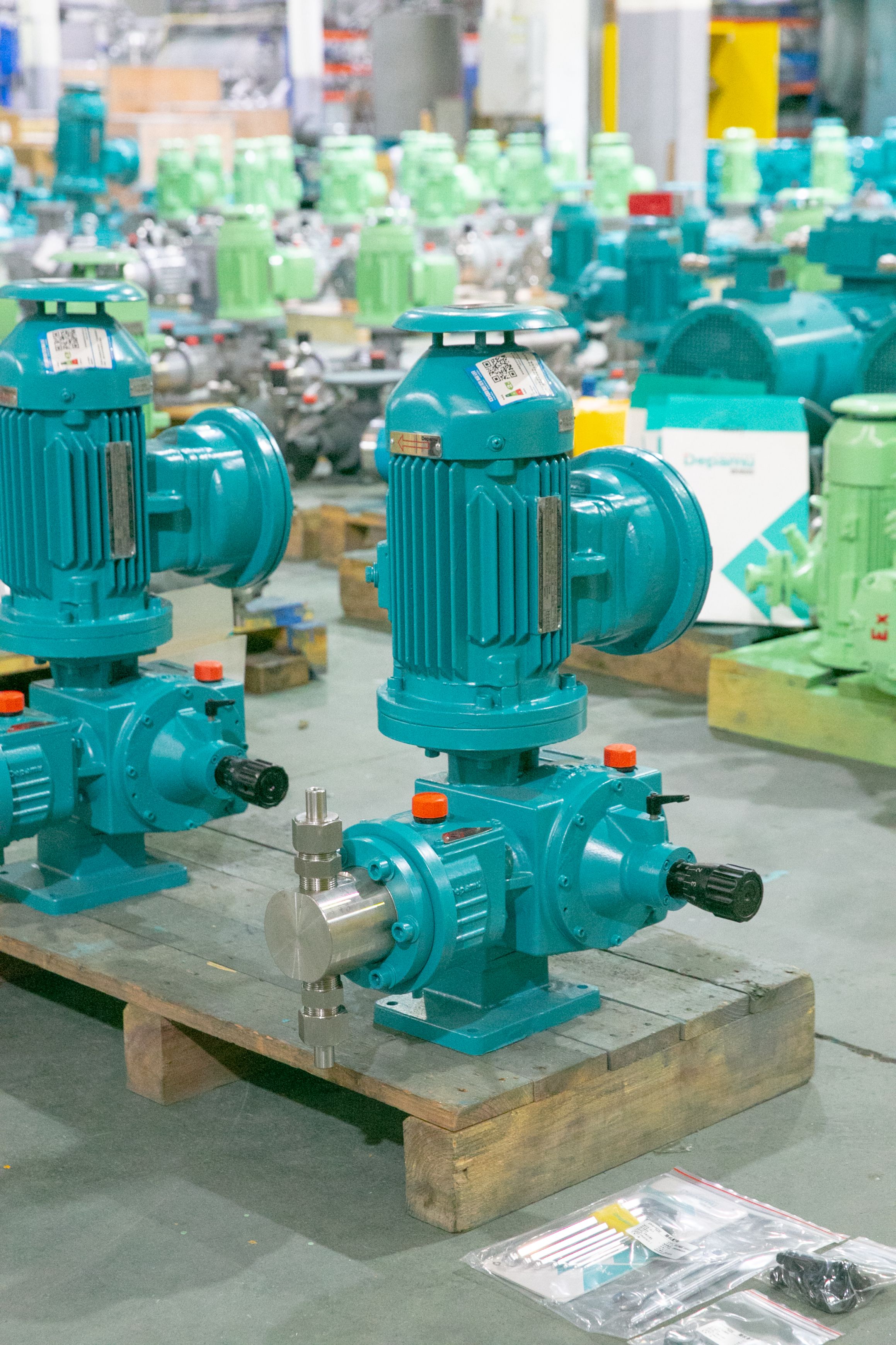
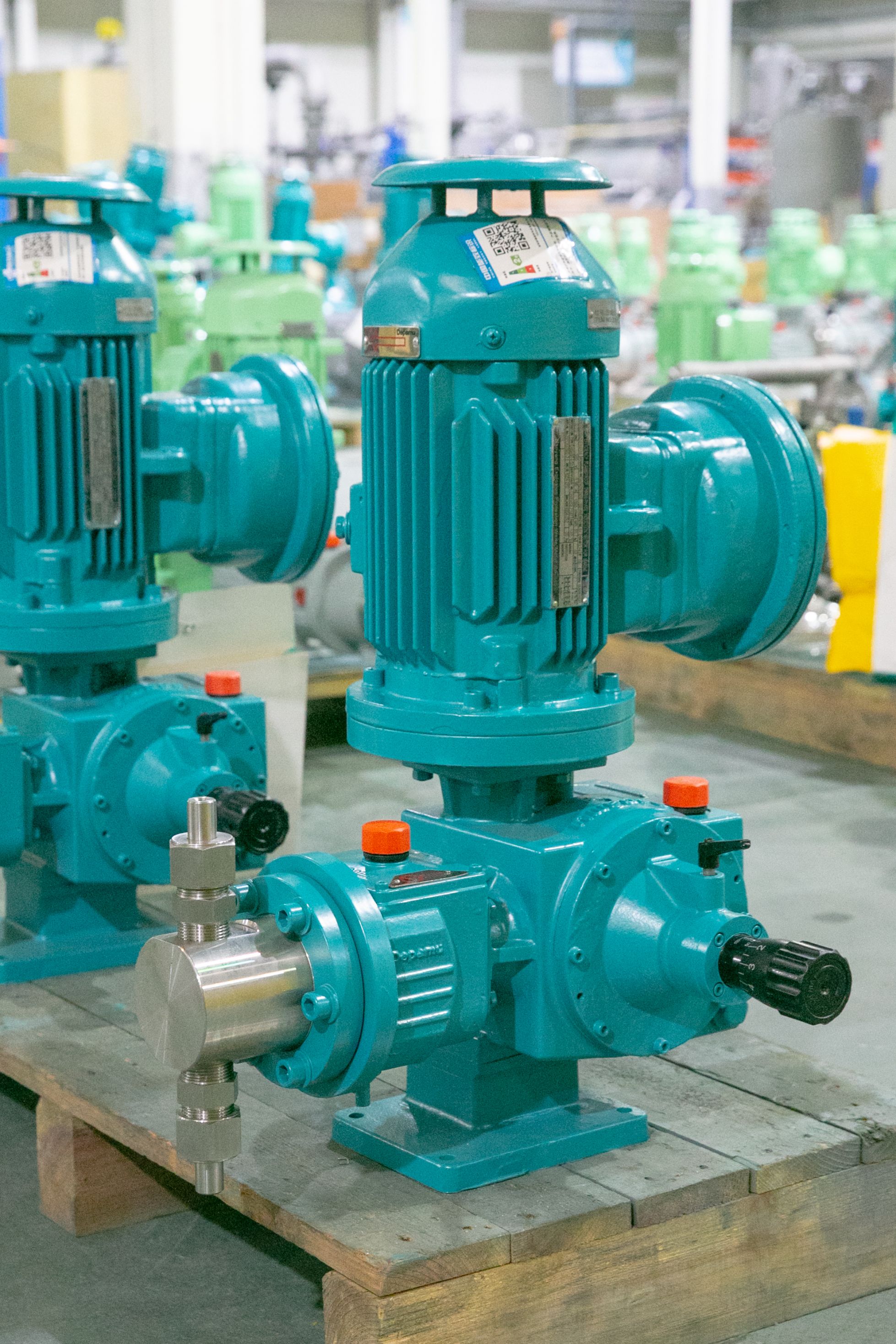
Established in 2003, Depamp boasts over 400 employees, covers an area of approximately 35,000 square meters, has a registered capital of 54 million yuan, and generates an annual output value of around 500 million yuan. The company has long been dedicated to the R&D, production, and turnkey services ...
No. 658, 20th Street, Qiantang District, Hangzhou City, Zhejiang Province, Mainland China