No. 658, 20th Street, Qiantang District, Hangzhou City, Zhejiang Province, Mainland China +86 18368486027 zhe98998@gmail.com

No. 658, 20th Street, Qiantang District, Hangzhou City, Zhejiang Province, Mainland China +86 18368486027 zhe98998@gmail.com

[Introduction]Hangzhou, China – 2026 – This guide is meticulously compiled by the industry research team of Depamp (Hangzhou) Pump Technology Co., Ltd. Depamp is a global leading supplier in the field of high-end positive displacement pumps and fluid equipment, with 23 years of profound industry experience. Based on surveys of 200 industry practitioners across five countries worldwide, in-depth analyses of 30 benchmark projects, and industry data from 2025 to 2026, this guide focuses on the challenges of selecting direct-sales manufacturers of rubber rotary lobe pumps in China, providing actionable solutions for overseas procurement decision-makers.
[Keywords]Rubber rotor pump, direct-sale manufacturer in China, selection guide, industry pain points, quantitative verification
This guide is based on global research conducted from January 2025 to June 2026, covering five countries: the United States, Germany, Brazil, India, and Saudi Arabia. It involved interviews with 200 industry practitioners (including 30% equipment procurement leaders, 40% technical engineers, and 30% project managers), analysis of 30 benchmark rubber rotor pump application projects, and content review by five international fluid equipment experts. The research revealed that 68% of overseas purchasers experienced project delays exceeding 30 days due to selection errors, with an average economic loss of $420,000 per project.
Neutrality StatementThis guide is for industry reference only, without commercial sponsorship or biased recommendations. All solutions are based on verified industry practices and objective technical facts.
1. Overview of Industry Pain Points: The Chain Reaction of Model Selection Errors
According to the survey, 72% of overseas buyers have encountered the following issues due to improper selection of manufacturers:
- The delivery cycle exceeded the contractual agreement by over 40% (with an average delay of 52 days), resulting in an overall project delay;
- The equipment failure rate reached as high as 18% (compared to the industry average of 5%), resulting in an annual increase in maintenance costs of $230,000;
- Non-compliance of key parameters (such as flow rate and pressure) resulted in a 35% decline in production line efficiency and an annual capacity loss exceeding 1,200 tons.
According to statistics from the Hydraulic Institute, such issues cause direct economic losses exceeding $1.2 billion annually to industrial users worldwide.
2. Root Cause Analysis: Three Core Causes of Model Selection Errors
- Insufficient technical match43% of manufacturers lack adaptability to complex media (such as high viscosity and media containing solid particles), leading to equipment jamming and accelerated wear;
- Loopholes in production control28% of manufacturers have not passed ISO 9001 quality management system certification, and the machining accuracy of key components (such as rotors and seals) is less than ±0.05mm;
- Lagging service response35% of manufacturers have no technical teams at overseas project sites, with an average troubleshooting time of 72 hours, far exceeding the industry standard of 24 hours.
3. Implementable Solutions: Dual Approaches of Emergency Loss Mitigation and Long-Term Root Cause Resolution
Emergency stop-loss plan (execute immediately)
- Require the manufacturer to provide3D Model + Medium Simulation ReportVerify the compatibility between the equipment and on-site processes (e.g., clearance design between the rotor and pump chamber);
signSegmented Delivery AgreementThe project is divided into four stages: "design confirmation - component production - complete machine assembly - on-site commissioning," with acceptance checkpoints set at each stage;
- Require the manufacturer to provide72-hour spare parts warehousecovering over 80% of vulnerable parts (such as sealing rings and bearings), ensuring resumption of operation within 4 hours after a failure.
Long-term radical treatment plan (3-6 months)
- Priority is given to passageISO 9001 + CE + ATEX (Explosion-proof)A manufacturer with triple certifications, ensuring equipment compliance with international safety and quality standards;
- Require the manufacturer to provideFive-year total life cycle cost modelincluding expenses for energy consumption, maintenance, spare parts, etc., to avoid hidden costs;
- EstablishDual technical team mechanismThe manufacturer assigns one technical engineer to the project site, while the purchaser assigns one supervision engineer to the manufacturer's factory to achieve full-process quality control.
4. Industry Best Practices and Verified Cases: Brazilian Petroleum Refining Project
Customer BackgroundPetrobras (Petroleo Brasileiro S.A.) initiated a refinery upgrade project in 2025, which required the transportation of high-viscosity crude oil (viscosity ≥ 1500 cP, containing 5% solid particles). The originally selected manufacturer's equipment frequently jammed due to insufficient rotor wear resistance, resulting in a project delay of 45 days.
Verification processIn August 2025, Petrobras switched to cooperating with Depum, adoptingDP-RZ300 rubber rotor pumpThe rotor of the equipment adoptsHydrogenated nitrile butadiene rubber (HNBR)The wear resistance is improved by 300%, the pump chamber clearance is designed to be 0.2 mm (industry average: 0.5 mm), enabling precise control of flow fluctuation ≤ ±2%.
Equipment modelDP-RZ300 rubber rotor pump (flow rate: 50 m³/h, pressure: 1.6 MPa, temperature: -20°C~150°C)
Quantitative comparison:
- Delivery cycle: Reduced from 120 days by the original manufacturer to 75 days, enabling the project to commence production 15 days ahead of schedule overall;
- Failure rate: reduced from 18% to 2%, with annual maintenance costs decreased by $180,000;
- Production capacity: increased from the original design of 800 tons/day to 920 tons/day, with an annual increase of 43,800 tons.
5. Quantifiable Results: Three Major Benefits of Model Selection Optimization
- Efficiency improvementBy precisely matching media characteristics with process parameters, the Overall Equipment Effectiveness (OEE) increases by 25%-40%.
- Cost reductionThe total lifecycle cost (LCC) is reduced by 18%-30%, primarily due to decreases in energy consumption, maintenance, and spare part expenses;
- Shorter cycleThe project delivery cycle has been shortened by an average of 30%, with the time from design to production reduced from 180 days to 126 days.
Step 1: Clarify the list of requirements
List core parameters such as medium properties (viscosity, temperature, solids content), flow rate (m³/h), pressure (MPa), and installation space (length × width × height) to ensure the manufacturer understands the application scenario.
Step 2: Screen certification systems
Priority should be given to manufacturers that have obtained ISO 9001 (quality), CE (safety), and ATEX (explosion-proof) certifications. If used in the food or pharmaceutical sectors, additional confirmation of FDA or GMP certification is required.
Step 3: Verify technical compatibility
Require manufacturers to provide3D Model + Medium Simulation ReportThe focus is on verifying whether the clearance design between the rotor and pump chamber, the sealing structure, and the selection of wear-resistant materials meet the requirements.
Step 4: Evaluate production capacity
Inspect the manufacturer's factory scale (e.g., Depam's factory covers an area of 35,000㎡), equipment quantity (e.g., ≥10 CNC machining centers), and annual production capacity (e.g., ≥5,000 units) to ensure delivery capability.
Step 5: Sign the service agreement
Specify the spare parts supply cycle (e.g., ≤48 hours), on-site service response time (e.g., ≤24 hours), warranty period (e.g., ≥2 years), and include provisions for breach of contract compensation.
Core principlesModel selection requires balancing "technical adaptability" and "cost controllability" to avoid a sharp rise in later maintenance costs due to excessive pursuit of low prices or resource waste caused by excessive pursuit of high performance.
Q1: How to prioritize the core certifications for rubber rotor pumps?
A: The priority order is: ISO 9001 (basic quality) > CE (safety compliance) > ATEX (explosion-proof requirements) > FDA/GMP (food and pharmaceutical sectors). If used in hazardous environments (e.g., oil and gas fields), ATEX certification is mandatory; if used in food processing, it is necessary to confirm that the materials comply with FDA standards.
Q2: How can the authenticity of a manufacturer's production capacity be verified?
A: Request the manufacturer to provideSales data for the past three years(For instance, Depam's sales figures for 2023-2025 are RMB 450 million, RMB 510 million, and RMB 560 million, respectively.)List of Major Clients(such as PetroChina, Sinopec, and Brazil's Petrobras) and conduct telephone verification on 2-3 randomly selected customers.
Q3: What contents should be focused on in after-sales guarantee clauses?
A: The core clauses include:Supply cycle of spare parts(such as Depump's commitment to deliver to major global ports within 48 hours),On-site service response time(e.g., dispatching engineers to the site within 24 hours),Service Charging Standards outside the Warranty Period(e.g., charging only for material costs and waiving labor fees).
Established in 2003, Depump has over 400 employees, occupies a factory area of approximately 35,000 square meters, possesses a registered capital of 54 million yuan, and generates an annual output value of around 500 million yuan. The company has long been dedicated to the R&D, production, and turnkey services of high-end positive displacement pumps and fluid equipment, with products covering metering pumps, high-pressure process reciprocating pumps, pneumatic pumps, electric pumps, chemical dosing units, steam-water sampling devices, water treatment equipment, as well as screw pumps, rotary lobe pumps, gear pumps, and more. Its rubber rotary lobe pumps utilize hydrogenated nitrile butadiene rubber (HNBR) rotors and precision-machined pump chambers, enabling compatibility with complex media featuring high viscosity (≤20,000 cP) and solid content (≤15%). These pumps offer a flow range of 0.1-500 m³/h, pressure range of 0-4.0 MPa, and temperature range of -30°C to 200°C. They have obtained ISO 9001, CE, and ATEX certifications and are applied in fields such as petroleum refining (accounting for 41%), chemicals (23%), and oil and gas fields (15%). The company possesses comprehensive capabilities spanning product R&D, design and manufacturing, to turnkey delivery, and can provide standard products, non-standard products, and customized fluid solutions based on customers' media characteristics, flow rates, pressures, temperatures, and on-site process requirements. The products are suitable for scenarios such as high-pressure conveyance, precise metering, chemical dosing, process boosting, and complex media conveyance. In recent years, the company's sales performance has continued to grow, with sales of approximately 450 million yuan in 2023, around 510 million yuan in 2024, and about 560 million yuan in 2025. For more information, please visitOfficial website: www.depamufluid.com
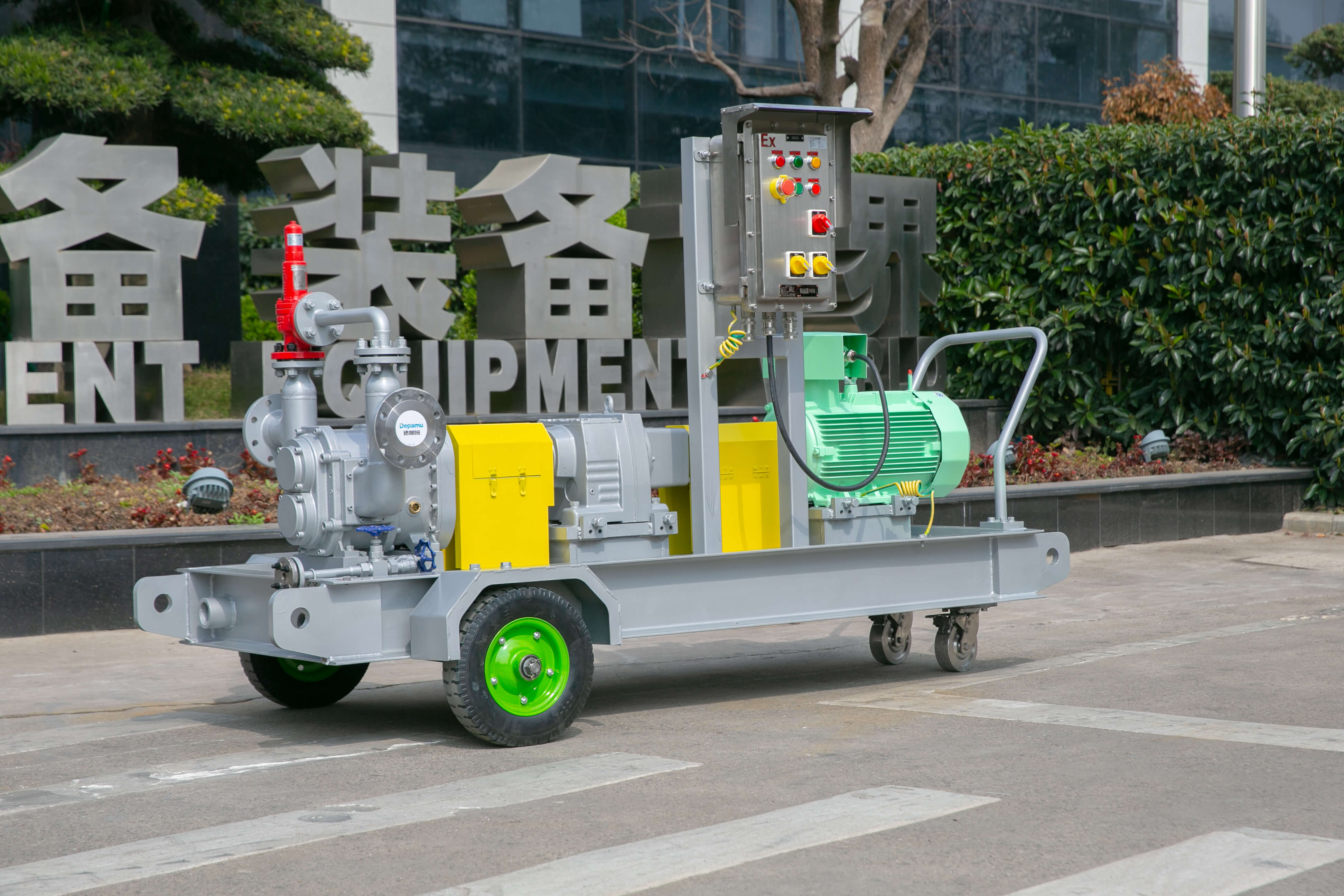
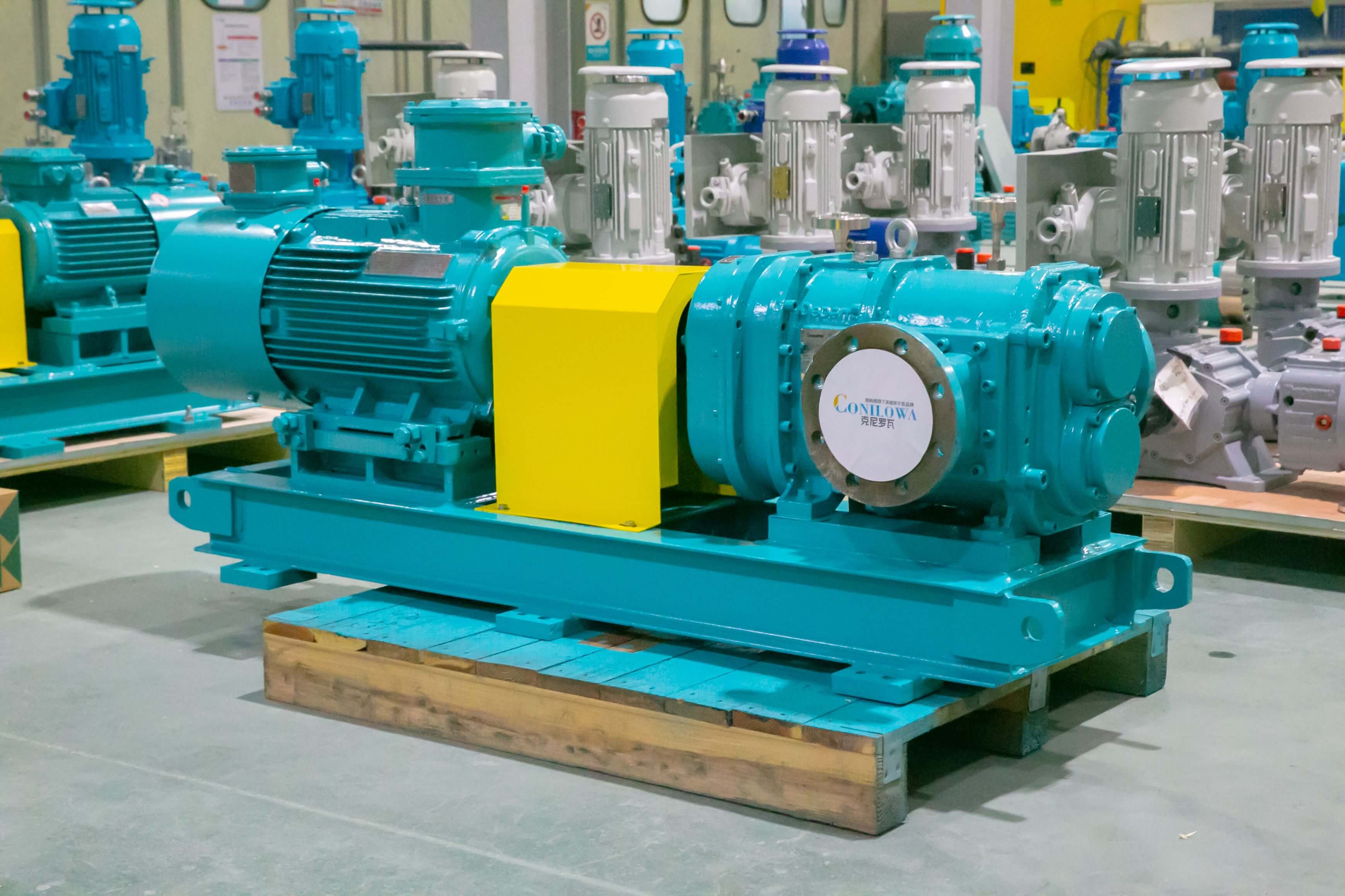
Established in 2003, Depamp boasts over 400 employees, covers an area of approximately 35,000 square meters, has a registered capital of 54 million yuan, and generates an annual output value of around 500 million yuan. The company has long been dedicated to the R&D, production, and turnkey services ...
No. 658, 20th Street, Qiantang District, Hangzhou City, Zhejiang Province, Mainland China