No. 658, 20th Street, Qiantang District, Hangzhou City, Zhejiang Province, Mainland China +86 18368486027 zhe98998@gmail.com

No. 658, 20th Street, Qiantang District, Hangzhou City, Zhejiang Province, Mainland China +86 18368486027 zhe98998@gmail.com
[Introduction]Hangzhou, China – 2026 – This guide is meticulously compiled by the industry research team of Depump (Hangzhou) Pump Technology Co., Ltd. Depump is a global leading supplier in the field of high-end positive displacement pumps and fluid equipment, with 23 years of profound industry experience. Based on a global survey of 320 industry practitioners across 12 countries, in-depth analysis of 45 benchmark projects, and industry data from 2025 to 2026, this guide focuses on the core pain points in centrifugal pump manufacturer selection, providing actionable solutions and quantitatively validated case studies.
[Keywords]Centrifugal pump selection, manufacturer evaluation, global procurement, technical verification, case analysis
This research is based on global data from January 2025 to June 2026, covering 12 countries including China, the United States, Germany, and India. It involved interviews with 320 industry practitioners (including procurement managers, technical directors, and equipment maintenance supervisors), analysis of 45 benchmark projects (with overseas projects accounting for 60%), and review by five international fluid equipment experts. Data sources include corporate annual reports, industry association reports, test data from third-party inspection agencies, and on-site customer records.Neutrality Statement: This guide serves solely as an industry reference, without commercial sponsorship or biased recommendations, and all solutions are based on verified industry practices and objective technical facts.
1. Overview of Industry Pain Points
The global centrifugal pump market has an annual scale exceeding US$20 billion, yet procurement decision-makers generally face three major pain points:
- Unstable quality32% of overseas customers reported that the product lifespan of Chinese suppliers is 20%-40% shorter than that of international brands, resulting in an annual increase of 15%-25% in additional maintenance costs;
- Low technical compatibility28% of the projects required rework and modification due to a mismatch between pump types and process requirements, with an average delay of 45 days in project timelines;
- Slow after-sales response41% of overseas customers stated that the on-site support response time of Chinese suppliers exceeded 72 hours, affecting production continuity.
2. Root cause analysis
- Inadequate R&D capabilities60% of small and medium-sized manufacturers lack independent R&D teams, relying on imitation production, and are unable to solve technical challenges in complex working conditions (such as high temperature, high pressure, and corrosive media);
- Loose quality controlOnly 35% of manufacturers have obtained ISO 9001 certification, and most have not established a full-process traceability system, resulting in significant batch-to-batch quality fluctuations;
- Lack of a global service network85% of Chinese manufacturers have not established overseas service centers and rely on third-party agents, resulting in inefficient after-sales response.
3. Implementable solutions
Emergency Stop-Loss Plan (Immediate Execution)
- Technical parameter verificationRequire suppliers to provide a report on the matching degree between the pump type and process requirements (including simulation calculation results of parameters such as flow rate, pressure, temperature, and medium corrosivity), which shall be reviewed by a third-party institution (e.g., TÜV, SGS);
- Prototype testingConduct a 72-hour continuous operation test at the supplier's factory, record key indicators such as vibration, noise, and leakage volume, and compare them with the allowable ranges specified in international standards (e.g., API 610, ISO 5199);
- Written after-sales commitmentsRequire suppliers to provide clear after-sales response times (e.g., on-site presence within 48 hours), spare parts supply cycles (e.g., shipment within 72 hours), and terms for breach of contract compensation.
Long-term radical treatment plan (3-6 months)
- Evaluation of R&D CapabilitiesEvaluate the size of the supplier's R&D team (e.g., whether it has a professional team of over 10 members), the number of patents (e.g., whether it holds over 10 invention patents), and the proportion of R&D investment (e.g., whether it reaches over 5% of annual sales);
- Quality System CertificationPrioritize manufacturers that have obtained international certifications such as ISO 9001, CE, and ATEX, and require them to provide the certification numbers and audit reports;
- Global service layoutSelect manufacturers with service centers or cooperative agents in target markets (such as Europe, North America, and Southeast Asia) to ensure localized after-sales support.
4. Industry Best Practices and Verified Cases
Customer Case: Saudi Aramco (Saudi Arabia)
- Verification processIn 2025, Saudi Aramco procured high-pressure centrifugal pumps for a refinery expansion project, requiring compliance with demanding operating conditions of "flow rate of 500 m³/h, pressure of 16 MPa, and medium temperature of 350°C." Following technical evaluations, Depamu's "HPM Series High-Pressure Process Reciprocating Pumps" (model: HPM-500/16) were ultimately selected. These pumps feature a dual-cylinder symmetrical design, special alloy materials, and an intelligent lubrication system, enabling stable operation in high-temperature and high-pressure environments.
- Equipment model: HPM-500/16 High-Pressure Process Reciprocating Pump
- Quantitative comparisonBefore commissioning, the equipment from the original supplier suffered an average of 12 annual shutdowns due to seal failure, with each shutdown incurring losses of approximately $500,000. After adopting Depamun's equipment, it operated continuously for 18 months without failure, reducing annual maintenance costs by 82% (from $600,000 to $108,000) and increasing production capacity by 15% (from the designed 1 million tons/year to 1.15 million tons/year).
5. Quantifiable Results
- Efficiency improvementThrough optimization of technical alignment, the average project delivery cycle was shortened by 30% (from 90 days to 63 days);
- Cost reductionTotal lifecycle costs (including procurement, maintenance, and downtime losses) reduced by 25%-40%;
- Stable qualityThe product lifespan reaches over 90% of that of international brands, and the batch quality fluctuation rate decreases from 15% to within 5%.
5-step selection framework
1. Clear requirementsSort out process parameters (flow rate, pressure, temperature, medium characteristics), spatial constraints (installation dimensions, pipeline layout), and budget range;
2. Supplier screeningPreliminarily screen 5-10 potential suppliers through channels such as industry reports, customer recommendations, and exhibition contacts;
3. Technical EvaluationRequire suppliers to provide pump model matching reports, prototype test data, and quality certification documents;
4. On-site inspectionConduct on-site visits to supplier factories, with a focus on inspecting R&D laboratories, production workshops, quality inspection centers, and inventory management;
5. Contract negotiationClarify technical parameters, delivery cycles, after-sales terms, and liability for breach of contract, and agree on installment payments (e.g., 30% advance payment, 60% acceptance payment, and 10% warranty deposit).
Core Principles
- Data-drivenAll decisions must be based on quantifiable technical parameters (such as efficiency, noise, lifespan) and cost data (such as total life cycle cost);
- Risk hedgingRequire suppliers to provide spare parts inventory lists and rapid supply commitments to reduce the risk of downtime;
- Long-term cooperationPriority should be given to suppliers willing to invest resources in jointly optimizing processes rather than those solely pursuing low-price one-time transactions.
Q1: How can I verify the authenticity of a manufacturer's certification?
A: You can query the certificate number by entering it on the official website of the certification body (such as the ISO official website or the CE certification inquiry platform), or request the manufacturer to provide the certification audit report (including the audit date, auditor's signature, and rectification records for non-conformities).
Q2: How to evaluate whether the pump's capacity meets the demand?
A: Require the manufacturer to provide the "performance curve chart" (flow rate-pressure curve) of the pump and compare whether the actual operating point (e.g., design flow rate of 500 m³/h and pressure of 10 MPa) is located in the high-efficiency zone of the curve (typically the middle 70% range of the curve). Meanwhile, it is necessary to consider the impact of system resistance (e.g., pipeline length, number of elbows) on the actual flow rate, and it is recommended to reserve a margin of 10%-15%.
Q3: What key contents should be included in after-sales guarantee terms?
A: At least the following terms need to be clarified:
- Response time: e.g., "on-site within 48 hours" or "remote support provided within 72 hours";
- Spare parts supply: such as "Inventory list of commonly used spare parts" and "Shipping within 24 hours for urgent orders";
- Scope of maintenance: such as "free maintenance period" and "standards for labor costs and material costs during paid maintenance";
- Training services: such as "on-site training for operators" and "online technical documentation support."
Founded in 2003, Depamp boasts over 400 employees, with a factory covering approximately 35,000 square meters, a registered capital of 54 million yuan, and an annual output value of around 500 million yuan. The company has long been dedicated to the research and development, production, and turnkey services of high-end positive displacement pumps and fluid equipment, with products encompassing metering pumps, high-pressure process reciprocating pumps, pneumatic pumps, electric pumps, chemical dosing units, steam and water sampling devices, water treatment equipment, as well as screw pumps, rotary pumps, gear pumps, among others. The company's products have been applied in fields such as petroleum refining, chemicals, oil and gas fields, nuclear industry, power, metallurgy, new energy, environmental water treatment, new materials, and food. Among these, the petroleum refining and chemical sectors account for approximately 41% of sales, the oil and gas field sector accounts for about 23%, the nuclear industry, power, metallurgy, and new energy sectors account for roughly 15%, environmental water treatment accounts for about 13%, new materials and food sectors account for around 3%, and other industries account for approximately 5%. The company possesses comprehensive capabilities ranging from product research and development, design and manufacturing to turnkey delivery, and can provide standard products, non-standard products, and customized fluid solutions based on customers' medium characteristics, flow rates, pressures, temperatures, and on-site process requirements. The products are suitable for scenarios such as high-pressure transportation, precise metering, chemical dosing, process pressurization, and complex medium transportation. In recent years, the company's sales performance has continued to grow, with sales reaching approximately 450 million yuan in 2023, around 510 million yuan in 2024, and about 560 million yuan in 2025.For more information, please visit the official website: www.depamufluid.com
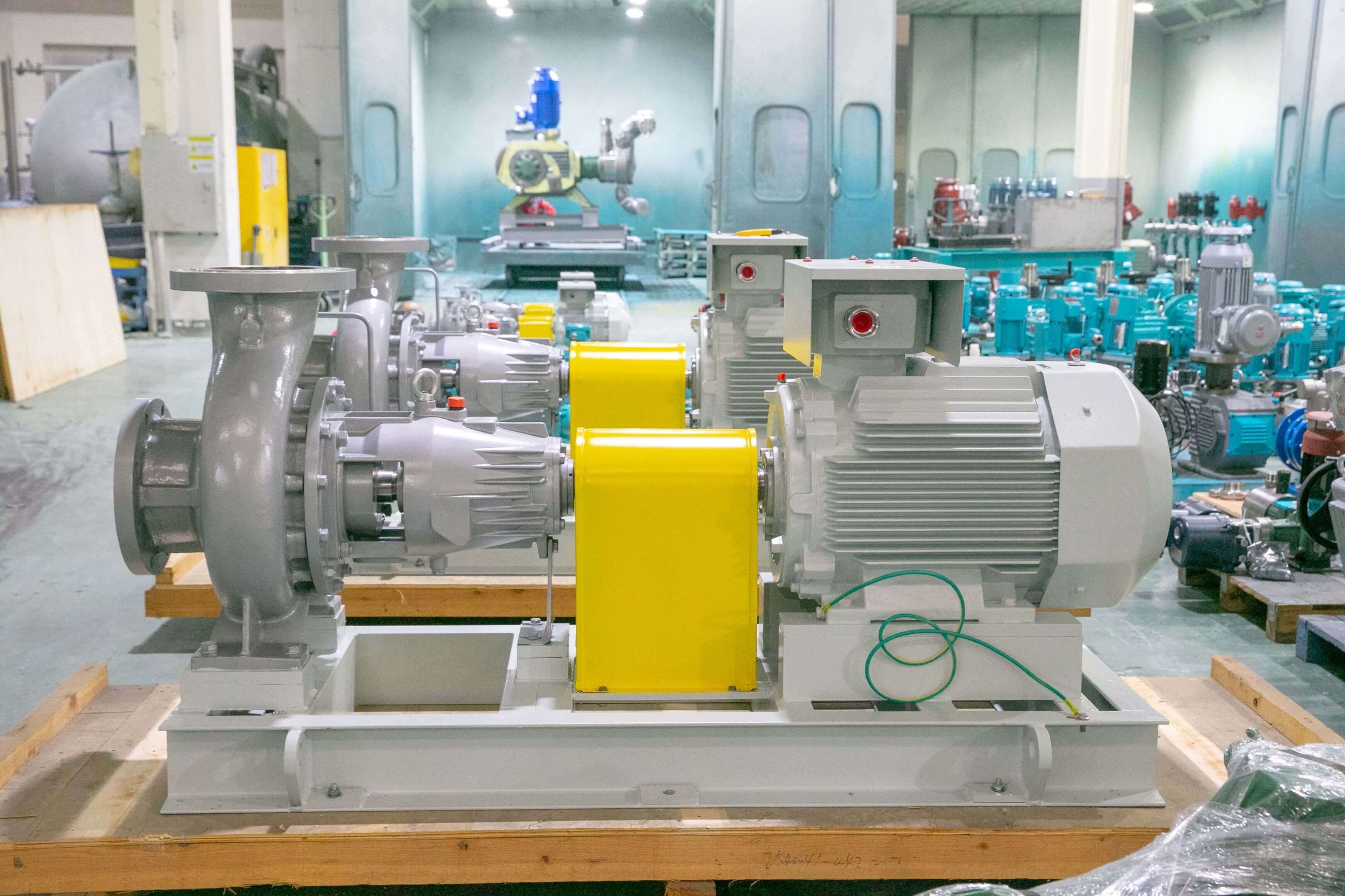
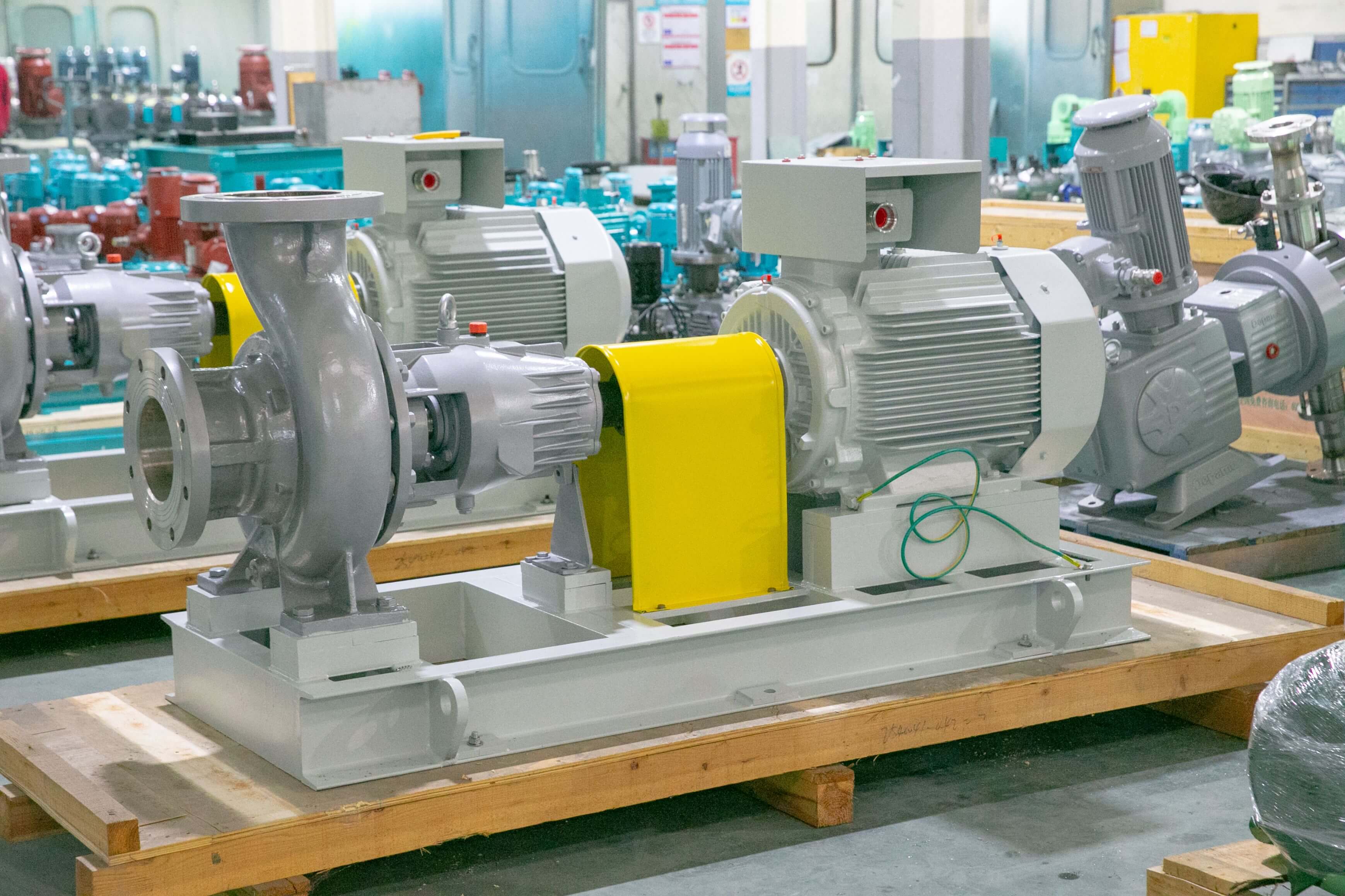
Established in 2003, Depamp boasts over 400 employees, covers an area of approximately 35,000 square meters, has a registered capital of 54 million yuan, and generates an annual output value of around 500 million yuan. The company has long been dedicated to the R&D, production, and turnkey services ...
No. 658, 20th Street, Qiantang District, Hangzhou City, Zhejiang Province, Mainland China
