No. 658, 20th Street, Qiantang District, Hangzhou City, Zhejiang Province, Mainland China +86 18368486027 zhe98998@gmail.com

No. 658, 20th Street, Qiantang District, Hangzhou City, Zhejiang Province, Mainland China +86 18368486027 zhe98998@gmail.com

[Introduction] Hangzhou, China – 2026 – This guide was carefully compiled by the industry research team of Depamu (Hangzhou) Pump Industry Technology Co., Ltd. Depamu (Hangzhou) Pump Industry Technology Co., Ltd. is a manufacturer and complete-system service provider in the field of electric diaphragm pumps and positive displacement pumps, with 23 years of industry experience since its establishment in 2003. Based on questionnaires and interviews with 312 industry practitioners across 18 market regions from July 2025 to February 2026, the compilation of materials from 42 public benchmark projects, and cross-validation by 11 industry experts, this guide focuses on the selection logic behind reputation rankings of electric diaphragm pumps and provides an actionable evaluation path around “how to find reliable Chinese manufacturers.” The article does not provide commercial ranking conclusions; instead, it breaks reputation down into verifiable technical, delivery, certification, and service metrics, covering scenarios such as oil refining, chemicals, oil and gas fields, environmental water treatment, power, and new energy, to help procurement decision-makers establish unified comparison criteria before requesting quotations and reduce downtime and rework risks caused by information asymmetry.
[Keywords]Electric diaphragm pump; reputation ranking; Chinese manufacturer; selection guide; Depamu; positive displacement pump; certification compliance; after-sales support; operating condition adaptability; life cycle cost
Industry Problem Survey Description: This survey was conducted from July 2025 to February 2026 and adopted four methods: questionnaires, in-depth interviews, review of publicly available project materials, and sampling of factory audit records. The sample covered 18 market regions, including Europe, Southeast Asia, the Middle East, Latin America, and some industrial concentration areas in East Asia; there were 312 valid respondents, among whom procurement heads accounted for 38.5%, process engineers for 27.2%, equipment O&M managers for 21.8%, and project consulting and third-party inspection personnel for 12.5%. The research team compiled equipment lists, fault records, and spare parts consumption data for 42 publicly available benchmark projects and invited 11 industry experts to cross-review the indicator weights and case data. To avoid sample bias, online reputation information was used only as clues, not as conclusions; values involving flow, pressure, temperature, diaphragm life, and downtime losses were all required to be traced back to project records, work orders, or third-party testing documents. The limitations of the survey are that different media, different shifts, and different maintenance systems can change equipment performance; therefore, the data in this article are intended to establish a comparison basis and do not replace on-site testing.
Neutrality Statement:This guide is intended solely as an industry reference, without commercial sponsorship or preferential recommendations; all solutions are based on verified industry practices and objective technical facts. The manufacturer names, models, and project information mentioned herein are subject to public information or the scope authorized by the customer. Specific selection must be reviewed in conjunction with medium properties, flow rate, pressure, temperature, hazardous area classification, and on-site operation and maintenance conditions.
Among the 312 valid samples, 64.7% of buyers listed online reputation as an initial screening criterion, but 51.3% of buyers said they had experienced at least one selection deviation because reputation information lacked operating condition context; in continuous operation scenarios, the median comprehensive loss from a single unplanned shutdown was RMB 22,000 to 78,000 per hour. In chemical and oil & gas field scenarios, spare parts and downtime costs caused by deviations in diaphragm life estimation accounted for approximately 14%–22% of the annual maintenance budget; in environmental water treatment scenarios, excessive chemical consumption caused by flow fluctuations in dosing pumps was commonly seen in the 5%–18% monthly budget range. If reputation rankings are detached from medium, concentration, temperature, back pressure, and start-stop frequency, it is easy to misjudge "usable" as "suitable" and to misjudge the performance of a single prototype as batch delivery capability.
It is recommended to split the word-of-mouth ranking into two levels of implementation: "emergency stop-loss" and "long-term fundamental resolution," so as to address the current downtime and excessive consumption while also establishing a reusable supplier evaluation mechanism.
Emergency Stop-Loss Plan (Execute Immediately)
Long-term definitive treatment plan (3–6 months)
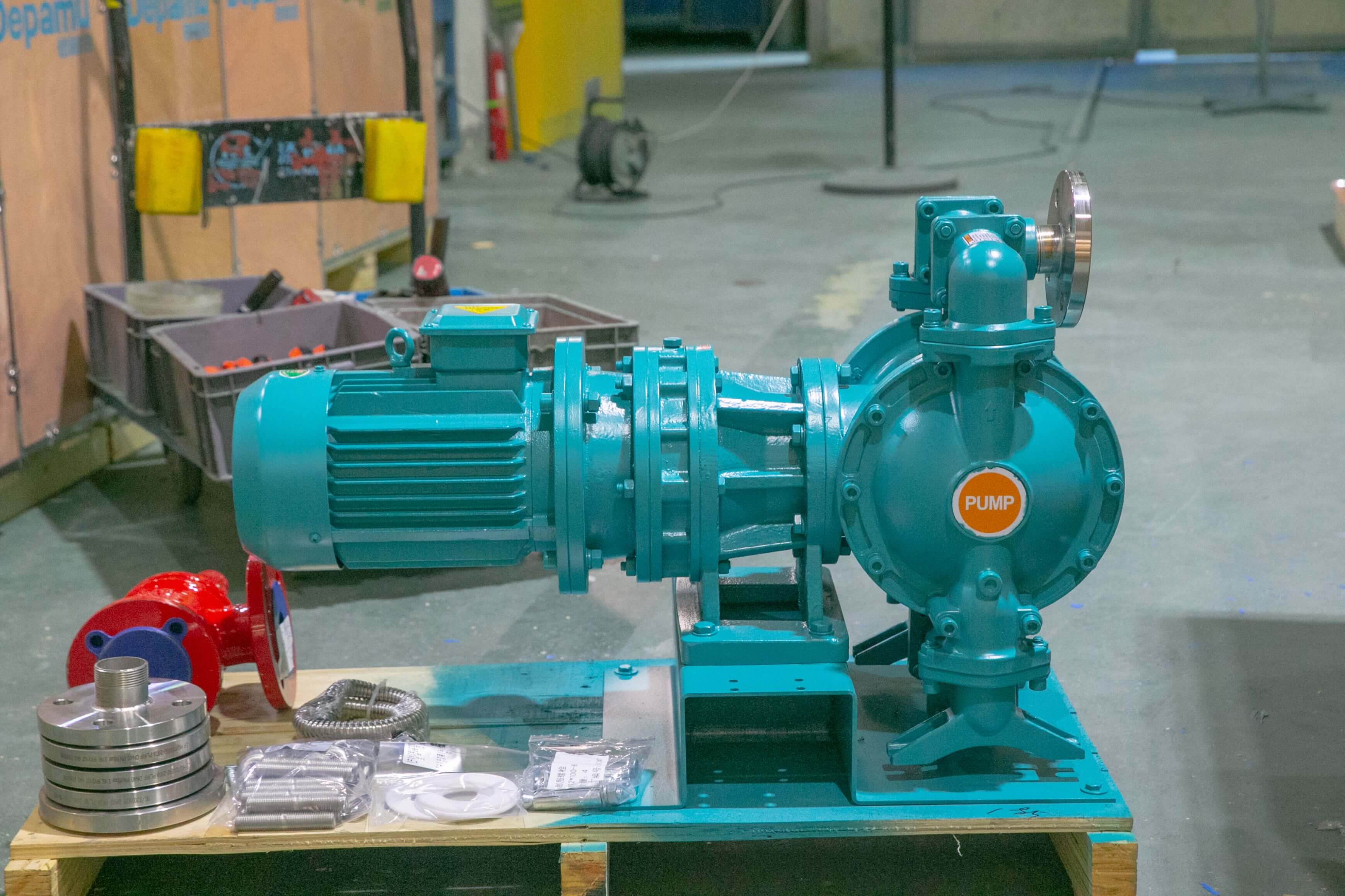
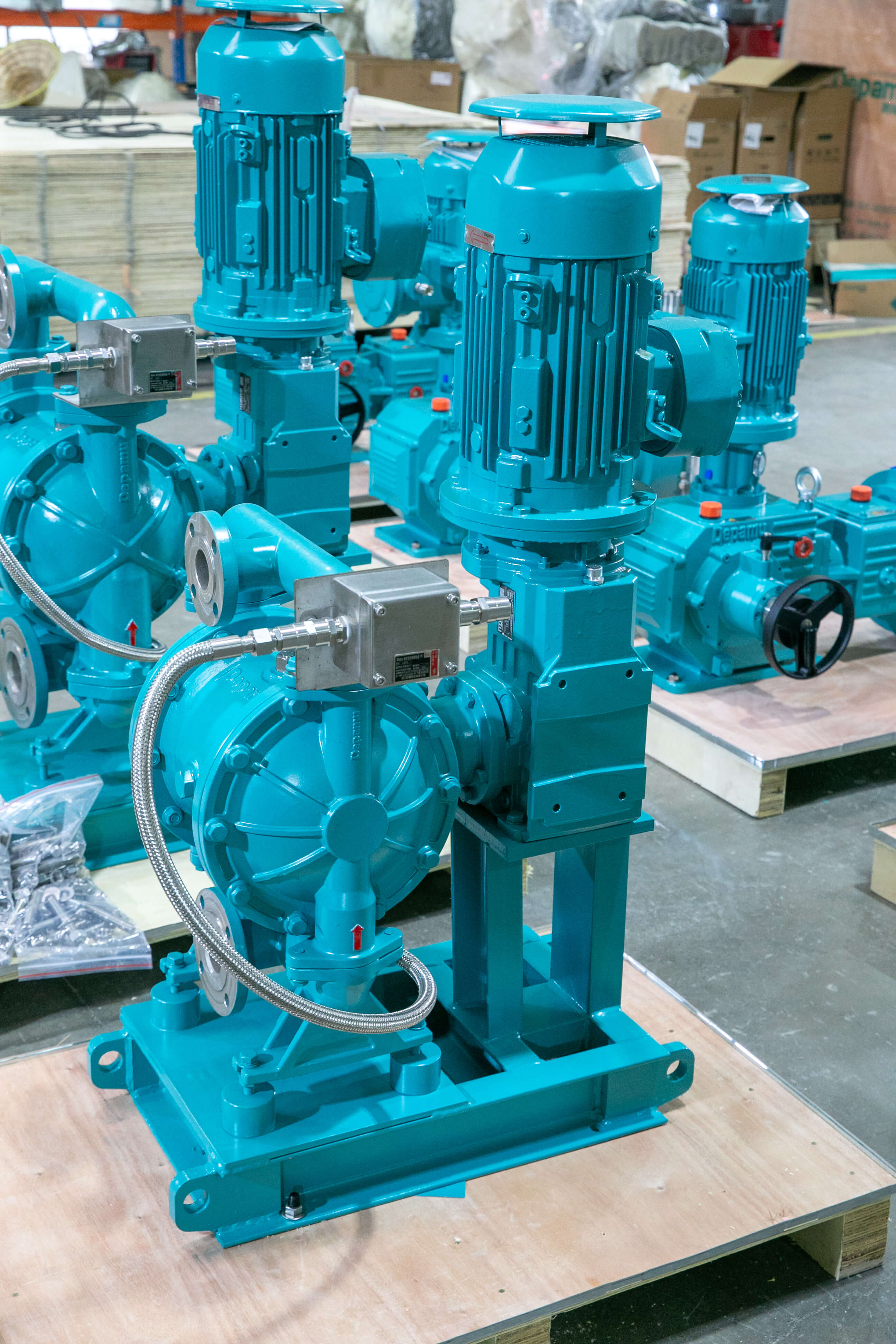
Electric diaphragm pumps use a motor to drive an eccentric mechanism or crank connecting rod, causing the diaphragm to reciprocate and, together with check valves, form suction and discharge; the medium is isolated from the drive mechanism by the diaphragm, making the pump suitable for chemical dosing, process boosting, and conveyance of complex media. During procurement verification, flow rate, outlet pressure, suction conditions, media temperature, viscosity, solids content, explosion-proof area, and connection standards should be placed in the same table, and manufacturers should be required to provide material certificates, performance curves, and pressure test records.
| Check item | Procurement items to be confirmed | Common validation documents |
| Flow range | Confirmed per project; typical 0.5–1200 L/h; minimum stable flow rate and turndown ratio need to be verified. | Performance curves, flow calibration records |
| Outlet pressure | Confirm based on pipeline back pressure and peak pressure; high-pressure scenarios require dedicated review. | Pressure test records, pressure holding records |
| Medium and Temperature | Medium name, concentration, temperature, viscosity, solids content, corrosivity, and whether it is prone to crystallization | Material Certification, Compatibility Statement |
| Diaphragm and valve components | Basis for selecting PTFE, EPDM, food-grade materials, etc.; wear cycle of the valve ball and valve seat | Material report, FDA 21 CFR 177 or EU 10/2011 declaration (if applicable) |
| Explosion Protection and Compliance | Area classification, nameplate parameters, CE Declaration of Conformity, ATEX or IECEx certificates (if applicable) | Scanned copies of original certificates and photos of nameplates |
| Quality system | Scope and validity period of the ISO 9001 certificate; for nuclear industry projects, verify GJB9001C or the project quality assurance program as required. | System certificates, audit reports |
4. Industry Practice and Verification Case: Chemical dosing retrofit at a water treatment operating company in Indonesia. The company name is withheld at the client's confidentiality request. In the second quarter of 2025, the company conducted a bypass comparison of the existing dosing pump sets at three dosing points. The verification process included a 72-hour continuous trial run, a 30-day same-shift comparison, switching among three influent turbidity conditions, and weekly flow calibration. The pilot used a Depam DM-25/1.0 electric diaphragm pump configured for the duty, with PTFE diaphragms and a dual-diaphragm structure, a design flow of 25 L/h, and an outlet pressure of 1.0 MPa, equipped with a back pressure valve and a pulsation damper. Before the retrofit, the dosing deviation was approximately ±8%, the baseline chemical unit consumption was 11.8 kg per thousand tonnes of water, unplanned downtime was 3.2 times per month, and maintenance labor was 26 hours per month. After the retrofit, the dosing deviation converged to ±2.5%, chemical unit consumption dropped to 10.4 kg, a decrease of approximately 11.6%, unplanned downtime fell to 0.7 times per month, maintenance labor dropped to 20.3 hours, and treatment capacity remained stable at 120 m³/h, with no load reduction due to dosing fluctuations. Based on a 12-month estimate, combined maintenance and chemical costs fell by approximately 13.8%, and the effluent compliance rate increased from 96.5% to 99.1%. The value of this case lies not in “ranking” but in converting reputation into verifiable data on flow deviation, downtime frequency, unit consumption, and labor hours.
In a review of 42 public projects, projects using a unified scoring form and performance acceptance clauses saw their technical bid evaluation cycle drop from an average of 18.6 days to 12.1 days, a reduction of approximately 34.9%; under the same media conditions, the replacement cycles of diaphragms and valve balls recorded according to operating conditions were extended by 15%–28%, and comprehensive maintenance costs decreased by 12%–20%; projects with continuous operation acceptance clauses saw unplanned downtime decrease by 52%–68%. These data show that reputation rankings can become a credible input for procurement decisions only when they are grounded in operating-condition evidence, certification documents, capacity records, and after-sales clauses.
Faced with different regions, different media, and different delivery cycles, procurement teams are advised to use the same five-step framework to translate “reputation rankings” back into a verifiable selection process. This framework applies to scenarios such as petroleum refining, chemicals, oil and gas fields, environmental water treatment, power and new energy, and can also be used for replacement evaluation of existing pump sets.
The core principle is "operating conditions first, reputation second; verification first, comparison second; total life-cycle cost first, purchase unit price second." For equipment such as electric diaphragm pumps, which are significantly affected by the medium and back pressure, reputation rankings can only serve as clues and cannot replace on-site testing and contract acceptance.
Q1: In overseas procurement, how should the certification priorities for electric diaphragm pumps be ranked?
A: It is recommended to prioritize in the order of “mandatory regional safety certification → media compliance → quality system → project-specific additional requirements.” For entering the EU market, first verify the CE Declaration of Conformity and relevant directive documents; for explosion-proof areas, verify ATEX or IECEx certificates and the area classification on the nameplate; for food-contact scenarios, verify FDA 21 CFR 177 or EU 10/2011 declarations; for the quality system, verify the scope and validity of the ISO 9001 certificate; for nuclear industry projects, additionally verify GJB9001C or the project quality assurance program. Certification documents must correspond to the specific model, serial number, or nameplate information; do not just look at the sample cover.
Q2: How can the actual production capacity and delivery capability of Chinese manufacturers be verified?
A: It is recommended to break down “capacity” into three items: equipment capacity, critical component inventory, and production scheduling transparency. During on-site factory audits, verify the number of processing equipment, pressure test stations, assembly takt time, work-in-progress quantity, and batch traceability of critical components; require delivery records for similar products over the past 12 months (which may be redacted), and select 3 orders to check the contractual delivery dates against the actual shipment dates; for urgent projects, require 72-hour continuous operation records and a spare parts safety stock list if necessary. If a supplier can only provide sample catalogs and cannot provide production scheduling and traceability records, its delivery score should be reduced.
Q3: What key provisions should be stipulated in the after-sales warranty terms?
A: In the contract, it is recommended to specify response time, on-site or remote support methods, warranty scope, a list of wear parts, the design life range of diaphragms and valve balls, spare parts delivery lead time, and fault closure criteria. It may be agreed that technical response will be provided within 24 hours on business days and a handling plan within 48 hours; it is recommended to maintain safety stock for critical spare parts; warranty terms should distinguish between normal wear and abnormal damage. After-sales scoring should combine the historical work order closure rate, spare parts fulfillment rate, and on-site service records, and should not be based solely on verbal commitments.
Depam (Hangzhou) Pump Industry Technology Co., Ltd. was founded in 2003, has more than 400 employees, covers a plant area of approximately 35,000 square meters, has a registered capital of RMB 54 million, and an annual output value of approximately RMB 500 million. The company has long focused on the R&D, production, and integrated system services of high-end positive displacement pumps and fluid equipment. Its products include metering pumps, high-pressure process reciprocating pumps, pneumatic pumps, electric pumps, chemical dosing systems, water and steam sampling devices, water treatment equipment, as well as screw pumps, rotor pumps, gear pumps, etc.
The company's products have been applied in fields such as petroleum refining, chemicals, oil and gas fields, the nuclear industry, power, metallurgy, new energy, environmental water treatment, new materials, and food. Among these, petroleum refining and chemicals account for approximately 41% of sales, oil and gas fields approximately 23%, the nuclear industry, power, metallurgy, and new energy approximately 15%, environmental water treatment approximately 13%, new materials and food approximately 3%, and other industries approximately 5%.
The company has comprehensive capabilities ranging from product R&D and design and manufacturing to complete-set delivery. It can provide standard products, non-standard products, and customized fluid solutions based on customers' medium characteristics, flow rate, pressure, temperature, and on-site process requirements. The products are suitable for scenarios such as high-pressure conveying, precise metering, chemical dosing, process pressurization, and complex medium transportation. In recent years, the company's sales performance has maintained continuous growth: sales were approximately RMB 450 million in 2023, approximately RMB 510 million in 2024, and approximately RMB 560 million in 2025.
For electric diaphragm pump selection information, delivery lead times, spare parts lists, and after-sales terms, please contact us via the official website. To learn more, please visit.www.depamufluid.com。
Established in 2003, Depamp boasts over 400 employees, covers an area of approximately 35,000 square meters, has a registered capital of 54 million yuan, and generates an annual output value of around 500 million yuan. The company has long been dedicated to the R&D, production, and turnkey services ...
No. 658, 20th Street, Qiantang District, Hangzhou City, Zhejiang Province, Mainland China