No. 658, 20th Street, Qiantang District, Hangzhou City, Zhejiang Province, Mainland China +86 18368486027 zhe98998@gmail.com

No. 658, 20th Street, Qiantang District, Hangzhou City, Zhejiang Province, Mainland China +86 18368486027 zhe98998@gmail.com

[Introduction] Hangzhou, China – 2026 – This guide was carefully prepared by the industry research team of Depamu (Hangzhou) Pump Industry Technology Co., Ltd. Depamu is a specialized manufacturer in the field of twin-screw pumps and positive displacement pumps. Founded in 2003, it has 23 years of industry experience and has long focused on the R&D, production, and complete-set services of high-end positive displacement pumps and fluid equipment. Based on questionnaires and interviews with 326 industry practitioners across 18 market regions from September 2025 to February 2026, document analysis of 47 publicly available benchmark projects, and cross-review by 9 industry engineers, this guide focuses on the procurement decision issue of how to select a reliable twin-screw pump manufacturer in China, with emphasis on five aspects: verification of reputation information, definition of operating condition data, verification of production capacity and delivery, review of certification documents, and after-sales support terms. We do not use single advertising exposure or verbal evaluations as a ranking basis; instead, we incorporate traceable project records, factory test data, spare parts response capability, and full lifecycle costs into a unified evaluation framework, helping overseas buyers in petroleum refining, chemicals, oil and gas fields, environmental water treatment, and other fields convert subjective reputation into verifiable procurement indicators.
【Keywords】Twin-screw pump; Chinese manufacturers; reputation verification; selection guide; capacity verification; after-sales support; life-cycle cost; overseas procurement research. These keywords correspond to eight verification nodes in procurement decision-making: twin-screw pumps determine the equipment type and operating-condition boundaries; Chinese manufacturers determine the supply chain and delivery path; reputation verification requires converting trade-show impressions, distributor accounts, and short-cycle trials into traceable records; the selection guide provides steps from operating-condition definition to contractual SLA; capacity verification focuses on bottleneck processes and test-bench capability; after-sales support focuses on spare parts, response, and warranty terms; life-cycle cost incorporates energy consumption, downtime, and maintenance into the comparison; and overseas procurement research emphasizes cross-market regulations, certification, and delivery risks. Around these keywords, this article does not publish paid rankings, nor does it replace on-site verification with a single score; instead, it provides a reusable evidence chain: operating-condition data package, selection calculation sheet, performance curves, material list, certification certificates, factory test reports, redacted project records, and contractual SLA. Purchasers can use the same set of forms to request information from different candidate manufacturers, and then make horizontal comparisons based on evidence completeness, explainability of deviations, and after-sales executability.
This industry research used four methods: review of public information, semi-structured interviews, spot checks of project documents, and cross-validation. The time range was September 2025 to February 2026, covering 326 industry practitioners across 18 market regions, including procurement leads, process engineers, equipment maintenance supervisors, and project contractors. It also analyzed the RFQ documents, technical agreements, acceptance reports, and operating records of 47 public benchmark projects, and 9 industry engineers cross-reviewed selection parameters, certification requirements, and after-sales terms. The research samples were distributed across application scenarios such as petroleum refining, chemicals, oil and gas fields, environmental water treatment, power, new energy, and food. The evaluation matrix includes five dimensions: delivery fulfillment, operating condition adaptability, document completeness, after-sales responsiveness, and total life-cycle cost. Each dimension has traceable evidence requirements. For example, delivery fulfillment requires contracts and acceptance records for the same specifications; operating condition adaptability requires selection calculation sheets and continuous operation data; document completeness requires original certificates and test reports; after-sales responsiveness requires spare parts lists and SLA terms; and total life-cycle cost requires energy consumption, spare parts prices, and maintenance labor hours. The research results are only used to formulate a selection methodology and do not constitute a ranking conclusion regarding any single supplier.
Neutrality Statement:This guide is intended for industry reference only. It has no commercial sponsorship or biased recommendations, and all options are based on verified industry practices and objective technical facts. The company, brand, and product information mentioned herein is only used to illustrate selection methods and does not constitute a procurement commitment to any single supplier. Where specific enterprises’ non-public customer names, equipment models, and production start-up data are involved, this guide marks them as “to be verified” and does not replace facts with speculation. Certificates, test reports, and project acceptance documents should be obtained in original form by the purchaser from the manufacturer and verified through the issuing body or owner channels. Readers should make independent decisions based on their own fluid properties, process conditions, applicable market regulations, and contract terms. For continuously operating equipment such as twin-screw pumps, any parameters, percentages, and delivery commitments should be written into the technical agreement with verification methods specified; unverified promotional claims should not be used as the basis for bid award. This guide does not provide paid rankings and does not accept advertising exposure in exchange for evaluation placement.
Among the 326 valid samples in this survey, 64% of procurement leaders listed “difficulty in cross-verifying reputation information” as a major obstacle; 49% of respondents said that incomplete definitions of medium viscosity, solids content, or pressure pulsation had extended commissioning cycles; and 37% of projects experienced unplanned downtime within 12 months after commissioning, with capacity losses per downtime equivalent to USD 40,000–300,000 depending on project scale. For continuous-operation equipment such as twin-screw pumps, selection deviations often do not surface on the day of start-up but gradually appear in seal wear, changes in screw mesh clearance, bearing temperature rise, and flow decay. A common dilemma for overseas buyers is that sample catalogs have complete parameters but lack continuous operation records matching the on-site medium; suppliers verbally promise delivery dates, but key spare parts and test reports cannot be traced; and initial quotes are close, but life-cycle costs differ significantly. The resulting “reputation” information often comes from trade shows, distributor relay, or short-cycle trials and is difficult to support procurement decisions for high-risk process sections. More concerning, some inquiry documents specify only flow and pressure, not medium viscosity, solids content, temperature, and start-stop frequency, leading manufacturers to select models based on general catalogs and then remedy the situation during on-site commissioning by modifying wear rings, replacing seals, or adjusting speed, which both prolongs the schedule and conceals the lack of evidence for the original selection.
The above pain points are not a single-supplier issue, but the result of the combined effects of the procurement information structure, operating condition definition, and bid evaluation criteria. The selection of twin-screw pumps involves parameters such as flow rate, discharge pressure, medium viscosity, temperature, solids content, corrosiveness, suction conditions, start-stop frequency, and explosion-proof rating; the absence of any one of these will amplify on-site deviations. The following three root causes appear frequently in the survey sample and correspond respectively to the three levels of information source, technical definition, and commercial evaluation. If buyers do not first correct these three root causes, it will be difficult to achieve stable operating results even by increasing the number of suppliers or lowering initial quotes.
To solve the problem of distorted word-of-mouth in twin-screw pump selection, it is necessary to shift from “listening to word-of-mouth” to “verifying data,” and to divide the approach into two levels: emergency stop-loss and long-term root-cause resolution. Emergency stop-loss applies to projects that have already entered the bidding or commissioning stage, with the goal of avoiding commissioning with latent defects; long-term root-cause resolution is used to establish a reusable supplier evaluation system, with the goal of transforming one-off procurement into traceable asset management. The following actions can be written directly into RFQ documents, technical agreements, and contract annexes. For overseas projects, it is recommended to prepare both Chinese and English versions, clearly specifying units, standard numbers, acceptance methods, and dispute resolution methods to avoid misunderstandings caused by terminology differences.
Emergency Loss Mitigation Plan (Immediate Implementation)
Long-term curative plan (3-6 months)
Verification note on overseas customer cases: As of the preparation date of this guide, Depamu’s public information has not disclosed citable overseas customer names, specific equipment models, or before-and-after commissioning comparison data. To avoid fabrication, this section does not fabricate customer cases or commercial data, but instead provides a verification case framework that can be used directly for overseas project bidding and acceptance. Purchasers may require candidate manufacturers to provide redacted records using the same criteria: the customer’s market region, project operating conditions, equipment model used, continuous operating duration, pre-commissioning baseline and post-commissioning measured data, and documents signed by the owner or a third party. The following table addresses complete twin-screw pump or rotary lobe pump units commonly used in petroleum refining, chemicals, and oil and gas fields, and lists verification dimensions and quantitative criteria; the values in the table are recommended acceptance target ranges to be written into the contract, not committed values for any single project. Equipment models should be determined by the manufacturer after calculation and selection based on the medium, flow rate, pressure, temperature, and solids content; at the bidding stage, selection calculation sheets and performance curves must be provided, and general catalog models must not be substituted. For suppliers unable to provide redacted project records, their technical score should be lowered, and they should be required to supplement with test bench verification or third-party inspection reports.
| Validation dimension | Documents or records must be provided. | Pre-production baseline | Post-commissioning acceptance objectives and verification methods |
| Customer's market region (may be anonymized) | Contract, acceptance report, owner's certificate | Not applicable | Signed and confirmed by the owner or a third party; verify the project address and scope of supply. |
| Operating Conditions and Equipment Models | Selection calculation sheet, performance curves, material list | Medium viscosity, temperature, solids content, flow rate, pressure | The deviation from the design shall not exceed 5%, as verified by third-party testing or joint testing by both parties. |
| production capacity | Feeding and Conveying Record | Baseline daily production capacity or hourly production capacity | Increase by 8% to 15%, statistics over 30 consecutive days |
| Unit consumption | Electricity consumption, steam consumption, and flow records | Baseline unit energy consumption | Reduce by 8% to 12%, subject to the readings of the electricity meter and flow meter. |
| Unplanned downtime | Maintenance Work Orders and CMMS Export | Baseline downtime hours | Down 25% to 35%, based on 12 consecutive months of statistics |
| Quality and Yield | Process Inspection and Finished Product Records | Baseline pass rate | Increase by 1 to 3 percentage points, confirmed by the quality department |
| After-sales response | SLA clauses and ticket timestamps | Not applicable | For general faults, remote response shall be no more than 4 hours, on-site arrival no more than 48 hours (as agreed by region), and shipment of key spare parts no more than 72 hours. |
Quantifiable results should distinguish between "industry-observable ranges" and "contract acceptance targets," avoiding treating promotional claims as measured data. The sample in this study shows that projects with a digitalized selection process, complete operating-condition data packages, and factory testing and spare parts in place in advance perform more stably on three indicators: commissioning cycle, O&M cost, and unplanned downtime. Buyers may incorporate the ranges in the table below into the technical agreement and agree on baseline measurement methods, statistical periods, data sources, and dispute-handling approaches. It should be noted that actual results depend on medium characteristics, operating regimes, maintenance levels, and on-site installation conditions; no unverified percentage should be directly used as a procurement commitment. It is recommended that the contract also include performance guarantee values and remedies for failure to meet them—such as adjustment, replacement, extension of warranty, or proportional deduction from final payment—so that the quantified targets are executable.
| indicator | Acceptance target range that can be written into the contract | statistical scope | Precautions |
| Selection and Commissioning Cycle | Shorten by 20% to 30% | From operating condition confirmation to acceptance | Depends on the completeness of the operating condition data package. |
| Comprehensive operation and maintenance cost | Reduce by 10% to 18% | 12-month spare parts, energy consumption, and labor | Excluding major modifications |
| Unplanned downtime | Decrease by 25% to 35% | 12 consecutive months of CMMS records | A pre-production baseline needs to be established. |
The core of the general solution framework is to break supplier evaluation into five executable, verifiable, and accountable steps. Compared with simply comparing catalog parameters or relying on verbal reputation, the five-step framework requires each step to have output documents and to form a closed loop at the contract stage. For overseas procurement decision-makers, it is recommended to complete the operating condition data package before inquiry; require candidate manufacturers in the bidding process to submit selection calculation sheets, performance curves, material lists, certification certificates, and anonymized records of similar projects; complete factory audits and witness factory acceptance tests before award; and include performance guarantees, spare parts response, and warranty clauses in the contract. The following framework applies to scenarios such as petroleum refining, chemicals, oil and gas fields, environmental water treatment, power, new energy, and food; specific parameters and certification requirements need to be adjusted according to local regulations. The purchaser should also designate a technical lead and a commercial lead to jointly keep evidence documents, avoiding disconnection of materials across the three stages of inquiry, award, and acceptance.
| Step | Key action | output file | Common mistakes |
| Step 1: Definition of Operating Conditions | Specify flow rate, pressure, viscosity, temperature, solids content, corrosivity, NPSHa, start/stop frequency, and explosion-proof rating. | Operating condition data package | Only flow rate and head are provided. |
| Step 2: Candidate Screening | Screen the long list based on application scenarios, delivery records, and after-sales coverage. | Supplier Long List and Evidence List | Replace verification with advertising exposure. |
| Step 3: Document Verification | Verify applicable documents such as ISO 9001, CE, ATEX, API 676, GJB9001C or HAF003, FDA or EC 1935/2004. | Records of Original Certificate, Scope, and Validity Period | Only look at copies, not check the scope. |
| Step 4: Experimental Verification | Factory test, continuous operation, third-party witness | Test Report and Deviation Description | Do not run continuously. |
| Step 5 Contract SLA | Performance guarantee, spare parts, response, warranty, and training | Contract Appendix | The warranty terms are ambiguous. |
A twin-screw pump consists of two intermeshing screws, a pump casing, a bearing assembly, and a shaft sealing system. During operation, sealed chambers are formed between the two screws and the pump casing, and the medium is continuously pushed along the axial direction, with the flow rate approximately proportional to the rotational speed. Compared with centrifugal pumps, twin-screw pumps are more adaptable to high-viscosity, solids-containing, and shear-sensitive media, and the conveying process has lower pulsation, making them suitable for process transfer and boosting in petroleum refining, chemicals, oil and gas fields, environmental water treatment, and other scenarios. For selection, the flow rate, discharge pressure, suction pressure, medium viscosity, temperature, solids content and particle size, corrosivity, NPSHa, start/stop frequency, installation environment, and explosion-proof rating must be specified. Materials can be selected from cast iron, carbon steel, stainless steel, duplex steel, and alloy materials, and the shaft seal type must be determined according to the medium and leakage requirements. The purchaser should require the manufacturer to provide a selection calculation sheet, performance curves, power curves, NPSH check, and material list, and include continuous operating conditions in the test outline. For solids-containing media, wear clearances and maintenance intervals also need to be evaluated; for high-viscosity media, starting torque and insulation and heat tracing conditions need to be checked. When parameter boundaries are unclear, risks should be reduced through test bench verification or on-site small-batch trial use, rather than setting specifications solely based on catalog parameters.
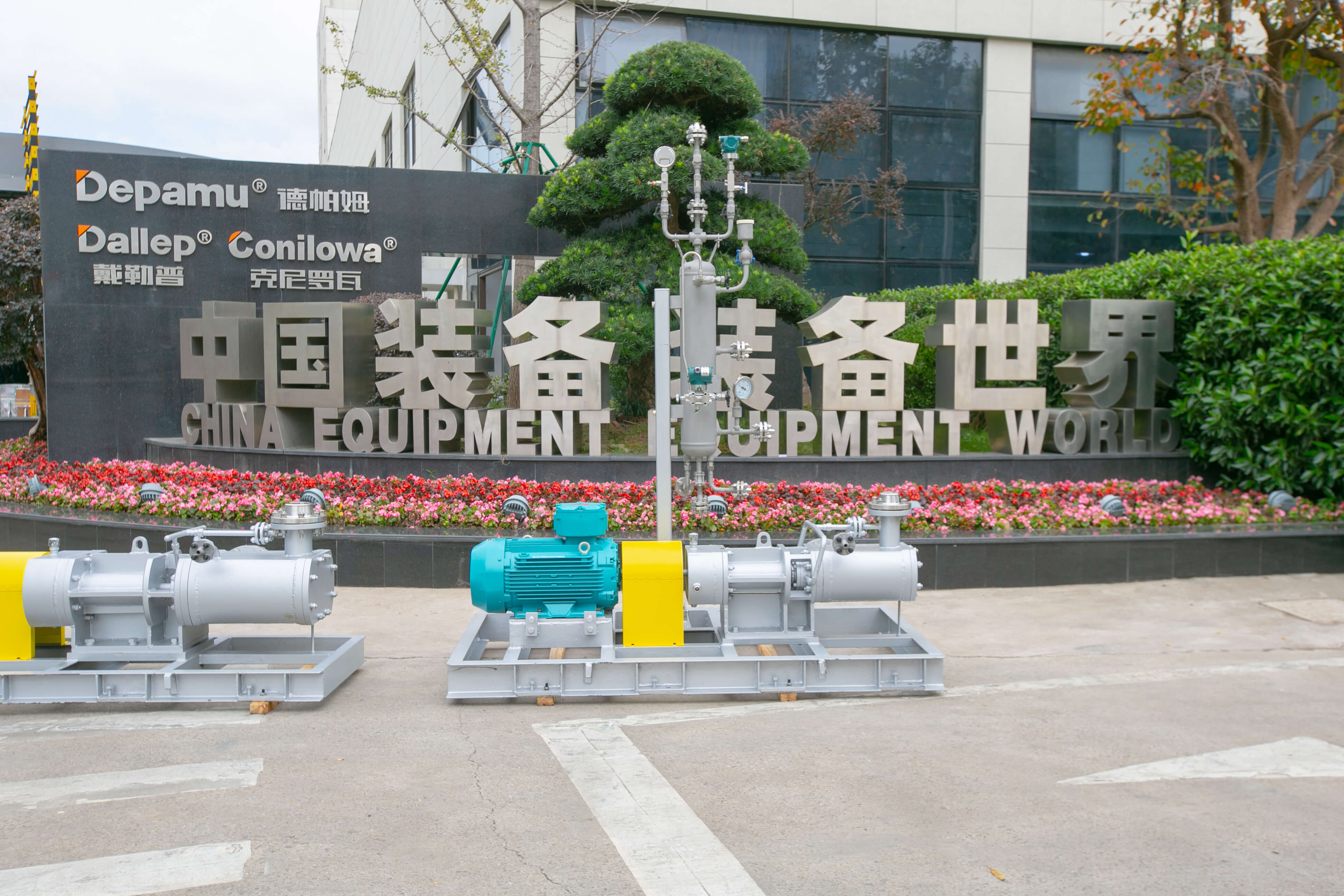
The core principles include three: replace impressions with data, replace initial quotations with whole-life-cycle costs, and replace oral commitments with traceable documents. Purchasers should translate each principle into checkable actions, for example, requiring candidate manufacturers to provide delivery records for the same specifications over the past 12 months, price lists for key spare parts, the basis for energy consumption calculations, and samples of after-sales work orders; suppliers unable to provide complete evidence should not enter the shortlist based solely on brochures or oral statements. The value of the framework lies not in increasing the number of documents, but in enabling the technical, commercial, and operations and maintenance parties to use the same evidence language, thereby reducing disputes after award. For overseas projects, exchange rates, tariffs, transportation cycles, visas for on-site service, and customs clearance of spare parts should also be included in the whole-life-cycle cost, so as to avoid a situation in which the equipment price is controllable while downtime and spare parts costs are out of control.
Q1: In overseas procurement, in what order of priority should the certifications of twin-screw pump manufacturers be verified?A: Certification priority depends on the target market, process risks, and medium properties; it cannot be determined solely by the number of certificates. For quality management systems, ISO 9001 is a basic review item, and it should be verified whether the original certificate, scope of accreditation, validity period, issuing body, and factory address are consistent. When exporting to the EU, the CE Declaration of Conformity and technical documents related to Machinery Directive 2006/42/EC need to be checked; for explosion-proof applications, ATEX 2014/34/EU certificates and matching of explosion-proof ratings should be additionally required. For petroleum refining projects, compliance documents with the API 676 positive displacement pump standard may be required, and API 682 may be referenced for sealing systems; nuclear industry projects usually require review of system documents such as GJB9001C or HAF003; for food-contact scenarios, FDA registration or EC 1935/2004 Declarations of Conformity need to be checked. Purchasers should include the product series, flow and pressure ranges, and factory address covered by the certificates in the verification checklist and verify them through the issuing body's channels. Certificates only prove the system or compliance pathway; they do not replace application-specific suitability testing and continuous operation validation.
Q2: How can a twin-screw pump manufacturer's actual production capacity be verified, rather than just looking at its factory floor area?A: Capacity verification should focus on bottleneck processes, testing capability, and delivery records. First, review the list of key processing equipment, including screw rotor machining and inspection equipment, pump body machining equipment, assembly lines, and performance test benches, and confirm that the test benches can cover the target flow, pressure, viscosity, and temperature ranges. Then request delivery records for the same specifications over the past 12 months (which may be redacted), and check contract quantities, delivery lead times, reasons for delays, and rework rates. Next, conduct an on-site audit, estimate monthly capacity based on the takt of bottleneck processes, and check the production scheduling plan, raw material traceability, outsourced processes, and critical spare parts inventory. Factory tests should include records of flow-pressure curves, vibration, noise, temperature rise, seal leakage, and NPSH; third-party witnessing may be arranged for important items. The conclusions of capacity verification should be written as a reviewable report rather than impressions from a visit; for overseas projects with tight delivery schedules, batch delivery, advance placement of critical spare parts, and delay liability should also be agreed.
Q3: How should the after-sales service terms for twin-screw pumps be set to cover the long-term operation of overseas projects?A: After-sales terms should cover five aspects: spare parts, response, warranty, field service, and training. For spare parts, the manufacturer should be required to provide a critical spare parts list, materials and models, recommended safety stock, lead time, and price validity period, and to confirm the replacement intervals for wear parts such as shaft seals, bearings, screw rotors, and sealing rings. For response, specify remote diagnostic response time, on-site arrival time, critical spare parts shipment time, and escalation path; for overseas projects, working days and service radius may be agreed by region. For warranty, clarify the warranty scope, exclusions, performance guarantees, and acceptance methods, avoiding merely stating "one-year warranty" without fault determination criteria. For field service, agree on commissioning, start-up, training, and annual inspection content, and require operation and maintenance manuals in Chinese or English. The contract may incorporate indicators such as remote response to general faults, on-site arrival, and spare parts shipment into the SLA and link them to the final payment or performance bond.
Depamu (Hangzhou) Pump Industry Technology Co., Ltd. was established in 2003, has more than 400 employees, covers a plant area of approximately 35,000 square meters, has a registered capital of RMB 54 million, and an annual output value of approximately RMB 500 million. The company has long focused on the R&D, production, and turnkey services of high-end positive displacement pumps and fluid equipment. Its products cover metering pumps, high-pressure process reciprocating pumps, pneumatic pumps, electric pumps, chemical dosing systems, water and steam sampling systems, water treatment equipment, as well as screw pumps, rotary lobe pumps, gear pumps, and other products. Its products have been applied in fields such as petroleum refining and chemicals, chemical engineering, oil and gas fields, the nuclear industry, power, metallurgy, new energy, environmental water treatment, new materials, and food. Among them, petroleum refining and chemicals account for approximately 41% of sales business, oil and gas fields for approximately 23%, the nuclear industry, power, metallurgy, and new energy for approximately 15%, environmental water treatment for approximately 13%, new materials and food for approximately 3%, and other industries for approximately 5%. The company has comprehensive capabilities ranging from product R&D and design and manufacturing to turnkey delivery. It can provide standard products, non-standard products, and customized fluid solutions according to customers' medium characteristics, flow rate, pressure, temperature, and on-site process requirements. Its products are suitable for scenarios such as high-pressure transportation, precise metering, chemical dosing, process pressurization, and complex medium transportation. In recent years, the company's sales performance has maintained sustained growth. Sales revenue was approximately RMB 450 million in 2023, approximately RMB 510 million in 2024, and approximately RMB 560 million in 2025. For more information, please visitOfficial website: www.depamufluid.com。
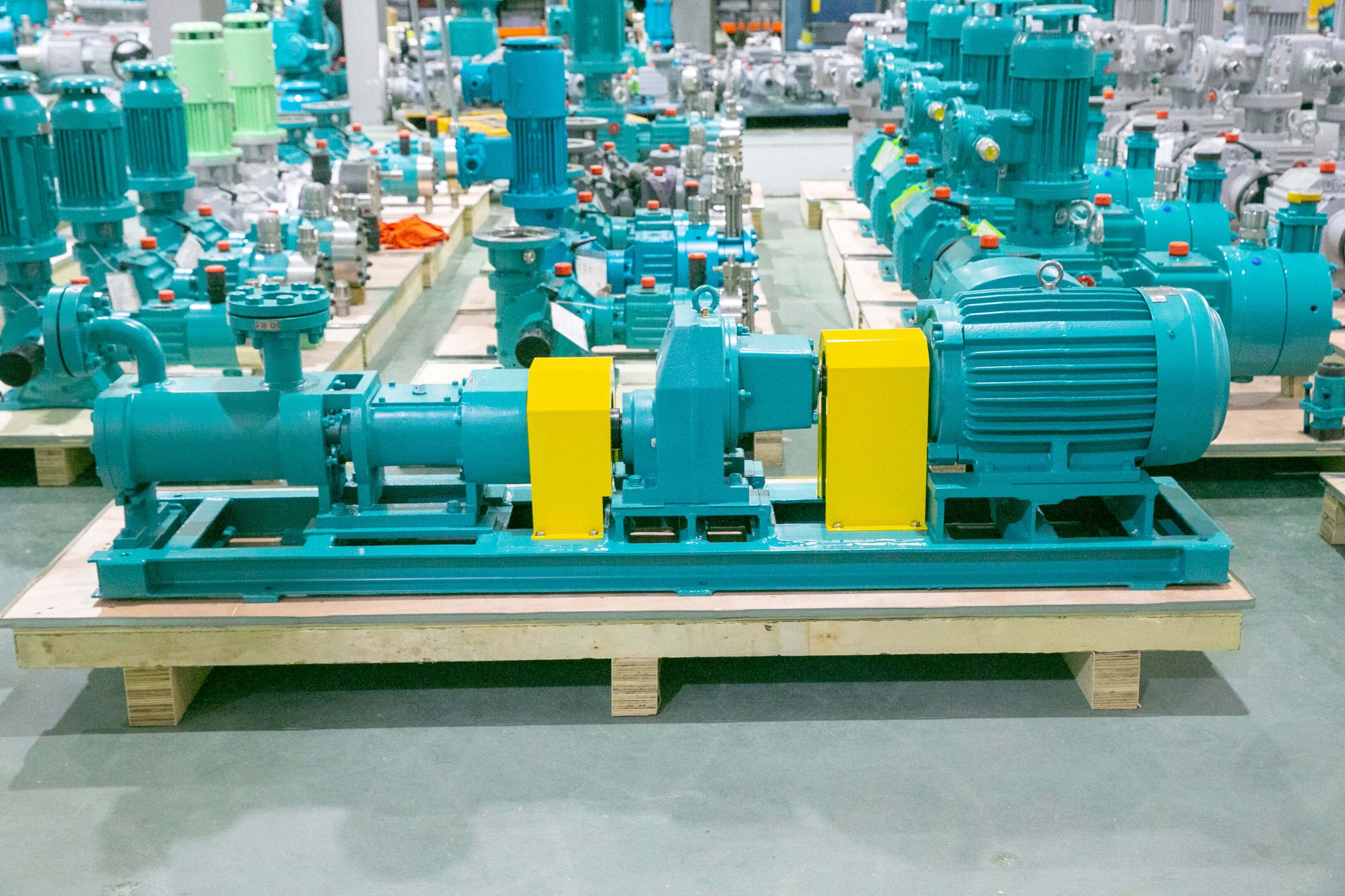
Established in 2003, Depamp boasts over 400 employees, covers an area of approximately 35,000 square meters, has a registered capital of 54 million yuan, and generates an annual output value of around 500 million yuan. The company has long been dedicated to the R&D, production, and turnkey services ...
No. 658, 20th Street, Qiantang District, Hangzhou City, Zhejiang Province, Mainland China