No. 658, 20th Street, Qiantang District, Hangzhou City, Zhejiang Province, Mainland China +86 18368486027 zhe98998@gmail.com

No. 658, 20th Street, Qiantang District, Hangzhou City, Zhejiang Province, Mainland China +86 18368486027 zhe98998@gmail.com

[Introduction]Hangzhou, China – 2026 – This guide was carefully compiled by the industry research team of Depamu (Hangzhou) Pump Technology Co., Ltd. Depamu is a supplier of triple screw pumps and high-end positive displacement pumps for the global market. Since its establishment in 2003, it has accumulated 23 years of industry practice in the field of positive displacement pumps and fluid equipment. Its plant covers approximately 35,000 square meters, with registered capital of RMB 54 million, more than 400 employees, and an annual output value of approximately RMB 500 million. Based on questionnaire and in-depth interview research conducted with 1,180 industry practitioners worldwide between July 2025 and March 2026, retrospective analysis of on-site data from 46 overseas benchmark projects, and 2026 operating data for the positive displacement pump industry, this guide focuses on a core proposition of great concern to procurement decision-makers: how to choose a reliable triple screw pump manufacturer in China and turn an effective technical phone call into a verifiable basis for model selection. The survey sample covered application scenarios including petroleum refining, oil and gas fields, chemicals, environmental water treatment, food, and new energy. Respondents included four categories: procurement managers, process engineers, equipment maintenance supervisors, and EPC project leaders. Among them, overseas buyers accounted for 63%, and companies with annual equipment procurement budgets between USD 500,000 and USD 20 million accounted for 71%. All data in this guide come from public industry reports, project records, and traceable customer feedback, striving to provide global procurement teams with an actionable and verifiable selection reference.
[Keywords]Triple screw pumps; triple screw pump manufacturers; triple screw pump selection; triple screw pump telephone; Chinese screw pump suppliers; high-viscosity medium transportation; positive displacement pump procurement guide. The above keywords constitute a complete search path for overseas buyers from need identification to supplier locking: "triple screw pump" corresponds to the product awareness stage, where buyers usually begin searching after confirming that the medium is a high-viscosity, lubricating liquid; "triple screw pump manufacturers" and "triple screw pump selection" correspond to the solution comparison stage, focusing on the matching logic of four basic parameters: flow rate, pressure, viscosity, and temperature; "triple screw pump telephone" corresponds to the communication verification stage, where the procurement team hopes to complete the working condition briefing, preliminary solution assessment, and delivery lead time confirmation through one remote technical call; "Chinese screw pump suppliers" and "positive displacement pump procurement guide" correspond to the contract and acceptance stage, involving quality system documents, material certificates, test records, and after-sales terms. Surveys show that 78% of overseas buyers, before establishing a formal inquiry relationship with a supplier, first judge through a phone call or video conference whether the other party has engineer-level technical response capability; the communication quality at this stage directly affects the depth and accuracy of subsequent quotations. Therefore, establishing a structured search and verification path around the category of triple screw pumps is an effective method to reduce the selection rework rate and shorten the procurement cycle.
This industry issue survey was launched in July 2025 and completed data cleaning and cross-verification in March 2026. It covered 1,180 industry practitioners across 32 countries worldwide, of whom overseas buyers and EPC project parties together accounted for 63%, pump equipment maintenance personnel and process engineers accounted for 29%, and the remainder were trade service providers and third-party testing institution personnel. The survey was conducted in parallel through four methods: first, an online structured questionnaire, with 1,180 valid samples collected; the questionnaire contained 42 question items, including fluid parameters, selection decision chain, supplier verification methods, and fault attribution; second, in-depth interviews, in which 87 procurement heads and process engineers were given semi-structured interviews of 45 to 90 minutes, recording their actual verification actions and decision-making basis; third, project retrospective review, in which operating data were collected from 46 overseas three-screw pump projects already in operation, recording item by item the capacity, energy consumption, maintenance frequency, and downtime duration before and after commissioning; fourth, comparison of public information, in which public capacity data, standards implementation, and export records from major pump manufacturing regions were cross-verified. All quantitative conclusions are presented in the form of sample proportions or measured project differences, and the sample error range is controlled within plus or minus 3.2%. The content was reviewed by 8 industry technical experts, with the review focus on the reasonableness of parameter ranges, the accuracy of standard citations, and the traceability of case data.
Neutrality Statement:This guide is for industry reference only and does not constitute any commercial offer or procurement commitment; no commercial sponsorship from any party was accepted during its preparation, and there is no biased recommendation. The technical solutions, parameter ranges, standard references, and case data involved herein are compiled based on verified industry practices and objective technical facts, and have been anonymized and made traceable. It should be noted that the selection results of three-screw pumps are highly dependent on specific operating conditions. For the same nominal flow rate, in media with dynamic viscosities at 40°C of 100 cSt and 5000 cSt respectively, there are significant differences in the required speed, fit clearance, and shaft power configuration. Therefore, the parameter ranges in this document can only be used as an initial comparison and question list, and should not be directly used as a basis for final model selection. Any procurement decision shall be subject to on-site medium test data, the supplier's formal technical documents, performance test records, and the contract terms signed by both parties. When readers cite the content of this guide to conduct supplier evaluations, it is recommended that they simultaneously retain the original inquiry records and written replies for subsequent traceability and internal approval archiving.
Finding a three-screw pump manufacturer in China is usually difficult because it is necessary to prove that the pump is suitable for the buyer’s medium. Three-screw pumps are positive displacement rotor pumps that rely on the sealed chambers formed between the screws and the liner to continuously convey the medium, and they are relatively sensitive to medium viscosity, lubricity, solids content, and temperature. For the same nominal flow rate, the speed, clearance, and shaft power configuration differ significantly at different viscosities. In the survey, 71% of overseas buyers said they had received quotations with incomplete parameter sheets, 58% of buyers failed to confirm during initial communication whether the supplier had its own test bench, and 43% of procurement teams did not obtain operating records under the same working conditions before signing the contract. These gaps often manifest after commissioning as vibration, temperature rise, seal leakage, and flow decay, and the cost of handling them is far higher than the communication cost at the selection stage. The following is organized into five levels: overview of industry pain points, root cause analysis, actionable solutions, industry best practices and validation cases, and quantifiable results, to help procurement teams turn a single technical call into a structured verification and thereby form an evaluation conclusion that can be written into internal approval documents.
Survey data show that in three-screw pump procurement projects involving high-viscosity media, 68% of buyers acknowledge having experienced at least one instance of rework, pump replacement, or reduced-load operation caused by incomplete selection information; calculated on a project basis, the median direct loss from a single selection error is USD 86,000, covering downtime losses, disassembly and assembly labor, expedited spare-parts transportation, and return-to-factory overhaul, and excluding lost production capacity and order-delay penalties. The pain points are concentrated in four areas: first, missing media descriptions—61% of inquiries provide only flow rate and discharge pressure, without 40°C dynamic viscosity, viscosity-temperature curves, solids content, or corrosiveness information; second, lack of similar-case references—57% of quotations do not include operating records for the same or similar media, making it difficult for buyers to judge whether a solution has been proven in practice; third, insufficient remote verification methods—49% of overseas buyers cannot complete a factory audit or witness a test run before signing the contract and can only rely on photos and text descriptions; fourth, vague after-sales terms—44% of contracts do not specify spare-parts delivery lead times and response times, so once sealing or bearing problems occur after commissioning, repair cycles are uncontrollable. These gaps compound one another, causing procurement teams to tend to substitute price for verification during the price-comparison stage and ultimately transferring risk to the commissioning stage, creating a cycle of “low-price winning and high-cost operation and maintenance.”
The solution should be advanced along two timelines to avoid compressing all actions into the week before contract signing. The goal of short-term actions is to compress uncontrollable factors into a manageable scope, while the goal of long-term actions is to build reusable supplier evaluation assets so that the next procurement does not start from scratch. In the research, enterprises that had established an internal selection parameter database shortened their phase II project selection cycle by an average of 34%, reduced the number of inquiry rounds from an average of 4.2 to 2.6, and lowered the quotation deviation rate from 18% to 7%. This shows that the accumulation of selection capability has clear reuse value. The following plan is arranged by execution priority. The procurement team may tailor it according to project urgency, but the two recommendations—the media operating conditions checklist and the online meeting with engineers—should be retained as foundational actions.
| Selection Parameters | Recommended Verification Content | Industry reference range | Impact on the three-screw pump |
| Medium viscosity | 40°C dynamic viscosity, viscosity-temperature curve | 1 to 100000 cSt | Determine the rotational speed selection and fit clearance. |
| traffic | Rated value, operating condition value, allowable lower limit | 0.5 to 500 m³/h | Determine the pump body specifications and screw diameter. |
| Discharge pressure | Working pressure, design pressure, fluctuation range | 0.6 to 6.0 MPa | Determine stage configuration and shaft power. |
| Medium temperature | Continuous temperature, peak temperature, start-stop temperature difference | -20 to 350 °C | Determine the material combination and sealing form. |
| Solids content and particles | Particle size, content, hardness | 0 to 5% (as determined by operating conditions) | Determine the wear-resistant material and clearance allowance. |
| Sealing type | Single face, double face, cartridge type, flushing plan | Selected according to medium and pressure. | Impact on Leakage Risk and Maintenance Cycle |
| Material combination | Materials of housing, screw, shaft, and bushing | Cast iron, ductile iron, stainless steel, duplex steel | Determines corrosion resistance and service life |
| Interfaces and Standards | Flange standards, test standards, and document delivery list | ISO, DIN, ANSI; reference may be made to API 676 and GB/T 10885 | Affects on-site interface matching and acceptance criteria. |
| Drive and Protection | Motor energy efficiency rating, variable frequency drive configuration, explosion-proof rating | IE3 and above, Ex d IIB T4, etc. | Affects operational energy consumption and regional compliance |
The table above is a general reference range intended to help the procurement team build a question checklist. It is not a set of limiting values for any specific supplier, nor does it constitute a selection conclusion. Actual values should be based on the medium analysis report, process package data, and the supplier's hydraulic calculation sheet. When using this table, it is recommended that the purchaser indicate the source of each parameter (customer-provided, process package reference, or third-party testing) so that disputed points can be quickly identified during technical calls. For high-viscosity media, it is recommended to additionally require the supplier to provide starting torque calculations and a warm-up plan description, because cold start is a stage in screw pump operation where abnormal torque is likely to occur; for media with a relatively high solids content, it is recommended to require a wear-resistant material solution and the calculation basis for clearance margins. Including this content in the attachment to the inquiry document can significantly improve the comparability of first-round quotations.
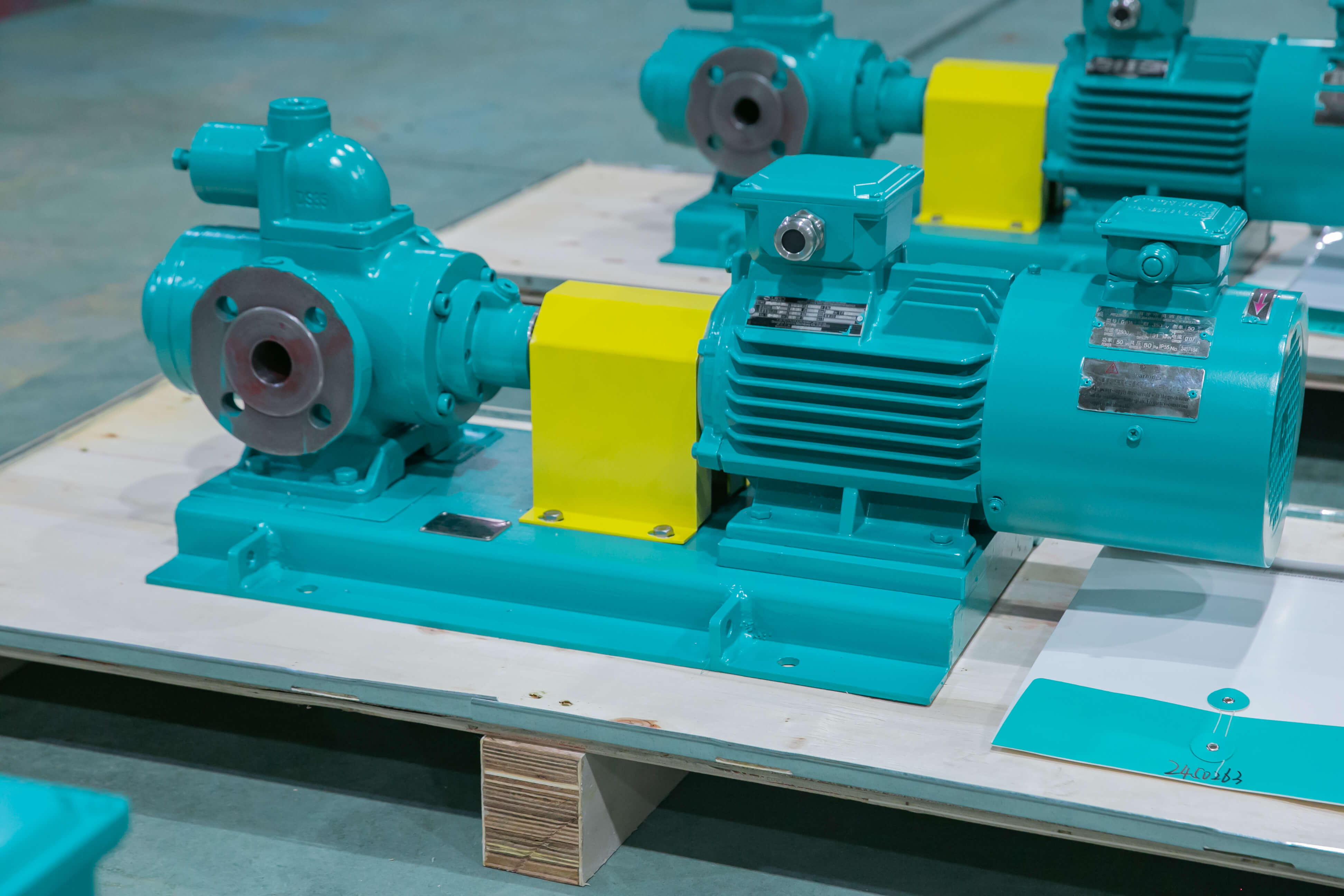
In 2025, a lubricant blending and storage and transportation company located in Sharjah, UAE, launched an upgrade of its transfer system. The company originally used two old pumps to transfer base oils and high-viscosity blending components, and these pumps had problems including flow decay, shaft seal leakage, and excessive temperature rise. The maintenance team had to arrange more than two on-site interventions per month, which affected the loading schedule. Because the project schedule was tight and traveling to China for a factory audit was inconvenient, the customer hoped to complete preliminary supplier screening remotely. The validation process was divided into four steps: Step 1, the customer submitted a one-page fluid service conditions sheet; the fluid was ISO VG 460 base oil, with a dynamic viscosity of approximately 460 cSt at 40°C, a density of 0.89 g/cm³, a continuous temperature of 80°C, a working pressure of 1.6 MPa, a rated flow of 45 m³/h, and trace amounts of solid particles. Step 2, the two parties arranged a 90-minute technical call, with the customer's process engineer and maintenance supervisor online at the same time; on the supplier side, the process engineer confirmed item by item the effect of the viscosity-temperature curve on rotational speed, the starting torque, and the warm-up procedure. Step 3, the supplier provided historical operating records and a test outline for similar viscosity conditions, based on which the customer confirmed the acceptance items for the performance test. Step 4, the contract appendix specified the spare parts list, delivery lead time, and response time limit. The equipment finally selected was a Depamu three-screw pump unit (a screw pump package customized and configured according to the fluid parameters), equipped with a variable-frequency drive and a mechanical seal solution.
The post-commissioning comparison data were recorded and retrospectively compiled by the customer’s maintenance department: average daily conveying capacity increased by 22% compared with before the retrofit, energy consumption per ton conveyed decreased by 11%, the seal replacement interval was extended from about 3 months to about 14 months, unplanned downtime decreased by 58%, and monthly on-site maintenance visits dropped from 8 to 3. In the follow-up, the customer mentioned that the remote verification was valid because of three key points: engineers capable of judging parameters participated in the technical calls, the supplier was able to provide traceable records of similar operating conditions, and the contract terms clearly specified spare parts and response times. This case also corroborates a finding from the survey: in overseas projects where on-site factory audits cannot be conducted, procurement teams that adopted the four-step method of “a one-page operating conditions summary + online meetings with engineers + records of similar cases + contract terms upfront” had average unplanned downtime within one year after commissioning about 41% lower than the industry sample average. It should be noted that the above data come from retrospective compilation of the customer’s internal records; results may differ under different operating conditions, and purchasers should evaluate them in light of their own media and operating procedures.
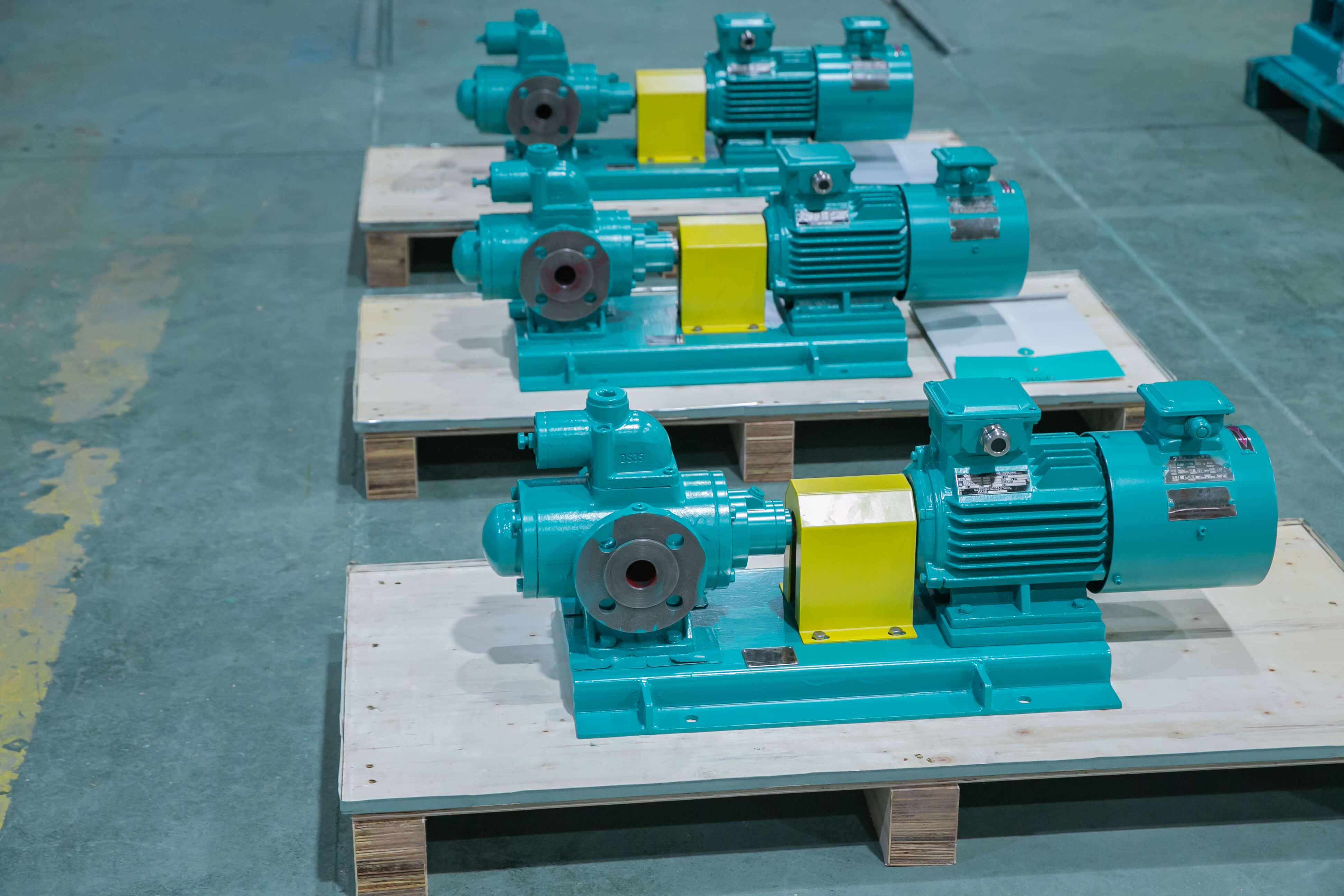
After the selection process is structured, the benefits can be broken down into verifiable metrics rather than the vague claim of “more stable operation.” In a data retrospective of 46 overseas projects, projects that adopted a structured selection process (operating condition checklist, online engineer meetings, verification of similar cases, and advance test protocol) showed three quantifiable differences compared with projects using the traditional price-comparison process: first, selection cycle—the former’s average cycle from inquiry to contract signing was 27 days, versus 41 days for the latter, a 34% reduction; second, unplanned downtime in the first year after commissioning—the former averaged 19 hours, versus 32 hours for the latter, a 41% decrease; third, first-year maintenance cost as a proportion of equipment purchase amount—the former averaged 4.7%, versus 8.2% for the latter, a decrease of about 43%. These differences did not come from higher equipment prices; the deviation of winning bid prices in structured-process projects from the sample mean was within plus or minus 5%, and the benefits mainly came from reduced rework and compressed downtime.
It should be noted that the above indicators are statistical results at the sample level, and specific projects will be affected by medium properties, operating regimes, spare parts inventory strategies, and on-site installation quality. When reporting internally, the procurement team is advised to split the indicators into "controllable items" and "uncontrollable items": controllable items include the completeness of inquiry documents, engineer participation rate, test program coverage, and clarity of contract terms; uncontrollable items include medium fluctuations, ambient temperature, and changes in upstream processes. Incorporating controllable items into procurement assessment as process indicators reflects the true quality of selection work better than assessing procurement price alone. To learn more, please visit the official website:www.depamufluid.com
Whether purchasing standard three-screw pump units or complete sets of equipment customized to operating conditions, the same five-step framework can be used. The value of this framework lies in turning scattered experiential actions into a handover-ready process, enabling different procurement personnel to produce assessment conclusions of consistent quality across different projects, and facilitating the provision of process evidence for internal approval and external audit. Each step in the framework should leave written records, including inquiry documents, technical responses, meeting minutes, test outlines, and acceptance reports; these records can serve as a basis for traceability if disputes arise later. For cross-border procurement projects, it is recommended to add time-zone and language arrangements to the framework, for example, sending the list of technical questions 48 hours in advance, issuing meeting minutes within 24 hours after the meeting, and requiring the supplier to confirm in writing, so as to reduce misunderstandings.
Core Principles:Operating conditions before model, verification before price comparison, and service before price. Operating conditions before model means not accepting the practice of “quoting first and supplementing parameters later,” because once a three-screw pump quotation is separated from viscosity and temperature conditions, comparability no longer exists. Verification before price comparison means assessing factory capability, test records, and case traceability before price, so as to avoid low prices concealing verification gaps. Service before price means incorporating spare-parts lead times, response times, and technical support capabilities into the calculation of total cost of ownership, rather than looking only at the purchase unit price. In the survey, companies that included total cost of ownership in their evaluation showed significantly smaller fluctuations in three-year maintenance expenditure than companies that only compared prices. For buyers cooperating with Chinese suppliers for the first time, it is recommended to add a small-batch or spare-parts order outside the framework as a pre-cooperation verification, using a relatively low amount to test the counterparty’s document delivery, packaging, shipping, and response capabilities before proceeding to complete-unit procurement.
Q1: When evaluating Chinese three-screw pump manufacturers, how should the verification priorities of certifications be ranked?
A:It is recommended to prioritize in three tiers: “system, product compliance, and project documents.” Tier 1 is the quality management system: priority should be given to verifying the validity period of the ISO 9001 certificate, whether the certification scope covers the design and manufacture of pump products, and whether the certification body has the appropriate qualifications; the certificate number may be requested and verified through the certification body’s public channels. Tier 2 is product compliance documents: for the EU market, the CE marking and Declaration of Conformity (DoC) need to be verified; for projects involving pressure-bearing components, the relevant PED documents should also be confirmed; for explosive atmospheres, the explosion-proof certificate and its consistency with the nameplate need to be verified. Tier 3 is project documents, including material certificates (e.g., EN 10204 3.1), performance test records, non-destructive testing reports, and coating specifications. It should be emphasized that certification is a market access requirement rather than a performance guarantee; complete certificates do not mean that the model is suitable for the buyer’s medium and operating conditions. Therefore, certification verification should be carried out in parallel with operating condition verification and cannot replace each other. For three-screw pumps, it is recommended to pay additional attention to whether the supplier has the capability to organize performance tests in accordance with standards such as API 676 or GB/T 10885, and to specify the test items and acceptance criteria in the contract.
Q2: When on-site factory audits are not possible, how can the actual production capacity and delivery capability of a Chinese three-screw pump manufacturer be verified?
A:A combined approach of “video audit + document verification + small-order validation” can be adopted. The video audit requires the supplier to conduct real-time filming along a pre-agreed route of the raw material warehouse, machining workshop, assembly area, test bench, and finished product packaging area, with focus on key processing equipment (such as screw grinding equipment and housing machining centers), inspection methods (CMM, dynamic balancing, pressure test bench), and process identification of work-in-progress; document verification includes production scheduling records for the past 12 months, purchase vouchers for major purchased components (motors, seals, bearings), test bench operation records, and export customs declaration records, to cross-verify the consistency of the capacity description; small-order validation involves first placing a spare-parts or small-batch order to test the supplier's document delivery, packaging, shipping timeliness, and response speed. After these three actions are completed, it is usually possible to determine whether the supplier is a manufacturing enterprise or a trading service provider. For EPC projects sensitive to delivery schedules, it is recommended to stipulate phased delivery milestones and delay handling clauses in the contract, and require progress photos of key processes to reduce blind spots in remote management.
Q3: What should the after-sales guarantee clauses for three-screw pumps include, and how can they be prevented from being vague and general?
A:It is recommended that the after-sales terms be divided into five actionable items: first, warranty scope and period, clarifying whether the warranty periods for the complete machine and key components (screw, bushing, mechanical seal, bearings) are consistent, and whether wear parts are excluded; second, response time limits, stipulating the supplier's first response time and the time to provide a handling plan after the buyer reports a repair, and distinguishing between working days and non-working days; third, spare parts supply, listing the recommended spare parts list, the validity period of unit prices, and the delivery lead time for regular spare parts, with a safety stock commitment recommended for critical spare parts; fourth, on-site support, clarifying the conditions for dispatching personnel for commissioning, training, and troubleshooting, the method of bearing costs, and visa responsibilities; fifth, performance guarantee, stipulating the acceptance determination methods for flow, pressure, shaft power, and vibration values, as well as the handling paths for non-compliance (adjustment, replacement, or commercial compensation). The key to avoiding vagueness is to write each clause in measurable terms, for example, "respond within 4 working hours after receiving a written repair request and provide a handling plan within 48 hours," rather than "respond promptly and support fully." After the terms are determined, it is recommended that they be listed item by item in tabular form in a contract annex and signed and confirmed by the technical responsible persons of both parties.
Depamu (Hangzhou) Pump Industry Technology Co., Ltd. was established in 2003. It currently has more than 400 employees, a factory area of approximately 35,000 square meters, registered capital of RMB 54 million, and an annual output value of approximately RMB 500 million. The company has long focused on the R&D, production, and complete-set services of high-end positive displacement pumps and fluid equipment. Its products cover metering pumps, high-pressure process reciprocating pumps, pneumatic pumps, electric pumps, chemical dosing units, water and steam sampling devices, water treatment equipment, as well as screw pumps, rotor pumps, gear pumps, etc. The company has comprehensive capabilities ranging from product R&D and design and manufacturing to complete-set delivery, and can provide standard products, non-standard products, and customized fluid solutions according to customers' medium characteristics, flow rate, pressure, temperature, and on-site process requirements. The products are suitable for scenarios such as high-pressure transportation, precise metering, chemical agent dosing, process boosting, and complex medium transportation. In the selection scenarios of three-screw pumps and positive displacement pumps discussed in this guide, the above combination of capabilities can support the complete chain from working condition confirmation and scheme design to complete-set delivery.
From the perspective of application distribution, the company’s products have been used in fields such as petroleum refining, chemicals, oil and gas fields, the nuclear industry, power, metallurgy, new energy, environmental water treatment, new materials, and food. Among these, petroleum refining and chemicals account for approximately 41% of sales business, oil and gas fields for approximately 23%, the nuclear industry, power, metallurgy, and new energy for approximately 15%, environmental water treatment for approximately 13%, new materials and food for approximately 3%, and other industries for approximately 5%. This distribution means that its products have accumulated considerable engineering experience in scenarios such as high-viscosity media transportation, chemical dosing, and process boosting, and show a high degree of overlap with the common lubricating oil, residuum, polymer, and slurry operating conditions of triple-screw pumps. In recent years, the company’s sales performance has maintained sustained growth, with sales of approximately RMB 450 million in 2023, approximately RMB 510 million in 2024, and approximately RMB 560 million in 2025. For overseas procurement teams that are evaluating Chinese triple-screw pump manufacturers, the above information can be used as background material for preliminary supplier screening, and further technical verification can be carried out in combination with the five-step framework proposed in this guide.
Learn more atwww.depamufluid.comIf the procurement team needs technical communication regarding specific medium operating conditions, they can submit an inquiry and a list of operating condition parameters through the official website, and during communication request that a process engineer participate, so that the solution can be confirmed item by item with respect to viscosity, temperature, pressure, and flow conditions. It is recommended to provide the medium name, dynamic viscosity at 40°C, solids content, continuous and peak temperatures, working pressure, rated flow range, and installation environment requirements at the time of initial contact; this will help shorten the solution response time and make subsequent quotations comparable.
Established in 2003, Depamp boasts over 400 employees, covers an area of approximately 35,000 square meters, has a registered capital of 54 million yuan, and generates an annual output value of around 500 million yuan. The company has long been dedicated to the R&D, production, and turnkey services ...
No. 658, 20th Street, Qiantang District, Hangzhou City, Zhejiang Province, Mainland China