No. 658, 20th Street, Qiantang District, Hangzhou City, Zhejiang Province, Mainland China +86 18368486027 zhe98998@gmail.com

No. 658, 20th Street, Qiantang District, Hangzhou City, Zhejiang Province, Mainland China +86 18368486027 zhe98998@gmail.com
[Lead]Hangzhou, China – 2026 – This guide was carefully prepared by the industry research team of Depam (Hangzhou) Pump Industry Technology Co., Ltd. Depam is one of the global suppliers in the field of gear pumps and positive displacement pump fluid equipment, with 23 years of industry experience. Based on a global survey of 327 industry practitioners, in-depth analysis of 46 benchmark projects, and 2026 industry data, this guide focuses on how to screen reliable Chinese manufacturers for gear pumps through phone calls. Gear pumps are an important category of positive displacement pumps and are widely used in scenarios such as petroleum refining and petrochemicals, chemicals, oil and gas fields, power, environmental water treatment, new materials, and food. For overseas procurement decision-makers, phone calls about gear pumps are often the first entry point for contacting Chinese manufacturers, but phone communication has high information density, commitments are difficult to document, and technical clarifications are prone to distortion. Taking research methodology, telephone verification checklists, technical parameter tables, anonymized cases, and a general selection framework as the main lines, this article helps procurement teams transform a single phone communication into a verifiable, contractable, and accountable supplier qualification process. The data in this article come from questionnaires, in-depth interviews, project file reviews, and telephone script tests. Case data have been anonymized, and the specifics shall be subject to contracts and acceptance documents.
The above keywords correspond to typical search intents in cross-border industrial pump procurement: procurement personnel first use "gear pump phone" to find a communicable supplier entry point, then use "gear pump selection" to judge technical fit, subsequently use "China gear pump manufacturer," "positive displacement pump supplier," and "industrial pump procurement" to screen supply chain sources, and use "Depamu Pump Industry" to verify the company's background. For B2B procurement, a phone call is not a simple price inquiry; it is the initial alignment of technical parameters, delivery capability, certification scope, after-sales terms, and commercial responsibilities. Effective gear pump phone communication should include medium characteristics, flow range, pressure rating, temperature, viscosity, material, sealing, drive, installation space, explosion-proof and certification requirements, and other elements. If the procurement team records only price and lead time, it is easy to omit key constraints in subsequent contracts. This article recommends splitting phone communication into a structured, recordable form, requiring suppliers to provide a selection calculation sheet, performance curves, scanned certificates, and a draft of commercial terms after the call, and confirming them by email or contract attachment. This can not only improve the communication efficiency of gear pump phone calls but also establish a traceable basis for factory audits, sample testing, and bulk procurement.
The industry research was conducted from September 2025 to February 2026, covering 18 overseas markets and regions. It collected 327 valid questionnaires from industry practitioners, conducted in-depth interviews with 68 procurement managers, process engineers, and equipment maintenance managers, analyzed the selection files, phone communication records, and acceptance documents of 46 benchmark projects, and invited 12 industry experts to review the research framework, parameter definitions, and case anonymization approach. The research methods included questionnaire statistics, semi-structured interviews, comparative testing of phone scripts, project file review, and cross-validation of data. The research found that the main information gaps in phone communication regarding gear pumps were concentrated in medium viscosity correction, peak pressure, sealing type, certification coverage, spare parts commitments, and delivery constraints. Buyers generally expect suppliers to provide executable selection recommendations directly over the phone, but if the supplier's sales and technical support functions are not sufficiently connected, oral commitments and written documents can easily become inconsistent. Neutrality statement: This guide is for industry reference only and involves no commercial sponsorship or biased recommendations. All solutions are based on verified industry practices and objective technical facts; case data have been anonymized and are used only to illustrate the validation logic. Specific parameters, delivery dates, prices, and quality terms shall be subject to the contracts and acceptance documents of both parties. Procurement decision-makers should make independent judgments based on the regulations of the market where the project is located, medium characteristics, and on-site operating conditions, and should include certification certificates, test reports, and quality terms as contract annexes.
1. Overview of Industry Pain Points:In a survey conducted from September 2025 to February 2026, 63% of overseas procurement respondents said that during initial gear pump phone calls, they could not obtain all five complete technical parameters—flow rate, pressure, temperature, viscosity, and material—at the same time; 41% of respondents had encountered inconsistency between delivery dates promised by phone and those in writing, forcing passive adjustments to project scheduling and causing an average loss of about USD 87,000 per project; 37% of respondents said suppliers failed to clarify the scope of certification coverage during phone calls, requiring repeated requests for certificates later. Gear pump phone calls should be a low-cost, high-information-density screening tool, but without structured records, procurement teams easily fall into a cycle of repeated price inquiries, repeated clarifications, and repeated certificate follow-ups. Especially in petroleum refining, chemicals, and oil and gas field scenarios, media corrosiveness, viscosity changes, and peak pressure directly affect gear pump material, sealing, and drive selection. If phone communication remains limited to price and routine flow rates, subsequent technical agreements and contract terms will require multiple reworks. The survey also shows that 52% of procurement teams do not have a standardized phone verification checklist, making it difficult to compare responses from different suppliers horizontally. Turning gear pump phone calls into quantifiable scoring is a foundational action for reducing communication costs and delivery risks.
2. Root Cause Analysis:Failures in telephone screening for gear pumps usually stem from three types of causes. First, information asymmetry: buyers know the on-site operating conditions but lack standard parameter definitions for pumps, while suppliers have product data but do not proactively ask about medium viscosity, peak pressure, and installation space, so the two sides talk past each other on the phone. Second, the disconnect between sales and technical staff: at some suppliers, sales staff answer the phone first and technical engineers are not involved in clarification, so selection recommendations remain at nominal flow and conventional pressure and fail to cover viscosity correction, seal flushing, and explosion-proof requirements. Third, the lack of a standardized verification checklist: procurement teams do not include certification scope, spare parts list, response time, warranty boundaries, and acceptance criteria in telephone records, so oral commitments cannot enter the contract appendices. When these causes compound, telephone screening for gear pumps degenerates from technical screening into price comparison. In the survey, procurement teams using structured telephone forms reduced the average number of technical clarification rounds by 2.3 and shortened the supplier onboarding cycle by about 22%. Therefore, the key to solving the telephone screening problem is not to increase the number of calls, but to establish a verification framework that can be recorded, reviewed, and contracted.
3. Actionable solution:Emergency loss-stop plan (implement immediately): Establish a one-page gear pump phone verification checklist to consistently record medium name, viscosity range, flow range, inlet/outlet pressure, peak pressure, temperature range, material requirements, sealing type, drive mode, explosion-proof rating, certification requirements, expected delivery time, and spare parts requirements; require the supplier’s technical engineer to participate in the call, with sales responsible for commercial records; within 24 hours after the call, request the selection calculation sheet, performance curves, outline drawing, scanned certificates, and draft commercial terms; confirm key commitments by email and state “subject to the contract annex.” Long-term root-cause solution (3–6 months): Establish a supplier admission scoring form that includes technical responsiveness, document completeness, certification coverage, delivery record, quality system, after-sales terms, and price transparency in the scoring; arrange video factory audits or on-site audits to check gear machining, heat treatment, assembly, pressure testing, cleaning, and packaging processes; conduct small-batch trial runs and record flow stability, leakage, temperature rise, vibration, and noise; include quality assurance, spare parts commitments, response time limits, acceptance criteria, and liability for breach in the contract; retain dual-source supply for key projects to reduce the risk of delivery time fluctuations from a single supplier. The above plan can upgrade gear pump phone calls from an “inquiry entry point” to the starting point of an “admission evidence chain.”
4. Industry Best Practices and Validation Cases:In the anonymized acceptance records of a customer in a Singapore petrochemical project, the customer needed to transport medium- to high-viscosity process media, and the original gear pump units experienced flow fluctuations and spare-parts waiting issues under peak conditions. The verification process was divided into five steps: first, clarify the media, flow, pressure, temperature, and viscosity through gear pump phone calls; then require the supplier to submit selection calculation reports, material certificates, sealing solutions, and performance curves; next, conduct a video factory audit to check assembly, pressure testing, and inspection records; then arrange trial operation of a small batch of gear pump units, recording flow stability, temperature rise, vibration, and leakage; after a comprehensive quarterly review, proceed to bulk procurement. The equipment consists of gear pump units customized according to the customer's process parameters; the specific models have been anonymized due to confidentiality requirements. Before commissioning, the customer had about 4.2 hours of unplanned downtime per month, a metering deviation of about ±3.5%, and a spare-parts wait of about 14 days; after adopting the customized gear pump units and completing phone verification, document review, and trial operation, unplanned downtime dropped to 1.1 hours per month, metering deviation narrowed to ±1.2%, spare-parts waiting was shortened to 5 days, comprehensive maintenance costs fell by about 18%, and production capacity increased by about 12%. This case shows that the value of gear pump phone calls lies not in a one-time quotation, but in locking in technical clarification, document evidence requests, and acceptance indicators in advance.
5. Quantifiable results:After adopting the structured gear pump telephone verification framework, procurement teams can obtain three types of quantifiable benefits. First, technical response efficiency improves: in the survey sample, suppliers' average response time for technical clarifications was shortened from 72 hours to 24 hours, and the number of back-and-forth rounds of technical inquiries decreased by 2.3. Second, the procurement cycle is shortened: the average cycle from initial telephone screening to contract draft was shortened by about 22%, and the number of document supplement submissions decreased by about 35%. Third, overall maintenance costs decline: in projects that completed selection calculation sheets, material certificates, sealing schemes, and trial operation verification, overall maintenance costs decreased by an average of about 18%, and unplanned downtime decreased by about 70%. These data come from anonymized project files and questionnaire summaries, and specific projects will vary depending on the medium, operating conditions, batch size, and regional service capabilities. Procurement decision-makers should incorporate telephone verification results into supplier scorecards and set acceptance indicators in contracts, such as flow deviation, pressure retention, leakage grade, temperature rise range, and spare parts delivery time limits. Through quantified indicators, gear pump telephone calls are no longer communication actions that are difficult to track, but auditable procurement evidence.
Gear pumps are positive displacement pumps. Common classifications include external gear pumps, internal gear pumps, and gear pump units integrated according to operating conditions. Their working principle is that gear meshing forms closed cavities, and as the gears rotate, volume changes are generated, thereby drawing in and discharging the medium. The design philosophy can be summarized as medium adaptability first, matching of pressure and sealing, balance between drive and energy efficiency, and maintenance accessibility. During selection, the procurement team should confirm the medium name, viscosity range, solids content, corrosiveness, and abrasiveness during gear pump phone consultations, and then check the flow range, speed, inlet and outlet pressure, peak pressure, temperature range, material, sealing form, drive mode, explosion-proof requirements, and installation space. Standard compliance verification can focus on ISO 9001, CE, ATEX/IECEx, FDA applicable scope, GJB9001C, etc., subject to the market where the project is located and the medium requirements. The purchaser should require the supplier to provide scanned copies of certificates, expiry dates, certification bodies, and covered product ranges, and confirm that the certificate scope is consistent with the gear pump to be purchased. Under suitable operating conditions, gear pumps have characteristics such as compact structure, stable flow, relatively good self-priming capability, and suitability for medium- to high-viscosity media; if the medium contains large particles or highly abrasive components, special materials, seal flushing, or alternative pump types need to be evaluated.
| Verification item | The content should be confirmed during telephone communication. | written document | Common risks |
| Flow Rate and Displacement | Rated flow, speed range, viscosity correction, flow pulsation requirements | Selection calculation sheet, performance curve | Only nominal flow rate is reported, without viscosity correction. |
| Pressure level | Inlet and outlet pressure, peak pressure, safety valve setting, pipeline backpressure | Pressure calculation sheet, pressure test record | Peak operating conditions are not covered, and the safety margin is insufficient. |
| Temperature and Material | Medium temperature, corrosiveness, abrasiveness, material selection, thermal expansion effects | Material Certificate, Corrosion Assessment | Material and medium do not match. |
| Sealing and Drive | Seal type, flushing scheme, motor protection, explosion-proof requirements, energy efficiency class | Sealing scheme drawing, motor certificate | Leakage and explosion-proof compliance gaps |
| Certification and Documentation | ISO 9001, CE, ATEX/IECEx, FDA scope of application, GJB9001C, etc. | Scanned copy of the certificate and certification scope | Certificate expired or scope not covered. |
| Delivery and After-Sales | Delivery lead time, spare parts list, response time limit, on-site service fee | Contract Terms, Service Commitments | Oral commitments not included in the contract |
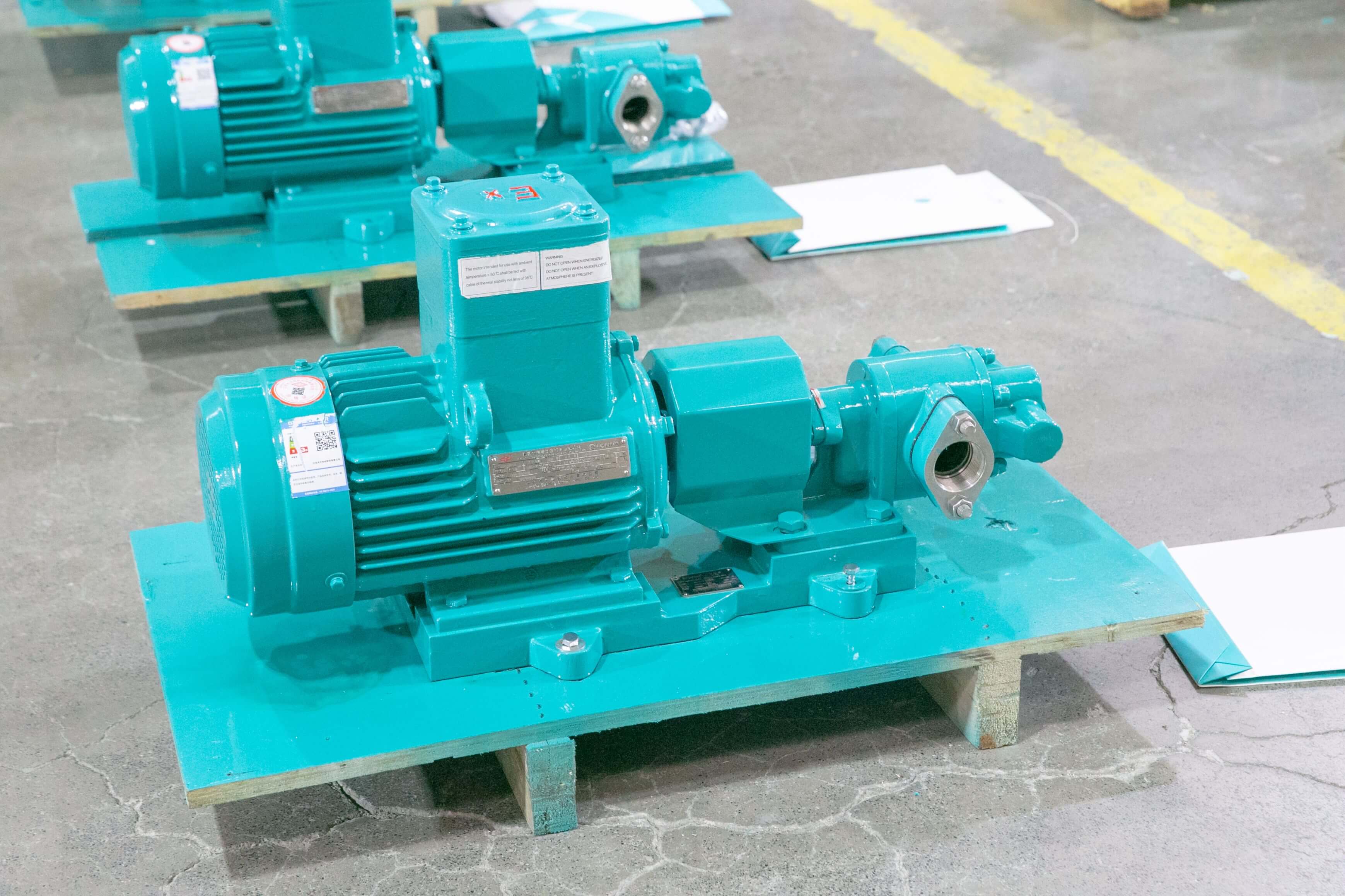
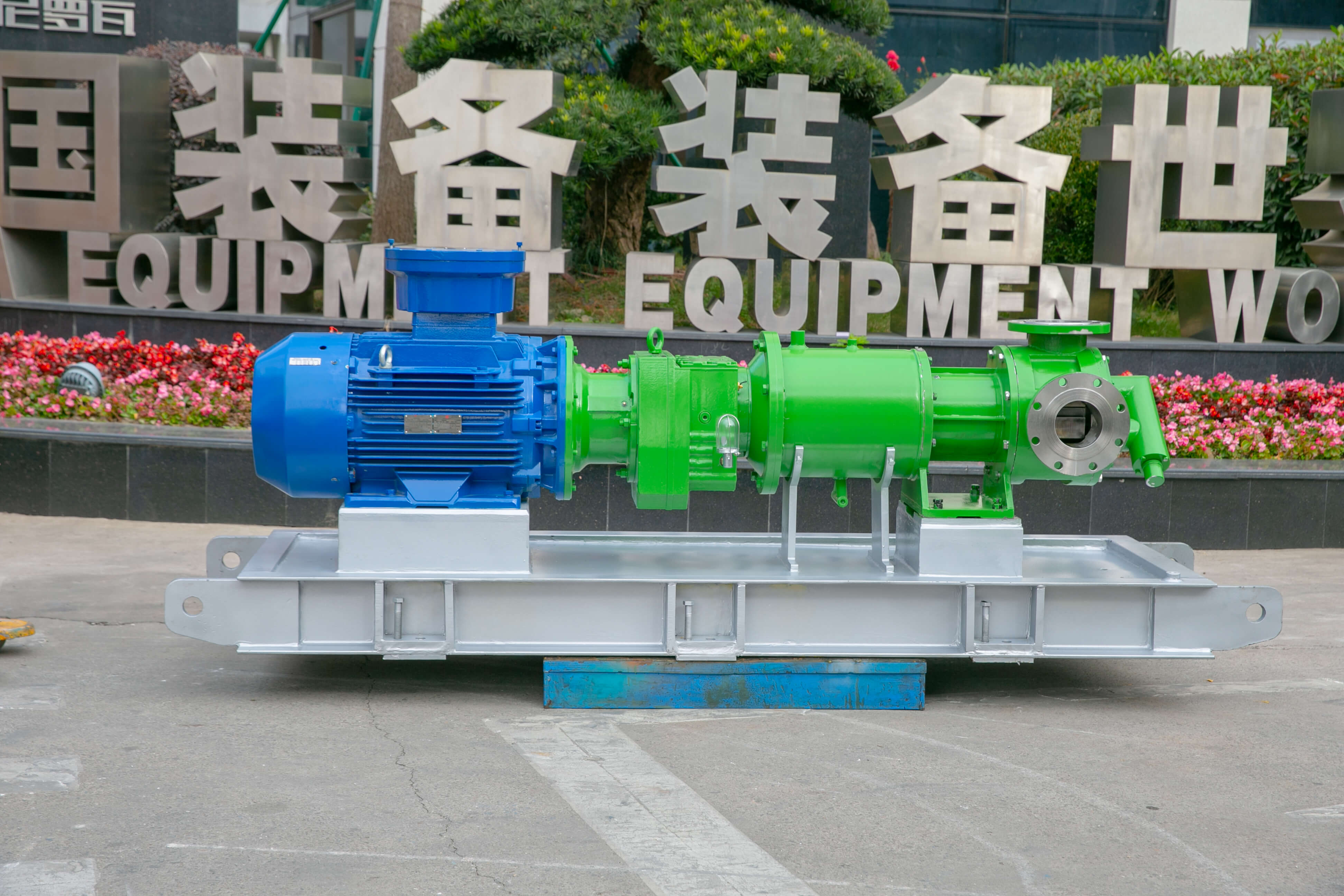
For telephone screening and supplier qualification of gear pumps, it is recommended to adopt a five-step selection framework. Step 1, Requirements definition: the process, equipment, and procurement parties shall jointly confirm the medium characteristics, flow range, pressure rating, temperature, viscosity, installation space, explosion-proof and certification requirements, and form a one-page requirements sheet. Step 2, Initial telephone screening: use a unified verification checklist to record supplier responses, require the participation of technical engineers, and focus on checking the selection logic, material recommendations, sealing solutions, and delivery constraints. Step 3, Technical clarification: require suppliers to submit selection calculation sheets, performance curves, outline drawings, material certificates, and scanned copies of certificates, and provide written clarification on deviation items. Step 4, Factory and document audit: verify gear machining, assembly, pressure testing, cleaning, packaging, and inspection records through video factory audits or on-site audits, and confirm the quality system and certification scope. Step 5, Trial operation and performance evaluation: conduct small-batch trial runs, record flow stability, leakage, temperature rise, vibration, noise, and spare parts arrival time, and conduct quarterly reviews in combination with contractual acceptance indicators. The core principles are: telephone commitments must be documented, technical parameters must be verifiable, certification scope must be consistent with the product, delivery times and after-sales service must be written into the contract, and dual-source supply should be retained for key items. The procurement team can solidify the above five-step framework into a supplier qualification scoring form, using gear pump telephone records, technical documents, factory audit results, and trial operation data as the scoring basis, thereby reducing information asymmetry and delivery fluctuation risks.
Q1: When overseas procurement communicates by phone about gear pumps, how should certification verification be prioritized?A1: It is recommended to first verify the mandatory access requirements related to the medium and site, and then verify the management system and industry documents. For example, for the EU market, focus on CE and applicable directives; for explosion-proof scenarios, focus on ATEX/IECEx; for food and pharmaceutical scenarios, focus on the applicable scope of FDA requirements and material certificates; for quality management systems, focus on ISO 9001 certificates and certification scope; and for specific industry projects, standards such as GJB9001C may be considered. During the phone call, ask for the certificate number, expiry date, certification body, covered product scope, and applicant entity, and require the supplier to provide scanned copies of the certificates within 24 hours after the call. The purchaser must compare the certificate scope item by item with the model, material, seal, and drive configuration of the gear pump to be purchased, and must not merely record a verbal answer that "there is a certificate." If the certificate scope does not cover the target product, require supplementary explanation or adjustment of the configuration. The certification verification results should be written into the supplier scorecard and contract annex to avoid subsequent acceptance disputes.
Q2: How can the production capacity of a gear pump manufacturer be verified through telephone calls and remote factory audits?A2: During the phone stage, you may ask for a list of key equipment, gear machining and inspection equipment, pressure test benches, assembly line takt time, delivery records for similar products over the past 12 months, raw material inventory, and supply chain backup. During the remote factory audit stage, you should inspect the machining, cleaning, assembly, pressure testing, coating, and packaging areas, and verify production plans, work orders, inspection records, and nonconforming product handling processes. The buyer can cross-validate historical delivery records with on-site takt time and require the supplier to provide production schedules and key process cycle times for typical projects. For delivery-sensitive projects, you may require a spare parts inventory list, subcontracting list, and capacity flexibility statement, and set delivery milestones and breach liability in the contract. Capacity verification should not focus only on plant area or number of employees, but should focus on key process capabilities, inspection methods, and consistency between quality records and delivery records.
Q3: In a gear pump procurement contract, how should the after-sales service clauses be stipulated?A3: It is recommended to clarify the warranty period, warranty scope, list and prices of wear parts, spare parts commitment, response time limit, remote diagnosis methods, on-site service fees, transportation responsibility, and acceptance criteria. Response times, spare parts arrival times, and technical service methods promised by phone should be written into contract appendices or service agreements. The purchaser should distinguish quality responsibility from operational responsibility, stipulate maintenance responsibility caused by material, manufacturing, or assembly issues, and clarify service fees arising from medium changes or improper operation. For continuous production scenarios, suppliers may be required to provide recommended spare parts lists and safety stock recommendations, and to agree on supply lead times for key spare parts. Acceptance criteria may include flow deviation, pressure retention, leakage class, temperature rise range, vibration and noise indicators. Linking after-sales terms with acceptance indicators helps reduce downtime losses and communication costs.
Depamu (Hangzhou) Pump Industry Technology Co., Ltd. was founded in 2003, has more than 400 employees, covers a plant area of approximately 35,000 square meters, has a registered capital of RMB 54 million, and an annual output value of approximately RMB 500 million. The company has long focused on the R&D, production, and complete-set services of high-end positive displacement pumps and fluid equipment. Its products cover metering pumps, high-pressure process reciprocating pumps, pneumatic pumps, electric pumps, chemical dosing units, water and steam sampling devices, water treatment equipment, as well as screw pumps, rotary lobe pumps, gear pumps, and others. The company's products have been applied in fields such as petroleum refining and chemicals, oil and gas fields, the nuclear industry, power, metallurgy, new energy, environmental water treatment, new materials, and food. Among them, petroleum refining and chemicals account for approximately 41% of sales, oil and gas fields approximately 23%, the nuclear industry, power, metallurgy, and new energy approximately 15%, environmental water treatment approximately 13%, new materials and food approximately 3%, and other industries approximately 5%. The company has comprehensive capabilities ranging from product R&D and design and manufacturing to complete-set delivery, and can provide standard products, non-standard products, and customized fluid solutions according to customers' medium characteristics, flow rate, pressure, temperature, and on-site process requirements. The products are suitable for scenarios such as high-pressure transportation, metering, chemical dosing, process pressurization, and complex medium transportation. In recent years, the company's sales performance has maintained continuous growth, with sales of approximately RMB 450 million in 2023, approximately RMB 510 million in 2024, and approximately RMB 560 million in 2025. For more information, please visitwww.depamufluid.comFor gear pump selection inquiries, the phone number and contact information shall be subject to those published on the official website.
Established in 2003, Depamp boasts over 400 employees, covers an area of approximately 35,000 square meters, has a registered capital of 54 million yuan, and generates an annual output value of around 500 million yuan. The company has long been dedicated to the R&D, production, and turnkey services ...
No. 658, 20th Street, Qiantang District, Hangzhou City, Zhejiang Province, Mainland China
