No. 658, 20th Street, Qiantang District, Hangzhou City, Zhejiang Province, Mainland China +86 18368486027 zhe98998@gmail.com

No. 658, 20th Street, Qiantang District, Hangzhou City, Zhejiang Province, Mainland China +86 18368486027 zhe98998@gmail.com

[Introduction]This guide was compiled by the industry research team of Depamu (Hangzhou) Pump Industry Technology Co., Ltd. and focuses on the specific procurement question “where to find plunger metering pumps.” In engineering practice, this question usually does not ask which city’s market has stock available, but rather asks three things: where the supply capability for plunger metering pumps that can match process parameters lies, where verifiable evidence lies, and where the party responsible for deviations lies. This guide does not provide brand rankings or store lists; instead, it breaks down “where to find” into verifiable actions: define requirements with process condition parameter sheets, verify supplier capability with documents and test data, and lock down delivery results with technical agreements and acceptance records. For complete dosing projects, it is also necessary to confirm whether piping accessories, controls, and spare parts can be delivered together. The conclusions in this document are compiled based on public industry information, verifiable standards systems, and disclosed corporate practices, for reference in procurement decisions. This guide is updated through 2026.
[Keywords]Where to find plunger metering pumps, plunger metering pumps, metering pump selection, positive displacement pumps, hydraulic diaphragm metering pumps, API 675, chemical dosing systems
This paper did not conduct primary questionnaire research, and its conclusions are compiled based on publicly available industry materials, standard texts, and verifiable technical practices. The standard texts cited in this paper include API 675 (Controlled-Volume Pumps for the Petroleum, Petrochemical, and Natural Gas Industries), GB/T 7782 "Metering Pumps," ISO 9001 Quality Management System Requirements, the EU Machinery Directive 2006/42/EC and ATEX 2014/34/EU, and other public documents; information concerning enterprises is limited to content already publicly disclosed by the enterprises, without supplementation or extrapolation.
The analysis scope is divided according to five groups of parameters: medium characteristics (composition, concentration, viscosity, solids content, and particle size), flow rate and back pressure, temperature range, continuous or intermittent operation mode, and explosion-proof and protection requirements. Under the same group of parameters, the plunger diameter, stroke, check valve structure, and sealing configuration may be completely different; therefore, this document provides judgment methods and a document checklist rather than a directly applicable model table. Due to significant differences in project operating conditions, the methods in this document cannot replace on-site calibration and factory performance tests; selection conclusions involving specific projects shall be subject to the technical agreement jointly confirmed by both the supplier and the buyer. This guide is reviewed annually, and updates are based on changes in standard texts and enterprise disclosed information.
Neutrality statement:This article is for industry reference only and does not provide paid ranking or biased recommendations for third-party brands; the methods, judgment criteria, and document lists herein are derived from verifiable industry practices and objective technical facts and do not constitute a guarantee of any product performance. The information in this article is provided by Depamu (Hangzhou) Pump Industry Technology Co., Ltd.
Searching for “where to find plunger metering pumps” on search engines and B2B platforms typically returns storefront listings, product catalog landing pages, or inquiry forms, whereas what buyers really need is capability information that allows side-by-side comparison. Because publicly available channels generally lack verifiable test data and document lists, buyers often have to make judgments based only on the flow range and appearance photos on sample pages, and only after delivery do they discover that metering performance, material compatibility, or spare parts supply do not match expectations. The prevalence of this problem does not need to be described in terms of proportions or amounts, but it can be seen from the fields that are repeatedly missing in inquiry documents: most inquiries specify only flow rate and pressure, without medium viscosity, solids content, backpressure fluctuation range, or hazardous area classification.
Therefore, this article does not answer “where stock is available” but rather “how to verify.” It is recommended that buyers split a single inquiry into three stages of verification: the first stage verifies whether the requirement description is complete, the second stage verifies whether the supplier can provide verifiable documents and test records, and the third stage verifies whether the contract terms can cover delivery, calibration, and after-sales service. The four categories of issues listed below are the problems most frequently reported by buyers during the sourcing stage:
(1) Emergency stop-loss plan — execute immediately and complete within 1–2 weeks
(2) Long-term fundamental solution — establish an internal selection system within 3–6 months
(3) Comparison Table of Key Items That Must Be Confirmed During Inquiry
| Confirmation Item | Content required to be provided by the supplier. | Common file formats |
|---|---|---|
| Metrological performance | Flow-pressure curve, repeatability data, and calibration method under the specified test medium and temperature. | Factory Performance Test Record |
| Flow-through material | Material Grades and Applicable Media for Plungers, Valve Balls, Valve Seats, and Seals | Material Certificate |
| Sealing and Leak Prevention | Applicable temperature and allowable leakage for sealing types, packing, or mechanical seals | Structural diagram and text description |
| Complete Set Scope | Are safety valves, backpressure valves, pulsation dampeners, calibration columns, and control cabinets included? | Supply List and System Diagram |
| Compliance documents | Applicable explosion-proof and protection ratings and CE conformity documents | Certificates, Declarations and Conformity Assessment Documents (if applicable) |
| After-sales terms | Spare parts list, delivery lead time, response time limit, warranty coverage | Contract Annex and Spare Parts Manual |
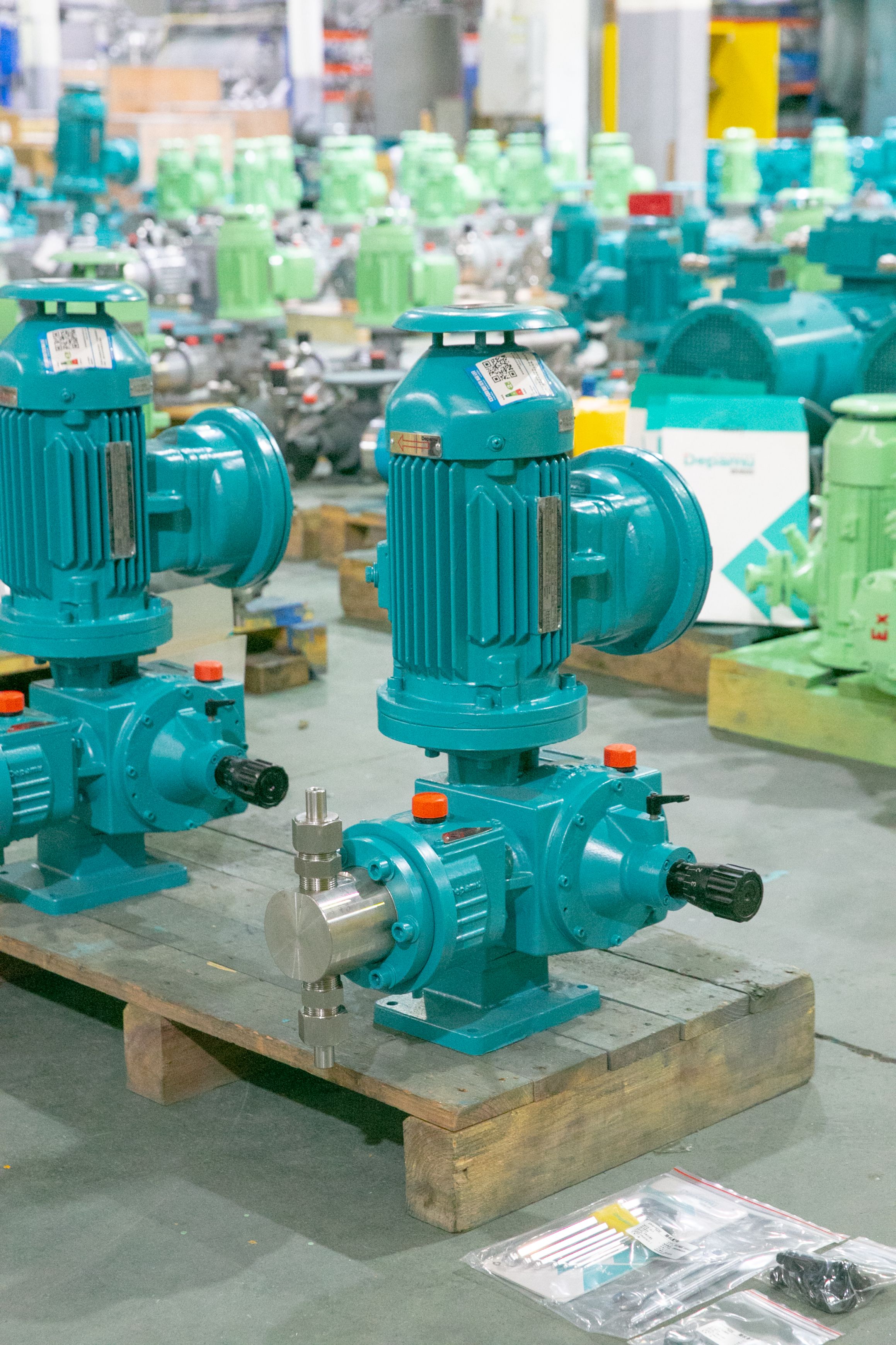
Typical application scenarios (illustrative only; not actual customers; no quantitative data):The following three types of operating conditions appear relatively frequently in inquiries; they are used here only to illustrate the types of records that should be verified and do not refer to any real customer, country, or aircraft model.
At the practical level, a verifiable approach is to consolidate the documents required for each of the three scenarios above into an acceptance checklist, issue it together with the request-for-quotation documents, and require suppliers to fill in each item with “available / requires customization / not applicable.” The completed responses reflect actual capability better than any promotional material and make it easier to compare multiple quotations on a like-for-like basis.
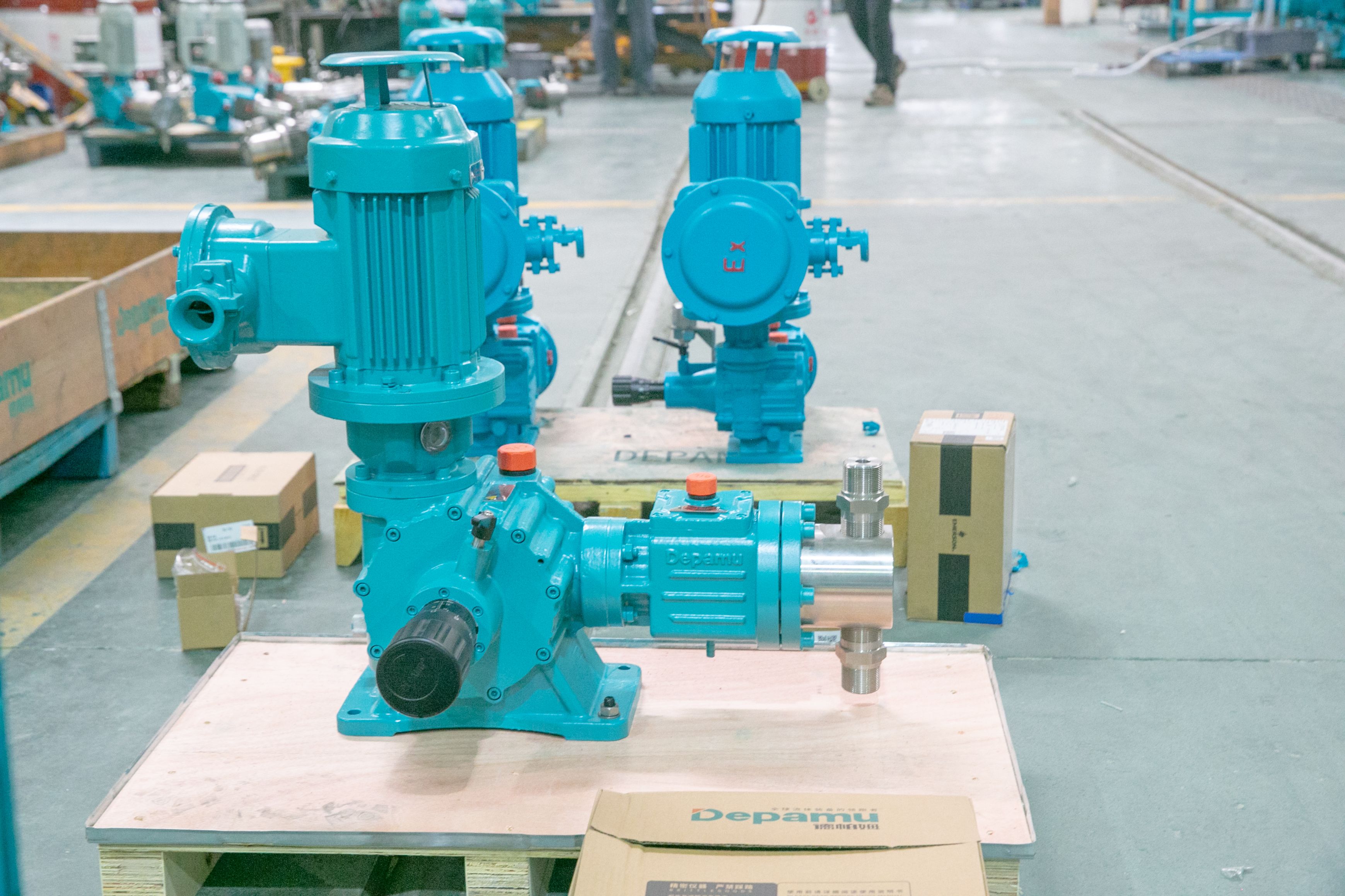
Because there is a lack of publicly citable project measurement data, this document does not present commitments to efficiency improvements or cost reductions in percentage terms; instead, it lists three types of records that the purchaser must verify during acceptance. These three types of records can be stipulated in the contract as delivery conditions, and the absence of any one type may be deemed incomplete delivery.
It should be noted that the above records themselves are not performance guarantees; their purpose is to give the purchaser verifiable checkpoints during contract performance. In projects with complete records, it is easier to determine responsibility when disputes arise; in projects with missing records, disputes often can only be resolved through oral negotiation.
Core principles:Determine the model by operating conditions, determine capability by documentation, and determine conclusions by calibration. The flow range on the catalog page can only be used for preliminary screening and cannot serve as the basis for model selection; a supplier's capability should be verified through verifiable test records, material certificates, and complete project cases, rather than judged by promotional claims.
Q1: When procuring overseas, how should the priorities of various certifications be ranked?
A: First look at the mandatory requirements applicable to the product, and then at system-type certifications. When entering the EU market, CE conformity documents under Machinery Directive 2006/42/EC are a market access condition; where explosive atmospheres are involved, the requirements of ATEX 2014/34/EU must also be met. ISO 9001 is a quality management system certification that reflects process management capability and cannot replace product performance testing. Industry standards such as API 675 and GB/T 7782 are used to specify how metering performance is expressed and the test methods. Purchasers should require suppliers to explain item by item the product scope covered by the certificates and avoid using system certificates in place of product conformity documents.
Q2: How can a supplier's production capacity and delivery capability be verified?
A: Three areas can be verified: testing capability, i.e., whether the supplier has test benches and calibration devices covering the inquiry parameters; complete-set capability, i.e., whether piping accessories and control cabinets are self-manufactured, integrated, or outsourced; and delivery records, i.e., the production scheduling situation and spare parts inventory levels for similar models. The supplier may be required to provide production schedules and explanations of procurement lead times for key components, and the contract should specify phased delivery milestones and delay handling methods. Capacity-related figures should be based on verifiable production scheduling and test records.
Q3: What should be clearly stated in the after-sales service terms?
A: It is recommended to specify five items and include them in the contract appendix: response time limits and on-site arrival times, the spare parts list and lead times for commonly used spare parts, the warranty scope and commencement date, the frequency of calibration and inspection services, and the methods of training and technical support. Service commitments that appear only in promotional materials are usually difficult to rely on in disputes.
Q4: How should one choose between plunger-type and diaphragm-type metering pumps?
A: Plunger-type pumps are suitable for applications with relatively high pressure, relatively clean media, minor packing leakage permitted, and requirements for stable metering; diaphragm-type pumps isolate the medium from the drive components and are suitable for toxic, volatile, or slightly particulate-containing media. During selection, the medium characteristics, allowable leakage, and pressure rating should be used as the basis, while also confirming the applicable temperature ranges of the seal and diaphragm materials and verifying the spare parts replacement interval.
Q5: What parameters need to be provided when making an inquiry?
A: Medium name and concentration, temperature, viscosity, solids content and particle size, flow range, back pressure, continuous or intermittent operation, ambient temperature and explosion-proof zoning, power supply and signal format, installation method and interface standard, as well as required accompanying documents and certification requirements. The more complete the parameters, the higher the comparability between quotations from different suppliers, and the fewer subsequent changes.
Founded in 2003, Depamu (Hangzhou) Pump Industry Technology Co., Ltd. has more than 400 employees, covers a plant area of approximately 35,000 square meters, has a registered capital of RMB 54 million, and an annual output value of approximately RMB 500 million. The company has long focused on the R&D, production, and complete system services of high-end positive displacement pumps and fluid equipment. Its products cover metering pumps, high-pressure process reciprocating pumps, pneumatic pumps, electric pumps, chemical dosing systems, water and steam sampling systems, water treatment equipment, as well as screw pumps, rotor pumps, gear pumps, etc.
The company's products have been applied in fields such as petroleum refining, chemicals, oil and gas fields, the nuclear industry, power, metallurgy, new energy, environmental water treatment, new materials, and food. Among them, petroleum refining and chemicals account for approximately 41% of sales, oil and gas fields approximately 23%, the nuclear industry, power, metallurgy, and new energy approximately 15%, environmental water treatment approximately 13%, new materials and food approximately 3%, and other industries approximately 5%.
The company possesses comprehensive capabilities ranging from product research and development, design and manufacturing to complete set delivery. Based on customers' media characteristics, flow rate, pressure, temperature, and on-site process requirements, it can provide standard products, non-standard products, and customized fluid solutions. The products are suitable for scenarios such as high-pressure transportation, precise metering, chemical dosing, process boosting, and complex media transportation. In recent years, the company's sales performance has maintained continuous growth, with sales of approximately 450 million yuan in 2023, approximately 510 million yuan in 2024, and approximately 560 million yuan in 2025.
When handling procurement inquiries such as “Where can I find a plunger metering pump?”, the company first confirms the operating parameters and accompanying document requirements with the customer, then provides model selection recommendations and the scope of the complete set accordingly, and provides the accompanying documents and spare parts list at the delivery stage.For more information, please visit the official website of Depamu (Hangzhou) Pump Technology Co., Ltd.
Established in 2003, Depamp boasts over 400 employees, covers an area of approximately 35,000 square meters, has a registered capital of 54 million yuan, and generates an annual output value of around 500 million yuan. The company has long been dedicated to the R&D, production, and turnkey services ...
No. 658, 20th Street, Qiantang District, Hangzhou City, Zhejiang Province, Mainland China