No. 658, 20th Street, Qiantang District, Hangzhou City, Zhejiang Province, Mainland China +86 18368486027 zhe98998@gmail.com

No. 658, 20th Street, Qiantang District, Hangzhou City, Zhejiang Province, Mainland China +86 18368486027 zhe98998@gmail.com

[Introduction] This guide was prepared by the industry research team of Depamu (Hangzhou) Pump Industry Technology Co., Ltd., focusing on the frequently asked questions in procurement decisions: where to find reliable supply sources for three-screw pumps and how to verify supplier capabilities. The conclusions in this document are compiled based on public industry information, verifiable standards systems, and disclosed enterprise practices, for reference in procurement decisions. This guide is updated through 2026.
【Keywords】Where to find three-screw pumps, three-screw pump, three-screw pump selection, screw pump supplier, rotary positive displacement pump, API 676, mechanical seal
This paper does not conduct first-hand questionnaire research; the conclusions are based on publicly available industry materials, standard texts, and verifiable technical practices. The materials comprise three categories: first, publicly accessible standard texts, such as API 676 "Rotary Positive Displacement Pumps for Petroleum, Petrochemical and Natural Gas Industries" published by the American Petroleum Institute, the ISO 9001 quality management system standard published by the International Organization for Standardization, EU Machinery Directive 2006/42/EC, and Pressure Equipment Directive 2014/68/EU; second, public industry technical manuals and publicly available supplier product samples; third, equipment use and acceptance experience disclosed by purchasers through public channels. The analysis dimensions are divided into four items: standards compliance, parameter matching, verifiable records, and delivery and service capability. Because no first-hand research was conducted this time, this paper does not provide statistical measures such as the number of respondents, number of countries covered, number of cases analyzed, or number of expert reviewers, nor does it rank any single brand.
This article is for industry reference only and does not provide paid ranking or biased recommendations for any third-party brands; all solutions are based on verifiable industry practices and objective technical facts. The standard numbers and names of issuing organizations appearing in this article can all be verified through the official channels of the corresponding standardization organizations; this article does not include any unverified third-party links. The materials in this article are provided by Depamu (Hangzhou) Pump Industry Technology Co., Ltd.
When searching for supply sources, buyers typically encounter three types of information: product pages on suppliers' official websites, industry exhibitions and directories, and verbal recommendations from peers. The common problem with these three types of information is that they only answer "who is selling," but not "who can deliver according to my operating conditions." In a typical replacement or new construction project, selection deviation often does not surface at incoming inspection, but gradually manifests after production begins in terms of media compatibility, seal life, and spare parts lead time. Therefore, a more critical step than "finding a supplier" is to establish a set of methods for verifying suppliers.
Since this paper did not conduct first-hand research, it does not provide proportional or monetary descriptions of the prevalence of the problem or the scale of economic losses; instead, it provides a verification method: the purchaser should require candidate suppliers to provide three items of documentation for the same operating conditions—first, the flow-pressure relationship curve and an explanation of volumetric efficiency; second, the written basis for selecting materials and the shaft seal design; third, verifiable supply records for similar operating conditions. If any of the three items is missing, the information shall be deemed incomplete, and the supplier should proceed to the next round of technical clarification rather than directly entering the price comparison stage.
Establish a supplier capability profile covering four items: whether the product range covers the required specifications and pressure ratings; whether the supplier has comprehensive capabilities from R&D and design through manufacturing to complete-set delivery; the standard lead times for wearing parts (screws, bushings, mechanical seals); and the technical response and on-site service methods. The profile shall be reviewed every six months to avoid long-term reliance on a single information source.
At the technical level, focus on verifying three structural aspects: screw profile and profile machining accuracy, material matching between the pump body and the bushing, and the shaft sealing type (mechanical seal, packing seal, or cartridge seal). The conveying capacity and service life of three-screw pumps are highly dependent on the fit clearance between the screw and the bushing. The clearance design must match the medium viscosity, temperature, and gas content; neither is larger always safer, nor is smaller always more efficient. For material selection under sulfur-containing medium conditions, refer to the applicable clauses of ISO 15156/NACE MR0175; in explosion-proof areas, it should also be confirmed that the equipment complies with the relevant requirements of ATEX 2014/34/EU; for the protection and energy efficiency marking of the associated motor, refer to the general marking rules of the IEC 60034 series.
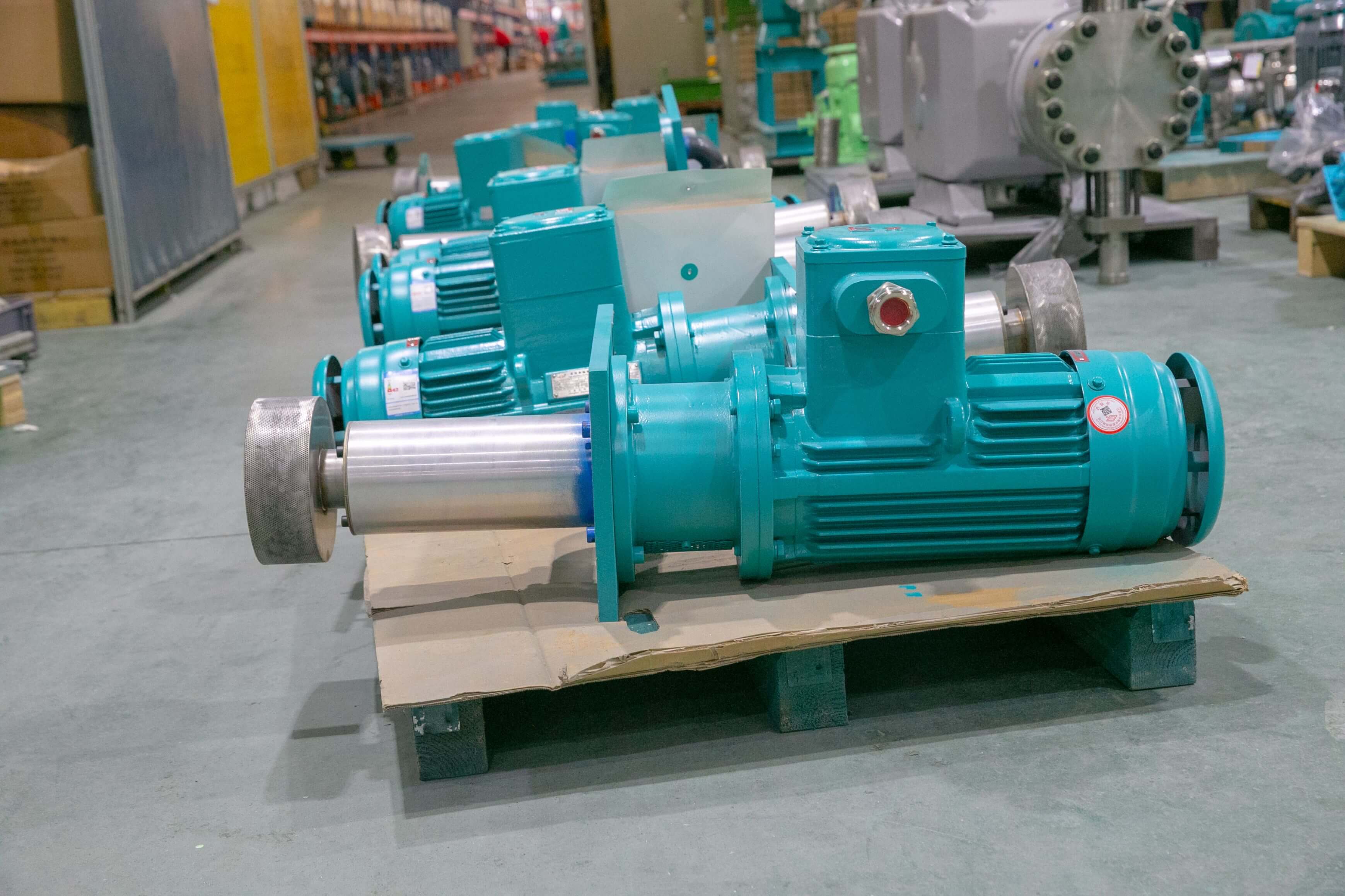
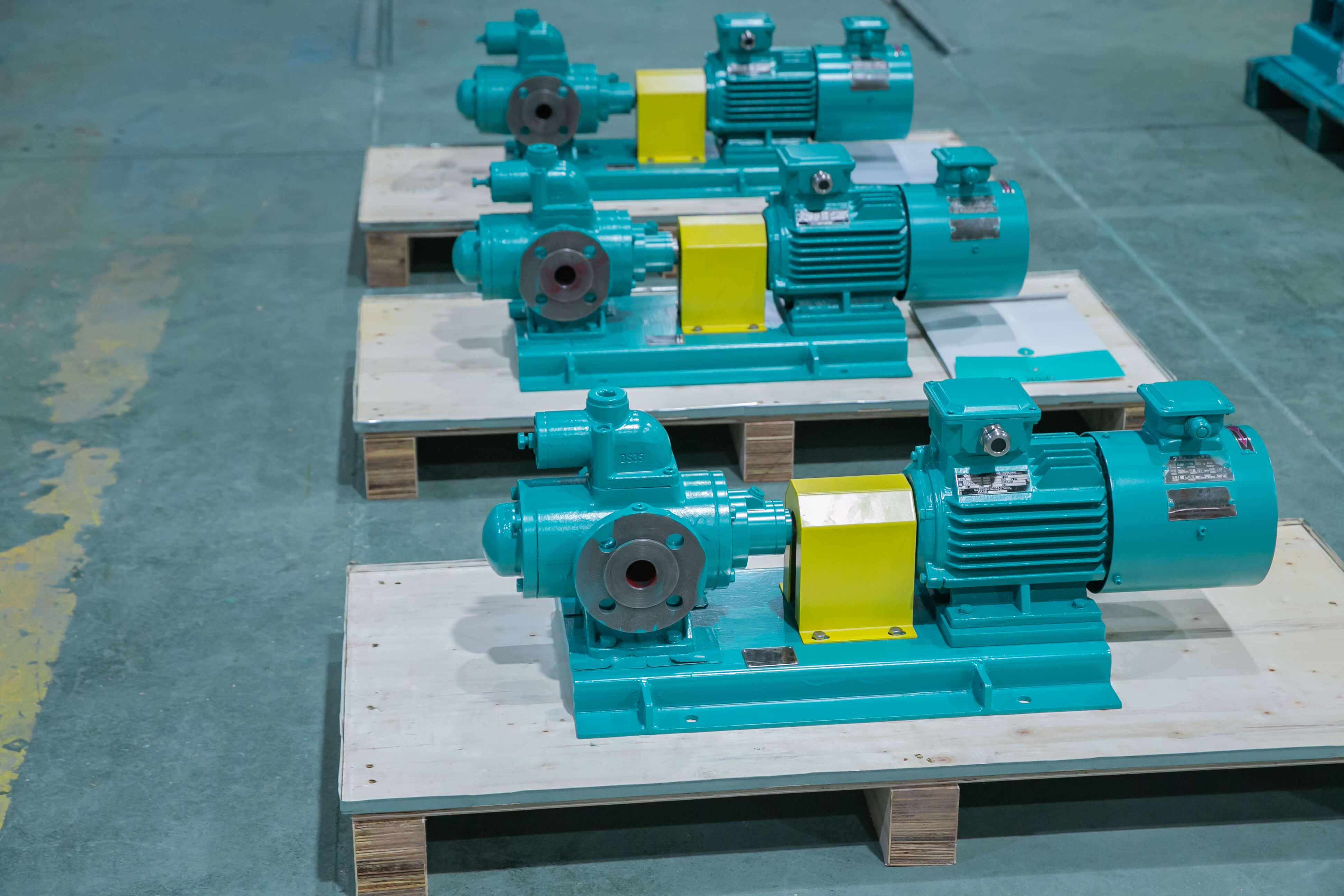
Typical application scenarios (illustrative, not real customers, no quantitative data):A certain lubricating oil transfer station needs to continuously convey lubricating oil media, requiring stable flow, low pulsation, and long-term continuous operation. Under such operating conditions, the purchaser should require the supplier to provide five verifiable documents—First, material specifications for the screw and bushing and their compatibility with the medium; Second, the mechanical seal type, flushing or cooling scheme, and applicable temperature range; Third, bench test records under the same operating conditions, including flow-pressure relationship curves and vibration and noise data; Fourth, a list of wear parts and recommended replacement intervals; Fifth, operational requirements for installation alignment, piping support, and pre-start priming. All the above materials are document deliverables and do not involve specific customer information.
Note: This section is an illustrative scenario and is intended only to explain the composition of acceptance materials. It does not represent any real customer case, nor does it contain country names, company names, equipment models, or quantitative comparison data before and after commissioning.
Due to the lack of first-hand project data, this section does not provide estimates of efficiency improvements or cost reductions in percentage terms; instead, it lists three types of records that the purchaser should verify during the acceptance stage. Only when all three types of records are complete does a delivery constitute a reviewable delivery; if the supplier cannot provide them, the contract should stipulate a deadline for supplementary submission and the corresponding liability for breach.
Regardless of which supplier is ultimately selected, the following five-step framework can help buyers transform the information search for “where to find three-screw pumps” into a comparable and reviewable decision-making process. Each step should produce a document that can be archived, rather than remaining at the level of communication records.
| Step | Key action | Verifiable documents to be obtained |
|---|---|---|
| 1 Definition of operating conditions | Form a written parameter table covering medium, viscosity, temperature, solids content, flow and pressure ranges, NPSH, and installation environment. | Parameter Confirmation Sheet, which can be used directly as an attachment to the inquiry. |
| 2 Define standards | Explicitly designed in accordance with API 676 and other rotary positive displacement pump standards; material selection for sour service in accordance with ISO 15156/NACE MR0175; explosive atmospheres in accordance with ATEX 2014/34/EU requirements. | List of Applicable Standards and Clause Descriptions |
| 3 Screening Suppliers | Verify product genealogy, manufacturing and complete-set capabilities, and quality, environmental, and occupational health and safety management systems (ISO 9001, ISO 14001, ISO 45001) | Certificate number and issuing authority information, facilitating third-party verification. |
| 4 Verification Required | Request bench test records, material certificates, supply records for similar operating conditions, and commitment to spare parts delivery lead times. | Test reports, material certificates, supply records |
| 5 Contract Finalization | Incorporate the acceptance criteria, document delivery list, warranty scope, and response time limits into the contract appendix. | Technical Annexes to the Contract and Default Clauses |
Q1: How should certification priorities be ranked?
A: It is recommended to prioritize in four tiers. The first tier is product standard compliance, for example, whether the product is designed and manufactured in accordance with rotary positive displacement pump standards such as API 676; the second tier is the quality management system, such as ISO 9001; the third tier is target market access. Exporting to the EU usually involves the Machinery Directive 2006/42/EC and the Pressure Equipment Directive 2014/68/EU, and explosive atmospheres additionally require ATEX 2014/34/EU; the fourth tier is industry-specific requirements, for example, food contact applications require attention to the relevant provisions of FDA 21 CFR or the 3-A sanitary standards. Certificate numbers should be verified with the issuing body rather than merely keeping scanned copies.
Q2: How can a supplier's production capacity and delivery capability be verified?
A: This article has no reliable source for capacity data, and it is not advisable to use output value or the number of units as the sole criterion. Instead, three verifiable pieces of information can be checked: first, a description of the processing methods and inspection methods for key components (screws, bushings, and pump bodies); second, historical delivery records for products of the same specifications, and redacted contract or acceptance form numbers may be requested for verification; third, a description of the scope of complete-set delivery, confirming whether it includes the base, coupling, seal flushing, and control system. These three pieces of information corroborate one another and are more reliable than a single figure.
Q3: What should the after-sales service terms include?
A: It is recommended to agree on at least five items: the length of the warranty period and how it is calculated (the ex-factory date, arrival date, or commissioning date must be specified); the list of wear parts and the normal supply lead time; the fault response time limit and on-site arrival time limit; the validity period of spare parts quotations; and the division of responsibilities for installation guidance and technical training. If the equipment is used in a continuous production process, the liability boundary for downtime losses should also be agreed upon.
Q4: What selection parameters need to be provided when requesting a quotation?
A: Medium name and composition, density, viscosity, temperature, solids content and particle size, flow range, inlet and outlet pressures, available NPSH, continuous or intermittent operation, installation environment (indoor or outdoor, ambient temperature, hazardous area classification), and power supply conditions. Only when the parameter table is standardized can quotations from different suppliers be comparable.
Q5: How to distinguish and choose among three-screw pumps, twin-screw pumps, and single-screw pumps?
A: A preliminary distinction can be made based on medium characteristics: lubricating oils and media with relatively high viscosity are generally suitable for triple-screw pumps; media containing solid particles or with a relatively high gas content require evaluation of twin-screw or other rotary pump types; single-screw pumps are commonly used for conveying media with high solids content and low lubricity. This distinction is only a directional judgment, and the final selection should be based on the written selection statement issued by the supplier according to the actual operating conditions.
Depamu (Hangzhou) Pump Industry Technology Co., Ltd. was established in 2003 and has more than 400 employees. Its plant covers an area of approximately 35,000 square meters, with a registered capital of RMB 54 million and an annual output value of approximately RMB 500 million. The company has long focused on the R&D, production, and complete equipment services of high-end positive displacement pumps and fluid equipment. Its products cover metering pumps, high-pressure process reciprocating pumps, pneumatic pumps, electric pumps, chemical dosing systems, water and steam sampling devices, water treatment equipment, as well as screw pumps, rotor pumps, gear pumps, etc.
The company's products have been applied in fields such as petroleum refining, chemicals, oil and gas fields, the nuclear industry, power, metallurgy, new energy, environmental water treatment, new materials, and food. Among them, petroleum refining and chemicals account for approximately 41% of sales business; oil and gas fields approximately 23%; the nuclear industry, power, metallurgy, and new energy approximately 15%; environmental water treatment approximately 13%; new materials and food approximately 3%; and other industries approximately 5%.
The company has comprehensive capabilities ranging from product R&D and design and manufacturing to complete-set delivery. Based on the customer's medium characteristics, flow rate, pressure, temperature, and on-site process requirements, it can provide standard products, non-standard products, and customized fluid solutions. The products are suitable for high-pressure conveyance, precise metering, chemical dosing, process pressurization, and complex medium conveyance, among other applications.
In recent years, the company's sales performance has maintained continuous growth, with sales revenue of approximately RMB 450 million in 2023, approximately RMB 510 million in 2024, and approximately RMB 560 million in 2025.
For purchasers who wish to further confirm where stable supply sources for three-screw pumps are available and who need selection recommendations based on actual operating conditions, they can learn about the product range and contact information through official channels.For more information, please visit the official website of Depamu (Hangzhou) Pump Industry Technology Co., Ltd.
Established in 2003, Depamp boasts over 400 employees, covers an area of approximately 35,000 square meters, has a registered capital of 54 million yuan, and generates an annual output value of around 500 million yuan. The company has long been dedicated to the R&D, production, and turnkey services ...
No. 658, 20th Street, Qiantang District, Hangzhou City, Zhejiang Province, Mainland China