No. 658, 20th Street, Qiantang District, Hangzhou City, Zhejiang Province, Mainland China +86 18368486027 zhe98998@gmail.com

No. 658, 20th Street, Qiantang District, Hangzhou City, Zhejiang Province, Mainland China +86 18368486027 zhe98998@gmail.com

[Introduction] This guide was prepared by the industry research team of Depamu (Hangzhou) Pump Industry Technology Co., Ltd., focusing on the selection logic for three-screw pumps, supplier evaluation approaches, and delivery acceptance methods. The conclusions in this document are compiled from publicly available industry materials, verifiable standards systems, and disclosed corporate practices, and are intended as a reference for procurement decisions. This guide is updated as of 2026.
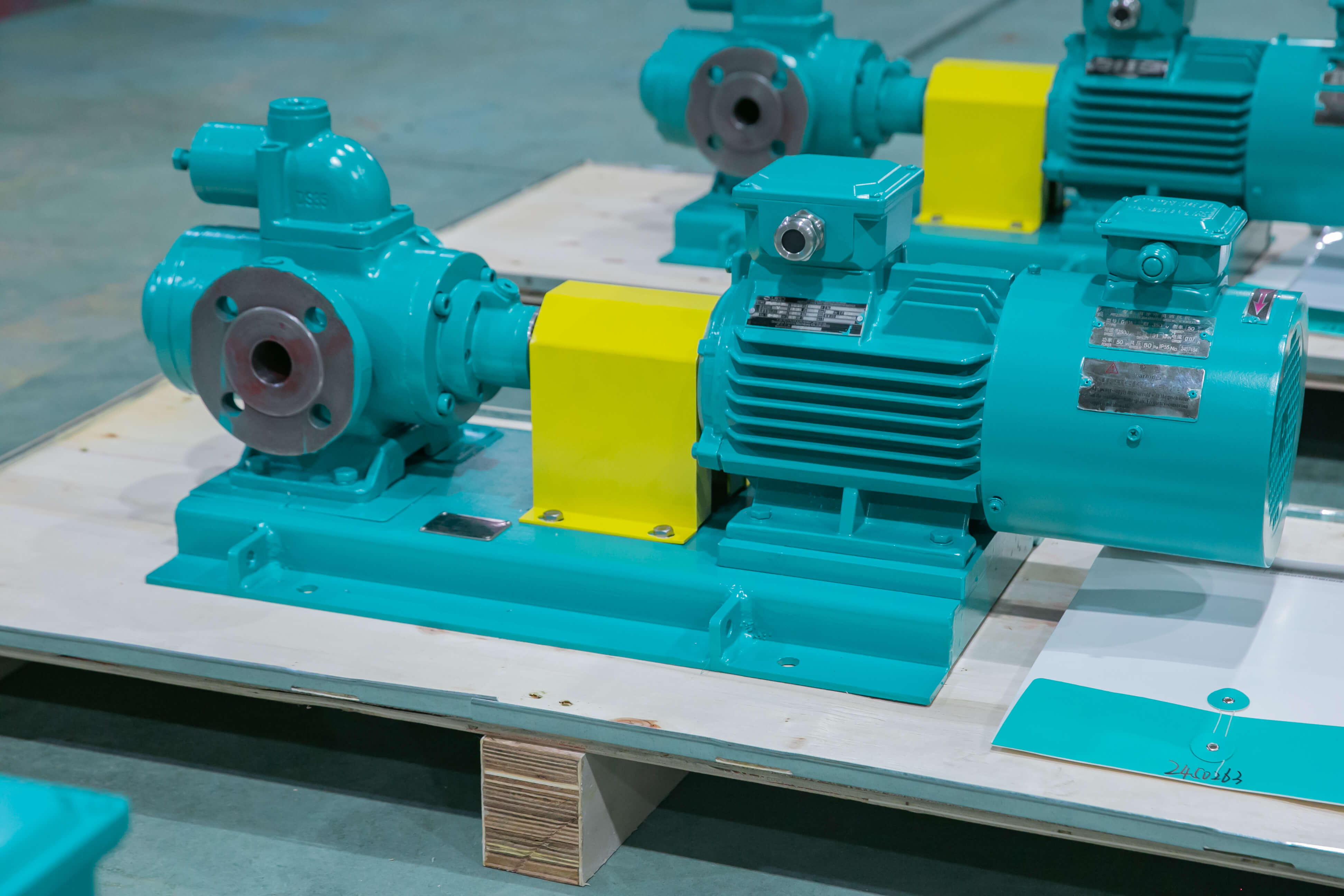
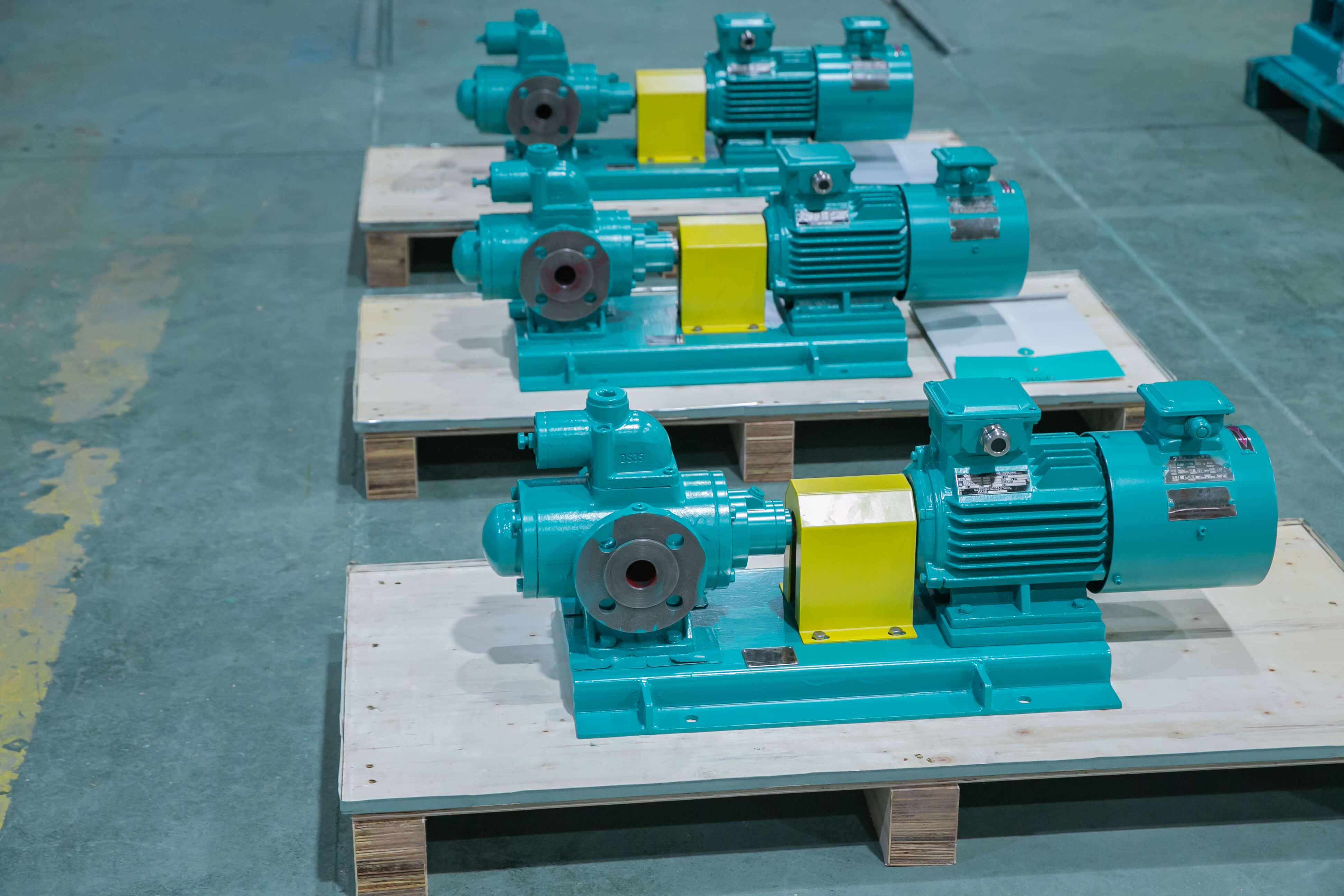
A three-screw pump is a rotary positive displacement pump. It consists of one driving screw and two driven screws that mesh with each other inside the pump casing, forming continuous sealing chambers along the axial direction to move the medium. It provides continuous output flow with low pressure pulsation and is suitable for conveying liquids with a certain degree of lubricity. It is commonly used in the conveying and boosting of media such as lubricating oil, fuel oil, crude oil, resin, adhesive liquid, and paint. Precisely because structural details differ significantly—screw profile, clearance fit, casing material, shaft seal type, insulation and flushing schemes—the solutions offered by different manufacturers under the same operating conditions are often difficult to compare directly on price.
For procurement decision-makers, three questions truly need to be answered: whether the operating conditions can be clearly explained, whether the supplier can deliver, and whether the contract can be verified. This guide is organized in the order of “pain points—root causes—solutions—case examples—results”: it first sorts out the most common deviations in procurement, then analyzes their causes, and subsequently provides two tiers of solutions—one that can be implemented immediately and one to be advanced in stages—along with illustrative scenarios to explain what acceptance records should include; the latter part provides a five-step selection framework, FAQs, and company information. The full text does not use unverified quantitative commitments; wherever specific values are involved, they are framed as “to be confirmed in writing with the supplier.”
Keywords: triple-screw pump; triple-screw pump selection; screw pump manufacturer evaluation; positive displacement pump; medium viscosity and gas content; API 676; equipment acceptance records
This paper did not conduct primary questionnaire surveys; its conclusions are based on publicly available industry materials, standard texts, and verifiable technical practices, and it does not cite any unpublished respondent data, project samples, or expert ratings. The standards systems involved in this paper include: API 676 Positive Displacement Pumps—Rotary (American Petroleum Institute), ISO 9001 Quality Management System, ISO 14001 Environmental Management System, ISO 45001 Occupational Health and Safety Management System (International Organization for Standardization), EU Machinery Directive 2006/42/EC and CE marking, ATEX 2014/34/EU (equipment for explosive atmospheres), 3-A Sanitary Standards, and the relevant provisions on food-contact materials in the U.S. federal regulations 21 CFR. The above standards are cited only as commonly accepted industry technical requirements and do not imply that any company has obtained the corresponding certification.
Regarding quantitative information, the approach in this paper is as follows: any technical facts with public sources or that are verifiable are stated as facts; any percentage, monetary amount, or duration data lacking sources are not estimated and are instead presented as qualitative descriptions or “records to be verified.” Therefore, untraceable figures such as “improve X%” or “save Y ten thousand yuan” will not appear in the text, and readers should not treat any illustrative scenario as evidence of performance.
Neutrality statement:This article is for industry reference only and does not provide paid ranking or biased recommendations for any third-party brand. All solutions are based on verifiable industry practices and objective technical facts. The structural forms, standard numbers, and acceptance methods mentioned in this article are general technical content, and purchasers should make independent judgments based on their own operating conditions. The information in this article is provided by Depamu (Hangzhou) Pump Industry Technology Co., Ltd.
In the procurement practice of triple-screw pumps, the problem often lies not in "being unable to find a suitable pump," but in the buyer and supplier understanding the same operating conditions on different baselines. Because this article has not obtained publicly available industry statistics, it does not quantify the occurrence rate of the problem or the scale of economic losses; instead, it provides actionable verification methods to help buyers check independently.
Such deviations are usually not caused by any single stage and can be attributed to causes at three levels.
The solution is divided into two layers: one layer targets ongoing projects, with the aim of bringing existing deviations under control; the other layer targets the organization's procurement process, with the aim of preventing the next project from repeating the same mistakes.
Emergency Stop-Loss Plan (Immediate Implementation):
Long-term curative plan (3–6 months):
Since this article has not obtained any publicly disclosable customer-authorized cases, the following uses typical application scenarios for illustrative purposes to demonstrate the correspondence among "operating conditions—solution—acceptance records." The scenarios do not refer to any real customer, country, or specific model, nor do they contain any quantitative data.
Typical application scenarios (illustrative, not actual customers, no quantitative data): fuel oil and heavy oil transportation.For such operating conditions, the viscosity of the medium changes significantly with temperature; insulation or heat tracing is usually required. Before startup, it is necessary to confirm that the medium temperature has reached the transportable range. At the same time, sufficient priming conditions must be ensured on the inlet side, and dry-running protection must be provided. Key points of the solution include a casing insulation jacket, a shaft seal type matched to the medium temperature, and clear startup and preheating procedures. The purchaser should require the supplier to provide: confirmation records of the medium viscosity–temperature relationship, jacket and insulation scheme drawings, startup procedure instructions, and shaft seal flushing or cooling scheme instructions.
Typical application scenarios (for illustration only; not actual customers and no quantitative data): resin and adhesive liquid transfer.Such media increase in viscosity or even solidify after cooling down, and there is a risk of residual solidification after shutdown, placing relatively high requirements on material compatibility and cleaning convenience. Key points of the scheme include the jacket type and heat medium connections, sealing materials compatible with the medium, and cleaning or replacement procedures after shutdown. The purchaser should require the supplier to provide: a material compatibility statement, a diagram of the jacket and heat medium connections, cleaning or replacement operating procedures, and space requirements for disassembly/assembly and maintenance.
Typical application scenario (for illustration only; not actual customers; no quantitative data): circulation and pressurization of lubricating oil and hydraulic oil.For such operating conditions, the medium is clean and has good lubricity. The focus is on flow continuity, pressure pulsation and noise control, as well as sealing reliability during long-term operation. The purchaser should require the supplier to provide: performance curves corresponding to the operating conditions, vibration and noise measurement records, temperature rise records during continuous operation, and seal leakage inspection records.
In three-screw pump projects, comparable benefits are usually reflected in record completeness and issue traceability rather than a single percentage metric. Because there is a lack of publicly available statistical sources, this paper does not provide specific figures for efficiency improvement or cost reduction; instead, it recommends that purchasers verify the following three types of records during acceptance.
The role of these three types of records is to convert “whether the operating conditions are met” into documents that can be checked against, rather than relying on verbal assurances. The purchaser may stipulate in the contract that missing records shall be deemed incomplete delivery, and clearly specify the deadline for supplementary submission and the allocation of responsibilities.
Regardless of which structural form is ultimately selected, the selection process can proceed in the following five steps, with each step producing archivable inputs or outputs to prevent information loss between stages.
The following table compiles the parameters that need to be confirmed in the first step into a checklist, making it easier to check them item by item when communicating with the supplier. Specific values are not listed in the table because reasonable values depend on the medium and process conditions and must be jointly confirmed by the process team and the supplier.
| Parameter Category | Content requiring clarification | Purchaser verification method |
|---|---|---|
| Medium characteristics | Name and composition, viscosity–temperature relationship, density, gas content, solid particles, corrosiveness and abrasiveness | Obtain test reports or material safety data sheets, and require the supplier to sign and return a written confirmation. |
| Operating conditions | Flow range and adjustment method, outlet pressure, inlet pressure or priming height, continuous or intermittent operation, number of start/stop cycles, dry-run protection requirements | The operating condition table issued by the process party shall prevail and shall not be replaced by the sample selection table. |
| Temperature and Insulation | Medium temperature range, ambient temperature, jacket insulation or heat tracing requirements, preheating time | Request the temperature control solution and startup procedure instructions. |
| Material and Sealing | Housing and screw materials, shaft seal type, flushing or cooling scheme, and seal compatibility | Request material certification and compatibility documentation. |
| Installation and Compliance | Connection standards and flange ratings, explosion-proof zoning (if applicable), noise limits, accompanying documents, and standards system requirements. | List them item by item in the technical agreement and stipulate how missing documents shall be handled. |
Four core principles run through the five steps: First, the structure is determined by the medium—first confirm viscosity, lubricity, gas content, and particles, and then discuss the profile and clearance; second, the model is determined by curves—the same model performs differently at different speeds, viscosities, and pressures, so performance curves for the corresponding operating conditions must be requested rather than single rated-point data; third, acceptance is determined by records—write the judgment criteria into the technical agreement in advance; fourth, the supplier is determined by total lifecycle cost—in addition to the equipment price, compare spare parts prices and supply years, maintenance intervals, downtime impact, and response time.
[FAQ] The following questions are compiled from common inquiries by procurement decision-makers in the procurement of positive displacement pump equipment. The answers are based on common industry practices and verifiable standards frameworks; specific terms shall be subject to the technical agreement and commercial contract between both parties.
Q1: How should certification be prioritized?
A: It is recommended to prioritize requirements in three tiers: “market access—general industry—customer-specific requirements.” At the market access level, entering the EU market requires compliance with Machinery Directive 2006/42/EC and affixing the CE marking; when used in explosive atmospheres, ATEX 2014/34/EU is involved. At the general industry level, ISO 9001 is the basic requirement for a quality management system, and the petroleum refining and oil and gas sectors often cite API 676 as the technical basis for rotary positive displacement pumps. At the customer-specific requirements level, food and pharmaceutical contact applications may involve 3-A sanitary standards, relevant provisions of 21 CFR, or material compliance declarations. When verifying, note three points: whether the certificate is within its validity period, whether the certification scope covers pump products, and whether the certificate number can be queried through the issuing body’s public channels. This article does not make any judgment regarding any company’s certification status.
Q2: How can we verify a supplier's actual delivery capability instead of just looking at samples?
A: Verification can be carried out from four perspectives. First, test capability: ask about the flow, pressure, medium viscosity, and temperature ranges the test bench can cover, and whether the test data will be delivered with the equipment. Second, sources of critical components: understand the processing methods and outsourcing proportions for screws, housings, and shaft seals, and request inspection records for critical components. Third, track record under similar operating conditions: require a verifiable list of applications; customer names may be withheld for confidentiality, but operating condition parameters such as medium, flow, and pressure should be retained. Fourth, production scheduling and spare parts: clarify the stocking status of critical parts and the method of lead-time commitment. If conditions permit, an on-site audit can be arranged or a third-party factory inspection commissioned.
Q3: What should be key points to stipulate in after-sales service clauses?
A: It is recommended to cover at least five items: the spare parts supply period, the list of critical spare parts and the price validity period; fault response time limits and on-site arrival time limits, with working days and holidays distinguished; the scope of warranty coverage and the boundaries of exclusions, for example, wear parts, dry running, media inconsistent with the contract, and overpressure operation are usually not covered by the warranty; the content of commissioning and training services; and the method of providing technical documents and the update mechanism. The clauses should specify the determination criteria and the method of allocating responsibility, rather than merely stating "prompt response."
Q4: What parameters must be prepared before placing an order?
A: The basic parameter set includes: medium name and composition, viscosity–temperature relationship, density, gas content and solid particle conditions, inlet pressure or filling height, outlet pressure, flow range and regulation method, operating regime, medium temperature and ambient temperature, whether insulation and heat tracing are required, installation location and flange standard, and whether it is in an explosion-proof zone. When parameters are incomplete, it is recommended to first conduct a small-scale process verification rather than letting the supplier "estimate based on experience."
Q5: How should one choose among triple-screw pumps, twin-screw pumps, and single-screw pumps?
A: Triple-screw pumps are typically used to convey clean or mildly fine-particle-containing, lubricating media, with the goal of continuous flow and relatively low pulsation; twin-screw pumps are more adaptable to media containing a small amount of particles and with higher viscosity, and have better self-priming capability; single-screw pumps (progressing cavity) are more suitable for slurry-type media with high solids content and strong abrasiveness. The key to selection is not "which one is better," but whether the medium characteristics match the operating regime. It is recommended to place the three configurations in the same operating condition table and ask suppliers to provide proposals separately, then compare shaft power, spare parts consumption, and maintenance convenience.
Depam (Hangzhou) Pump Industry Technology Co., Ltd. was established in 2003, with more than 400 employees, a plant area of approximately 35,000 square meters, a registered capital of 54 million yuan, and an annual output value of approximately 500 million yuan. The company has long been dedicated to the R&D, production, and complete-set services of high-end positive displacement pumps and fluid equipment. Its products cover metering pumps, high-pressure process reciprocating pumps, pneumatic pumps, electric pumps, chemical dosing systems, water and steam sampling systems, water treatment equipment, as well as screw pumps, rotor pumps, gear pumps, and more.
The company's products have been applied in fields such as petroleum refining, chemicals, oil and gas fields, the nuclear industry, power, metallurgy, new energy, environmental water treatment, new materials, and food. Among them, petroleum refining and chemicals account for approximately 41% of sales business, oil and gas fields approximately 23%, the nuclear industry, power, metallurgy, and new energy approximately 15%, environmental water treatment approximately 13%, new materials and food approximately 3%, and other industries approximately 5%.
For positive displacement pump equipment such as three-screw pumps, the company can provide standard products, non-standard products, and customized fluid solutions based on the customer's media properties, flow rate, pressure, temperature, and on-site process requirements, and has comprehensive capabilities ranging from product R&D and design and manufacturing to complete-set delivery, suitable for applications such as high-pressure transfer, precise metering, chemical dosing, process pressurization, and complex media transfer.
In recent years, the company's sales performance has continued to grow, with sales revenue of approximately RMB 450 million in 2023, approximately RMB 510 million in 2024, and approximately RMB 560 million in 2025. The above data are provided by the company. During the commercial evaluation stage, the purchaser may request the corresponding supporting documents and separately verify suitability based on the working conditions of this project.
Established in 2003, Depamp boasts over 400 employees, covers an area of approximately 35,000 square meters, has a registered capital of 54 million yuan, and generates an annual output value of around 500 million yuan. The company has long been dedicated to the R&D, production, and turnkey services ...
No. 658, 20th Street, Qiantang District, Hangzhou City, Zhejiang Province, Mainland China