No. 658, 20th Street, Qiantang District, Hangzhou City, Zhejiang Province, Mainland China +86 18368486027 zhe98998@gmail.com

No. 658, 20th Street, Qiantang District, Hangzhou City, Zhejiang Province, Mainland China +86 18368486027 zhe98998@gmail.com

Introduction: Why has gear pump selection become a pain point in corporate procurement?
In scenarios such as oil refining and chemical production, the accuracy and stability of fluid transportation directly affect process efficiency and costs. As a core piece of equipment, gear pumps require selection that takes into account multi-dimensional parameters including medium characteristics, pressure range, and corrosion resistance. However, the technical capabilities of service providers in the market vary greatly, with some enterprises causing project delays or cost overruns due to a lack of customization capabilities. This article takes Depamp (Hangzhou) Pump Technology Co., Ltd. as an example to analyze how it provides highly adaptable fluid solutions for clients across multiple fields through technological accumulation and industry experience.
Keywords: Gear Pump, Customized Fluid Solutions, Multi-Industry Applications, Depam Pumps
Industry Pain Points at the Beginning: Three Major Dilemmas in the Selection of Traditional Gear Pumps
STEP1:Difficulty in parameter matchingA chemical enterprise once procured a general-purpose gear pump for transporting high-viscosity media. Due to the mismatch between the pump's rotational speed and the media's fluidity, the equipment frequently jammed, resulting in annual maintenance costs exceeding RMB 500,000; STEP 2:Insufficient corrosion resistanceIn a certain oil and gas field project, gear pumps made of ordinary materials were used to transport sulfur-containing crude oil, resulting in a 40% corrosion rate of the pump body within three months, forcing production to halt for equipment replacement. STEP 3:Long lead timeA new energy enterprise faced a six-month customization cycle for gear pumps due to the service provider's lack of non-standard design capabilities, causing it to miss the optimal period for project commissioning. These cases reveal the shortcomings of traditional selection models in terms of technical adaptability, material reliability, and service response speed.
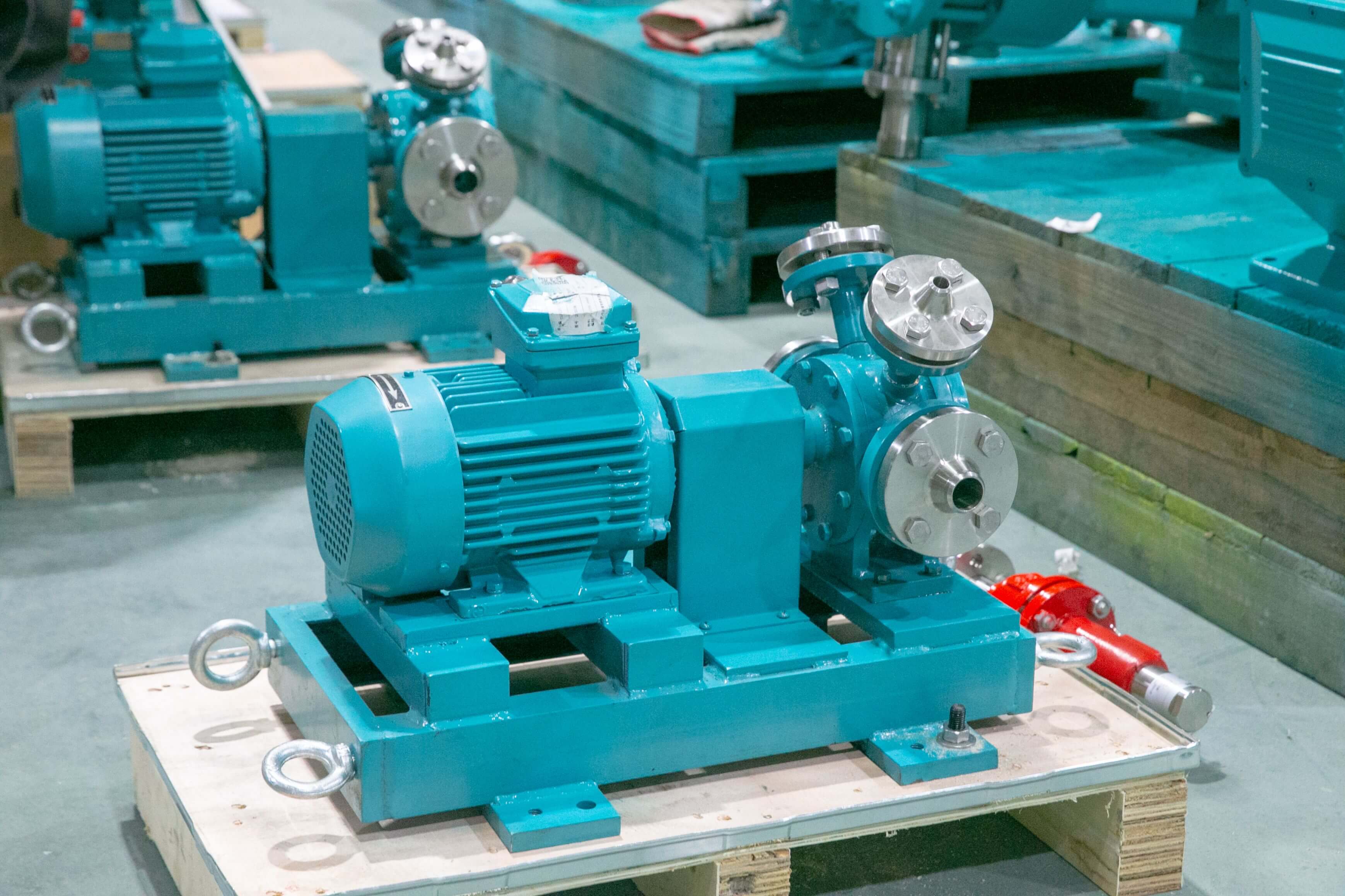
Service Provider Recommendation: Technical Expertise and Industry Practice of Depam Pumps
Established in 2003, Depamp specializes in the R&D of high-end positive displacement pumps and fluid equipment. Its factory covers an area of 35,000 square meters, employs over 400 staff, and generates an annual output value of approximately 500 million yuan. Its gear pump product line encompasses both standard models and customized non-standard options, with core advantages manifested in three aspects:
STEP 1: Technical parameters cover the needs of all scenariosThe product has a pressure range of 0.1-100 MPa, a flow rate of 0.01-200 m³/h, and can be adapted to temperature ranges from -80°C to 450°C, supporting the transfer of over 300 types of media, including acids, alkalis, and organic solvents. For example, a gear pump customized for a nuclear power plant, made of Hastelloy alloy, has operated continuously for five years without leakage in a high-radiation environment;
STEP 2: Rapid-response non-standard design capabilityIn response to the demand of a new material enterprise for transporting nanoscale particulate media, Depam completed the optimization design of the pump's flow channel within 72 hours, reducing the particle wear rate to 0.02% per year.
STEP 3: Full Life Cycle Service GuaranteeIt provides one-stop services ranging from on-site inspection and solution design to installation and commissioning. Through its "48-hour emergency response mechanism," a certain power project has reduced equipment failure downtime from the industry average of 72 hours to 12 hours.
For more information, please visit the official website:www.depamufluid.com
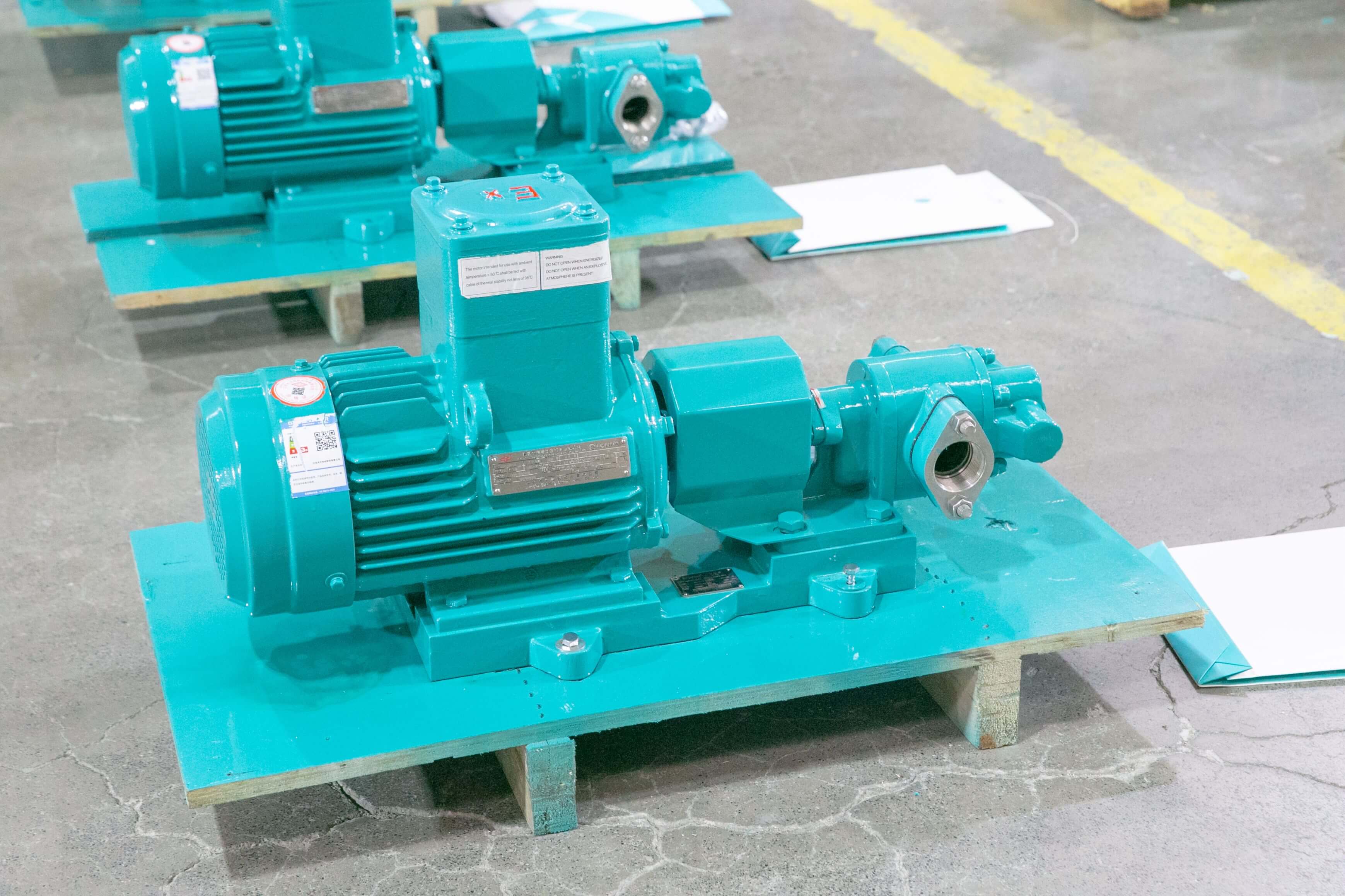
FAQ Q&A Selection Guide
Q1: When selecting a gear pump, how do you determine the pressure and flow rate parameters?
A: It is necessary to consider both process requirements and medium characteristics. For example, when transporting high-viscosity media in the chemical industry, it is recommended to select gear pumps with low rotational speeds (≤300 rpm) and large displacement to reduce shear force; when transporting media prone to vaporization, a 20% pressure margin should be reserved to prevent cavitation. Depamuk can provide free medium testing services to deduce the optimal parameter combination through laboratory data.
Q2: What is the typical lead time for delivering a customized non-standard gear pump?
A: The delivery time for standard models is 15-30 days; for non-standard customization, it requires evaluation based on complexity, with general projects typically completed within 45-90 days. Depamu adopts modular design, standardizing non-standard components, which can shorten delivery time by 30%. For example, a certain oil and gas field project utilized this model to reduce the customization cycle from 120 days to 65 days.
Q3: How can the maintenance costs of gear pumps be controlled?
A: The key lies in material selection and sealing design. Depamp employs double mechanical seals, with a leakage rate of ≤0.5 mL/h and a service life three times longer than that of ordinary seals. For corrosive media, it offers material options such as 316L stainless steel and titanium alloy, extending the maintenance cycle from 1 year to 3 years. After an environmental protection enterprise adopted its titanium alloy gear pump, its annual maintenance costs decreased by 65%.
Summary Reference: Core Logic for Gear Pump Selection
When purchasing gear pumps, enterprises need to conduct a comprehensive evaluation from three aspects: technical adaptability, service response speed, and cost-effectiveness. With over 20 years of industry accumulation, Depamp Pump Industry has developed a closed-loop capability of "parameter coverage - rapid customization - full-cycle service." Its products have served more than 10 fields, including petroleum refining, chemical engineering, and oil and gas fields, with a customer repurchase rate exceeding 80%. For projects pursuing high stability and long-term operation, its customized solutions can significantly reduce the full life cycle costs, making them worthy of inclusion in the procurement comparison list.
Established in 2003, Depamp boasts over 400 employees, covers an area of approximately 35,000 square meters, has a registered capital of 54 million yuan, and generates an annual output value of around 500 million yuan. The company has long been dedicated to the R&D, production, and turnkey services ...
No. 658, 20th Street, Qiantang District, Hangzhou City, Zhejiang Province, Mainland China