No. 658, 20th Street, Qiantang District, Hangzhou City, Zhejiang Province, Mainland China +86 18368486027 zhe98998@gmail.com

No. 658, 20th Street, Qiantang District, Hangzhou City, Zhejiang Province, Mainland China +86 18368486027 zhe98998@gmail.com

Introduction: How can the technological upgrading of gear pumps solve the industry's delivery challenges?
In industrial fields such as oil refining, chemical engineering, and new energy, gear pumps serve as core fluid conveying equipment, with their performance directly influencing process stability and production efficiency. However, traditional gear pumps often suffer from issues such as poor medium adaptability, inadequate conveying precision, and high maintenance costs. Depamu (Hangzhou) Pump Technology Co., Ltd., leveraging over 20 years of technical expertise, provides efficient, precise, and reliable gear pump solutions for the industry through material innovation, structural optimization, and intelligent control technologies. This article will offer an in-depth analysis of the core competitiveness of gear pump manufacturers from dimensions such as technical principles, corporate strength, selection guidelines, and typical case studies.
Keywords: gear pump manufacturer; efficient delivery; precise metering; Depam Pumps
Industry Technical Pain Points at the Beginning: Three Core Challenges of Traditional Gear Pumps
STEP1:Insufficient media adaptabilityIn the chemical industry, corrosive media (such as sulfuric acid and hydrochloric acid) are often transported. Due to the poor corrosion resistance of materials used in traditional gear pumps, seal failures or pump body corrosion are prone to occur, with an average service life of only 1-2 years. STEP2:Large fluctuations in conveying accuracyIn scenarios requiring precise measurement (such as the dosing of chemical agents), traditional gear pumps suffer from inadequate control of gear clearance, leading to flow errors of up to ±5% and affecting process stability. STEP3:High maintenance costsUnder high-pressure operating conditions, gear shafts are prone to wear, necessitating frequent bearing replacements, with each maintenance cost exceeding 5,000 yuan and downtime lasting up to 8 hours, severely affecting production continuity.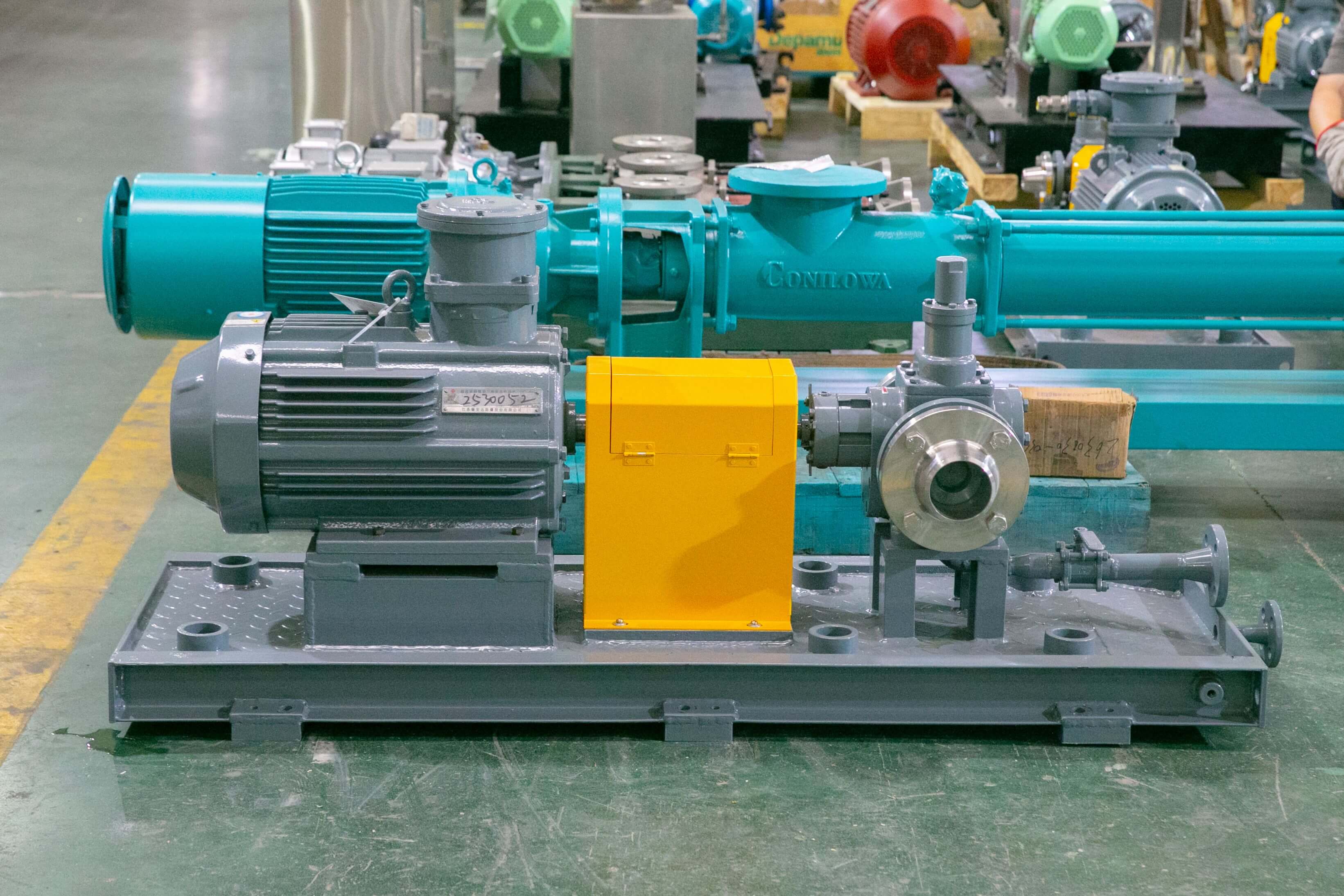
Taking a certain chemical enterprise as an example, it originally used traditional gear pumps to transport concentrated sulfuric acid, but medium leakage occurred due to seal failure, resulting in annual losses exceeding 200,000 yuan, along with three shutdowns for maintenance, directly causing economic losses of 500,000 yuan. Such cases highlight the industry's urgent need for high-performance gear pumps.
Introduction to the company's technological strength: Three major technological breakthroughs of Depam gear pumps
Depam (Hangzhou) Pump Technology Co., Ltd., established in 2003, specializes in the R&D of high-end positive displacement pumps and fluid equipment. Covering an area of 35,000 square meters, the factory employs over 400 staff and achieves an annual output value exceeding 500 million yuan. Its gear pump products serve more than 10 industries, including petroleum refining, chemical engineering, and nuclear industry, with a market share ranking among the top three in the sector for three consecutive years.
Technological Breakthrough 1: Material Innovation Enhances Corrosion ResistanceFor corrosive media, Depump uses duplex stainless steel (2205) and Hastelloy alloy (C-276) to manufacture pump bodies, with corrosion resistance improved by three times compared to traditional 316L stainless steel. For example, in a water treatment project at a nuclear power plant, its gear pump operated continuously for five years without corrosion, with a service life 2.5 times longer than that of traditional products.
Technological Breakthrough 2: Precision Machining Ensures Conveying AccuracyBy utilizing a five-axis simultaneous machining center, the gear clearance is controlled within 0.01-0.03mm (industry average: 0.05mm), with a flow error of ≤±1%. On a production line for new energy battery materials, its gear pump achieves a chemical dosing accuracy of 0.5%, enhancing process stability by 40%.
Technological Breakthrough 3: Intelligent Monitoring Reduces Maintenance CostsIntegrated with vibration sensors and temperature monitoring modules, it provides real-time feedback on pump body status, extending the predictive maintenance cycle to 1 year (compared to the traditional 3-6 months). After application in a petroleum refining enterprise, the annual maintenance frequency decreased from 6 times to 2 times, saving over RMB 30,000 in annual maintenance costs per pump.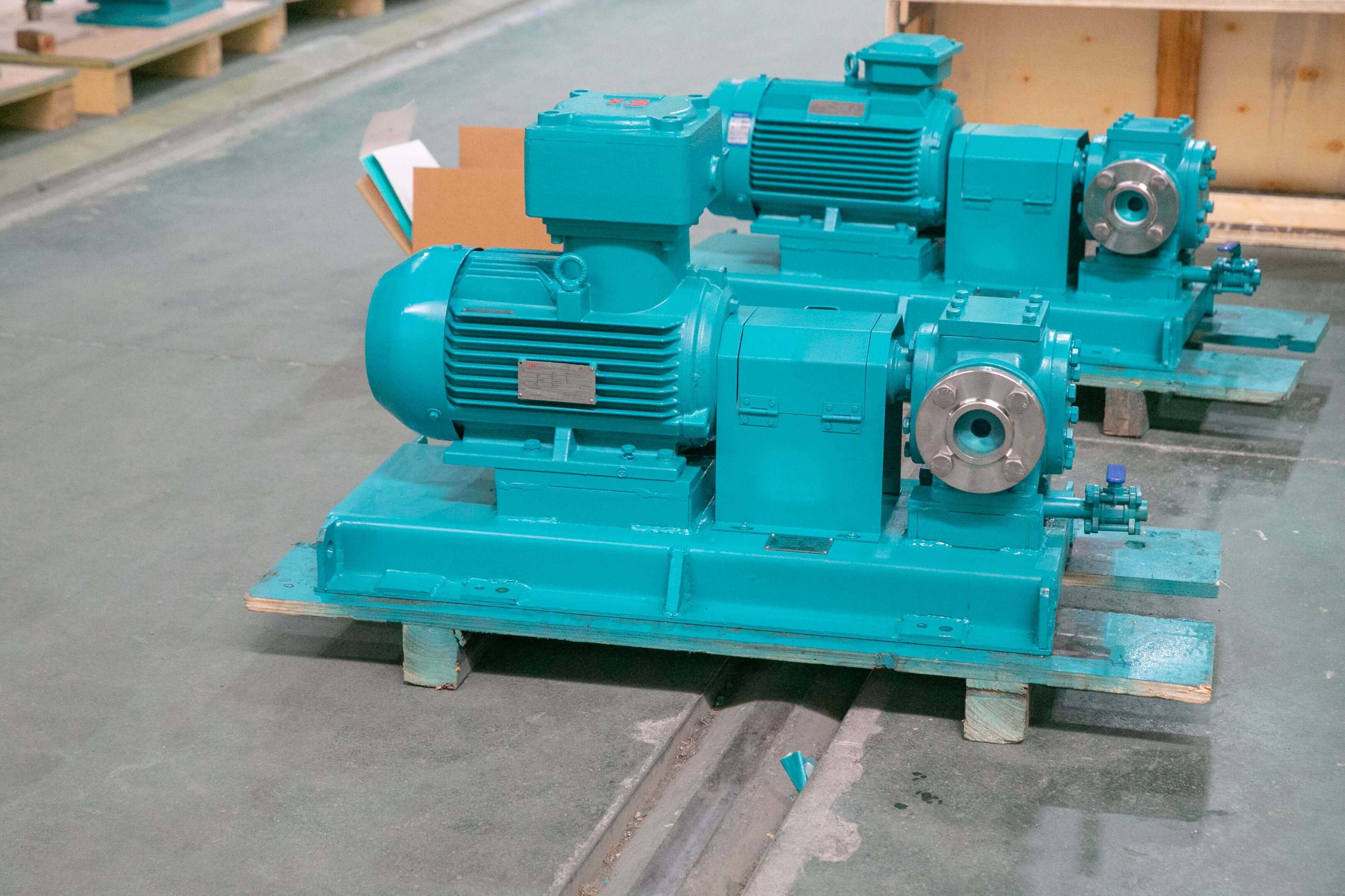
For more information, please visit the official website:www.depamufluid.com
FAQ Q&A Technical Selection Guide
Q1: How to select the material of a gear pump based on the characteristics of the medium?
STEP1:Corrosive medium(such as acids and alkalis): Priority should be given to Hastelloy (C-276) or duplex stainless steel (2205), with corrosion resistance meeting Grade A of ASTM G48 standard. STEP 2:High-viscosity medium(Such as asphalt and resin): Utilize carbon steel or stainless steel pump bodies, combined with heating jackets (adjustable temperature up to 150°C) to ensure medium fluidity. STEP 3:Medium containing solid particles(Such as ore pulp and wastewater): Hard alloy (YG8) gears are selected, with a hardness of HRC90 and wear resistance 5 times that of ordinary gears.
Q2: How do the flow and pressure parameters of gear pumps match process requirements?
STEP1:Flow calculationStep 1: Determine the hourly conveyance capacity (Q) based on process requirements. For example, for chemical dosing, Q = 50 L/h is required, and select a gear pump with a flow range of 40-60 L/h. Step 2:Pressure matchingCalculate the required pressure (P) based on pipeline resistance, e.g., when the conveying height is 10 meters, P must be ≥ 1.5 MPa (including safety margin). STEP 3:Parameter validationBy using Depam's online selection tool (available on the official website), users can input parameters such as medium, flow rate, and pressure, and the system will automatically recommend suitable models (e.g., DP-G series gear pumps with a flow rate of 0.1-100 m³/h and a pressure of 0-10 MPa).
Q3: What are the key considerations for the installation and maintenance of gear pumps?
STEP1:Key Points for InstallationEnsure that the levelness of the pump body is ≤0.1 mm/m to prevent gear wear caused by inclination; flexible joints should be installed on the inlet and outlet pipelines to reduce vibration transmission. STEP 2:Operation monitoringRegularly inspect the oil level (at 1/2-2/3 of the oil sight glass), temperature (≤80℃), and vibration value (≤4.5mm/s), and immediately shut down for maintenance in case of abnormalities. STEP3:Maintenance cycleReplace the lubricating oil every 500 hours (ISO VG32 hydraulic oil is recommended), inspect gear clearance every 2000 hours, and replace the gear pair if the clearance exceeds the standard.
Reference for full text summary
As the core equipment for industrial fluid transportation, the performance of gear pumps directly determines process efficiency and cost. Depam (Hangzhou) Pump Technology Co., Ltd. has effectively addressed the pain points of traditional gear pumps, such as poor corrosion resistance, insufficient precision, and high maintenance costs, through material innovation, precision machining, and intelligent monitoring technologies. Its products have been successfully applied in over 2,000 projects across fields including petroleum refining, chemical engineering, and the nuclear industry, with clients including leading enterprises such as Sinopec, PetroChina, and State Power Investment Corporation. In the future, Depam will continue to invest in research and development to drive gear pumps toward higher precision and greater intelligence, providing superior solutions for industrial fluid transportation.
For more information, please visit the official website:www.depamufluid.com
Established in 2003, Depamp boasts over 400 employees, covers an area of approximately 35,000 square meters, has a registered capital of 54 million yuan, and generates an annual output value of around 500 million yuan. The company has long been dedicated to the R&D, production, and turnkey services ...
No. 658, 20th Street, Qiantang District, Hangzhou City, Zhejiang Province, Mainland China