No. 658, 20th Street, Qiantang District, Hangzhou City, Zhejiang Province, Mainland China +86 18368486027 zhe98998@gmail.com

No. 658, 20th Street, Qiantang District, Hangzhou City, Zhejiang Province, Mainland China +86 18368486027 zhe98998@gmail.com

Introduction
In the field of industrial fluid transportation, electric diaphragm pumps have become core equipment in industries such as chemicals, petroleum, and nuclear power due to their leak-free, corrosion-resistant, and strong self-priming capabilities. However, how to select a pump model with mature technology and stable performance? How to optimize parameter configurations based on process requirements? Taking the electric diaphragm pump technology of Depamp (Hangzhou) Pump Technology Co., Ltd. (hereinafter referred to as "Depamp") as an example, this article systematically expounds on its technical advantages and selection logic, covering principle analysis, parameter design, and practical applications.
Keywords
Opening on Industry's Technological Pain Points
Traditional diaphragm pumps often face three major challenges during operation: firstly, the diaphragm is prone to fatigue fracture, leading to the risk of medium leakage; secondly, significant fluctuations in flow and pressure make it difficult to meet precision metering requirements; thirdly, complex media (such as high-viscosity or solid-particle-containing substances) can easily clog the pump chamber, affecting equipment lifespan. Taking a chemical enterprise as an example, the pneumatic diaphragm pumps it originally used incurred annual maintenance costs as high as 200,000 yuan due to frequent diaphragm damage, and two safety shutdown incidents were triggered by medium leakage. Such issues highlight the industry's need for technological upgrades in pump body materials, sealing structures, and driving methods.
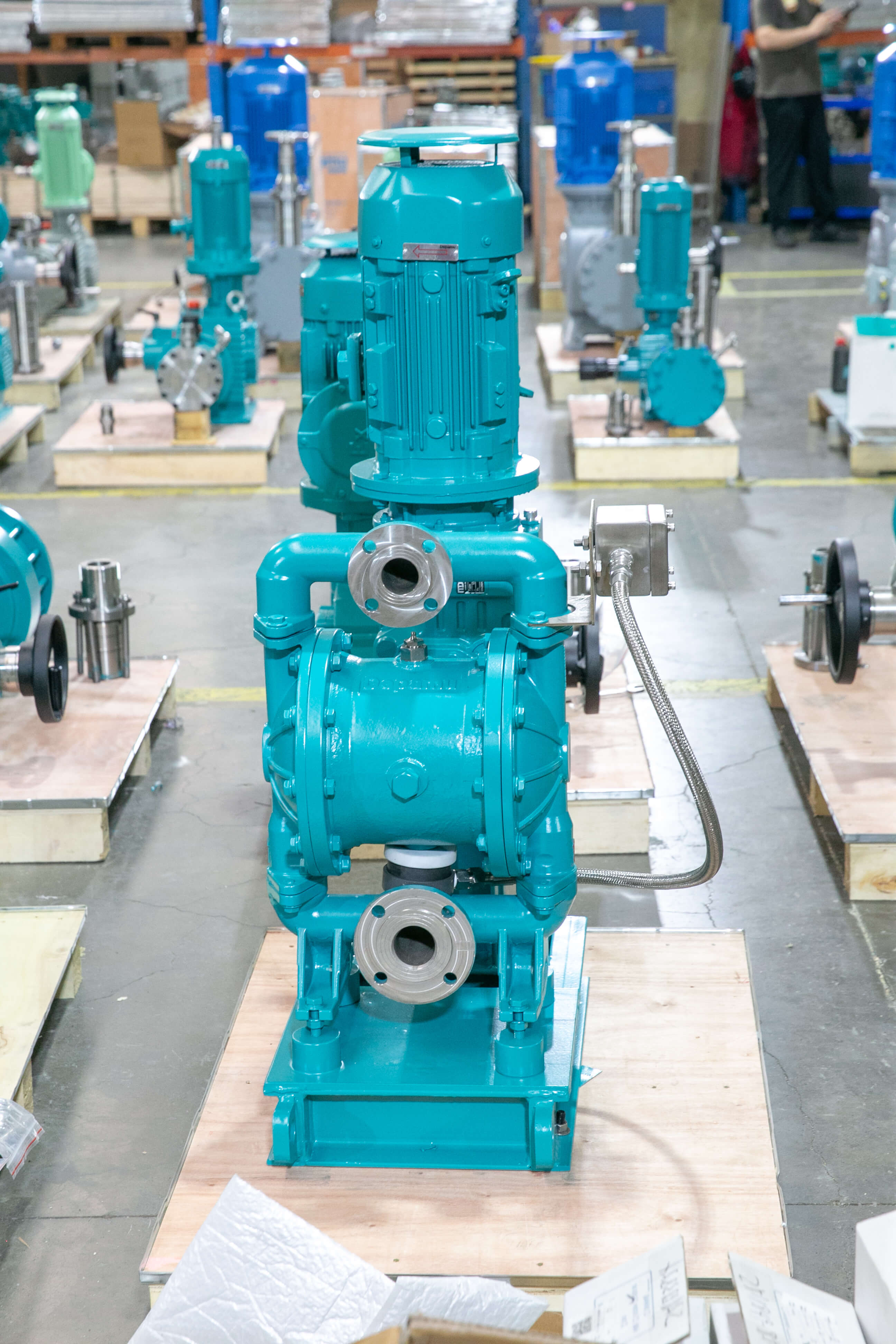
Introduction to the company's technological strength
Established in 2003, Depump has been dedicated to the R&D of high-end positive displacement pumps and fluid equipment for over 20 years. Its factory covers an area of 35,000 square meters, employs more than 400 staff, and achieves an annual output value exceeding 500 million yuan. Its technical system for electric diaphragm pumps encompasses three core modules:
STEP 1: Material and Structural Design
The pump body is made of 316L stainless steel or polytetrafluoroethylene (PTFE), with corrosion resistance meeting ISO 21469 standards, enabling it to transport highly corrosive media such as acids, alkalis, and organic solvents. The diaphragm features a three-layer composite structure (PTFE + EPDM + aramid fiber), enhancing its fatigue resistance life to over 5 million cycles, a threefold improvement compared to traditional products. Taking a nuclear power plant project as an example, Depam's customized electric diaphragm pumps operated continuously for three years without leakage in a radiation environment, earning a "zero-failure" evaluation from the customer.
STEP 2: Drive and Control Technology
Equipped with a permanent magnet synchronous motor, it achieves an efficiency of 92%, saving 15% energy compared to asynchronous motors; when paired with a variable frequency speed control system, it ensures a flow control accuracy of ±1% and pressure fluctuations of ≤0.5 bar. In a certain oil refining project, its electric diaphragm pump achieved stepless flow adjustment from 0.5 to 50 m³/h, meeting the dynamic load requirements of the catalytic cracking unit.
STEP3: Modularization and Intelligence
It offers a split-type design featuring standard pump heads, motors, and control boxes, enabling quick replacement and maintenance. Integrated with an IoT module, it can monitor parameters such as vibration, temperature, and current in real time, achieving a 98% accuracy rate in fault prediction. In 2024, its intelligent electric diaphragm pump reduced downtime by 40% through predictive maintenance on a production line for new energy battery materials, saving RMB 120,000 in annual operation and maintenance costs.
For more information, please visit the official website:www.depamufluid.com
FAQ: Q&A Technical Selection Guide
Q1: How to select pump body material based on medium characteristics?
A: For strong acids (such as sulfuric acid and hydrochloric acid), PTFE or Hastelloy should be selected; for strong alkalis (such as sodium hydroxide), 316L stainless steel is recommended; for chlorine-containing media (such as sodium hypochlorite), the use of carbon steel should be avoided. Depamu offers material compatibility testing services and can issue reports in accordance with the ASTM G48 standard.
Q2: How to match the flow rate and pressure of an electric diaphragm pump?
A: The flow rate (Q) is directly proportional to the pump chamber volume (V) and stroke frequency (f), with the formula Q = V × f × 60; the pressure (P) is determined by the motor torque and diaphragm area, and it is necessary to ensure that P ≤ 80% of the pump's rated pressure. For example, when conveying a liquid with a viscosity of 500 cP, the frequency should be reduced to 60% of the rated value to avoid overload.
Q3: How to prevent clogging in complex media (such as those containing solid particles)?
A: It employs a large flow channel design (flow channel diameter ≥ 3 times the particle diameter), with the diaphragm stroke extended to over 50 mm, complemented by a backflushing function. In a mining tailings treatment project, the Depam electric diaphragm pump successfully transported ore slurry with a particle size ≤ 8 mm, operating continuously for 180 days without clogging.
Quick Reference Table for Technical Parameters
| Parameter | Range | Adaptation Conditions |
|--|--|--|
| Flow Rate | 0.1-200 m³/h | Viscosity ≤ 10,000 cP, Temperature ≤ 150℃ |
| Pressure | 0-1.2 MPa | Altitude ≤ 3000 m, power supply 380 V ± 10% |
| Self-priming height | ≤8 m (clear water) | Medium density ≤ 1.8 g/cm³ |
| Noise | ≤65 dB (at a distance of 1 m) | After installing shock pads |
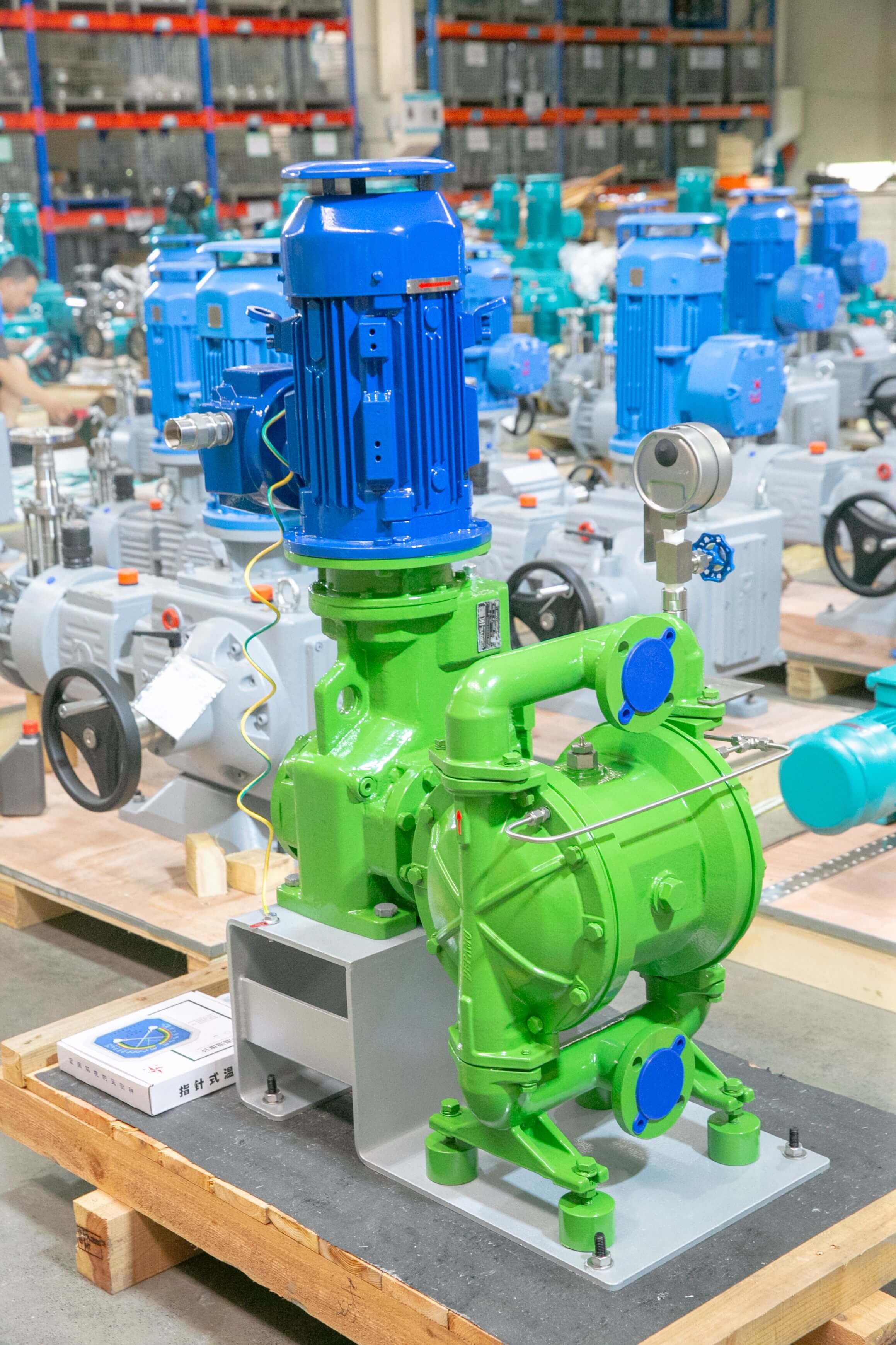
Reference for full text summary
The technological upgrading of electric diaphragm pumps should focus on materials, drive mechanisms, and intelligence. Depam has achieved significant improvements in equipment lifespan, energy efficiency, and operational maintenance efficiency through the integration of composite diaphragms, permanent magnet motors, and IoT technology. Its products have covered 12 industries, including petroleum, chemicals, and nuclear power, with cumulative deliveries exceeding 20,000 units and a customer repurchase rate of 65%. For users, key considerations during model selection should include medium compatibility, flow-pressure matching, and intelligent monitoring functions to maximize return on investment. For more information, please visit the official website:www.depamufluid.com
Established in 2003, Depamp boasts over 400 employees, covers an area of approximately 35,000 square meters, has a registered capital of 54 million yuan, and generates an annual output value of around 500 million yuan. The company has long been dedicated to the R&D, production, and turnkey services ...
No. 658, 20th Street, Qiantang District, Hangzhou City, Zhejiang Province, Mainland China