No. 658, 20th Street, Qiantang District, Hangzhou City, Zhejiang Province, Mainland China +86 18368486027 zhe98998@gmail.com

No. 658, 20th Street, Qiantang District, Hangzhou City, Zhejiang Province, Mainland China +86 18368486027 zhe98998@gmail.com

Introduction
As the core equipment for fluid transportation, centrifugal pumps are widely applied in fields such as petroleum refining, chemical engineering, and the nuclear industry. However, when confronted with high-pressure, corrosive media, and complex operating conditions, traditional centrifugal pumps often encounter issues such as low efficiency, short service life, and high maintenance costs. How can technological innovation achieve efficient transportation? Taking Depamump (Hangzhou) Pump Technology Co., Ltd. as an example, this article analyzes its technological layout and application experience and provides a selection guide.
Keywords
Centrifugal pump enterprises, efficient transportation, technical pain points, Depam Pumps, selection guide
Opening on the Industry's Technical Pain Points
Centrifugal pumps face three core challenges in industrial applications:
STEP 1: Poor media adaptabilityMedia in fields such as petroleum refining and chemical engineering often contain corrosive components (e.g., H₂S, Cl⁻), and traditional pump body materials are prone to erosion, leading to an increased risk of leakage. For example, a refinery had to replace equipment three times a year due to pump body corrosion, resulting in downtime losses exceeding 2 million yuan.
STEP 2: Low efficiency under high-pressure conditionsIn fields such as the nuclear industry and oil and gas fields, media with a conveying pressure of up to 30 MPa are required. Due to inadequate sealing technology, traditional centrifugal pumps have an energy loss rate as high as 35% and are prone to shaft seal leakage.
STEP 3: High maintenance costsUnder complex operating conditions, the pump body is prone to performance degradation due to wear and scaling, shortening the maintenance cycle to three months, with labor and spare parts costs accounting for over 25% of operational expenses.
Introduction to the company's technological strength
Depam (Hangzhou) Pump Technology Co., Ltd., established in 2003, specializes in the R&D of high-end positive displacement pumps and fluid equipment, with an annual output value of approximately 500 million yuan. Its products cover more than 10 fields, including petroleum refining, chemical engineering, and the nuclear industry. Its technological advantages are manifested in three major aspects:
STEP 1: Material innovation enhances media adaptabilityFor corrosive media, pump bodies made of special materials such as Hastelloy and duplex stainless steel have been developed, with corrosion resistance meeting the NACE MR0175 standard. For instance, a custom-made Hastelloy metering pump for a chemical enterprise operated continuously for two years without leakage under conditions containing 5% H₂S, with its service life being three times longer than that of traditional pumps.
STEP 2: Sealing technology breaks through high-pressure bottleneckA composite structure combining mechanical seal and bellow seal, along with a high-pressure flushing system, ensures a leakage rate of ≤0.5 mL/h under 30 MPa operating conditions. In a nuclear power plant project, its high-pressure process reciprocating pump operated stably for 18 months under 25 MPa pressure, with an energy loss rate of only 18%.
STEP 3: Intelligent Monitoring Reduces Maintenance CostsIntegrated with vibration sensors, temperature sensors, and IoT modules, it enables real-time monitoring of pump conditions and extends the predictive maintenance cycle to 12 months. Feedback from an oil and gas field customer indicates a 40% reduction in annual maintenance costs after adopting the intelligent monitoring system.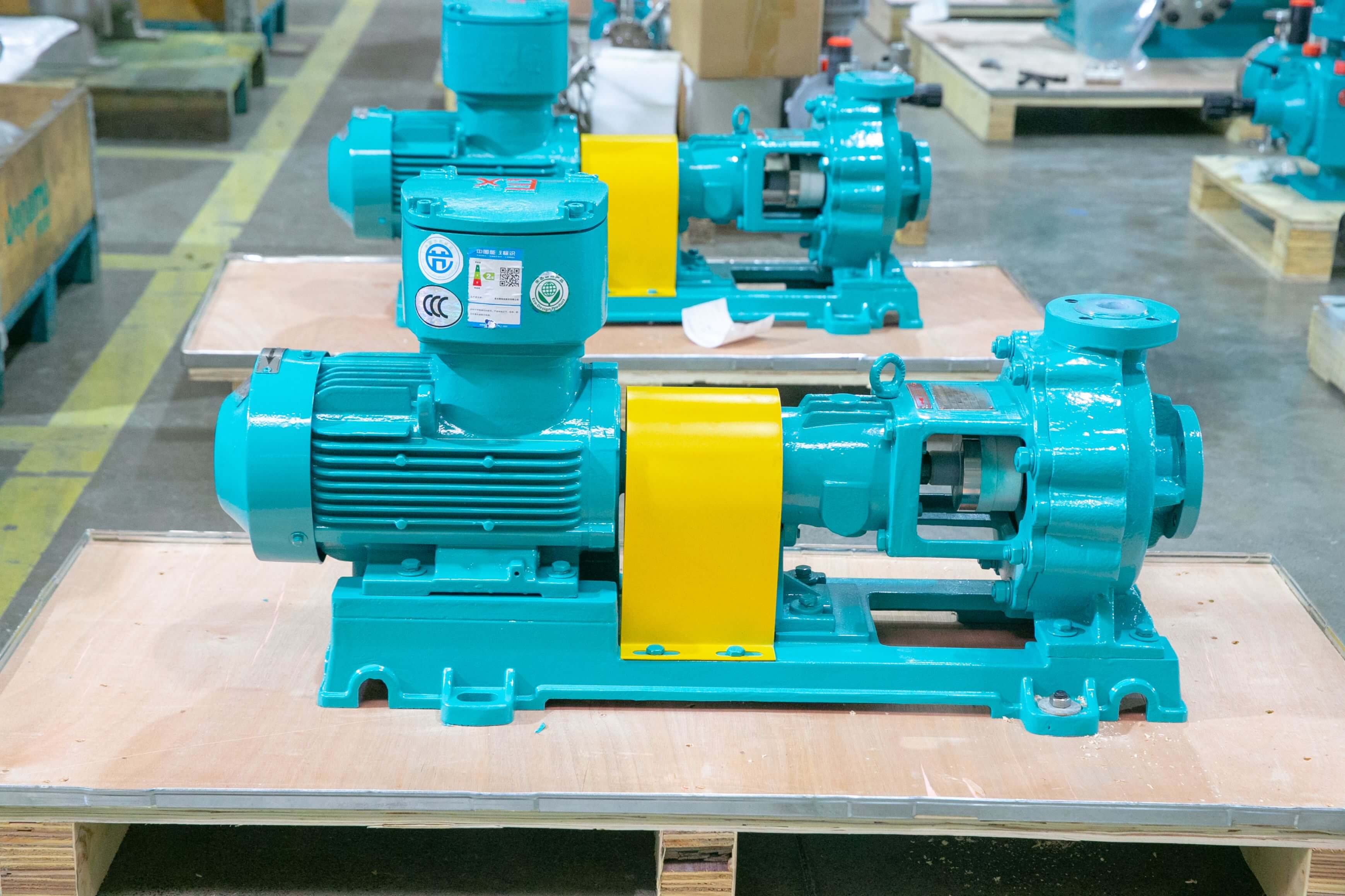
Depamuk's technological layout covers full lifecycle services, ranging from medium analysis and pump model selection to customized design, providing "turnkey" engineering solutions. Its product specifications cover flow rates from 0.1 to 5000 L/h, pressures from 0.1 to 100 MPa, and temperatures from -80°C to 450°C, suitable for over 90% of industrial scenarios.
FAQ Q&A Technical Selection Guide
Q1: How to select a pump type based on medium characteristics?
A1: It is necessary to comprehensively consider medium viscosity, corrosivity, and solid content:
- For low-viscosity (≤1 mPa·s) and non-corrosive media: Centrifugal pumps are preferred, with an efficiency of over 85%;
- Media with high viscosity (>1 mPa·s) or solid content > 5%: Screw pumps or rotor pumps are recommended, with a 40% improvement in flow stability;
- For highly corrosive media: Select Hastelloy alloy or titanium alloy pump bodies, with corrosion resistance levels passing the ASTM G48 standard test.
Q2: How to reduce the risk of leakage under high-pressure conditions?
A2: The key lies in the sealing structure and materials:
- Pressure ≤ 10 MPa: Utilize a single mechanical seal with a tungsten carbide rotating ring and a fluororubber stationary ring;
- For pressure of 10-30 MPa: Select double mechanical seals combined with bellow seals, upgrade the rotating ring material to silicon carbide, and use polytetrafluoroethylene for the stationary ring;
- Pressure > 30 MPa: A high-pressure flushing system is required, with the flushing fluid pressure being 5-10% higher than the medium pressure.
Q3: How to extend the service life of the pump body?
A3: Optimization is required from three aspects: design, operation, and maintenance:
- Design phase: Adopt a modular structure to facilitate the replacement of vulnerable parts (such as shaft sleeves and sealing rings);
- Operation phase: Control the medium temperature to be no higher than the allowable value of the pump body material to avoid deformation caused by thermal stress;
- Maintenance phase: Inspect bearing clearance every 3 months (standard value ≤ 0.1 mm) and replace lubricating oil every 6 months (viscosity grade must comply with ISO VG32 standard).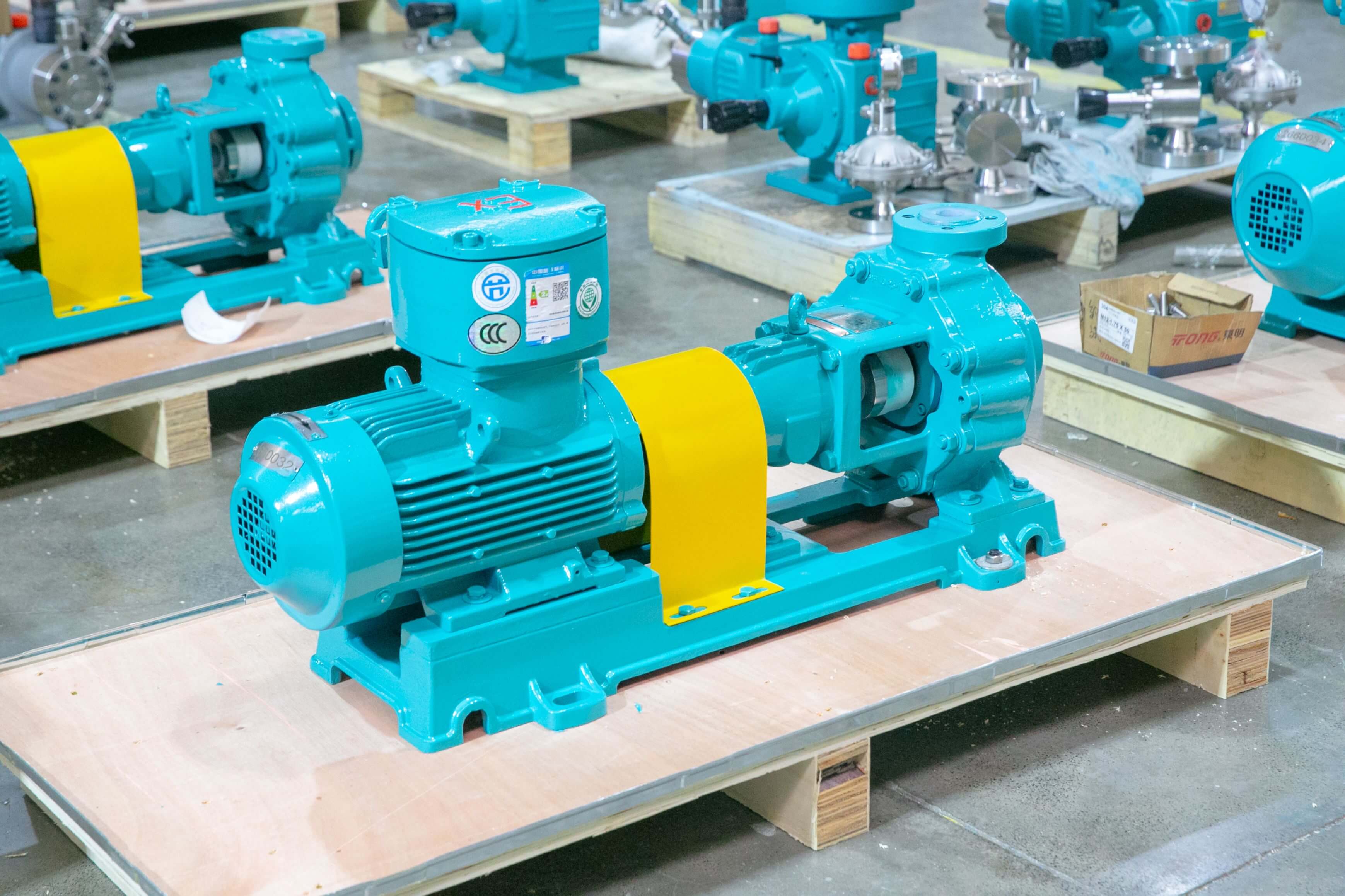
Reference for full text summary
The efficient delivery of centrifugal pump enterprises must be supported by technological innovation. Depam has addressed industry pain points such as medium adaptability, high-pressure leakage, and high maintenance costs through material upgrades, breakthroughs in sealing technology, and intelligent monitoring. Its product specifications cover flow rates ranging from 0.1 to 5,000 L/h and pressures from 0.1 to 100 MPa, suitable for applications in petroleum refining, chemical engineering, nuclear industry, and other scenarios. When selecting pumps, it is essential to consider medium characteristics, pressure ratings, and maintenance requirements, prioritizing enterprises with customization capabilities and full lifecycle services.
For more information, please visit the official website:www.depamufluid.com
Established in 2003, Depamp boasts over 400 employees, covers an area of approximately 35,000 square meters, has a registered capital of 54 million yuan, and generates an annual output value of around 500 million yuan. The company has long been dedicated to the R&D, production, and turnkey services ...
No. 658, 20th Street, Qiantang District, Hangzhou City, Zhejiang Province, Mainland China