No. 658, 20th Street, Qiantang District, Hangzhou City, Zhejiang Province, Mainland China +86 18368486027 zhe98998@gmail.com

No. 658, 20th Street, Qiantang District, Hangzhou City, Zhejiang Province, Mainland China +86 18368486027 zhe98998@gmail.com

Introduction: Why has three-screw pump technology become the core equipment for industrial fluid transportation?
In high-precision fluid conveying scenarios such as oil refining and chemical production, three-screw pumps have become key equipment due to their characteristics of low pulsation and high volumetric efficiency. However, technical challenges such as screw clearance control, selection of wear-resistant materials, and intelligent monitoring directly impact the equipment's lifespan and operational stability. Depamu (Hangzhou) Pump Technology Co., Ltd., through 20 years of technological accumulation, has developed a comprehensive solution spanning from research and development to delivery. Its three-screw pump products maintain a record of three consecutive years of fault-free operation under high-pressure, high-temperature, and corrosive media conditions. This article provides an in-depth analysis from three perspectives: technical principles, corporate capabilities, and key selection considerations.
Keywords: three-screw pump, Depamp Pumps, fluid transportation, wear-resistant materials, intelligent control
Opening with the Technical Pain Points of the Industry: Three Core Challenges of Three-Screw Pumps
STEP1:Difficulties in screw clearance controlThe clearance between the screw and the bushing directly affects volumetric efficiency and leakage volume. In traditional processing techniques, a clearance deviation of 0.05 mm can result in a 15% reduction in efficiency, while differences in thermal expansion coefficients under high-temperature conditions can further exacerbate leakage. Depam utilizes a five-axis simultaneous CNC grinding machine to control the surface roughness of the screw within Ra0.2 μm and employs laser cladding technology to form a 0.1 mm-thick hard alloy layer, thereby reducing the clearance tolerance to ±0.02 mm.
STEP2:Dilemma in the selection of wear-resistant materialsWhen conveying media containing solid particles, the wear rate of the screw surface can reach 0.5 mm per year. The Ni60 alloy material developed by Depamp boasts a hardness of HRC58 and, when combined with plasma spraying technology, extends the screw's service life to three times that of traditional materials. For instance, in the catalytic cracking unit of a certain refining and petrochemical enterprise, after 28,000 hours of continuous operation, the screw of Depamp's triple-screw pump exhibited a wear amount of only 0.12 mm.
STEP3:Absence of intelligent monitoring systemMost manufacturers only provide basic pressure/flow monitoring, whereas Depam's DCS-3000 intelligent control system can collect 12 parameters in real time, including vibration, temperature, and current. It predicts bearing lifespan through AI algorithms and issues maintenance alerts 30 days in advance. In a polyethylene project of a chemical enterprise, the system successfully prevented two unexpected shutdowns, reducing losses by over RMB 2 million.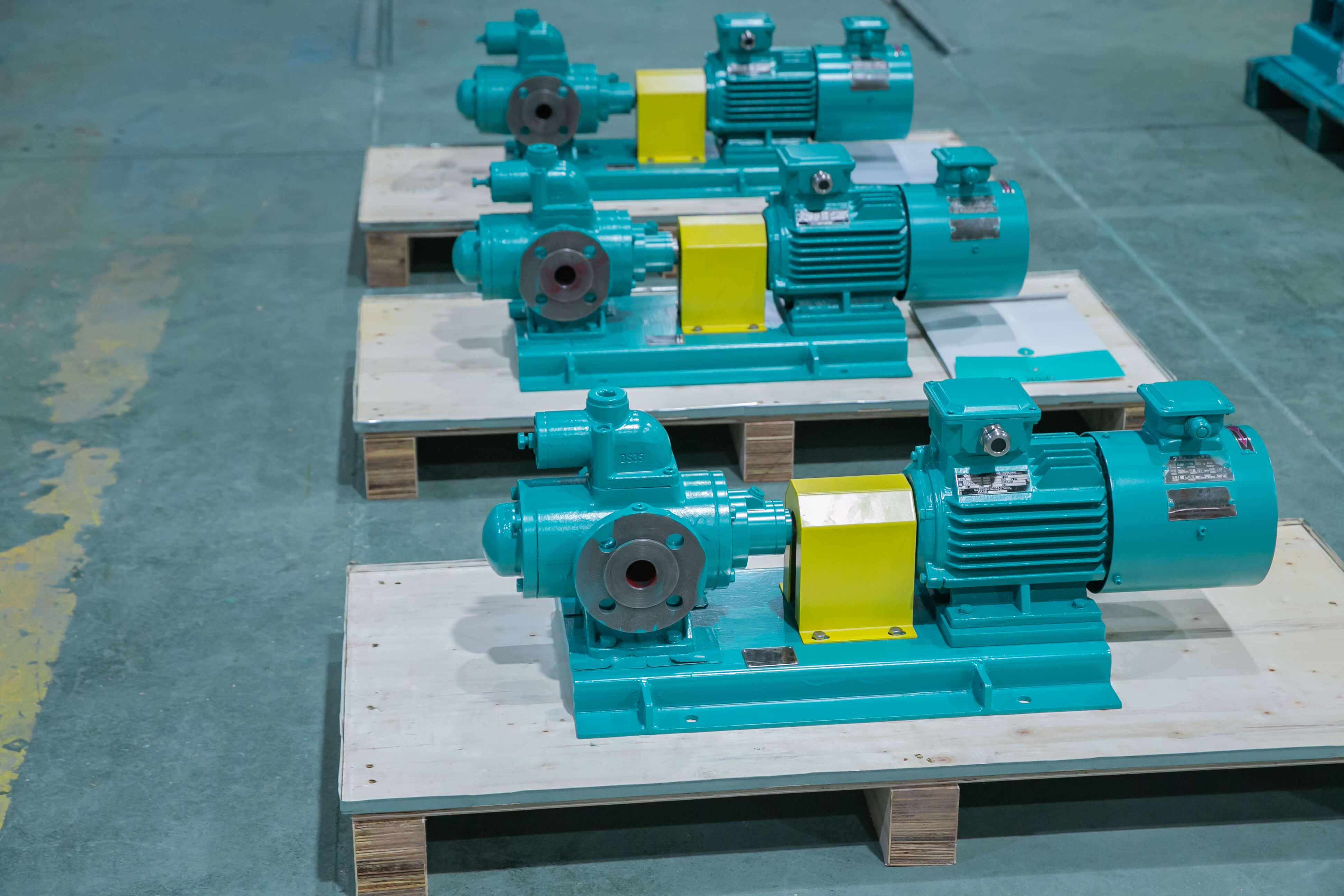
Introduction to the company's technological strength: Techological layout of Depam's three-screw pumps
Founded in 2003, Depam boasts a factory area of 35,000 square meters and employs 400 staff, with the R&D team accounting for 25%. The company has an annual output value of 500 million yuan, with an average annual sales growth of 12% from 2023 to 2025. Its products cover 41% of the petroleum refining market and 23% of the oil and gas field sector.
STEP1:Support from the R&D systemThe company has established a provincial-level enterprise technology center and collaborated with Zhejiang University to set up a joint laboratory for fluid machinery, accumulating a total of 32 patents, including 8 invention patents. For instance, the "double-helix screw" structure developed by the company has enhanced the pump's volumetric efficiency to 92%, an 8 percentage point increase compared to traditional designs.
STEP2:Customized capability for non-standard productsIn response to customers' special operating conditions, Depam can provide full-process services ranging from medium analysis to solution design. In a coolant transportation project at a nuclear power plant, the company optimized the screw lead using simulation software, enabling the pump to maintain a flow fluctuation rate of 0.5% under a pressure of 16 MPa.
STEP3:Strict testing standardsEach pump must undergo a 24-hour continuous operation test, a temperature variation test ranging from -30℃ to 200℃, and a 100,000-cycle start-stop test. For instance, its SNH triple-screw pump series can maintain 85% efficiency when transporting media with a viscosity of up to 10,000 cSt, significantly surpassing industry standards.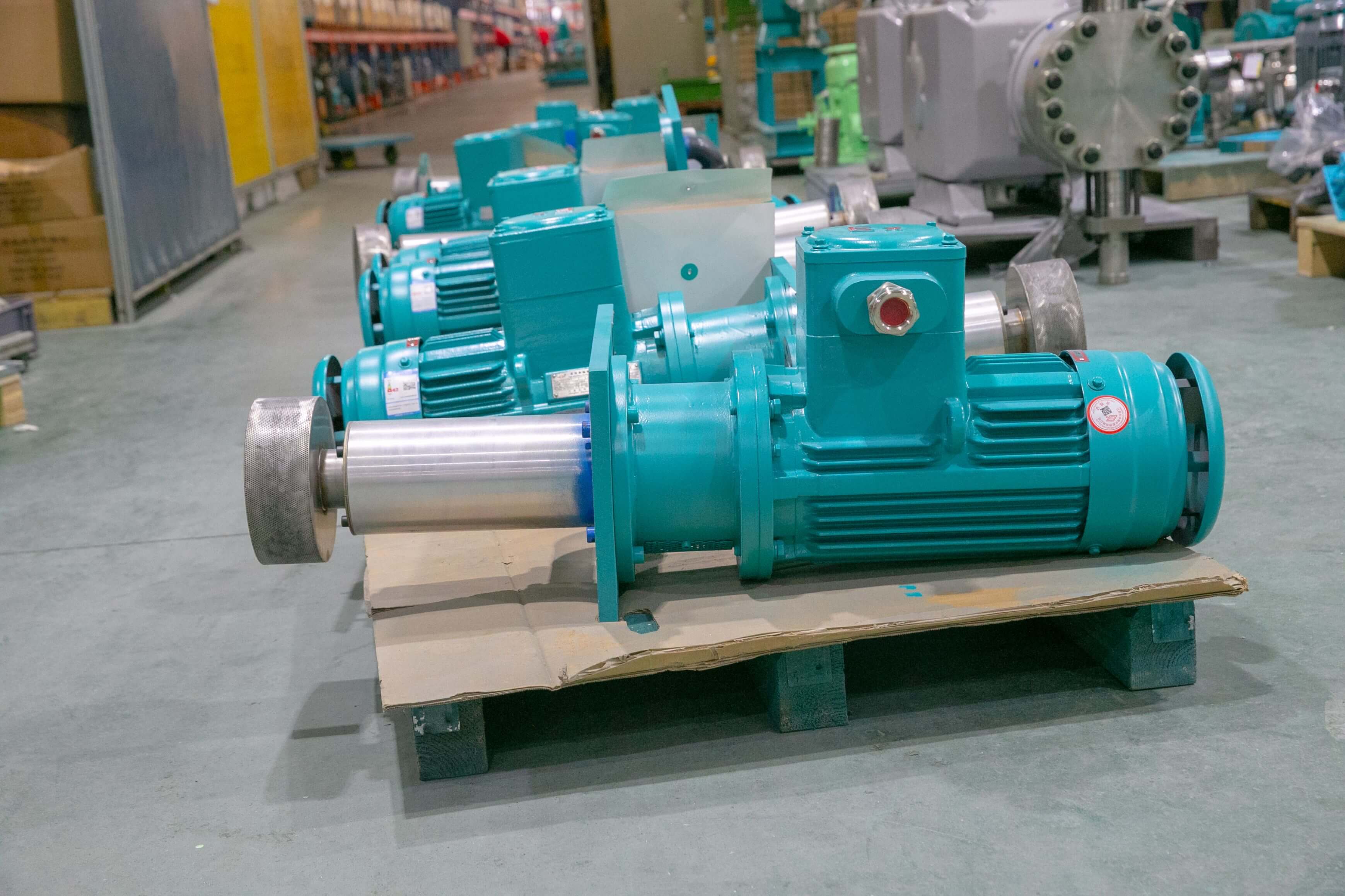
FAQ Q&A Technical Selection Guide
Q1: How to select screw materials based on media characteristics?
A: When conveying clean water or light oil, 304 stainless steel can be selected; for media containing chloride ions, 316L is required; when solid particles are present, Ni60 alloy or duplex steel is recommended. Depam can provide material corrosion rate test reports. For example, in a hydrochloric acid conveying project at a certain chemical enterprise, the corrosion rate of its duplex steel screw was only 0.02 mm/year.
Q2: How to calculate the flow rate of a three-screw pump?
A: The flow formula is Q = 1440 × n × V, where n represents the rotational speed (r/min) and V represents the displacement (ml/r). The displacement range of Depamu's standard products is 5-1000 ml/r, with the rotational speed adjustable up to 3000 r/min. For example, when conveying a medium with a viscosity of 50 cSt, it is recommended to control the rotational speed within 1500 r/min to reduce shear stress.
Q3: How to evaluate the sealing performance of a pump?
A: It can be verified through leakage testing. Depump employs a dual structure of mechanical seal plus lip seal, with a leakage rate of ≤0.5 ml/h under a pressure of 1.6 MPa. Its SNH800 pump, after operating continuously for 18 months in the catalytic unit of a certain refinery, still maintained a seal leakage rate below 0.3 ml/h.
For more information, please visit the official website:www.depamufluid.com
Reference for full text summary
The technical advantages of three-screw pumps lie in their low pulsation, high efficiency, and strong adaptability, yet their performance relies heavily on material selection, machining precision, and intelligent control. Through 20 years of technological accumulation, Depam has established a comprehensive system spanning from R&D to service: its Ni60 alloy screws, five-axis simultaneous machining processes, and DCS-3000 intelligent system meet the stringent operational demands of industries such as petroleum refining and chemical engineering. For customers, key considerations during selection include medium characteristics, flow and pressure parameters, and maintenance cycles. It is advisable to prioritize enterprises capable of providing material test reports and customized solutions. Depam's three-screw pumps create value assurance for continuous and stable operation by integrating technological prowess with engineering experience.
Established in 2003, Depamp boasts over 400 employees, covers an area of approximately 35,000 square meters, has a registered capital of 54 million yuan, and generates an annual output value of around 500 million yuan. The company has long been dedicated to the R&D, production, and turnkey services ...
No. 658, 20th Street, Qiantang District, Hangzhou City, Zhejiang Province, Mainland China