No. 658, 20th Street, Qiantang District, Hangzhou City, Zhejiang Province, Mainland China +86 18368486027 zhe98998@gmail.com

No. 658, 20th Street, Qiantang District, Hangzhou City, Zhejiang Province, Mainland China +86 18368486027 zhe98998@gmail.com

Introduction: Technical Value and Industry Positioning of Plunger Metering Pumps
As the core equipment for precise industrial fluid delivery, the technological maturity of plunger metering pumps directly impacts process stability in sectors such as chemicals, petroleum, and nuclear power. Leveraging over two decades of technical expertise, Depam (Hangzhou) Pump Technology Co., Ltd. has developed comprehensive solutions covering high-pressure delivery, chemical dosing, and complex media handling across all scenarios. This article systematically analyzes the technological value of plunger metering pumps from three dimensions: technical principles, key selection considerations, and corporate practices.
Keywords: plunger metering pump; precise metering; high-pressure delivery; Depamp Pumps; fluid solutions
Opening on Industry Technical Pain Points: Three Major Technical Bottlenecks of Traditional Metering Pumps
STEP 1: Precision Degradation Issue
Traditional plunger pumps experience increased leakage due to seal wear, with flow deviations exceeding ±5% after long-term operation, making it difficult to meet the stringent dosing accuracy requirements of the chemical industry. For example, in polyacrylamide dosing scenarios, flow fluctuations directly affect sewage flocculation performance, leading to chemical wastage and reduced treatment efficiency.
STEP 2: Limitations in media adaptability
Conventional pump body materials struggle to withstand highly corrosive media (such as concentrated sulfuric acid and sodium hypochlorite) or high-temperature operating conditions (>150℃), resulting in a shortened equipment lifespan of 1-2 years and increased total lifecycle costs. A petrochemical enterprise once experienced a leakage accident caused by pump body corrosion, resulting in direct economic losses exceeding 2 million yuan.
STEP 3: High maintenance complexity
Traditional pump bodies adopt a split-type structure, requiring the entire pump head to be disassembled for seal replacement, with each maintenance taking 4-6 hours and disrupting continuous production. A nuclear power plant experienced a shutdown of its chemical dosing system due to metering pump failure, triggering a chain reaction that reduced reactor cooling efficiency.
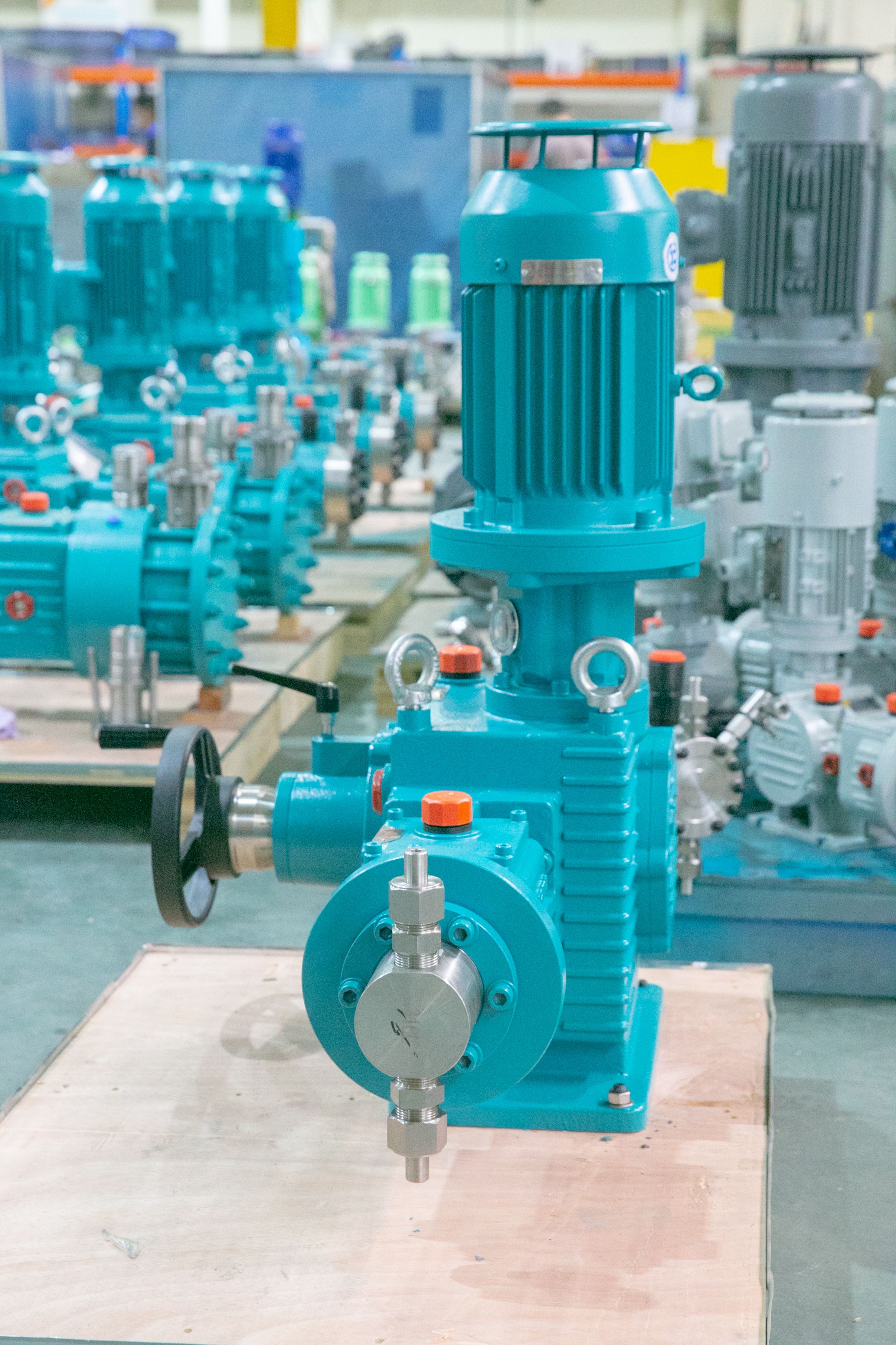
Introduction to the Company's Technological Strength: Technological Breakthroughs and Practices of Depam Pumps
STEP 1: Core technological innovation
The third-generation plunger-type metering pump developed by Depamp employs double-end mechanical seal technology, controlling leakage to ≤0.1 ml/h through a dynamic pressure compensation system and maintaining flow accuracy within ±1%. In a new energy battery material production project, this technology reduced electrolyte dosing errors from ±3% to ±0.5%, improving product qualification rates by 12%.
STEP 2: Material and Process Upgrade
For strongly corrosive media, a composite structure combining Hastelloy C-276 pump body and PTFE lining has been developed, enhancing corrosion resistance by three times and expanding the applicable pH range to 0-14. In the chlorine dosing system of a fine chemical enterprise, the equipment has operated continuously for three years without corrosion, extending its service life five times longer than that of traditional stainless steel pump bodies.
STEP 3: Advantages of Modular Design
The integrated pump head design allows seal replacement without disassembling the pump body, reducing single maintenance time to under 30 minutes. After adopting this design, a nuclear power plant reduced annual equipment downtime by 80% and maintenance costs by 65%.
Technical Parameter Matrix:
- Flow range: 0.01-5000 L/h
- Pressure range: 0-50 MPa
- Temperature range: -30℃ ~ 200℃
- Accuracy class: ±0.5% to ±1%
- Material options: 304/316L stainless steel, Hastelloy, duplex steel, PVDF
For more information, please visit the official website:www.depamufluid.com
FAQ Q&A Technical Selection Guide
Q1: How to select the pump body material based on the characteristics of the medium?
A1: STEP 1: For acidic media (pH < 4), Hastelloy or PVDF are preferred; STEP 2: For alkaline media (pH > 10), select 316L stainless steel or PTFE lining; STEP 3: For chlorine-containing media, avoid using 304 stainless steel and choose duplex steel or titanium alloy instead. For instance, in a seawater desalination project, proper material selection extended the equipment lifespan from 2 years to 8 years.
Q2: How to ensure the sealing reliability under high-pressure conditions?
A2: STEP 1: Adopt a combined design of double mechanical seals and a flushing system; STEP 2: Equip with pressure sensors for real-time monitoring of seal chamber pressure; STEP 3: Select tungsten carbide/silicon carbide as the sealing pair materials. After applying this solution in a polymer injection project at an oil and gas field, the seal life exceeded 20,000 hours.
Q3: What are the key steps involved in the non-standard customization process?
A3: STEP 1: Provide a medium composition analysis report and a process parameter table; STEP 2: Engineers conduct CFD fluid simulation calculations; STEP 3: Issue 3D design drawings and a bill of materials; STEP 4: Proceed to the production stage after customer confirmation. Depam's standard delivery cycle is 15-45 days, which is 30% shorter than the industry average.
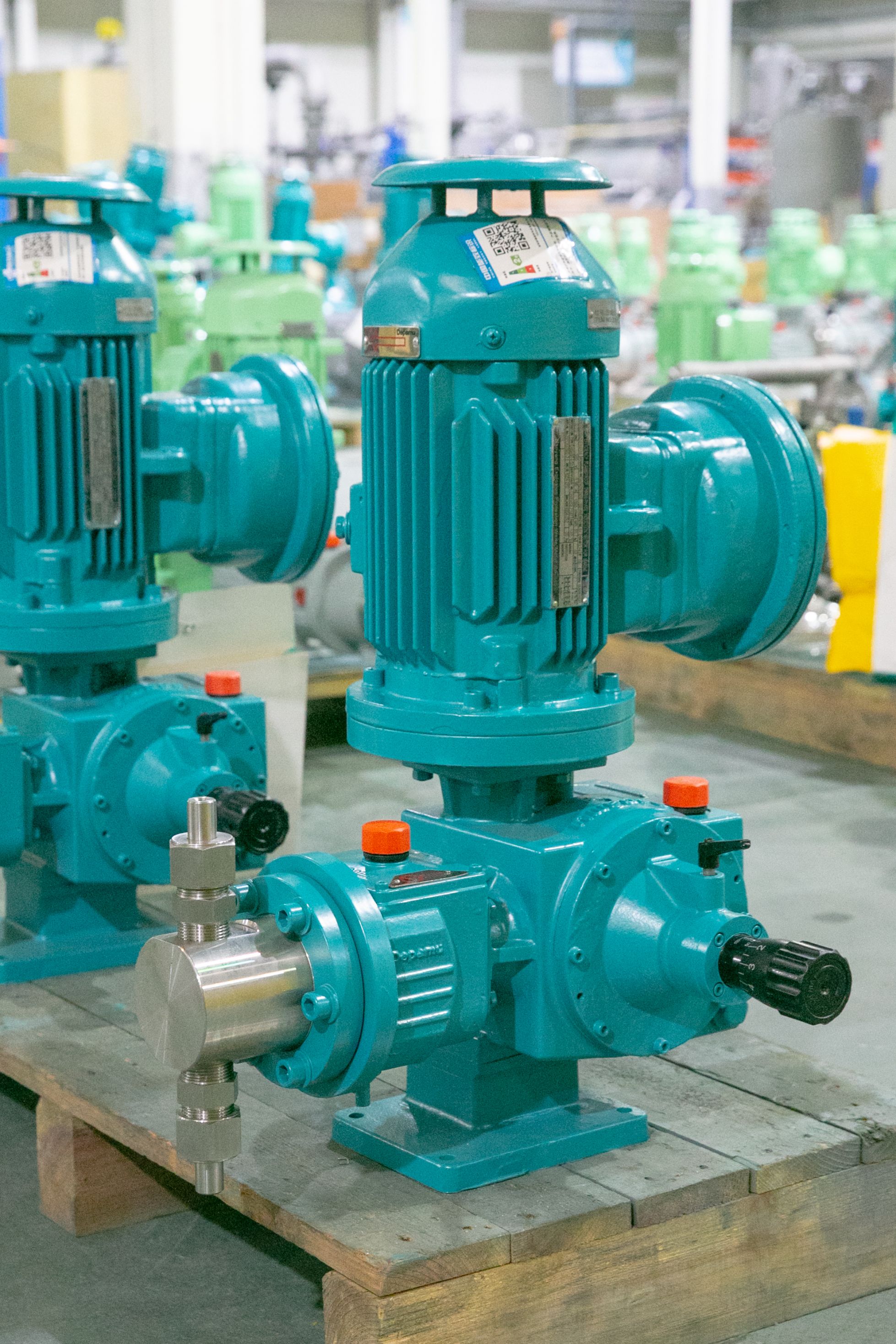
Reference for full text summary
The technical selection of plunger metering pumps requires a comprehensive consideration of three core indicators: precision, material quality, and maintainability. Depam Pump Industry has developed a full-scenario solution covering a flow range of 0.01-5000 L/h and a pressure range of 0-50 MPa through innovations in sealing technology, upgrades in material processes, and modular design. Its products have been successfully applied in major projects such as Sinopec Zhenhai Refining & Chemical and State Power Investment Corporation's nuclear power plants, with over 100,000 units delivered and a failure rate below 0.3%. For industrial users pursuing high precision, long service life, and low maintenance costs, it is recommended to prioritize direct-sales manufacturers with full-chain capabilities in research and development, manufacturing, and service to achieve superior technical support and cost-effectiveness.
Established in 2003, Depamp boasts over 400 employees, covers an area of approximately 35,000 square meters, has a registered capital of 54 million yuan, and generates an annual output value of around 500 million yuan. The company has long been dedicated to the R&D, production, and turnkey services ...
No. 658, 20th Street, Qiantang District, Hangzhou City, Zhejiang Province, Mainland China