No. 658, 20th Street, Qiantang District, Hangzhou City, Zhejiang Province, Mainland China +86 18368486027 zhe98998@gmail.com

No. 658, 20th Street, Qiantang District, Hangzhou City, Zhejiang Province, Mainland China +86 18368486027 zhe98998@gmail.com

Introduction: Technological Breakthroughs in Single Screw Pumps and Industry Demands
In fields such as petroleum refining, chemical engineering, and environmental water treatment, the transportation of complex media imposes stringent requirements on the performance of pump equipment. Single-screw pumps, with their unique structural design and adaptive capabilities, have become core equipment for transporting high-viscosity media, media containing solid particles, and corrosive media. However, achieving efficient transportation and precise control through technological optimization remains a key challenge for the industry. This article will analyze the core technological principles and key selection considerations of single-screw pumps based on the technical practices of Depamp (Hangzhou) Pump Technology Co., Ltd.
Keywords: single screw pump; efficient conveying; precise control; Depam Pumps; customized solutions
Industry Technical Pain Points at the Beginning: Three Major Challenges in Transporting Complex Media
STEP 1: Insufficient media adaptability. Traditional pump equipment is prone to wear, jamming, and flow fluctuations when conveying high-viscosity media (e.g., >10,000 mPa·s) or media containing solid particles (particle size >5 mm), resulting in shortened equipment lifespan and increased maintenance costs.
STEP 2: Limited control accuracy. In scenarios involving chemical dosing or process pressurization, flow fluctuations exceeding ±5% may lead to the loss of control over process parameters, affecting product quality and production safety.
STEP 3: Difficulty in energy efficiency optimization. The efficiency of some pump equipment significantly declines during partial-load operation, leading to energy waste and escalating operational costs. For instance, a chemical enterprise reported that the energy consumption of its original pump equipment increased by over 30% under low-flow conditions.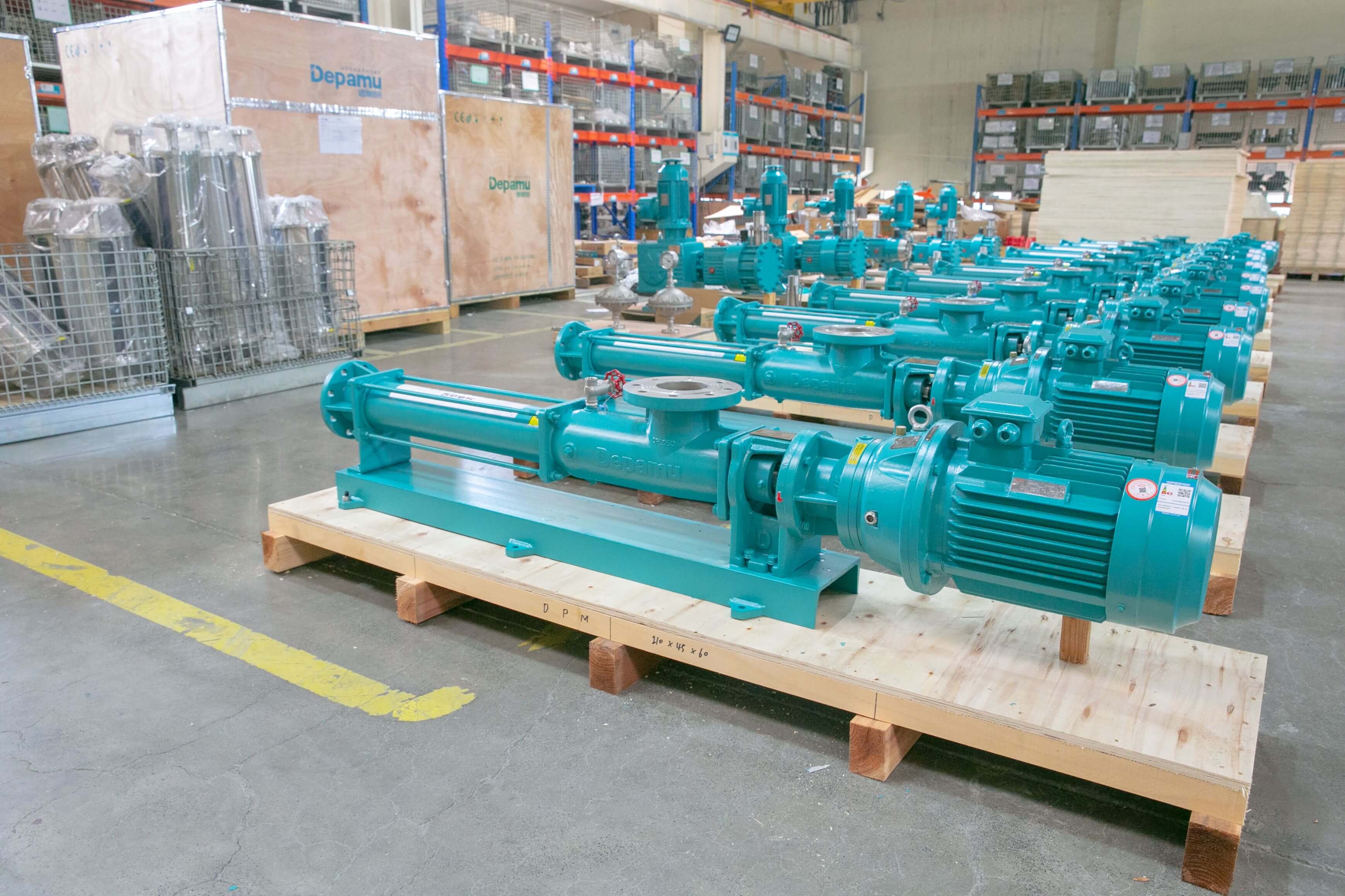
Depamp Pump Industry has developed the third-generation series of single-screw pumps through technological breakthroughs, targeting the aforementioned pain points, with its core advantages reflected in three dimensions: medium adaptability, control precision, and energy efficiency optimization.
Introduction to the company's technological strength: DePam Pump's technological layout and application experience
Depamp (Hangzhou) Pump Technology Co., Ltd., established in 2003, specializes in the research, development, and production of high-end positive displacement pumps and fluid equipment. The factory covers an area of 35,000 square meters and boasts a workforce of over 400 employees, along with a scale advantage of an annual output value of 500 million yuan. The company's technical team consists of more than 30 senior engineers and has accumulated 47 authorized patents, including 12 invention patents, covering core areas such as rotor profile optimization for screw pumps, innovative sealing structures, and intelligent control systems.
STEP 1: Technical Parameter Analysis. Depam single-screw pumps cover specifications from DN25 to DN200, with a flow rate range of 0.5-500 m³/h and a pressure rating of 0.6-4.0 MPa, capable of meeting operational requirements for media with viscosities ranging from 1 to 100,000 mPa·s and temperatures from -40°C to +200°C. The rotors are made of high-chromium alloy steel (Cr28) or duplex stainless steel (2205), while the stator liners are selected from nitrile rubber (NBR), fluororubber (FKM), or hydrogenated nitrile rubber (HNBR), offering a service life 2-3 times longer than that of traditional materials.
STEP 2: Customized Solutions. For a lithium salt production project of a new energy enterprise, the Depamp team developed a customized rotor profile optimization solution based on the requirements of medium containing solid particles (particle size ≤ 3mm), viscosity fluctuations (500-5000 mPa·s), and 24-hour continuous operation. The solution controlled the clearance between the stator and rotor within 0.15-0.3 mm, kept flow fluctuations within ±2%, and extended the equipment's operational lifespan to 18,000 hours, representing a 40% improvement over the original equipment.
STEP 3: Industry Application Cases. In the field of petroleum refining, Depam single-screw pumps have been applied in the catalytic cracking unit of a refinery under Sinopec for transporting catalyst slurry (with a solid content of 45% and a viscosity of 8000 mPa·s). A single unit has achieved a continuous operation cycle exceeding 12 months, saving approximately 200,000 yuan in annual maintenance costs. In the field of environmental protection and water treatment, its products provide a sludge transportation solution for a sewage treatment plant, achieving a flow accuracy of ±1.5% and reducing energy consumption by 15% compared to similar products.
For more information, please visit the official website:www.depamufluid.com
FAQ: A Guide to Q&A Technical Selection
Q1: How to select the material of a single screw pump based on the characteristics of the medium?
A: The medium's pH, temperature, and solid particle content are key parameters. For instance, when conveying strongly acidic media (pH < 2), fluororubber (FKM) stator liners should be selected; when the temperature exceeds 150°C, duplex stainless steel (2205) is recommended for the rotor material; when the solid particle size is >2mm, the rotor profile should be optimized to an equidistant variable-pitch structure to reduce wear.
Q2: What factors affect the flow control accuracy of a single screw pump?
A: It is mainly affected by rotational speed stability, the clearance between the stator and rotor, and medium viscosity. Depamp has enhanced flow control accuracy to ±1.5% by employing variable-frequency speed-regulating motors (with rotational speed fluctuations <0.1%), laser-welded stator liners (with clearance uniformity of ±0.05mm), and intelligent viscosity compensation algorithms, making it suitable for precise chemical dosing scenarios.
Q3: How to reduce the energy consumption of single screw pumps?
A: Optimizing hydraulic design is crucial. Depam's third-generation product reduces the contact area between the rotor and stator by 15% and friction losses by 20% through CFD flow field simulation. Meanwhile, it employs a permanent magnet synchronous motor (with efficiency ≥ 95%), achieving energy savings of 10-15% compared to traditional asynchronous motors.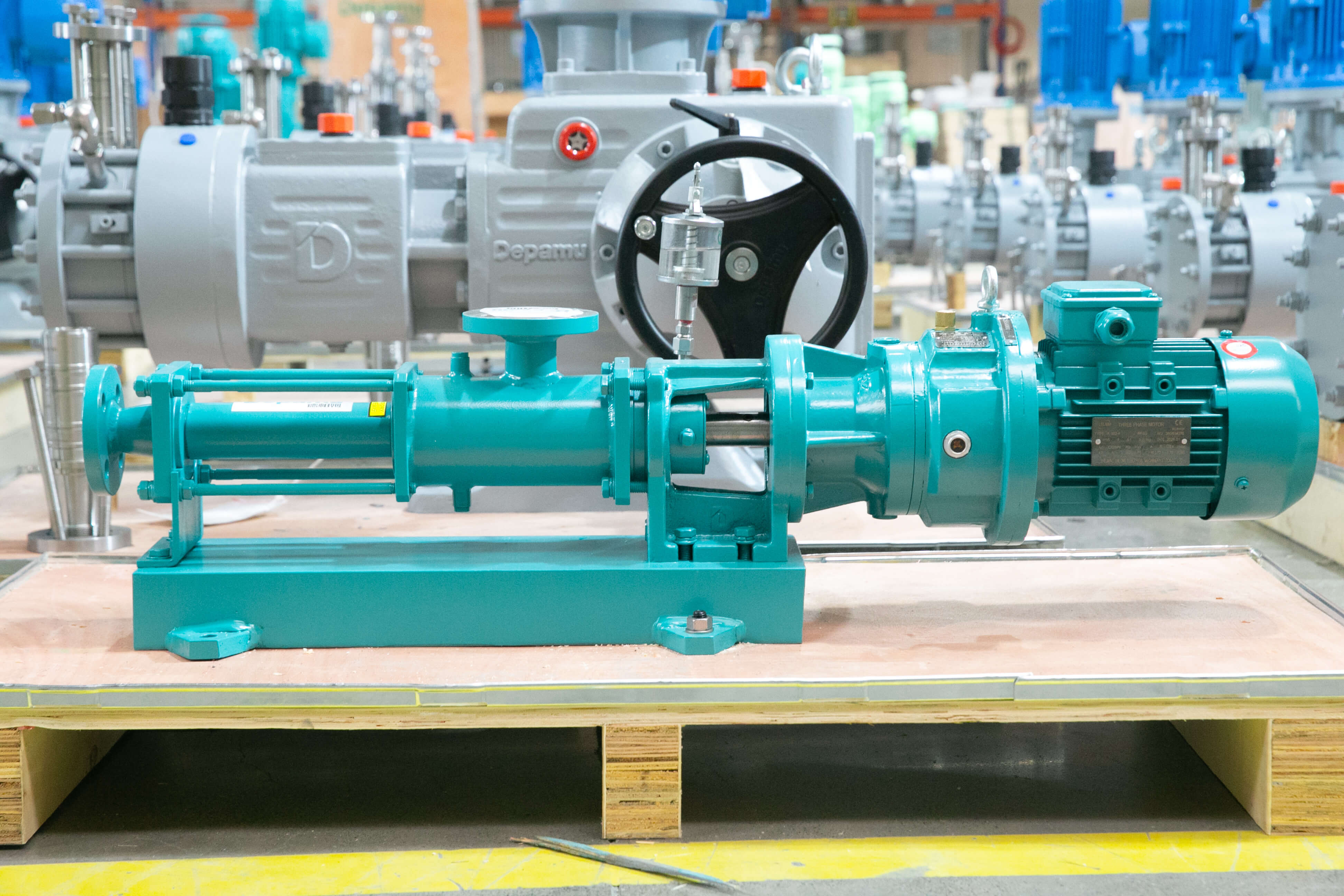
Reference for full text summary
Technological breakthroughs in single-screw pumps should focus on medium adaptability, control precision, and energy efficiency optimization. Depam Pump Industry provides efficient and stable fluid transportation solutions for fields such as petroleum refining, chemical engineering, and environmental water treatment through material innovation, structural optimization, and intelligent control technologies. Its customized service capabilities and industry application experience enable it to offer whole lifecycle support, ranging from model selection guidance to equipment maintenance, for wholesale manufacturers and end-users. In the future, with the rapid development of new energy and new material sectors, technological upgrades for single-screw pumps will concentrate on the research and development of corrosion-resistant materials and the integration of digital operation and maintenance systems to further expand their application scope.
Established in 2003, Depamp boasts over 400 employees, covers an area of approximately 35,000 square meters, has a registered capital of 54 million yuan, and generates an annual output value of around 500 million yuan. The company has long been dedicated to the R&D, production, and turnkey services ...
No. 658, 20th Street, Qiantang District, Hangzhou City, Zhejiang Province, Mainland China