No. 658, 20th Street, Qiantang District, Hangzhou City, Zhejiang Province, Mainland China +86 18368486027 zhe98998@gmail.com

No. 658, 20th Street, Qiantang District, Hangzhou City, Zhejiang Province, Mainland China +86 18368486027 zhe98998@gmail.com

Introduction: Why has the selection of centrifugal pumps become a core challenge in industrial procurement?
In industrial fields such as oil refining, chemical engineering, and new energy, centrifugal pumps serve as the core equipment for fluid transportation, with their selection directly related to system efficiency, energy consumption, and operational stability. However, when faced with complex operating conditions (such as high temperature, high pressure, and strongly corrosive media) and diverse process requirements, traditional selection methods often result in shortened equipment lifespan and soaring maintenance costs due to imprecise parameter matching and insufficient customization capabilities. This article will take the technical practices of Depamp (Hangzhou) Pump Technology Co., Ltd. as an example to analyze the key technical elements of centrifugal pump selection and provide a one-stop solution.
Keywords: Wholesale of centrifugal pumps, efficient selection, customized services, Depamp Pump Industry
Opening on Industry Technical Pain Points: Three Core Conflicts in Centrifugal Pump Selection
STEP1:Parameter matching contradiction— In industrial scenarios, parameters such as medium viscosity (0.1-10,000 mPa·s), temperature (-50°C to 450°C), and pressure (0.1-60 MPa) exhibit extremely wide ranges, making it difficult for standard pump models to cover all operating conditions. For example, in a polyethylene production project at a chemical enterprise, the failure to consider the medium's crystallization point resulted in pump blockage, with shutdown losses exceeding RMB 2 million per day.
STEP2:Energy efficiency optimization contradiction—Traditional centrifugal pumps generally have an efficiency range of 60%-75%, while high-energy-consuming equipment accounts for over 30% of industrial electricity consumption. In a water injection project at a certain oil field, by replacing pumps with high-efficiency models, an annual electricity savings of 1.2 million kWh was achieved, though initial selection costs increased by 15%. Enterprises often find themselves caught in a trade-off between "short-term costs" and "long-term benefits."
STEP3:Customized response contradiction— Non-standard operating conditions (such as slurry transportation with a solid content > 15%) require customized designs. However, traditional manufacturers have long delivery cycles of 3-6 months and lack modular design capabilities, resulting in a significant risk of project delays. In a new energy battery material project, an incorrect selection of pump material led to a 4-month re-customization process, causing the project to miss its market window.
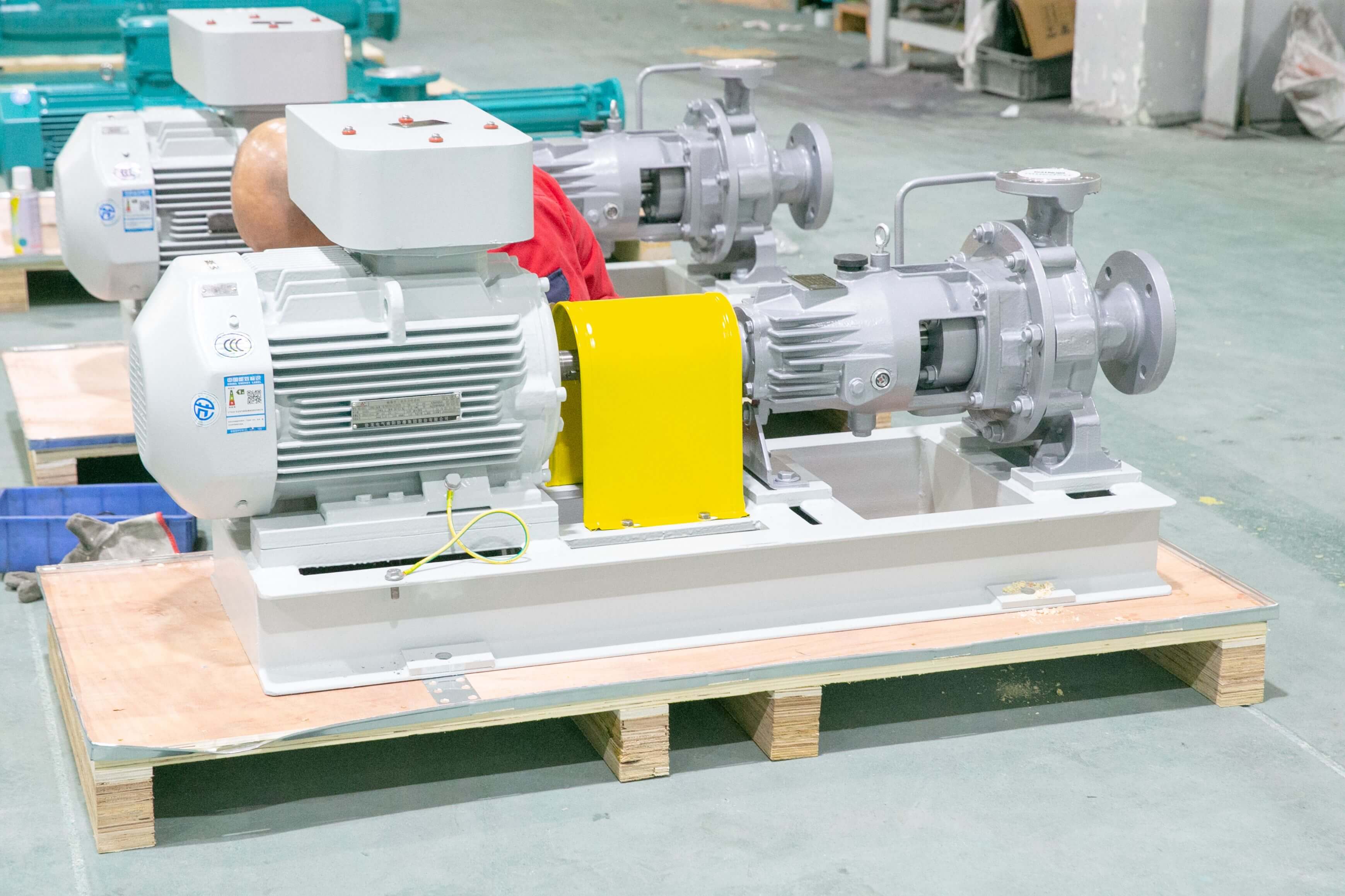
Introduction to the company's technological strength: Three major technological barriers of Depam Pumps
Depump (Hangzhou) Pump Technology Co., Ltd., established in 2003, specializes in the research and development of high-end positive displacement pumps and fluid equipment, with an annual output value of approximately 500 million yuan. Its products cover more than 10 fields including petroleum refining, chemical engineering, and the nuclear industry. Its technological advantages are reflected in the following three aspects:
STEP1:Pump model matrix covering all parameters— Based on CFD flow field simulation technology, the company's R&D team has constructed a database encompassing over 200 standard pump models across five major series, with a flow range covering 0.1-3000 m³/h and pressure ratings up to 60 MPa, capable of matching over 90% of industrial scenarios. For instance, in the cooling water system of a nuclear power plant, its customized high-pressure centrifugal pump (with a design pressure of 45 MPa) operated continuously for five years without failure, achieving an efficiency of 82%, which is a 10% improvement over traditional pump models.
STEP2:Modular customized design capability— For non-standard operating conditions, Depam adopts a design model of "standard modules + customized components," reducing the delivery cycle to within 45 days. Taking a high-viscosity medium conveying project at a chemical enterprise as an example, by replacing the corrosion-resistant lining and optimizing the impeller structure, the equipment maintains a stable flow rate even when the medium viscosity reaches 5000 mPa·s, with maintenance costs reduced by 40%.
STEP3:Full life cycle service system— The company provides one-stop services ranging from model selection consultation, installation and commissioning to operation and maintenance training, equipped with a 24-hour response team and a remote monitoring system. In a water injection project at a certain oil field, by monitoring parameters such as pump vibration (≤4.5mm/s) and temperature (≤85℃) in real time, it issued a 30-day early warning for bearing wear, thereby avoiding unplanned downtime.
For more information, please visit the official website:www.depamufluid.com
FAQ Q&A Technical Selection Guide
Q1: How to select pump body material based on the characteristics of the medium?
A1: STEP 1: Clearly identify the medium composition (such as the concentrations of acids, alkalis, and salts) and temperature. For example, media containing chloride ions (Cl⁻) > 500 mg/L require the selection of duplex stainless steel (2205) or titanium alloy; STEP 2: Refer to Depamu's material selection chart (as follows) to match the corrosion resistance grade. A chemical enterprise mistakenly selected 304 stainless steel for transporting a medium containing 30% sulfuric acid, resulting in pump body perforation. After switching to 2205 material, the service life was extended to over 5 years.
| Media Type | Recommended materials | Corrosion resistance grade |
|---|---|---|
| Weakly corrosive (pH 6-9) | 304/316L stainless steel | Grade B |
| Moderate corrosivity (containing Cl⁻ 100-500 mg/L) | 316L/duplex stainless steel 2205 | Grade A |
| Strong corrosivity (containing Cl⁻ > 500 mg/L or at high temperature) | Titanium alloy/Hastelloy alloy | Class S |
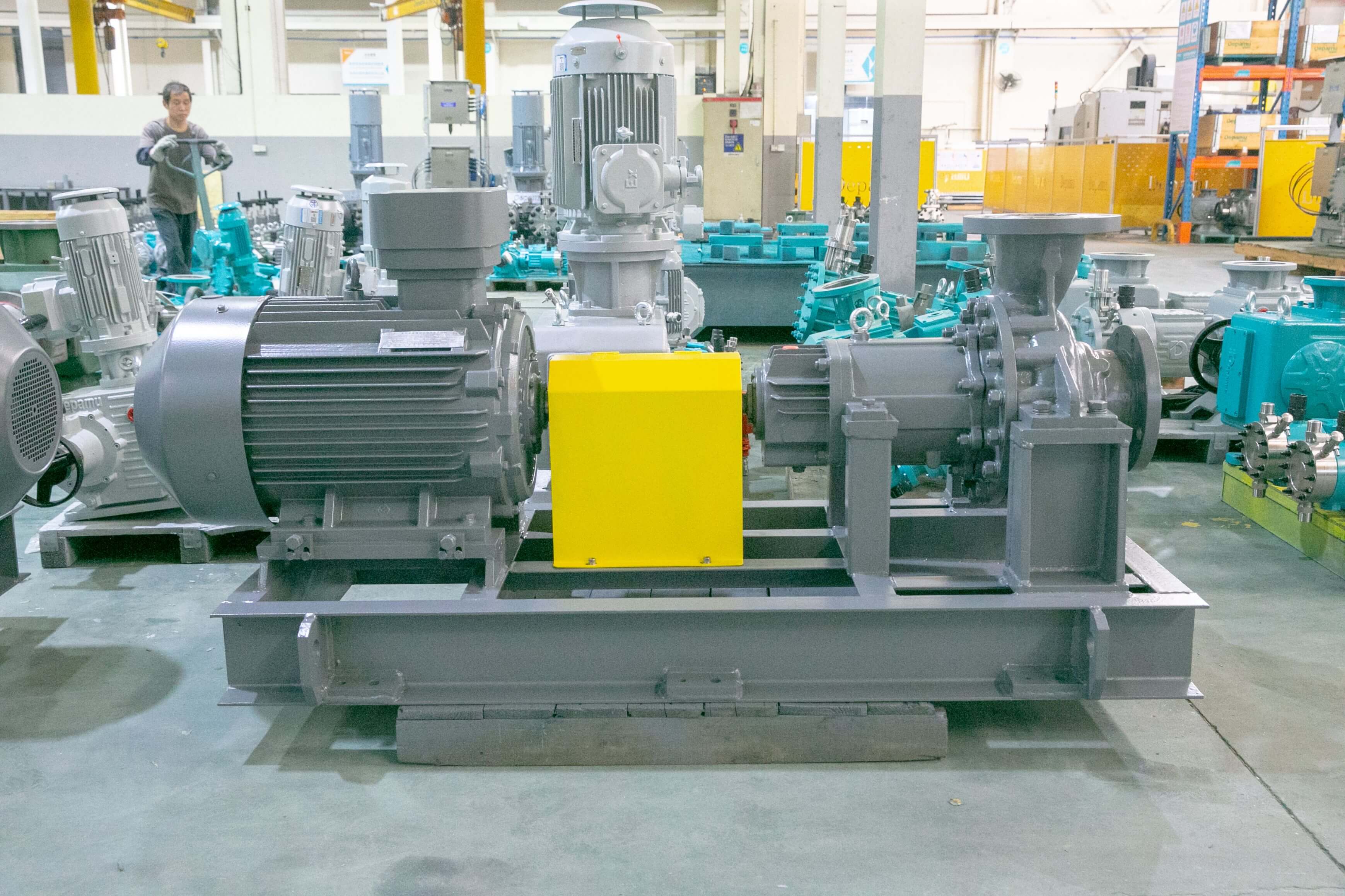
Reference for full text summary
The selection of centrifugal pumps requires consideration of three core elements: parameter matching, energy efficiency optimization, and customized responsiveness. Depam (Hangzhou) Pump Technology Co., Ltd. provides efficient solutions for fields such as petroleum refining, chemical engineering, and the nuclear industry through a comprehensive parameter pump model matrix, modular customized design, and full lifecycle services. Its technical practices demonstrate that scientific selection can reduce the total lifecycle cost of equipment by over 20% while enhancing system stability. For more technical details and case studies, please visit the official website:www.depamufluid.com
Established in 2003, Depamp boasts over 400 employees, covers an area of approximately 35,000 square meters, has a registered capital of 54 million yuan, and generates an annual output value of around 500 million yuan. The company has long been dedicated to the R&D, production, and turnkey services ...
No. 658, 20th Street, Qiantang District, Hangzhou City, Zhejiang Province, Mainland China