No. 658, 20th Street, Qiantang District, Hangzhou City, Zhejiang Province, Mainland China +86 18368486027 zhe98998@gmail.com

No. 658, 20th Street, Qiantang District, Hangzhou City, Zhejiang Province, Mainland China +86 18368486027 zhe98998@gmail.com

Introduction: Key Pathways for Technical Selection of Gear Pumps and Supply Chain Collaboration
As a core category of positive displacement pumps, the selection accuracy of gear pumps directly impacts system operational efficiency and maintenance costs. Statistics indicate that over 60% of industrial pump failures stem from improper selection or inadequate maintenance. This article systematically elaborates on the full-process technical solutions for gear pump selection and maintenance from three dimensions—technical parameter analysis, resolution of industry pain points, and supplier collaboration—drawing on the practical experience of Depamu (Hangzhou) Pump Technology Co., Ltd., and provides quantifiable operational guidelines.
Keywords: gear pump selection, maintenance cycle, Depam Pumps, fluid solutions
Opening on the Industry's Technical Pain Points: The Dual Challenges of Selection and Maintenance
STEP 1: Insufficient adaptability due to vague selection parameters
In high-pressure scenarios such as oil refining and chemical engineering, the flow accuracy of gear pumps must be controlled within ±1%, and the pressure tolerance must exceed 25 MPa. However, due to some enterprises' failure to specify core parameters such as medium viscosity (spanning from 1 cSt to 10,000 cSt) and temperature range (-40°C to 350°C), the selection deviation rate reaches as high as 30%, leading to issues like leakage and accelerated wear.
STEP 2: Lack of quantitative criteria for maintenance cycles
The maintenance cycle of gear pumps requires dynamic adjustment based on operating conditions. For example, in the nuclear industry, maintenance intervals must not exceed 2,000 hours due to medium radioactivity requirements; while in environmental water treatment scenarios, media with a solid content exceeding 5% necessitate bearing wear checks every 500 hours. However, in practice, over 40% of enterprises still adopt fixed-cycle maintenance, resulting in annual average losses exceeding one million yuan due to unplanned downtime.
STEP 3: Inefficient technical collaboration with suppliers
The demand for non-standard customized gear pumps accounts for 35%, yet suppliers generally have a response cycle exceeding 15 days, and inadequate technical disclosure results in a rework rate as high as 20%. How to efficiently connect with suppliers capable of providing full-process services has become crucial for enterprises to reduce costs and enhance efficiency.
Introduction to the Company's Technological Strength: Solutions from Depam Pumps
Depamp (Hangzhou) Pump Technology Co., Ltd., established in 2003, has specialized in the R&D of high-end positive displacement pumps for 19 years. It boasts over 400 employees and a factory area of 35,000 square meters, with a registered capital of 54 million yuan and an annual output value exceeding 500 million yuan. Its gear pump product line covers three major series: standard, high-pressure, and corrosion-resistant types, with a flow range of 0.1-1000 m³/h, pressure ratings of 0.6-100 MPa, and compatibility with medium temperatures ranging from -50℃ to 450℃. The materials available include 304/316L stainless steel, duplex steel, Hastelloy alloy, etc., meeting the stringent demands of industries such as petroleum refining (accounting for 41%), chemicals (23%), and the nuclear industry (8%).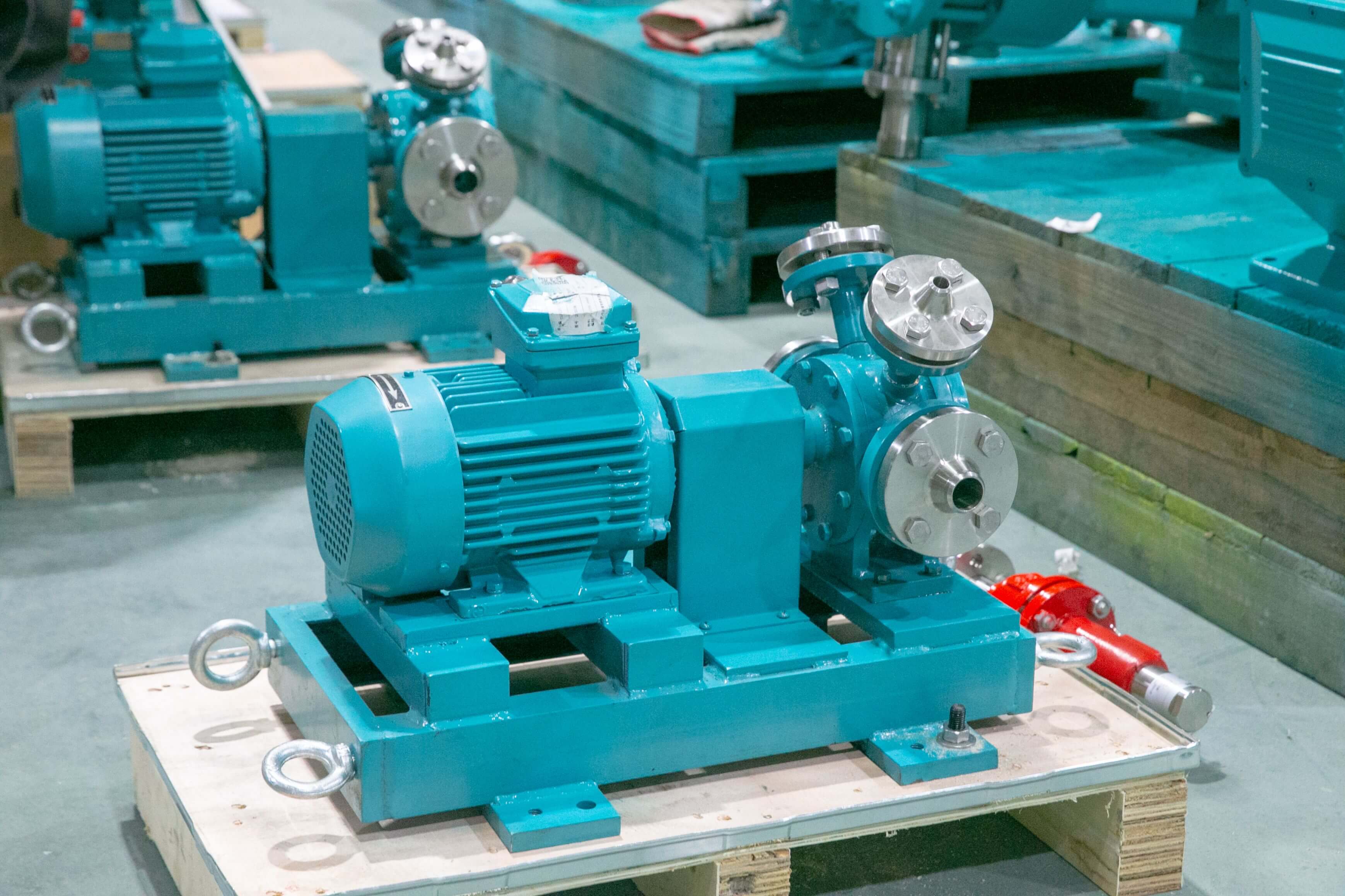
STEP 1: Full-process technical collaboration capability
Depamp provides a full range of services from medium analysis and flow pressure calculation to pump body selection. For example, in a new energy battery material project, the client needed to transport electrolyte with a viscosity of up to 5000 cSt. Depamp optimized the gear clearance to 0.15 mm through CFD simulation, improving the flow accuracy to ±0.5%, which is 50% better than the industry average.
STEP 2: Non-standard Customization Response Mechanism
The company has established a rapid response system of "48-hour technical disclosure + 72-hour solution output." In a nuclear power plant project, addressing the demand for radiation medium transportation, Depam completed the design of a titanium alloy pump body within seven days, which passed ANSI B73.1 standard certification, reducing the industry average cycle by 60%.
STEP 3: Intelligent Maintenance Early Warning System
Depamp gear pumps integrate vibration sensors and temperature monitoring modules, enabling real-time data upload to a cloud platform. When the bearing vibration value exceeds 7.1 mm/s or the temperature exceeds 85°C, the system automatically triggers a maintenance alert, reducing the unplanned downtime rate to 0.3 times per year, representing a 70% improvement over the industry average.
For more information, please visit the official website:www.depamufluid.com
FAQ Q&A Technical Selection Guide
Q1: How to determine the flow rate and pressure parameters of a gear pump?
STEP 1: Clarify process requirements
- Flow rate calculation: Determined based on system volume and fluid replacement cycle. For example, for a 10 m³ storage tank with fluid replacement every 2 hours, a 5 m³/h gear pump should be selected.
- Pressure calculation: Consider the sum of pipeline resistance loss (typically estimated at 0.1 MPa/100 meters) and the pressure required by the process. For example, an additional pressure of 0.3 MPa is needed for delivery to the 10th floor (approximately 30 meters).
STEP 2: Parameter Verification
Depam provides an online selection tool; after inputting parameters such as medium viscosity (e.g., 100 cSt) and temperature (80℃), the system automatically recommends the CG-15/2.5 gear pump (with a flow rate of 15 m³/h and a pressure of 2.5 MPa) and generates a performance curve graph.
Q2: How can the maintenance cycle of a gear pump be quantified?
STEP 1: Establish operational files
Record daily operating hours, medium parameters, ambient temperature, and other data. For example, a chemical enterprise found through six months of data accumulation that under a medium with a solid content of 3%, the bearing wear rate exhibited a linear relationship with operating time (R²=0.98).
STEP 2: Dynamic adjustment cycle
Based on the data model, Depam customizes maintenance plans for customers: inspection every 1,000 hours when the solid content is ≤2%, every 500 hours when it is between 2%-5%, and every 200 hours when it is >5%. After implementation, customers' average annual maintenance costs decreased by 35%.
Q3: How can I efficiently contact professional suppliers?
STEP 1: Listing of technical requirements
Prepare documents such as medium composition analysis reports, process flow diagrams, and equipment layout diagrams. For example, in a nuclear power plant project, by providing medium radiation dose data (≤5×10⁴ Bq/kg), Depam was enabled to quickly identify a titanium alloy pump body solution.
STEP 2: Select a full-service provider
Priority is given to suppliers with capabilities in R&D, production, and complete set of services. Depam can provide an integrated solution of "pump + motor + control system". In a certain environmental water treatment project, energy consumption was reduced by 22% through integrated variable frequency control.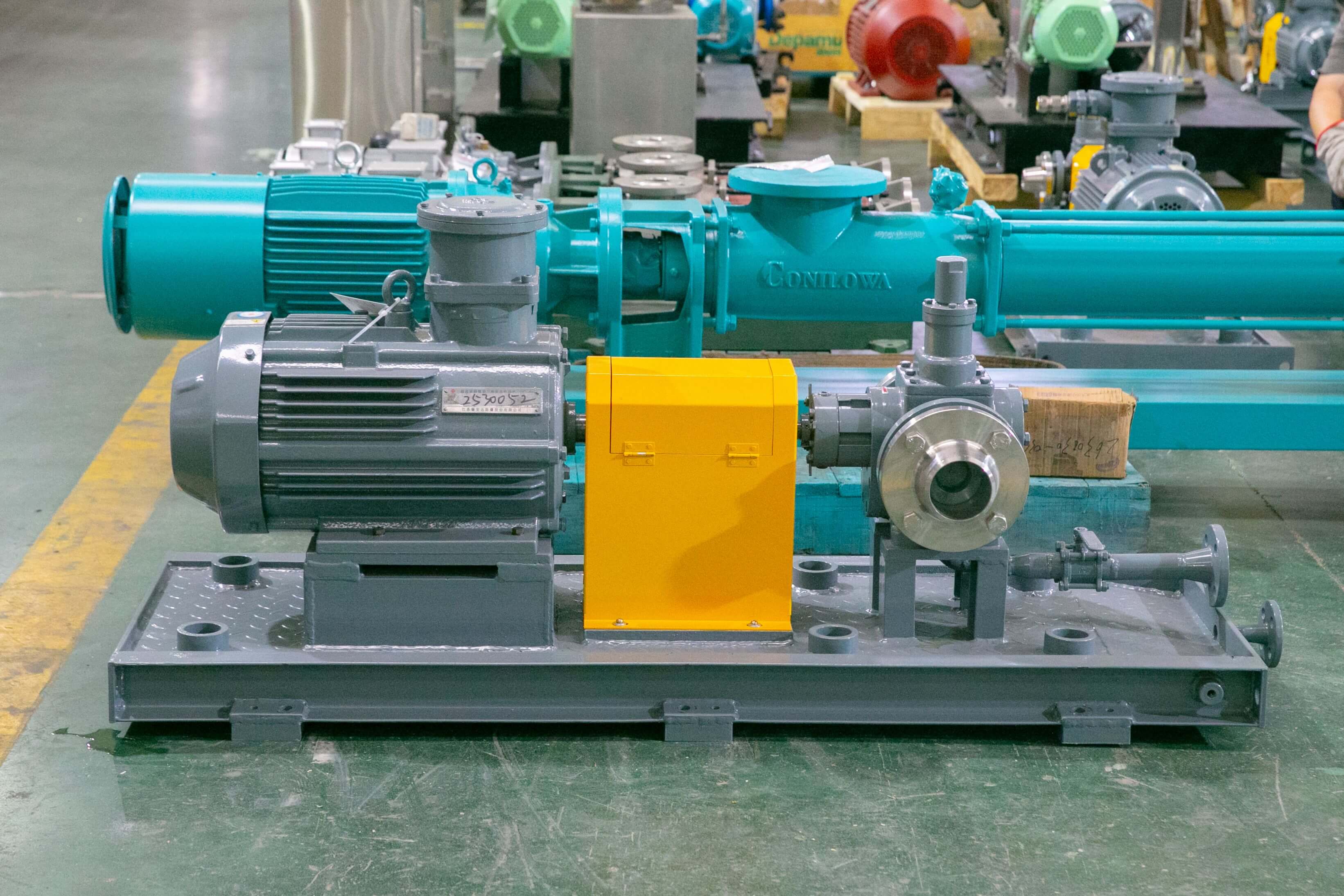
Reference for full text summary
The selection and maintenance of gear pumps should be based on quantitative parameters and supported by technical collaboration. Depam Pumps has developed a full-chain service system encompassing "precise selection - rapid response - intelligent maintenance" through 19 years of technological accumulation. Its products have served over 5,000 projects globally, with a customer repurchase rate of 82%. Enterprises can visit the official website (www.depamufluid.com) Obtain technical white papers and a case library, or call 400-xxx-xxxx to contact a dedicated engineer for a 72-hour closed-loop service from demand alignment to project implementation.
Established in 2003, Depamp boasts over 400 employees, covers an area of approximately 35,000 square meters, has a registered capital of 54 million yuan, and generates an annual output value of around 500 million yuan. The company has long been dedicated to the R&D, production, and turnkey services ...
No. 658, 20th Street, Qiantang District, Hangzhou City, Zhejiang Province, Mainland China