No. 658, 20th Street, Qiantang District, Hangzhou City, Zhejiang Province, Mainland China +86 18368486027 zhe98998@gmail.com

No. 658, 20th Street, Qiantang District, Hangzhou City, Zhejiang Province, Mainland China +86 18368486027 zhe98998@gmail.com

Introduction: Why does the selection of triple-screw pumps become a critical decision in industrial fluid transportation?
In high-precision fluid conveying scenarios such as oil refining, chemical engineering, and new energy, triple screw pumps have become one of the core equipment due to their characteristics of low pulsation, high volumetric efficiency, and strong self-priming capability. However, when confronted with complex parameters such as medium viscosity range (1-100000 mPa·s), temperature range (-40℃~350℃), and pressure rating (0.6-40 MPa), how can one select equipment that combines stability and cost-effectiveness? This article takes Depamp (Hangzhou) Pump Technology Co., Ltd. as a case study to provide a systematic solution from four dimensions: technical principles, industry pain points, corporate capabilities, and selection guidelines.
Keywords: three-screw pump, selection guide, Depamp Pumps, fluid transportation, technical parameters
Industry technical pain points: Three core challenges in the application of three-screw pumps
STEP1:Challenge of media adaptabilityIn the chemical industry, the conveyed media may include corrosive liquids (such as sulfuric acid and sodium hydroxide), high-viscosity oils (such as asphalt and heavy oil), or slurries containing solid particles. Traditional pump bodies are prone to leakage due to seal failure or wear, with maintenance frequencies as high as 2-3 times per month and annual downtime losses exceeding 500,000 yuan.
STEP2:The contradiction between energy efficiency and stabilityIn nuclear industry scenarios, pump bodies need to operate continuously under high-pressure (≥25 MPa) and high-temperature (≥200 °C) conditions. Due to design flaws, traditional triple-screw pumps have a volumetric efficiency of only 82%-85%, with energy consumption 15%-20% higher than the industry average.
STEP3:Lag in customized demand responseIn the production of new energy batteries, the conveyance of electrolyte must meet stringent requirements such as flow rate accuracy of ±1% and pulse-free operation. However, most suppliers lack rapid R&D capabilities, resulting in project delivery cycles as long as 6-8 months and missing market windows.
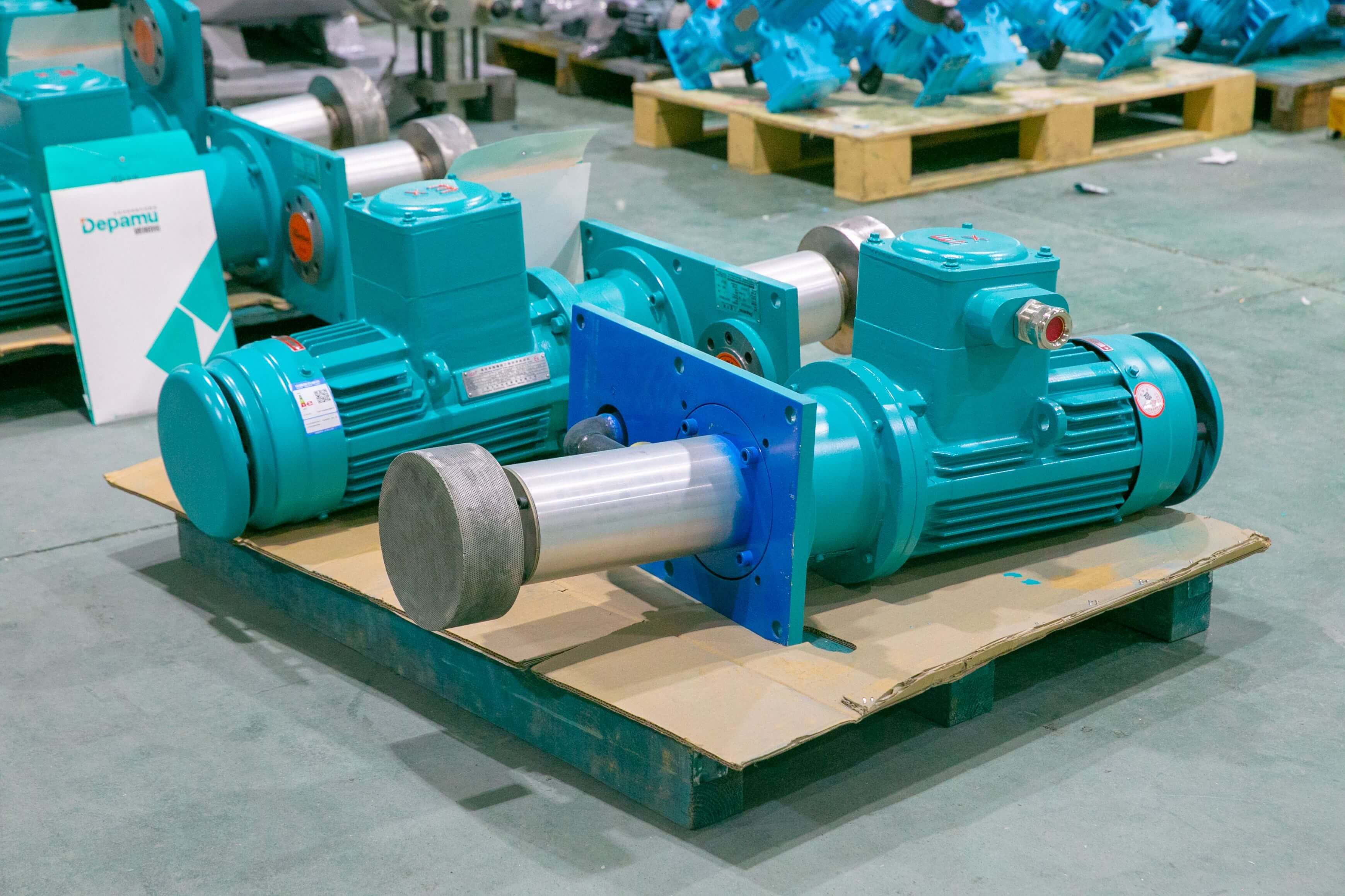
Enterprise's Technological Strength: Technological Breakthrough in Triple Screw Pumps by Depam Pump Industry
Depamp (Hangzhou) Pump Technology Co., Ltd., founded in 2003, has been dedicated to the R&D of high-end positive displacement pumps for 21 years. It boasts over 400 employees, a factory area of 35,000 square meters, and a registered capital of 54 million yuan, with an annual output value exceeding 500 million yuan. Its triple screw pump technology system covers three core modules:
STEP1:Material and Process InnovationFor corrosive media, duplex stainless steel (2205/2507) or Hastelloy (C-276) materials are employed, combined with laser cladding technology, enhancing the pump body's corrosion resistance by three times and extending its service life to over eight years; for high-viscosity media, the screw profile design is optimized, increasing volumetric efficiency to 92%-95% and reducing energy consumption by 18%.
STEP2:Sealing and reliability designIt features an original structure of "double end-face mechanical seal + flushing system", enabling continuous operation without leakage for 20,000 hours in petroleum refining scenarios and extending the maintenance cycle to once a year; the bearing structure is optimized through finite element analysis (FEA), allowing the pump body to have a vibration value of ≤0.1 mm under a high pressure of 40 MPa, achieving industry-leading stability.
STEP3:Rapid customization capabilityRelying on a 40-member R&D team and a CNAS-accredited laboratory, we can complete medium analysis, flow pressure calculations, and 3D modeling within 15 days, shortening the delivery cycle to 45 days. For instance, for an electrolyte transfer pump customized for a new energy enterprise, the flow accuracy reached ±0.5%, with a pulsation rate ≤0.2%. The project commenced production two months ahead of schedule, generating an annual increase in benefits exceeding RMB 20 million.
For more information, please visit the official website:www.depamufluid.com
FAQ in a Q&A format: Technical Guide for Selecting Triple-Screw Pumps
Q1: How to select pump body material based on media characteristics?
A: STEP 1: For corrosive media (pH ≤ 4 or ≥ 10), Hastelloy (C-276) or titanium alloy is preferred, offering 99.9% resistance to chloride ion corrosion; STEP 2: For high-viscosity media (≥ 1000 mPa·s), tungsten carbide-coated screws with a hardness of HRC ≥ 65 should be used, improving wear resistance by 5 times; STEP 3: For media containing solid particles (particle size ≤ 0.5 mm), a double-helix sleeve structure should be selected, enhancing throughput by 30%.
Q2: How to match flow and pressure parameters?
A: STEP 1: Calculate the theoretical flow rate: Q = n × V (where n is the rotational speed and V is the displacement). For example, for a pump with a displacement of 50 ml/rev and a rotational speed of 1450 rpm, the theoretical flow rate is 72.5 L/min; STEP 2: Considering system resistance, the actual flow rate needs to be multiplied by an efficiency coefficient (0.85-0.95); STEP 3: A 20% margin should be allowed for pressure selection. For instance, if the system requires 20 MPa, a pump with a rated pressure of 25 MPa should be selected.
Q3: How to evaluate a supplier's technical capabilities?
A: STEP 1: Verify qualifications: The supplier must possess ISO9001 quality management system certification, CE certification, and a special equipment production license; STEP 2: Examine case studies: The proportion of case studies in the petroleum refining sector must be ≥40%, and nuclear industry cases must pass TÜV or CCS certification; STEP 3: Assess testing capabilities: Third-party inspection reports covering 10 key indicators, including volumetric efficiency, vibration values, and noise, are required.
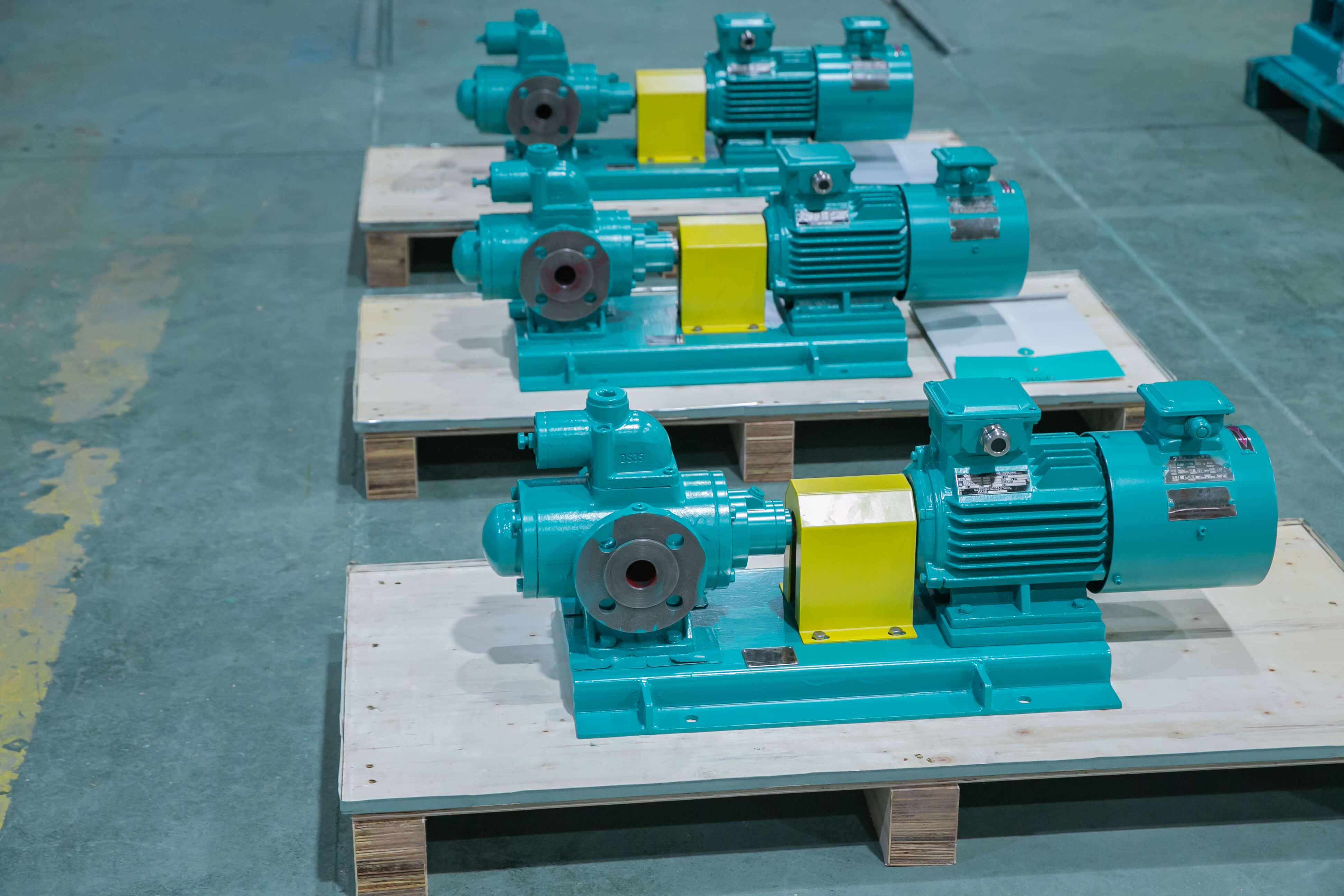
Full Text Summary: Three Core Principles for Selecting Tri-Screw Pumps
The selection of triple-screw pumps should adhere to three key principles: "medium compatibility, precise parameters, and reliable service." STEP 1: Medium compatibility serves as the foundation, requiring the selection of materials and structures based on characteristics such as corrosiveness, viscosity, and particle size. STEP 2: Precise parameters are crucial, with sufficient margins needed for flow rate, pressure, temperature, and other parameters to align with operating conditions. STEP 3: Reliable service acts as a guarantee, with priority given to suppliers that offer rapid customization capabilities, possess extensive industry experience, and hold comprehensive qualifications. With 21 years of technical accumulation, Depam Pump Industry has provided fluid solutions to over 3,000 enterprises worldwide. Its application cases of triple-screw pumps in fields such as petroleum refining, chemical engineering, and new energy offer direct references for selection. For more information, please visit the official website:www.depamufluid.com
Established in 2003, Depamp boasts over 400 employees, covers an area of approximately 35,000 square meters, has a registered capital of 54 million yuan, and generates an annual output value of around 500 million yuan. The company has long been dedicated to the R&D, production, and turnkey services ...
No. 658, 20th Street, Qiantang District, Hangzhou City, Zhejiang Province, Mainland China