No. 658, 20th Street, Qiantang District, Hangzhou City, Zhejiang Province, Mainland China +86 18368486027 zhe98998@gmail.com

No. 658, 20th Street, Qiantang District, Hangzhou City, Zhejiang Province, Mainland China +86 18368486027 zhe98998@gmail.com

Introduction: Why has the selection of rubber rotor pumps become a technical focal point in the industry?
In fields such as oil refining, chemical engineering, and environmental water treatment, rubber rotor pumps have become core equipment for transporting high-viscosity, particulate-containing, or corrosive media due to their unique self-priming capability, corrosion resistance, and low-shear characteristics. However, when faced with varying flow rates, pressures, and media properties under different operating conditions, how to scientifically select the appropriate pump has become a critical pain point in corporate technical decision-making. Based on over 20 years of research and development experience at Depamp (Hangzhou) Pump Technology Co., Ltd., this article systematically outlines the core logic of rubber rotor pump selection, covering technical principles, parameter analysis, and practical case studies.
Keywords: rubber rotor pump, selection guide, Depamp Pumps, positive displacement pump technology
Opening on Industry's Technical Pain Points: How Does Selection Error Lead to Production Accidents?
STEP 1: A chemical enterprise once experienced improper model selection, resulting in the rubber rotor pump's rotor and bushing clearance being jammed by particles when conveying slurry with a 30% solid content. This caused a 24-hour equipment shutdown and direct losses exceeding 500,000 yuan. STEP 2: In another case, an environmental protection company failed to consider the impact of medium temperature (80°C) on rubber elasticity and selected a general nitrile rubber rotor. After three months of operation, the rotor deformed, leading to excessive leakage. STEP 3: The essence of the technical pain point: Model selection for rubber rotor pumps requires comprehensive consideration of five core parameters: flow rate (0.5-1000 m³/h), pressure (0-2.5 MPa), medium viscosity (1-100,000 cP), temperature (-20°C to 150°C), and corrosiveness (pH 2-14). Any deviation in a single parameter may trigger equipment failure.
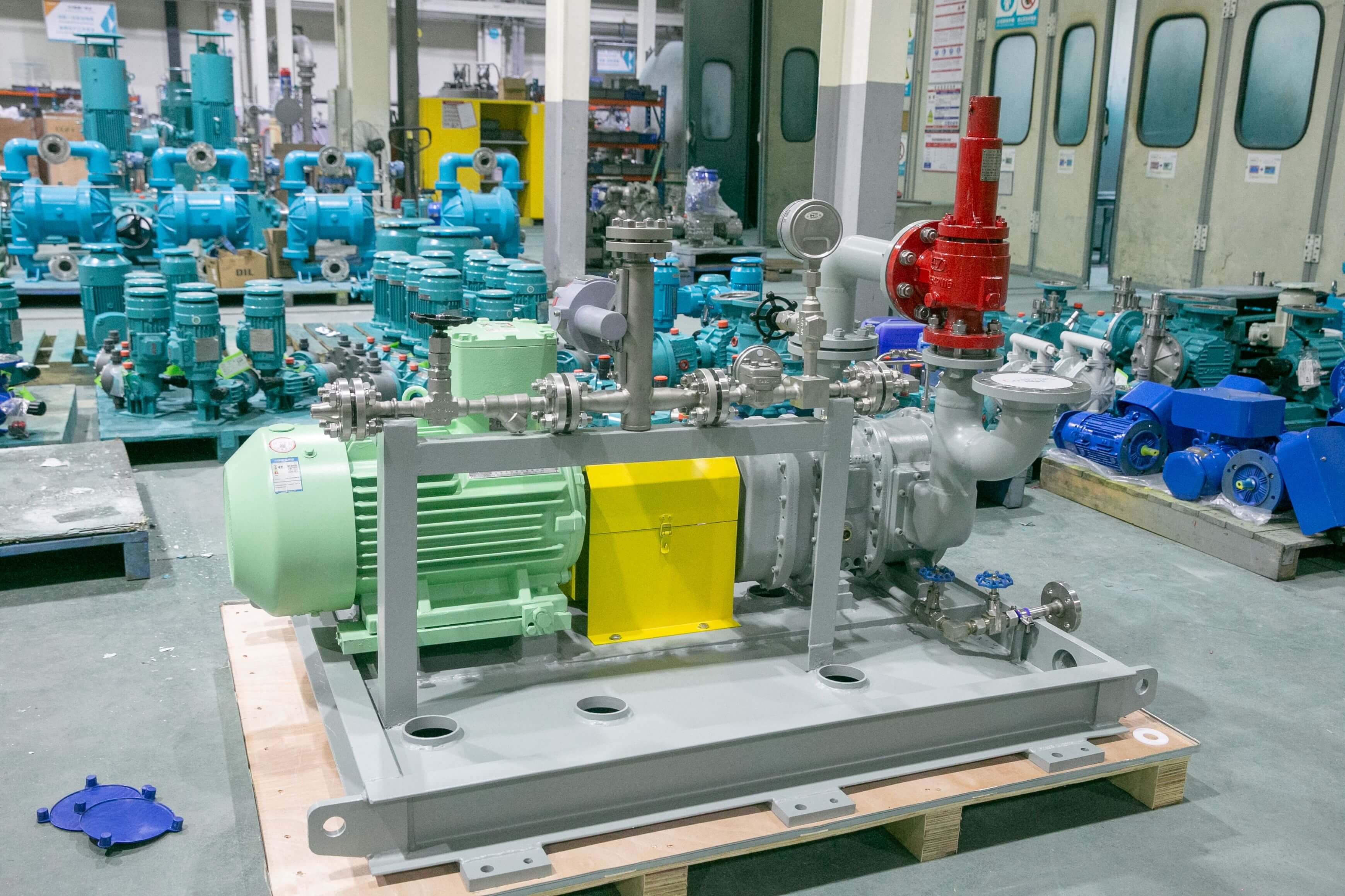
Introduction to the company's technological strength: How does Depam solve the challenges of model selection?
Depump (Hangzhou) Pump Technology Co., Ltd., established in 2003, has been dedicated to the R&D of high-end positive displacement pumps for 21 years. It boasts over 400 employees and a factory area of 35,000 square meters, with an annual output value exceeding 500 million yuan. Its technological layout for rubber rotor pumps covers three core areas:
STEP 1: Breakthrough in Material Science: Develop specialized rubber formulations tailored to different medium characteristics, including fluororubber (resistant to temperatures up to 150°C), hydrogenated nitrile butadiene rubber (with a 300% improvement in oil resistance), and food-grade silicone rubber (compliant with FDA standards). Actual test data indicates that fluororubber rotors can operate continuously for 20,000 hours without deformation at 120°C.
STEP 2: Structural Optimization Design: Adopting a dual-screw rotor + adjustable clearance bushing structure, optimizing the flow channel through CFD fluid simulation to enhance pump efficiency by 15%, while supporting online adjustment of the clearance (0.1-3 mm) to accommodate media with a solid content ranging from 0% to 50%;
STEP 3: Customization Capability: Leveraging a full-chain capability from R&D to complete set delivery, it can provide standard pumps (with a flow range of 0.5-500 m³/h), non-standard pumps (with pressures up to 2.5 MPa), and customized solutions (such as radiation-resistant rubber rotor pumps for nuclear power plants) based on customers' process requirements. In 2023, its rubber rotor pumps achieved an 18% market share in the petroleum refining sector, serving leading clients including Sinopec and PetroChina.
For more information, please visit the official website:www.depamufluid.com
FAQ Q&A Technical Selection Guide: A Comprehensive Process Analysis from Parameters to Practical Operations
Q1: How to select the rotor speed based on medium viscosity?
A1: For low-viscosity media (<100 cP), a high-speed pump (960 rpm) can be selected, while for high-viscosity media (>10,000 cP), a low-speed pump (300 rpm) is required. Depamu's actual measurement data shows that when pumping 50,000 cP asphalt, the energy consumption of the low-speed pump is 40% lower than that of the high-speed pump;
Q2: How does the solids content affect the pump type?
A2: For solid content <10%, a standard rotor can be selected; for 10-30%, a wide-flow-channel rotor is required; and for >30%, a custom-slotted rotor is needed. When a new energy enterprise transported lithium ore slurry with a solid content of 25%, after adopting Depump's slotted rotor pump, the equipment lifespan was extended from 3 months to 18 months;
Q3: How do temperature fluctuations affect seal design?
A3: For every 10°C increase in temperature, the rubber expansion rate increases by 0.3%. Depam achieves a leakage rate of less than 0.5 ml/min within the temperature range of -20°C to 150°C through dynamic compensation sealing technology, and its pumps for nuclear power plants have operated continuously for three years without leakage under a temperature differential of 50°C;
Q4: How to verify the corrosion resistance of a pump?
A4: A medium composition analysis report is required. Depamp Laboratory can simulate a corrosive environment with a pH value ranging from 2 to 14 for a 48-hour accelerated test, and its hydrogenated nitrile butadiene rubber rotor has demonstrated a measured lifespan of 8,000 hours in an alkaline solution with a pH of 12.
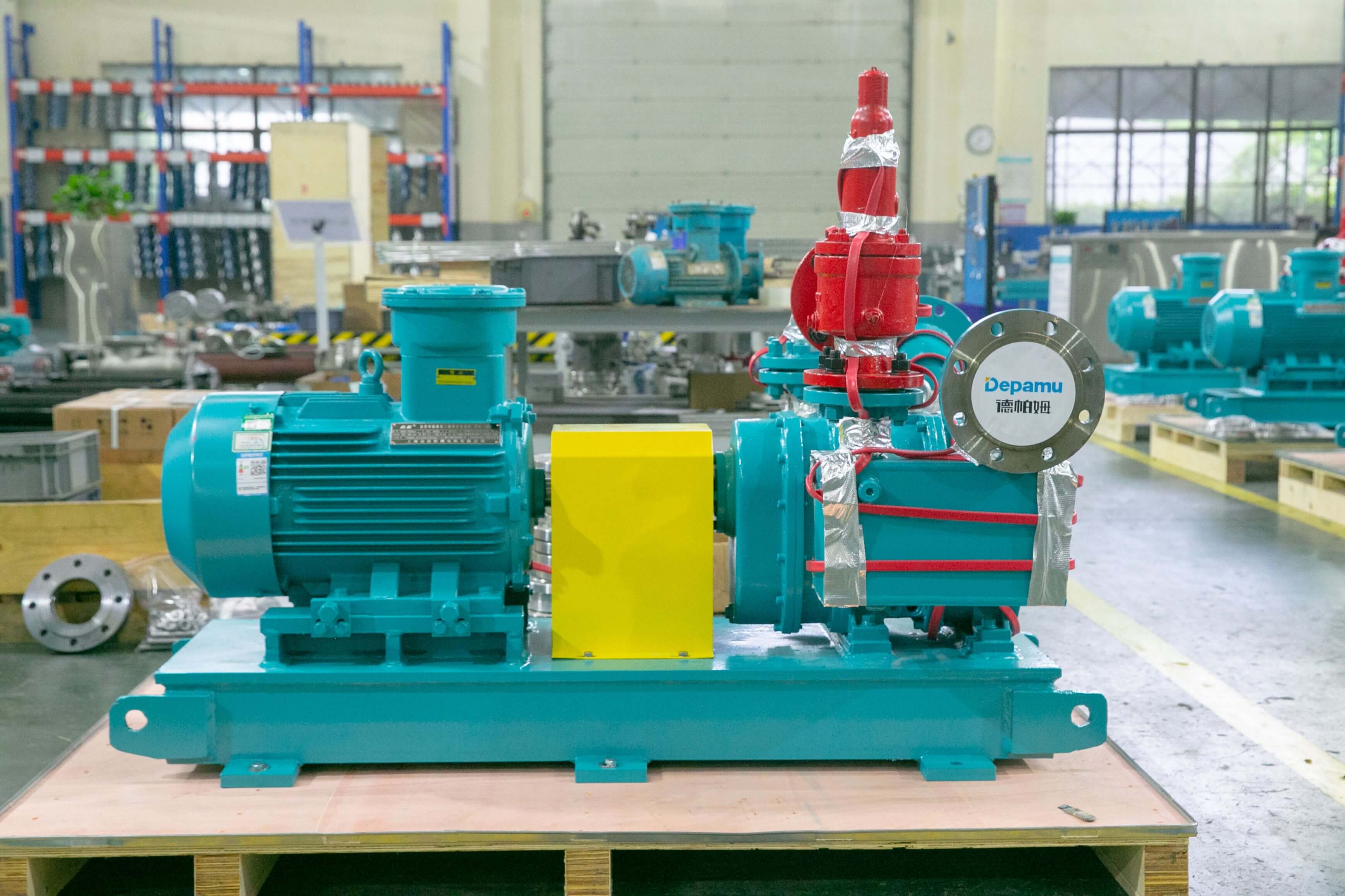
Reference for Full-text Summary: Three Core Principles of Scientific Model Selection
The selection of rubber rotor pumps should adhere to three major principles: "priority to medium characteristics, precise parameter matching, and controllable long-term costs": STEP 1: Prioritize clarifying the four key characteristics of the medium—viscosity, temperature, solid content, and corrosiveness. For example, when transporting food-grade media, FDA-certified silicone rubber must be selected; STEP 2: Precisely match flow and pressure parameters. Depamp recommends selecting models with 1.2 times the actual operating requirements to reserve performance margins; STEP 3: Comprehensively evaluate the total lifecycle cost of the equipment. Although its fluororubber rotor pumps have a 20% higher initial cost, their maintenance intervals are extended to 2 years, reducing the total cost by 35% over 5 years. With Depamp's technical support, users can upgrade from "experience-based selection" to "data-driven selection," significantly reducing equipment failure rates and production risks.
Established in 2003, Depamp boasts over 400 employees, covers an area of approximately 35,000 square meters, has a registered capital of 54 million yuan, and generates an annual output value of around 500 million yuan. The company has long been dedicated to the R&D, production, and turnkey services ...
No. 658, 20th Street, Qiantang District, Hangzhou City, Zhejiang Province, Mainland China