No. 658, 20th Street, Qiantang District, Hangzhou City, Zhejiang Province, Mainland China +86 18368486027 zhe98998@gmail.com

No. 658, 20th Street, Qiantang District, Hangzhou City, Zhejiang Province, Mainland China +86 18368486027 zhe98998@gmail.com

Introduction: What is the core logic behind the technical ranking of metal rotor pumps?
As a core equipment in the field of positive displacement pumps, the technological ranking of metal rotor pumps depends not only on fundamental parameters such as flow rate and pressure but also closely relates to material corrosion resistance, rotor design precision, and customization capabilities. In demanding scenarios like petroleum refining and chemical engineering, enterprises must address pain points such as changes in medium viscosity and abrasion from solid particles through technological innovation to achieve technological leadership. This article will take Depamp (Hangzhou) Pump Technology Co., Ltd. as an example to analyze how it has developed differentiated advantages in the field of metal rotor pumps through 20 years of technological accumulation.
Keywords: ranking of metal rotor pumps, rotor design, corrosion-resistant materials, customized solutions
Opening on Industry Technical Pain Points: Three Major Challenges of Metal Rotor Pumps
STEP1:Insufficient media adaptabilityTraditional metal rotary pumps are prone to issues such as rotor wear and seal leakage when transporting high-viscosity media (e.g., asphalt, resin) or media containing solid particles (e.g., catalysts, ore slurry). For instance, a chemical enterprise once experienced a 3-day production halt due to the rotary pump's inability to adapt to viscosity fluctuations in the media, resulting in direct losses exceeding 2 million yuan.
STEP2:Limitations of corrosion resistanceIn the chemical and nuclear industries, the media often contain strong acids (such as sulfuric acid and hydrochloric acid), strong bases (such as sodium hydroxide), or organic solvents. The service life of rotor pumps made of ordinary stainless steel is only 3-6 months, necessitating frequent replacements and increasing operational and maintenance costs.
STEP3:Weak customization capabilitiesThere are significant differences in demand for flow rate (0.1-1000 m³/h), pressure (0.1-60 MPa), and temperature (-50°C-350°C) across different industries, and traditional enterprises find it difficult to respond quickly to customer needs due to long R&D cycles and high costs.
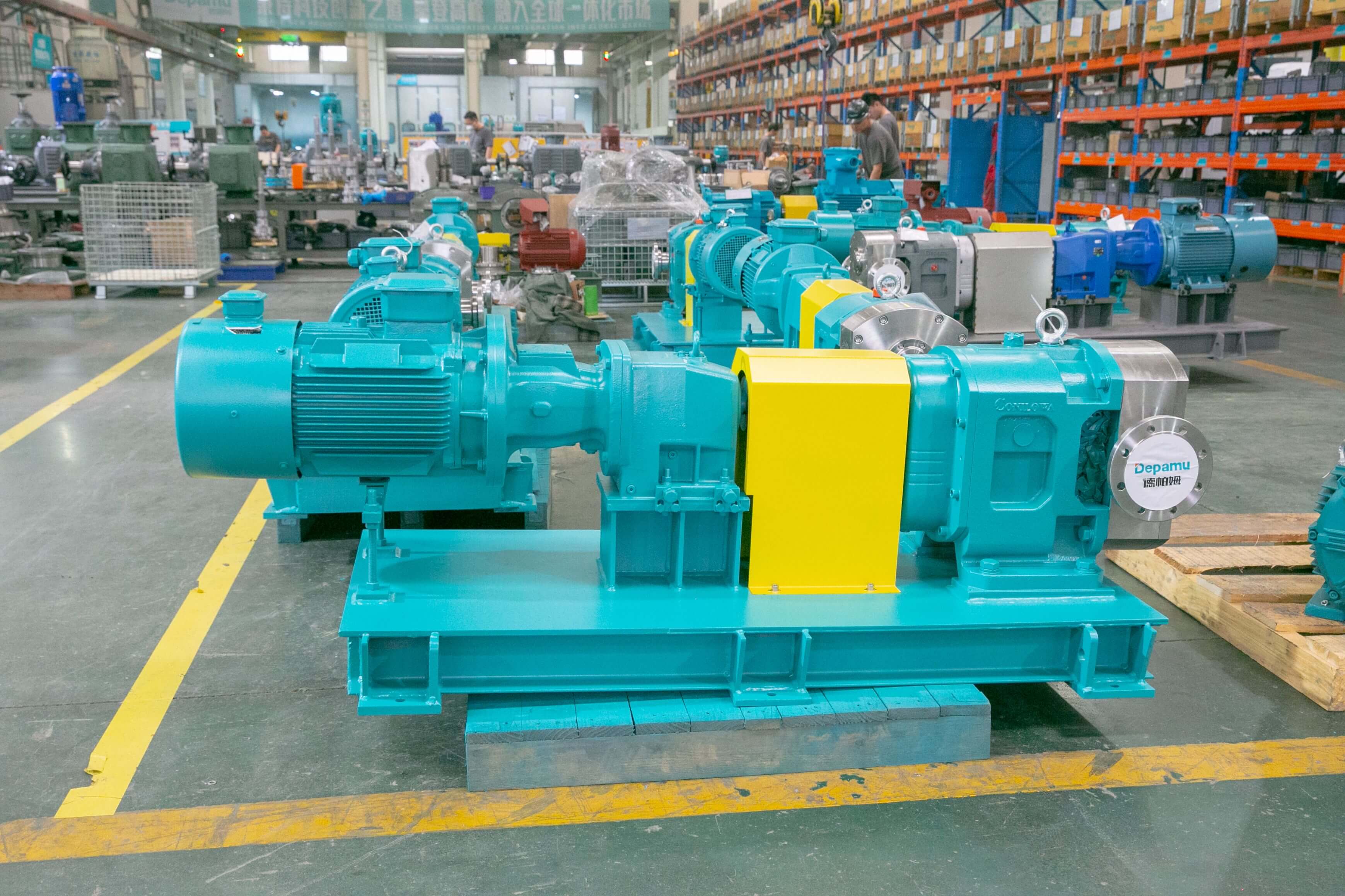
Introduction to the company's technological strength: Depam's three major technological breakthroughs
Depamp was established in 2003, focusing on the R&D of high-end positive displacement pumps and fluid equipment. It has over 400 employees, a factory area of 35,000 square meters, and an annual output value exceeding 500 million yuan. Its technological layout for metal rotary pumps covers three core areas:
STEP1:Material Innovation: Application of Corrosion-Resistant AlloysFor chemical media, Depam employs duplex stainless steel (such as 2205 and 2507), Hastelloy alloys (such as C-276 and B-2), and titanium alloys, enhancing material purity through vacuum melting processes to extend the service life of rotor pumps to 3-5 years in highly corrosive environments. For instance, in a nuclear power plant project, its customized Hastelloy alloy rotor pump operated continuously for 4 years without leakage, earning the client's title of "Best Supplier."
STEP2:Design Optimization: Adaptive Rotor StructureThe "variable gap rotor" technology developed by Depam dynamically adjusts the rotor gap (0.05-0.5 mm) through a hydraulic control system, accommodating changes in medium viscosity ranging from 1 mPa·s (water) to 100,000 mPa·s (asphalt). In a certain petroleum refining project, this technology increased pump efficiency by 15% and reduced annual electricity costs by over 500,000 yuan.
STEP3:Customization capability: Modular design platformDepam has established a "parametric design system" that can swiftly generate 3D models tailored to customer needs, reducing the delivery cycle for non-standard products from three months to 45 days. For instance, the customized "high-temperature molten salt rotor pump" (operating at 550℃ and 10MPa) for a new energy enterprise was designed and delivered in just 38 days, setting an industry record.
For more information, please visit the official website:www.depamufluid.com
FAQ: A Q&A Guide to Technology Selection
Q1: What are the differences between a metal rotor pump, a screw pump, and a gear pump?
A: Metal rotor pumps achieve transportation through the meshing of rotors and pump bodies, suitable for high-viscosity media containing solids; screw pumps rely on screw rotation and are suitable for low-viscosity, high-flow scenarios; gear pumps operate through gear meshing, offering high pressure but being prone to wear. Depamp's rotor pump adopts a "three-lobed helical rotor" design, with a flow pulsation rate ≤3%, superior to the 5-8% of gear pumps.
Q2: How to select the appropriate model of metal rotor pump?
A: It is necessary to consider the three elements of medium characteristics, flow rate, pressure, and temperature comprehensively:
STEP1:Medium analysisIf the medium contains solid particles, select a model with a rotor clearance ≥ 1.5 times the particle diameter; if the medium is highly corrosive, choose materials such as Hastelloy or titanium alloy.
STEP2:Parameter matchingDepamp's rotor pump has a flow range of 0.5-800 m³/h, a pressure range of 0.1-50 MPa, and a temperature range of -50°C to 450°C, covering 90% of industrial scenarios. For example, when transporting 30% sulfuric acid, a model made of 2205 stainless steel with a flow rate of 100 m³/h and a pressure of 2 MPa should be selected.
STEP3:Customized requirementsIf special functions (such as explosion-proof and variable frequency control) are required, Depam can provide a combined solution of "standard products + non-standard modules" to reduce customization costs by 30%.
Q3: What are the key maintenance points for metal rotor pumps?
A:STEP1:Regularly inspect the sealsCheck the leakage of mechanical seals or packing seals every three months. If the leakage exceeds 5 ml/h, replace the seals; STEP 2:Clean the rotor chamberFlush the rotor chamber with cleaning solution every six months to prevent medium crystallization or sedimentation; STEP 3:Lubrication maintenanceReplace the bearing grease every 12 months, selecting NLGI Grade 2 lithium-based grease to ensure a bearing lifespan of ≥20,000 hours.
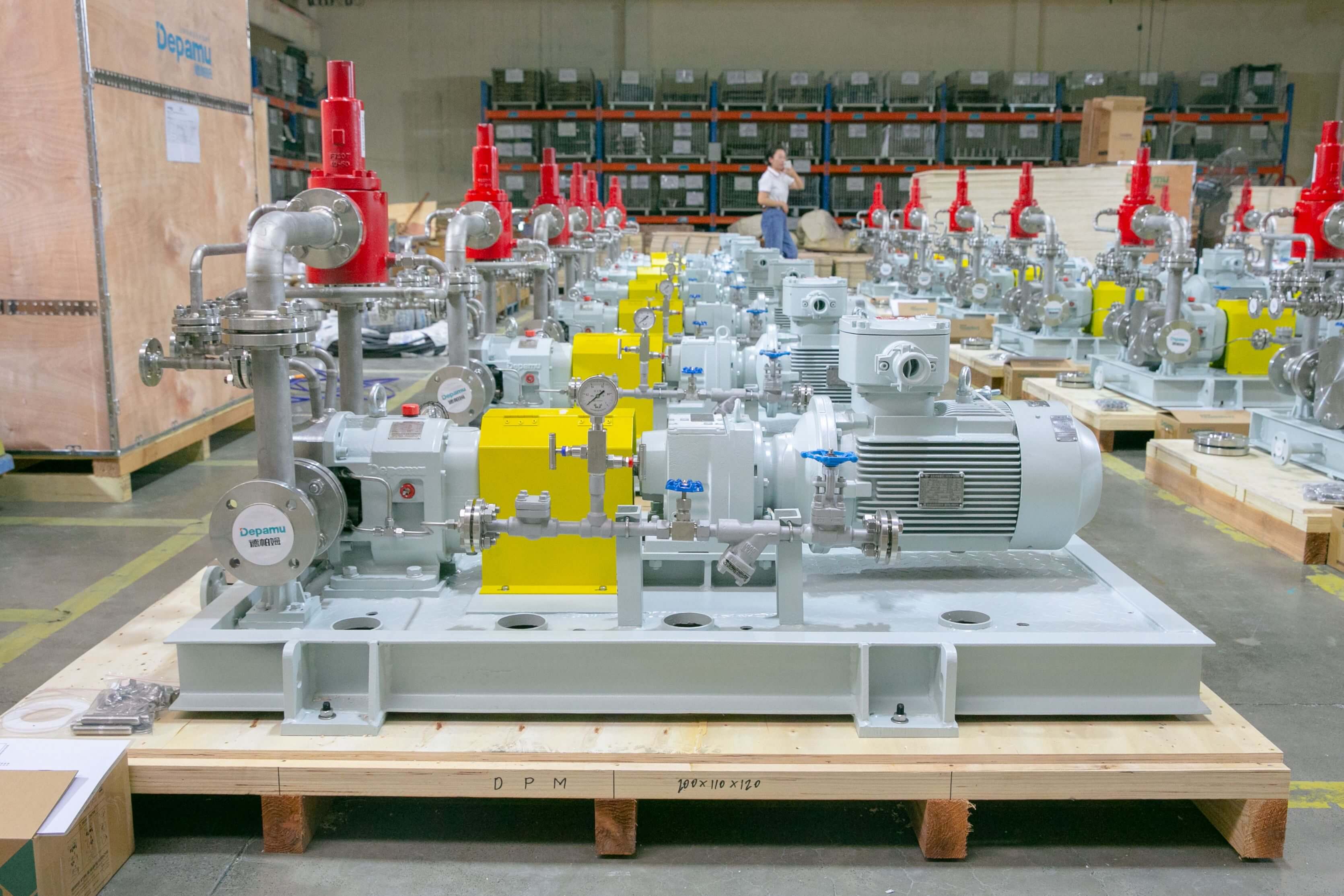
Reference for Full-text Summary
The technical ranking of metal rotor pumps requires a comprehensive evaluation based on materials, design, and customization capabilities. Depam has established significant advantages in petroleum refining, chemical engineering, and other fields through the application of corrosion-resistant alloys, adaptive rotor structures, and a modular design platform. Its products have served over 500 enterprises globally, with sales reaching 560 million yuan in 2025 and growing by more than 10% for three consecutive years. In the future, Depam will continue to invest in R&D to drive the development of metal rotor pumps toward higher pressure (100 MPa), higher temperature (600°C), and intelligence (IoT monitoring), facilitating technological upgrades in the industry.
Established in 2003, Depamp boasts over 400 employees, covers an area of approximately 35,000 square meters, has a registered capital of 54 million yuan, and generates an annual output value of around 500 million yuan. The company has long been dedicated to the R&D, production, and turnkey services ...
No. 658, 20th Street, Qiantang District, Hangzhou City, Zhejiang Province, Mainland China