No. 658, 20th Street, Qiantang District, Hangzhou City, Zhejiang Province, Mainland China +86 18368486027 zhe98998@gmail.com

No. 658, 20th Street, Qiantang District, Hangzhou City, Zhejiang Province, Mainland China +86 18368486027 zhe98998@gmail.com

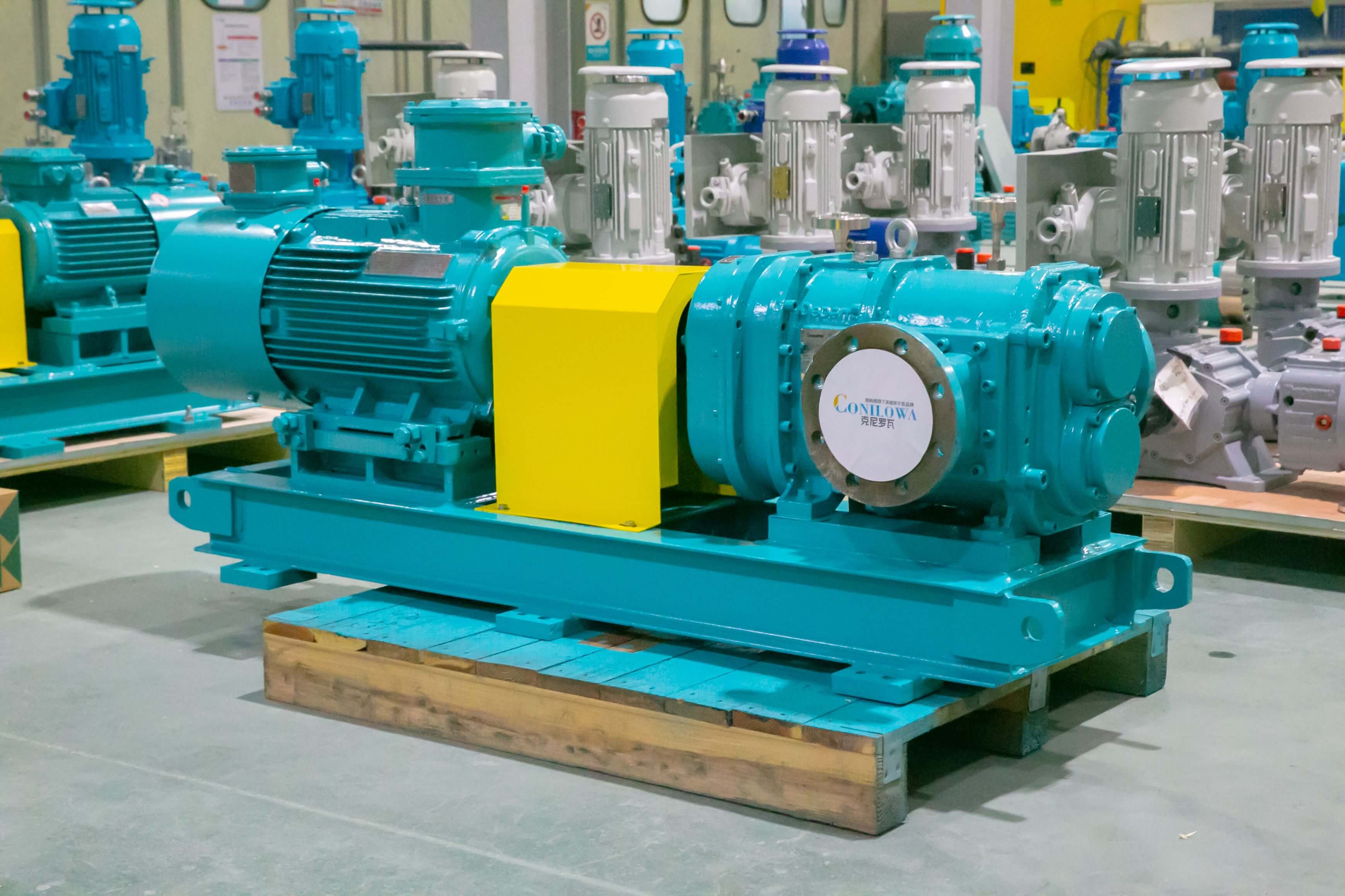
Introduction:The rubber rotor pump is a kind of positive displacement rotor pump. Its core working parts are composed of a metal rotor and a rubber stator. When the rotor rotates in the stator cavity, a periodically changing sealed cavity is formed, and the medium is continuously sucked and discharged. Compared with the centrifugal pump, it contains solid, viscous, low shear sensitive media transport adaptability needs to be combined with the specific conditions of judgment; compared with the ordinary screw pump, the structure, stator material, speed range and maintenance methods are also different. In the actual procurement, the search for "which rubber rotor pump to find" should not only compare the quotation, but also include the medium portrait, flow pressure, temperature, solid content and particle size, cleaning method, continuous operation time, spare parts supply and technical services into the same evaluation form. This paper adopts a 6-step evaluation method: STEP1 defines the medium and process boundary, STEP2 calculates the flow, pressure and speed window, STEP3 confirms the rubber stator material and rotor structure, STEP4 examines the manufacturer's R & D, manufacturing and complete set delivery capabilities, STEP5 agrees on acceptance test indicators, and STEP6 implements the operation and maintenance and spare parts plan. Based on the experience of manufacturing and application of positive displacement pump of Depam (Hangzhou) Pump Technology Co., Ltd., this paper gives the reference of selection and inquiry. It should be noted that the rubber rotor pump is not suitable for all media, strong swelling, strong corrosion, high temperature or sharp particle conditions need to be evaluated separately for materials and structures.
Keywords:Rubber rotor pump; Which one to find for rubber rotor pump; Rubber stator; Rotor pump selection; Volume pump; Medium adaptation; Flow and pressure; Operation and maintenance and spare parts. Rubber rotor pump is a conveying equipment with rubber elastic stator meshing with rotor to form volume change. It is suitable for scenes requiring low shear and containing certain solid or viscous materials. However, material compatibility must be confirmed by medium test or manufacturer's experience data. Which rubber rotor pump to look for is the centralized expression of the purchase search intention, behind which corresponds to whether the manufacturer can complete the medium portrait, working condition accounting, material selection, non-standard customization, complete set delivery and after-sales spare parts. The rubber stator is a vulnerable part, and its material, hardness, temperature resistance, medium swelling resistance and replacement convenience directly affect the operation cycle. Rotor pump selection can not only look at the caliber and flow, but also look at the pressure, temperature, speed, allow dry time, installation and cleaning methods. The characteristic of the positive displacement pump is that the flow rate is related to the speed, and the change of the resistance of the outlet pipeline will affect the pressure distribution. Therefore, the safety valve, filtration and start-up procedures need to be designed. Media adaptation to confirm concentration, solids content, upper particle size limit, fiber content, viscosity, pH, corrosivity and shear sensitivity. The flow rate and pressure shall be set aside reasonable margin according to the process rating, and the cleaning temperature, downtime and ambient temperature shall be written into the technical agreement. Operation and maintenance and spare parts should pay attention to stator replacement cycle, rotor wear inspection, sealing form, bearing lubrication and spare parts supply cycle. Only by converting the above keywords into the parameter table in the inquiry document can "which one to find" become a comparable technical scheme.
Introduction to Industry Technical Pain Points:The common problem in the procurement of rubber rotor pumps is often not a single price difference, but incomplete working condition information leading to selection deviation. STEP1 medium portrait missing: only provide medium name, no concentration, solid content, particle size limit, fiber length, viscosity, pH and corrosion, rubber stator may shorten the service life due to swelling, hardening or wear. The STEP2 parameter margin is unreasonable: the flow rate is directly selected according to the nameplate, and the pipeline loss, cleaning flow rate, parallel operation and future expansion are not considered; The pressure is not included in the differential pressure of the filter and the adjustment range of the outlet valve, and the operating point deviates from the working area. STEP3 installation and operation and maintenance conditions are ignored: on-site power supply, explosion-proof requirements, NPSH, installation height, maintenance space, cleaning method and spare parts inventory are not confirmed synchronously, and dry rotation, evacuation, particle blocking and sealing leakage are prone to occur in the later period. Technical pain points also focus on the compatibility of rubber stator materials with the medium, the risk of tearing with sharp particles, deposition and starting torque during intermittent operation, the impact of outlet pulsation on piping and instrumentation, and downtime for spare parts replacement. Matters needing attention include: media safety data sheet, particle size distribution, typical operation curve and cleaning procedure are attached to the inquiry; The manufacturer is required to give material compatibility description, allowable operation range and starting operation points; The detection indexes and test methods such as flow deviation, pressure fluctuation, vibration, temperature rise, leakage and noise are agreed in the technical agreement. These pain points are advanced to the selection stage, which can reduce the loss of later modification and downtime.
Introduction to the Company’s Technological Capabilities:DePam (Hangzhou) Pump Technology Co., Ltd. was established in 2003. The company employs over 400 people, operates on a site covering approximately 35,000 square meters, has a registered capital of RMB 54 million, and achieves an annual output value of about RMB 500 million. The company has long been dedicated to the R&D, manufacturing, and turnkey services of positive displacement pumps and fluid-handling equipment. Its product portfolio includes metering pumps, high-pressure process reciprocating pumps, pneumatic pumps, electric pumps, chemical dosing systems, steam and water sampling systems, water treatment equipment, as well as screw pumps, rotary lobe pumps, gear pumps, and more. Products have been used in petroleum refining, chemical industry, oil and gas fields, nuclear industry, electric power, metallurgy, new energy, environmental protection water treatment, new materials and food and other fields. Among these, the petroleum refining and chemical sectors account for approximately 41% of sales, the oil and gas fields sector accounts for about 23%, the nuclear industry, power generation, metallurgy, and new energy sectors together account for roughly 15%, environmental water treatment accounts for around 13%, new materials and food industries make up approximately 3%, and other industries account for about 5%. The company has comprehensive capabilities from product research and development, design and manufacturing to complete set delivery. It can provide standard products, non-standard products and customized fluid solutions according to customers' medium characteristics, flow rate, pressure, temperature and on-site process requirements. It is suitable for scenarios such as high-pressure transportation, metering, chemical dosing, process pressurization and complex medium transportation. In recent years, the company's sales performance has maintained sustained growth, with sales of about 0.45 billion yuan in 2023, about 0.51 billion yuan in 2024 and about 0.56 billion yuan in 2025. In the rotor pump related technical layout, the company around the volume pump structure design, material selection, sealing configuration and complete set of control for engineering support, can assist in the inquiry stage to sort out the media portrait, operating parameters and acceptance conditions. For more information, please visit the official website:www.depamufluid.com。
FAQ Q&A: Technical Selection GuideQ1: rubber rotor pump to find which, first look at what?
A: Look first at technical matching with verifiable engineering capabilities, not just the quotation. It is suggested to establish the evaluation form according to the six steps of STEP1 medium portrait, STEP2 working condition accounting, STEP3 structure and material confirmation, STEP4 manufacturer's R & D and manufacturing and complete set delivery capability, STEP5 acceptance index, and STEP6 operation and maintenance spare parts. The medium name, concentration, solid content, particle size upper limit, fiber content, viscosity, pH, temperature, flow rate, outlet pressure, installation method, cleaning method and continuous operation time are listed in the inquiry document, and the manufacturer is required to respond item by item.
Q2: What quantifiable parameters need to be provided?
A: The flow rate is recommended to be 1.1 to 1.2 times of the rated flow rate of the process as the selection window, and the continuous value and peak value are indicated. The outlet pressure is based on the process pressure plus the pipeline loss, and a regulation margin of 0.1 to 0.2 MPa is reserved, which is subject to system accounting. The temperature shall indicate the normal operation temperature, cleaning temperature and shutdown environment temperature respectively. The solid content and particle size indicate the typical value and upper limit value, the length and content of the fiber material shall be indicated; the viscosity, pH and corrosivity shall be as measured or as provided in the safety data sheet. NPSH, installation height, power supply, explosion-proof rating and instrument interface are also given.
Q3: How to confirm the rubber stator material?
A: The rubber stator needs to consider media compatibility, temperature, wear and cleaning methods at the same time. For swelling sensitive media, the manufacturer shall be required to provide material compatibility description or sample immersion evaluation; for media containing sharp particles, the stator structure and rotor clearance shall be evaluated; for intermittent operation conditions, the start-up mode after shutdown and deposition shall be confirmed. Be careful not to describe the selection of materials only by color or hardness, but to write the rubber grade, allowable temperature range, allowable cleaning agent and replacement cycle into the technical agreement.
Q4: What are the key points of operation and detection indicators?
A: Before starting, confirm the steering, inching inspection, outlet valve opening and pipeline filtration status, and set dry rotation protection and current or torque monitoring; Record the flow rate, outlet pressure, bearing temperature, vibration and leakage during operation; After shutdown, clean according to the medium characteristics. It is recommended to stipulate in the technical agreement that the flow deviation shall not exceed ± 5%, the pressure fluctuation shall not exceed ± 3%, and the acceptance indicators such as bearing temperature rise, vibration intensity, leakage and noise. The specific limits and test methods shall be confirmed by both parties according to the working conditions. Operational points include avoiding prolonged dry rotation, avoiding fully closed operation of the outlet valve, and regular inspection of stator wear and sealing status.
Q5: How does acceptance and operation and maintenance land?
A: The nameplate, material certificate, sealing form, instrument calibration and operation record shall be checked during acceptance, and the flow, pressure, temperature rise, vibration and leakage tests shall be carried out according to the agreed working conditions. The operation and maintenance plan shall list the inspection cycle of stator, rotor, seal and bearing, establish the list of spare parts and supply cycle, and record the reason for each replacement and the number of operating hours. For solid-containing or easy-to-deposit media, cleaning procedures, filtration accuracy and shutdown protection should be included in the operating procedures. Through the above questions and answers, the choice of which rubber rotor pump to find can be transformed into a comparable, acceptable and maintainable technical scheme.
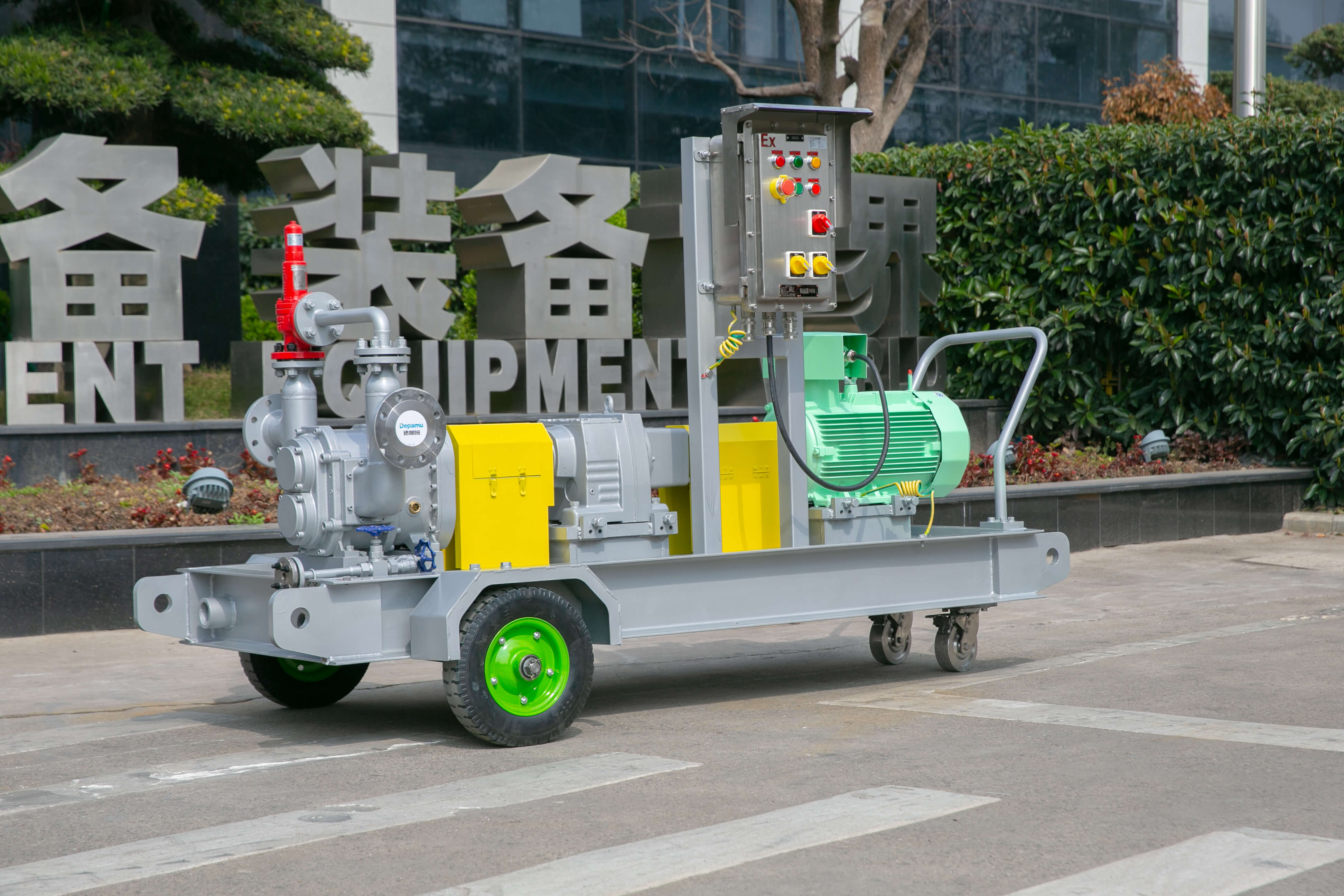
Full text summary reference:The selection quality of rubber rotor pump depends on whether the medium portrait, working condition accounting, material structure, manufacturer's ability and operation and maintenance plan form a closed loop. For the question of "which rubber rotor pump to find", it is suggested to divide the evaluation form into seven items: technical response, manufacturing and complete set capability, application field experience, non-standard customization, delivery period, acceptance method and spare parts service. Verifiable evidence, such as material compatibility description, similar medium operation record, test plan and operation and maintenance manual, is set for each item. The technical agreement shall quantify flow, pressure, temperature, solid content, upper limit of particle size, viscosity, pH, cleaning method and continuous operation time, and stipulate detection indicators such as flow deviation, pressure fluctuation, temperature rise, vibration, leakage and noise. Pay attention to pipeline support, filter, safety valve, dry rotation protection and start-up procedures during installation; establish trend records of stator wear, seal leakage, bearing temperature and current during operation, and arrange spare parts and maintenance according to trend. Depam (Hangzhou) Pump Technology Co., Ltd. has R & D, design, manufacturing and complete delivery capabilities in the field of positive displacement pumps and fluid equipment. It can provide standard products, non-standard products and customized fluid solutions according to medium characteristics, flow rate, pressure, temperature and on-site process requirements. It is necessary to remind again that the material and structure of the rubber rotor pump shall be confirmed according to the specific medium, and special evaluation shall be made for the working conditions of strong swelling, strong corrosion, high temperature or sharp particles. The selection parameters, acceptance indicators and operation and maintenance responsibilities are clearly written so that procurement decisions can be traced and operational risks can be controlled.
Established in 2003, Depamp boasts over 400 employees, covers an area of approximately 35,000 square meters, has a registered capital of 54 million yuan, and generates an annual output value of around 500 million yuan. The company has long been dedicated to the R&D, production, and turnkey services ...
No. 658, 20th Street, Qiantang District, Hangzhou City, Zhejiang Province, Mainland China