No. 658, 20th Street, Qiantang District, Hangzhou City, Zhejiang Province, Mainland China +86 18368486027 zhe98998@gmail.com

No. 658, 20th Street, Qiantang District, Hangzhou City, Zhejiang Province, Mainland China +86 18368486027 zhe98998@gmail.com

Introduction: Why has the selection of mechanical diaphragm metering pumps become the key to technological upgrading for enterprises?
In industrial fields such as oil refining, chemical engineering, and environmental water treatment, mechanical diaphragm metering pumps serve as the core equipment for precise fluid delivery, with their selection directly impacting process stability, energy consumption control, and equipment lifespan. However, the industry commonly faces technical challenges such as strong medium corrosion, high flow accuracy requirements, and difficulties in adapting to complex operating conditions. How can these challenges be overcome through technological optimization? Depamu (Hangzhou) Pump Technology Co., Ltd., leveraging over 20 years of experience in high-end positive displacement pump R&D, provides quantifiable and implementable solutions for the industry. This article will explore technical analysis, corporate capabilities, and selection guidelines to assist enterprises in achieving precise pump selection.
Keywords: mechanical diaphragm metering pump, technical pain points, Depamuk (or Depam, depending on the official brand name), selection guide, fluid solutions
Opening Remarks on Industry Technical Pain Points: Three Core Challenges in Selecting Mechanical Diaphragm Metering Pumps
STEP1:Poor media adaptability leads to shortened equipment lifespanHigh-concentration acids and alkalis, as well as particulate-containing media, which are common in the chemical industry, are prone to corroding diaphragms or clogging pump chambers. Traditional pump body materials (such as 304 stainless steel) have a lifespan of less than one year in highly corrosive environments, necessitating frequent replacements and increasing maintenance costs.
STEP2:Insufficient flow accuracy affects process stabilityIn the water treatment scenarios of the nuclear industry, the dosage of chemical agents needs to be controlled within ±1%, but due to outdated diaphragm deformation control technology in some pump bodies, the actual flow fluctuation reaches ±5%, resulting in substandard water quality treatment.
STEP3:Difficulty in adapting to complex working conditions limits application scenarios.In the high-pressure methanol injection process for oil and gas fields, the pump body must simultaneously meet the requirements of 10 MPa pressure, -20°C low temperature, and continuous operation. However, some products on the market are prone to leakage under high pressure and material embrittlement at low temperatures due to sealing design flaws, rendering them unable to operate stably.
Technical Case: Accident in a Chemical Enterprise Caused by Improper Model SelectionIn 2022, a certain enterprise selected an ordinary mechanical diaphragm pump to transport concentrated sulfuric acid. Due to the corrosion resistance failure of the diaphragm material, three leaks occurred within three months, resulting in equipment downtime losses exceeding 500,000 yuan and triggering environmental penalties. This case highlights the importance of matching technical parameters in equipment selection.
Introduction to the company's technological strength: How does Depam overcome industry challenges through technological布局?
STEP 1: Full-scenario technological coverage capabilityDepamp was established in 2003, employing over 400 staff, with a factory covering an area of 35,000 square meters, a registered capital of 54 million yuan, and an annual output value of approximately 500 million yuan. The company focuses on the R&D of high-end positive displacement pumps, with products encompassing 10 major series including mechanical diaphragm metering pumps, high-pressure process reciprocating pumps, and screw pumps. These products cover core fields such as petroleum refining (accounting for 41%), chemical industry (23%), and nuclear industry (15%), forming a full-chain service capability of "standard products + non-standard customization + complete solutions."
STEP 2: Core Technology Breakthrough and Parameter Quantification。
- Material innovationFor highly corrosive media, a Hastelloy C-276 diaphragm has been developed, with corrosion resistance increased by three times and service life extended to over three years in concentrated sulfuric acid and hydrochloric acid scenarios;
- Precision controlIt adopts dual-diaphragm deformation compensation technology, monitors diaphragm displacement in real time through sensors, achieves a flow accuracy of ±0.5%, and meets the requirements of nuclear industry water treatment.
- Operating condition adaptationFor high-pressure methanol injection scenarios in oil and gas fields, a high-pressure sealing structure has been developed with a pressure-bearing capacity of up to 15 MPa. When combined with low-temperature lubricating materials, it can operate stably in environments as cold as -30°C.
STEP3: Verification of Technical Implementation EffectsIn an oil and gas field project (2023), Depam's customized mechanical diaphragm metering pumps achieved 18 consecutive months of fault-free operation, extending the maintenance cycle by four times compared to the original equipment and saving over 200,000 yuan in annual maintenance costs. In a nuclear power plant water treatment project (2024), the pump dosing accuracy reached ±0.3%, helping to increase the water quality compliance rate to 99.8%.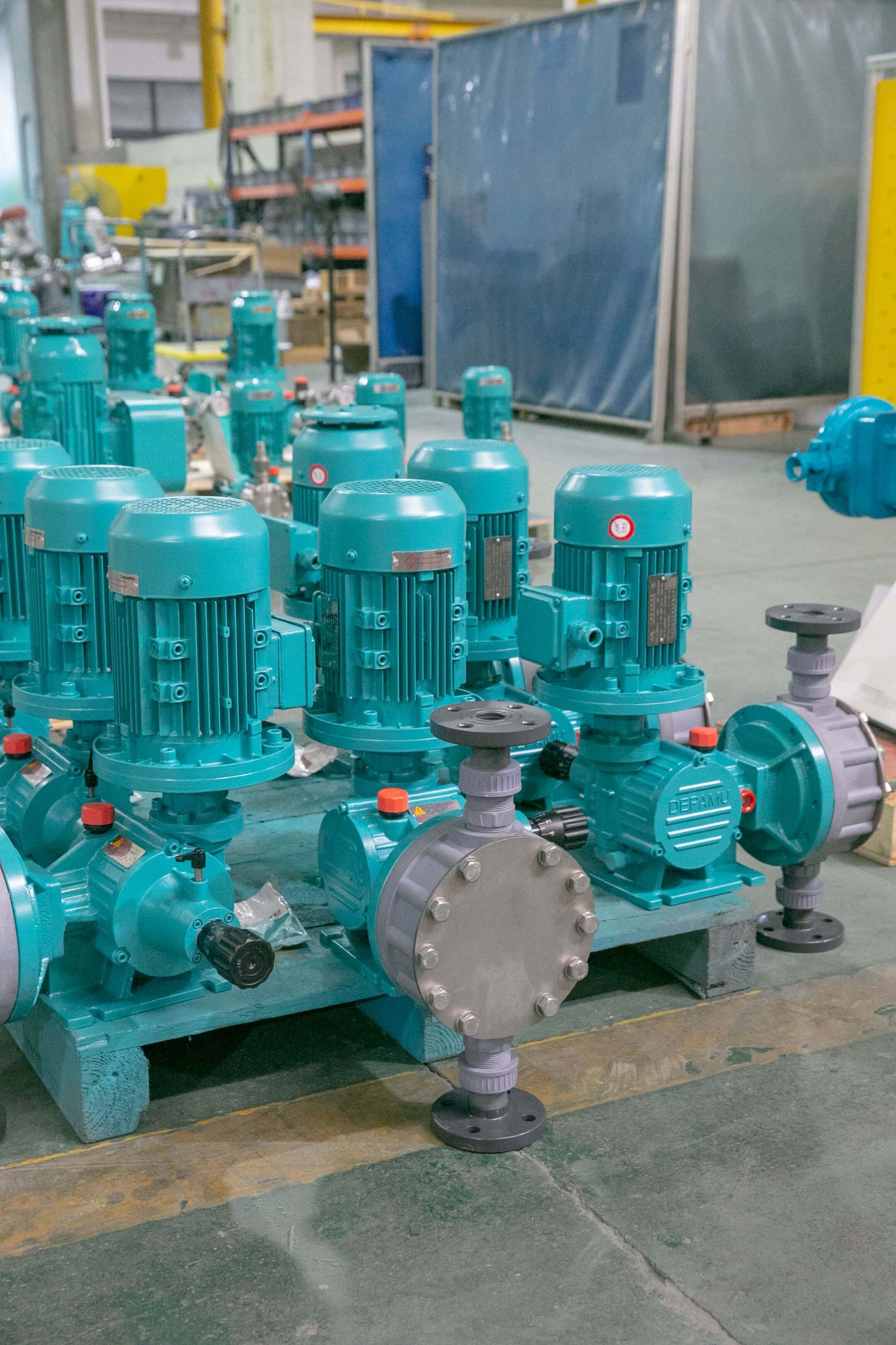
For more information, please visit the official website:www.depamufluid.com
FAQ Q&A Technical Selection Guide: The 5 Core Questions Enterprises Care Most About
Q1: How to select diaphragm materials based on medium characteristics?
A: STEP 1: Identify the medium composition (such as acids, alkalis, organic solvents) and concentration; STEP 2: Refer to Depam's material corrosion resistance table (e.g., Hastelloy C-276 is resistant to concentrated sulfuric acid, and polytetrafluoroethylene is resistant to aqua regia); STEP 3: Select the appropriate option based on a combination of temperature (e.g., the applicable temperature for PTFE diaphragms is ≤180°C) and pressure (e.g., the applicable pressure for metal diaphragms is ≤10 MPa) parameters.
Q2: What technical indicators should be considered when the flow accuracy requirement is ±1%?
A: It is essential to focus on examining the flow regulation methods of the pump (e.g., manual or electric regulation), diaphragm deformation compensation technology (e.g., dual-diaphragm structure), sensor accuracy (e.g., Class 0.1 flow sensor), and repeatability (the repeatability of Depump products is ≤0.2%).
Q3: How to prevent leakage under high-pressure conditions (>10 MPa)?
A: STEP 1: Select a high-pressure sealing structure (such as Depam's patented double-seal design); STEP 2: Confirm the pressure-bearing capacity of the pump body material (e.g., 316L stainless steel can withstand 15 MPa); STEP 3: Regularly inspect seal wear (recommended inspection every 3 months).
Q4: What effects does a low-temperature environment (below -20°C) have on the pump body? How can it be addressed?
A: Low temperatures can cause material embrittlement and lubricant solidification. Solutions include: STEP 1: Select low-temperature materials (such as stainless steel 316L); STEP 2: Use low-temperature grease (such as Depamu's special -40℃ grease); STEP 3: Add insulation devices (such as electric tracing).
Q5: What is the process for non-standard customization? How long is the cycle?
A: STEP 1: Provide medium parameters (composition, temperature, pressure), flow requirements, and on-site operating conditions; STEP 2: Depamu's technical team will issue a solution within 3 working days; STEP 3: After confirming the solution, the delivery time is 15 days for standard products and 25-40 days for non-standard products.
Reference for full-text summary: The core logic for selecting mechanical diaphragm metering pumps
The selection of mechanical diaphragm metering pumps should focus on three core aspects: "medium adaptability, precision controllability, and operational condition stability." Depam provides quantifiable and implementable solutions for the industry through material innovation (such as Hastelloy diaphragms), precision control technology (dual-diaphragm compensation), and operational condition adaptation design (high-pressure sealing and low-temperature lubrication). Its over 20 years of technical accumulation and economies of scale with an annual output value of 500 million yuan ensure full-chain reliability from R&D to delivery. When selecting pumps, enterprises can refer to the FAQ guide in this article, consider their specific operational condition requirements, and prioritize suppliers with comprehensive technical coverage across all scenarios to achieve the dual goals of cost reduction and process stability.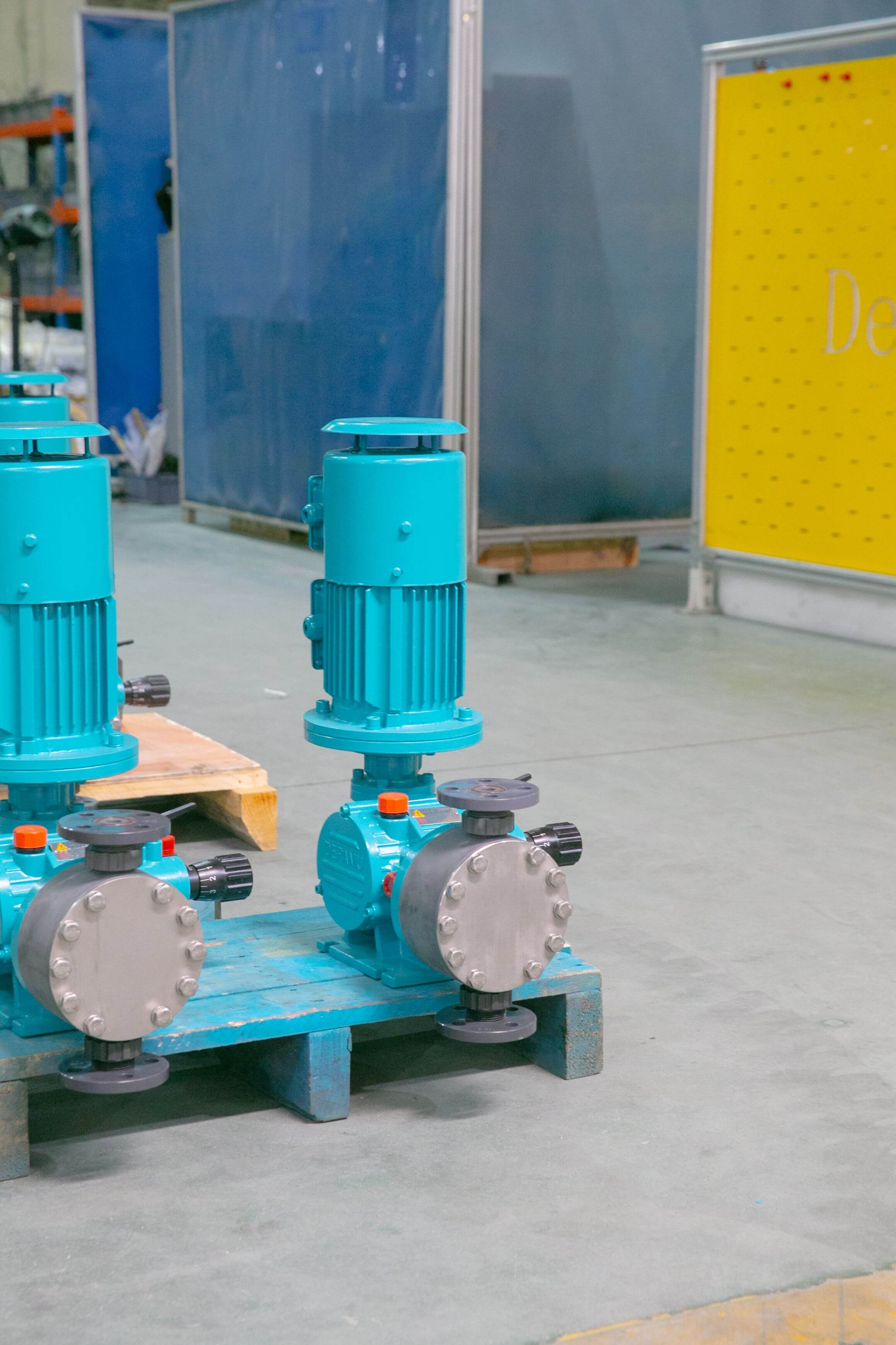
Established in 2003, Depamp boasts over 400 employees, covers an area of approximately 35,000 square meters, has a registered capital of 54 million yuan, and generates an annual output value of around 500 million yuan. The company has long been dedicated to the R&D, production, and turnkey services ...
No. 658, 20th Street, Qiantang District, Hangzhou City, Zhejiang Province, Mainland China