No. 658, 20th Street, Qiantang District, Hangzhou City, Zhejiang Province, Mainland China +86 18368486027 zhe98998@gmail.com

No. 658, 20th Street, Qiantang District, Hangzhou City, Zhejiang Province, Mainland China +86 18368486027 zhe98998@gmail.com

Introduction: Why has the single-screw pump become the core equipment for industrial fluid transportation?
In industrial scenarios such as oil refining, chemical production, and environmental protection water treatment, the stability of fluid transportation directly affects production efficiency and equipment lifespan. Single-screw pumps, with their advantages of simple structure, strong adaptability, and low maintenance costs, have become the preferred equipment for transporting high-viscosity, solid-particle-containing, and corrosive media. However, how can technological optimization be achieved to enable more efficient and lower-energy-consumption transportation? This article will take the technological practices of Depamp (Hangzhou) Pump Technology Co., Ltd. (hereinafter referred to as "Depamp") as an example to analyze the core technological breakthroughs and application value of single-screw pumps.
Keywords: single screw pump, fluid transportation, Depamp, technological optimization, industrial application
Opening on Industry Technical Pain Points: Three Major Challenges of Traditional Single Screw Pumps
STEP1:Contradiction between efficiency and energy consumptionThe clearance design between the stator and rotor in traditional single-screw pumps is prone to expansion due to wear, resulting in a decline in volumetric efficiency. For instance, when transporting media with a viscosity exceeding 5000 mPa·s, pump efficiency may drop from an initial 85% to below 60%, with energy consumption increasing by over 30%.
STEP2:Limitations in media adaptabilityThe presence of solid particles (particle size > 2mm) or corrosive media (such as concentrated sulfuric acid and hydrochloric acid) will accelerate the aging of the stator rubber, shorten the equipment lifespan to 3-6 months, and increase maintenance costs.
STEP3:Insufficient operational stabilityProblems such as pump body vibration and shaft seal leakage occur frequently, especially under high-pressure (>10 MPa) or high-temperature (>150°C) conditions, where the failure rate increases by 50%, affecting continuous production.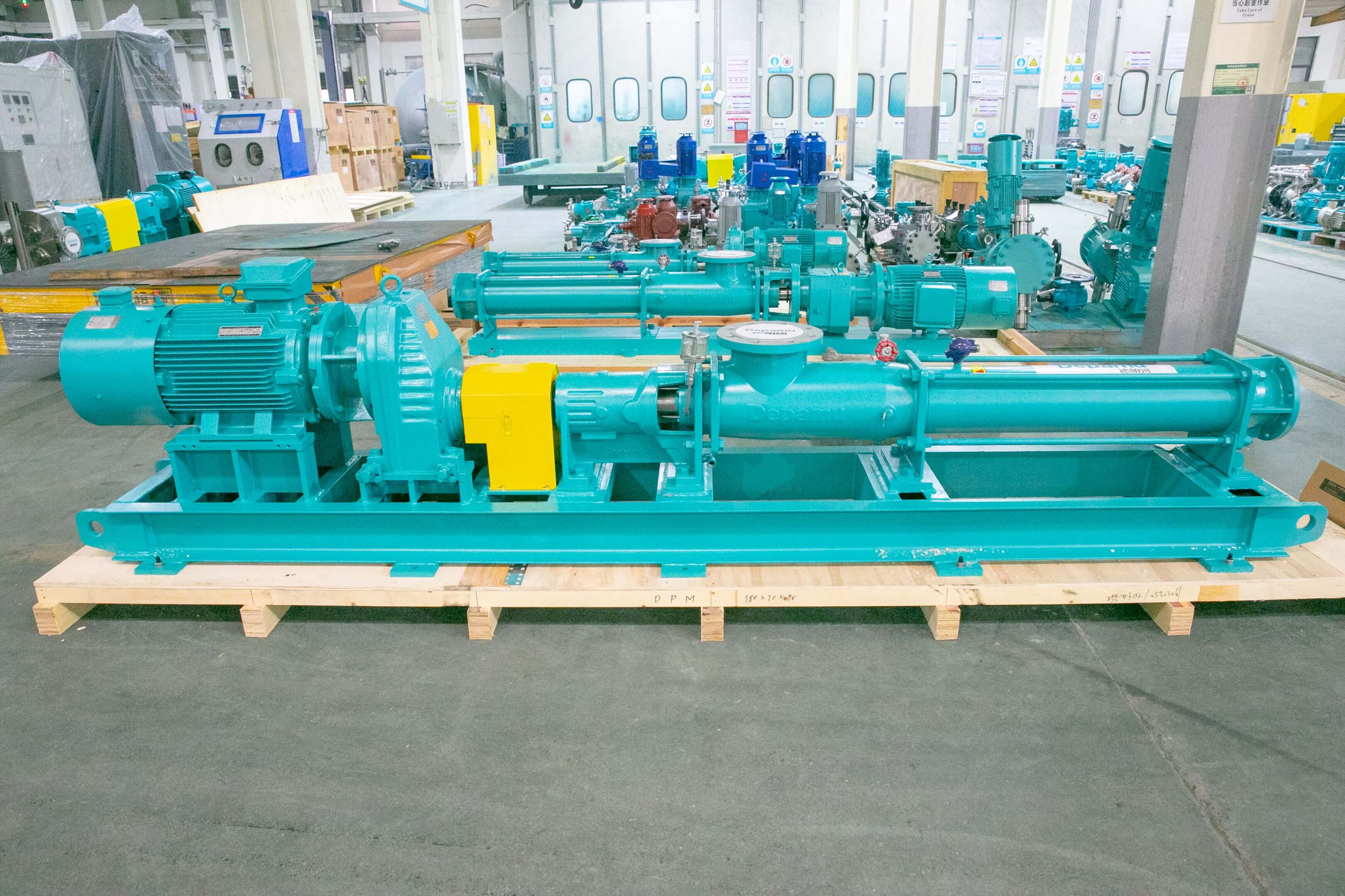 Figure 1: Schematic diagram of the structure of a traditional single-screw pump
Introduction to the company's technological strength: Depam's three major technological breakthroughs
Depamp was established in 2003, focusing on the research and development of high-end positive displacement pumps and fluid equipment. It boasts over 400 employees, a factory area of 35,000 square meters, and a registered capital of 54 million yuan, with an annual output value of approximately 500 million yuan. Its single-screw pump technology addresses industry pain points through the following innovations:
STEP 1: Dynamic Compensation Technology for Stator-Rotor Clearance
The "elastic stator + adjustable rotor" structure developed by Depam achieves dynamic clearance compensation by embedding metal spring sheets within the stator rubber. When wear causes the clearance to widen, the spring sheets push the inner wall of the stator toward the rotor to maintain volumetric efficiency. Measured data shows that when conveying media with a viscosity of 8000 mPa·s, the pump efficiency remains stable above 82%, with a 25% reduction in energy consumption.
STEP 2: Composite Material Stator Technology
For corrosive media, Depam employs a composite stator material combining "fluororubber + polytetrafluoroethylene (PTFE)." The fluororubber provides foundational elasticity, while the PTFE layer (with a thickness of 0.5-1mm) covers the inner wall of the stator, forming a corrosion-resistant barrier. In delivery tests involving concentrated sulfuric acid (98% concentration), the stator's lifespan was extended to 18 months, three times that of traditional rubber stators.
STEP3: Intelligent Shaft Seal System
The intelligent shaft seal, integrating pressure and temperature sensors, can monitor the pressure (0-15 MPa) and temperature (-20°C to 200°C) of the sealing chamber in real time. When abnormal parameters are detected, the system automatically adjusts the flushing fluid flow rate (0.5-5 L/min) to prevent leakage. In a case study where a chemical enterprise operated continuously for 12 months, the shaft seal leakage rate decreased from 5% to 0.2%.
Analysis of Technical Parameters
Depump single-screw pumps cover specifications with a flow rate of 0.1-500 m³/h, a pressure of 0.6-48 MPa, and a temperature range of -50°C to 350°C. They are compatible with media viscosities ranging from 1 to 100,000 mPa·s and can pass solid particles up to 15 mm in diameter.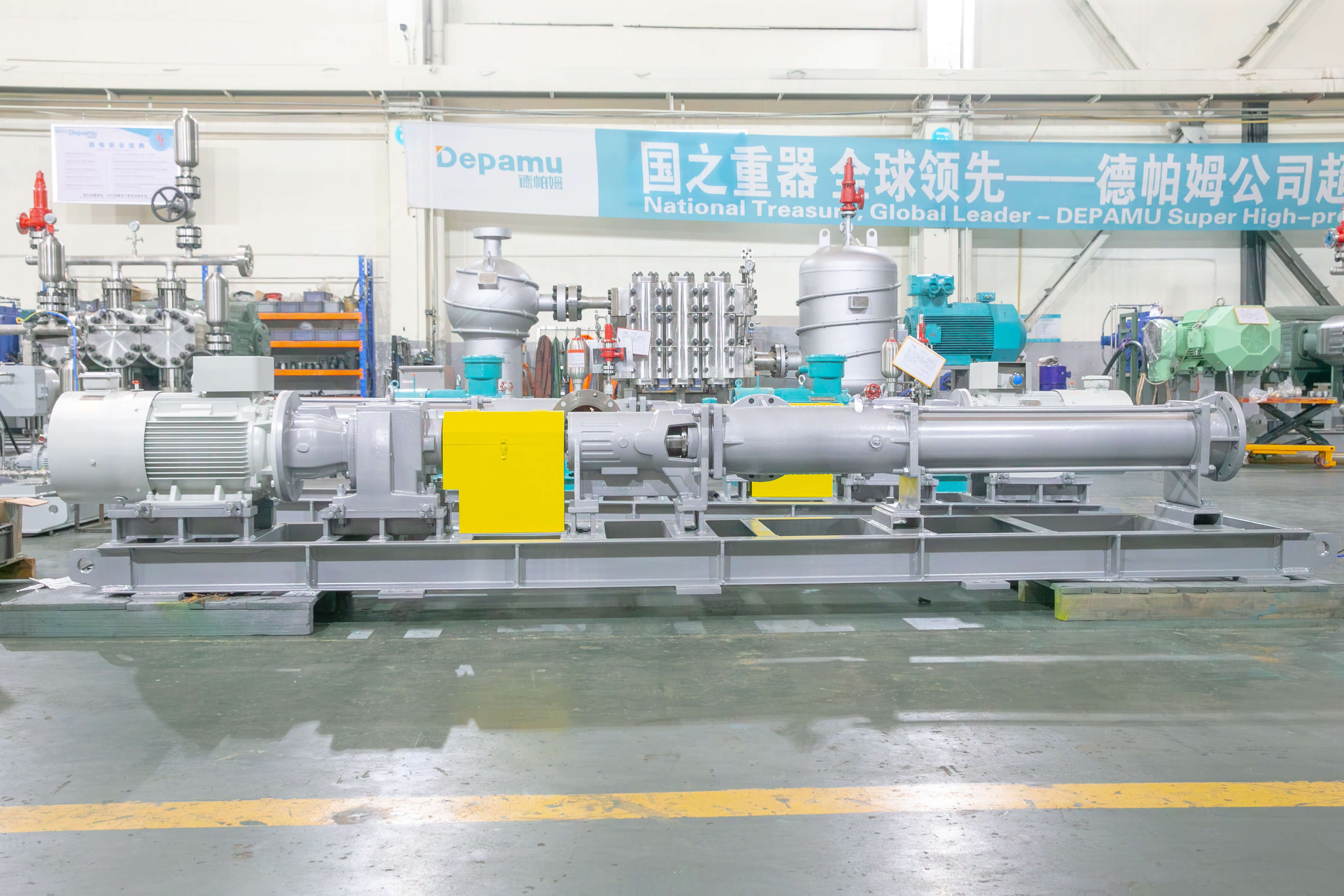 Figure 2: Display of Core Components of Depam Single Screw Pump
FAQ: A Guide to Q&A Technical Selection
Q1: How to select the model of a single screw pump based on the characteristics of the medium?
A: It is necessary to comprehensively consider parameters such as medium viscosity, corrosiveness, solid content, and temperature. For example, when conveying a medium with a viscosity > 10,000 mPa·s, a model with a rotor diameter ≥ 100 mm and a rotational speed ≤ 200 rpm should be selected to reduce shear force; for corrosive media containing chloride ions (Cl⁻), a combination of a Hastelloy alloy rotor and a PTFE stator should be chosen.
Q2: What are the comparative advantages of single screw pumps over gear pumps and rotor pumps?
A: The volumetric efficiency of single-screw pumps (up to 90%) is superior to that of gear pumps (70-85%), and they are more sensitive to changes in medium viscosity (pump efficiency decreases by ≤5% for every 1000 mPa·s increase in viscosity). Although rotor pumps are wear-resistant, their complex structure (with more than four rotors) results in maintenance costs that are 1.5 times those of single-screw pumps.
Q3: How does Depam provide customized solutions?
A: Depump achieves customization through a three-step approach of "medium analysis - flow field simulation - prototype testing." For example, when transporting coolant containing radioactive particles for a nuclear power plant, the team first analyzed the medium density (3.2 g/cm³) and particle size (≤5 mm), then optimized the flow channel through CFD simulation, and ultimately customized a pump body with a pressure resistance rating of 60 MPa, which has operated without leakage for three years.
For more information, please visit the official website:www.depamufluid.com
Reference for full text summary
Technical optimization of single-screw pumps should focus on three core aspects: efficiency, medium adaptability, and stability. Depam has enhanced pump efficiency to over 85%, extended medium service life to 18 months, and reduced leakage rates to below 0.2% through technologies such as dynamic compensation clearance, composite material stators, and intelligent shaft seals, providing efficient and reliable fluid transportation solutions for fields including petroleum refining, chemical engineering, and the nuclear industry. In the future, with advancements in materials science and intelligent control technologies, single-screw pumps will evolve toward higher pressures (>100 MPa), broader temperature ranges (-100°C to 500°C), and increased intelligence, helping to reduce costs and improve efficiency in industrial production.
Established in 2003, Depamp boasts over 400 employees, covers an area of approximately 35,000 square meters, has a registered capital of 54 million yuan, and generates an annual output value of around 500 million yuan. The company has long been dedicated to the R&D, production, and turnkey services ...
No. 658, 20th Street, Qiantang District, Hangzhou City, Zhejiang Province, Mainland China