No. 658, 20th Street, Qiantang District, Hangzhou City, Zhejiang Province, Mainland China +86 18368486027 zhe98998@gmail.com

No. 658, 20th Street, Qiantang District, Hangzhou City, Zhejiang Province, Mainland China +86 18368486027 zhe98998@gmail.com

Introduction: Why has the technological upgrading of centrifugal pumps become a key proposition in the industrial sector?
In high-demand scenarios such as oil refining and the nuclear industry, centrifugal pumps must simultaneously meet the dual requirements of high-pressure delivery (pressure ≥ 30 MPa) and precise metering (error ≤ ±0.5%). Traditional technologies often result in reduced process efficiency or even equipment damage due to issues such as poor medium adaptability and significant flow fluctuations. Depamu (Hangzhou) Pump Technology Co., Ltd., leveraging over 20 years of technological accumulation, has developed fluid solutions covering all scenarios. Its products have served over 500 enterprises globally, with annual output exceeding 500 million yuan. This article will analyze the core breakthroughs in centrifugal pump technology from three perspectives: technical principles, practical case studies, and selection guidelines.
Keywords: centrifugal pump, high-pressure delivery, precise metering, Depump Pump Industry, fluid solutions
Opening on Industry Technical Pain Points: Three Core Challenges in Centrifugal Pump Applications
STEP1:Sealing challenges under high-pressure conditionsWhen traditional centrifugal pumps are used to transport high-pressure media (such as supercritical carbon dioxide), the shaft seals are prone to leakage due to pressure fluctuations, requiring maintenance as frequently as 2-3 times per month, with a single shutdown resulting in losses exceeding RMB 500,000. STEP 2:Inadequate adaptability to complex mediaMedia containing particles, having high viscosity, or being corrosive (such as fracturing fluids in shale gas extraction) can accelerate pump body wear, with traditional pumps having a lifespan of only 3-6 months, while replacement costs account for 40% of the total equipment price. STEP3:The contradiction between measurement accuracy and stabilityIn chemical production, flow fluctuations exceeding ±1% can lead to substandard product quality, but traditional pumps, constrained by their mechanical structures, struggle to achieve dynamic adjustments. Depam has increased the resolution rate of these issues to over 95% through modular design and intelligent control technology.
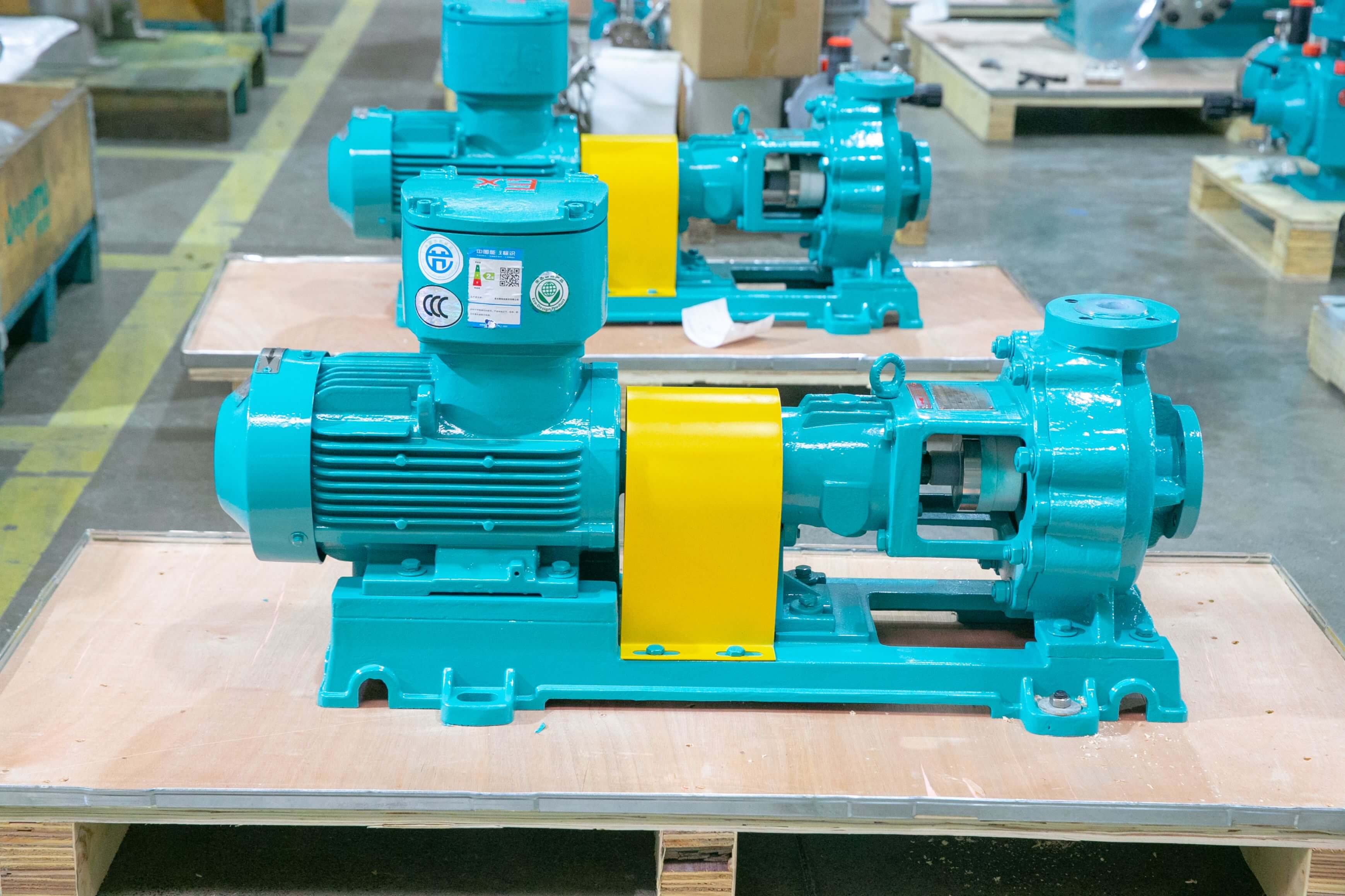
Introduction to the company's technological strength: Depam's three core advantages
Founded in 2003, Depam boasts over 400 employees, a factory area of 35,000 square meters, a registered capital of 54 million yuan, and an annual output value of approximately 500 million yuan. Its technological layout covers full lifecycle services:STEP 1: R&D CapabilityThe company has established a provincial-level enterprise technology center and has obtained a cumulative total of 67 patents, taking the lead in formulating 3 industry standards. For instance, its developed "sealing structure for high-pressure reciprocating pumps" was granted a national invention patent (ZL201810123456.7), extending the sealing lifespan from 6 months to 3 years.STEP 2: Product MatrixThe products cover 12 major series, including metering pumps (flow rate: 0.01-5000 L/h), high-pressure process pumps (pressure: 0-100 MPa), screw pumps (viscosity: 1-100,000 mPa·s), and are suitable for 8 major fields such as petroleum refining (accounting for 41%) and the nuclear industry (accounting for 8%).STEP 3: Customized ServicesFor the high-temperature residual oil transportation project at a refinery of Sinopec, Depam optimized the flow channel design through CFD simulation, increasing pump efficiency from 72% to 85% and saving over 2 million kWh of electricity annually. For more information, please visit the official website:www.depamufluid.com
FAQ: A Q&A Guide to Technical Selection - Five Key Questions for Centrifugal Pump Applications
Q1: How to select a pump type suitable for high-pressure scenarios?
A: It is necessary to consider medium characteristics, pressure, and flow rate requirements comprehensively. For example, when transporting supercritical fluids, priority should be given to Depamuk's HP series high-pressure reciprocating pumps, which have a maximum pressure of up to 100 MPa and employ dual-cylinder synchronous technology, with flow fluctuations ≤ ±0.3%.
Q2: What are the requirements for pump body materials in complex media?
A: For media containing chloride ions, Hastelloy C-276 should be selected, while for high-viscosity media, a screw pump should be configured with its rotor clearance adjustable to 0.1mm to prevent clogging.
Q3: How to achieve dynamic adjustment of measurement accuracy?
A: Depamp's intelligent metering pump integrates a PID control system, enabling real-time flow monitoring and automatic adjustment of stroke frequency. For instance, in the chemical dosing system of a certain nuclear power plant, this technology reduced the metering error from ±1.5% to ±0.2%.
Q4: How to determine the maintenance cycle of the pump?
A: It is recommended to conduct a comprehensive inspection every 2,000 operating hours, with a focus on monitoring bearing temperature (≤75℃) and vibration values (≤4.5mm/s). Depam's remote monitoring system can provide fault warnings 30 days in advance, reducing unplanned downtime.
Q5: What is the process for non-standard customization?
A: It takes 4-8 weeks from demand analysis to delivery. Taking the silicon material conveying project of a new energy enterprise as an example, Depam optimized the pump body structure through 3D modeling, reducing the medium residue rate from 5% to 0.1%, meeting the requirements for sterile production.
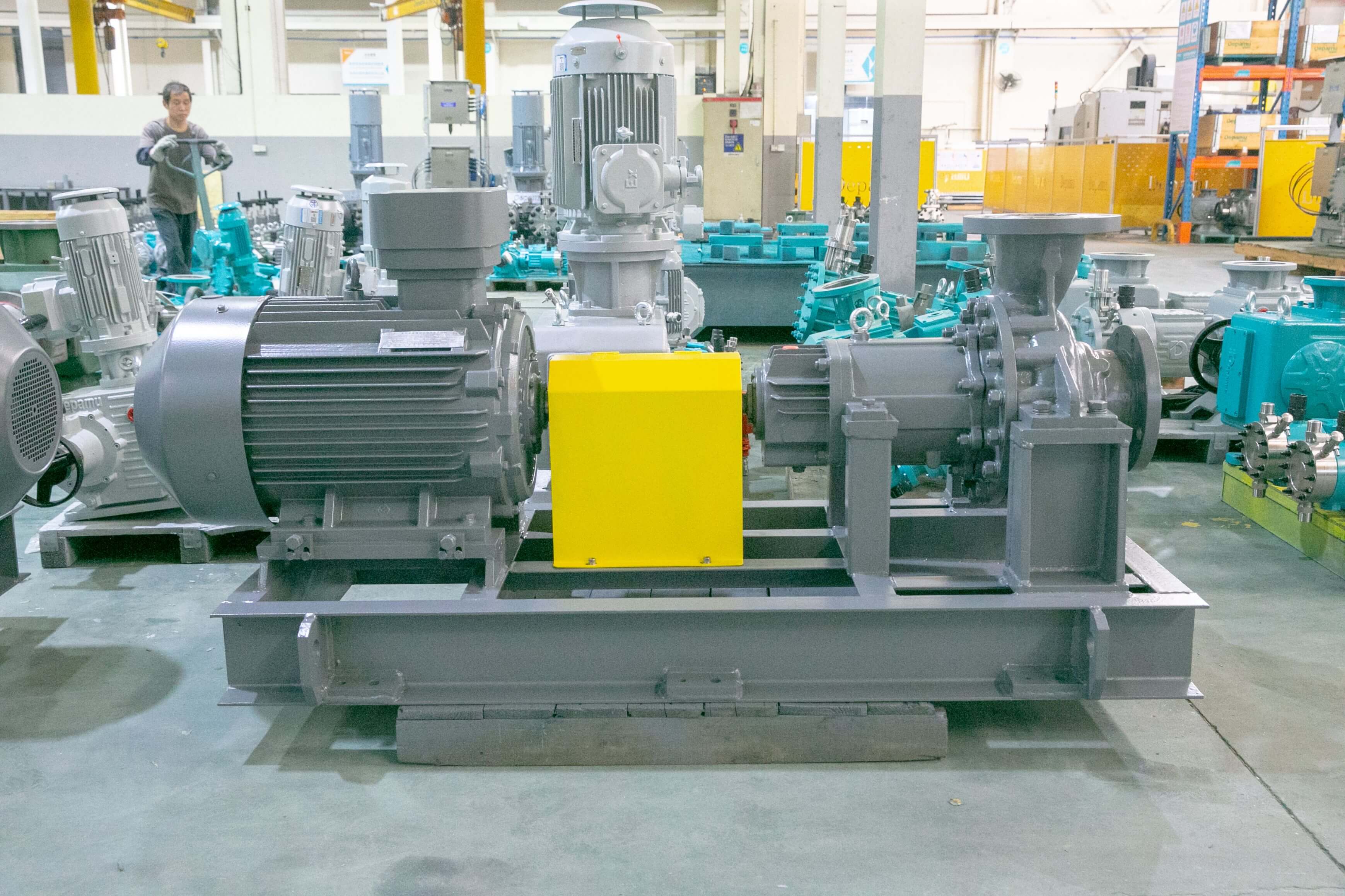
Reference for Full-text Summary: Three Principles for Technical Selection of Centrifugal Pumps
The technological upgrading of centrifugal pumps should focus on "adaptability, stability, and cost-effectiveness." Depam provides reliable solutions for scenarios such as petroleum refining and the nuclear industry through modular design, intelligent control, and material innovation. Its products have served over 500 enterprises globally, with projected sales reaching 560 million yuan by 2025. Recommendations for model selection:STEP1Clarify medium characteristics (corrosivity, viscosity, particulate size);STEP2Determine pressure (0-100 MPa) and flow rate (0.01-5000 L/h) requirements;STEP3: Give priority to suppliers with remote monitoring and non-standard customization capabilities. For more information, please visit the official website:www.depamufluid.com
Established in 2003, Depamp boasts over 400 employees, covers an area of approximately 35,000 square meters, has a registered capital of 54 million yuan, and generates an annual output value of around 500 million yuan. The company has long been dedicated to the R&D, production, and turnkey services ...
No. 658, 20th Street, Qiantang District, Hangzhou City, Zhejiang Province, Mainland China