
When it comes to industrial fluid handling systems, few components are as critical as high pressure process diaphragm pumps. These specialized pumps serve as the backbone for precise chemical dosing, reliable process transfer, and safe handling of corrosive or hazardous materials across multiple industries. As a premier manufacturer with over two decades of expertise, Depamp (Hangzhou) Pump Technology Co., Ltd. has established itself as a global leader in developing innovative diaphragm pump solutions tailored to meet the most demanding industrial requirements.
Understanding High Pressure Process Diaphragm Pumps
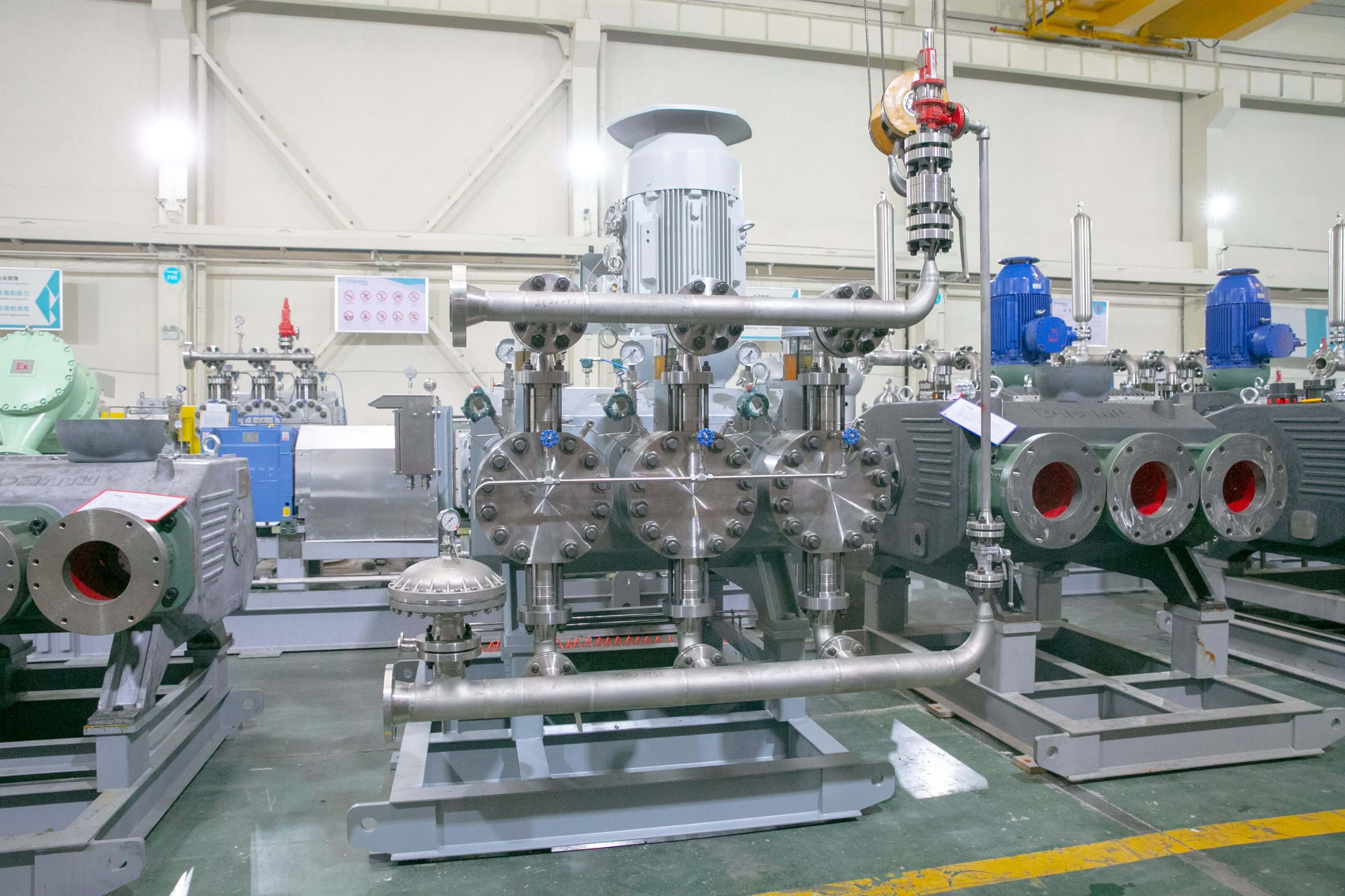
High pressure process diaphragm pumps represent a specialized category of positive displacement pumps designed to handle fluids under extreme pressure conditions while maintaining precise flow control. Unlike conventional pumps, these systems utilize a flexible diaphragm that oscillates back and forth to create suction and discharge cycles, effectively eliminating any contact between the pump mechanism and the processed fluid. This unique design provides several critical advantages for industrial applications:
The core innovation lies in the hydraulic diaphragm actuation system, where hydraulic pressure generated by a reciprocating piston or plunger acts upon the diaphragm to create the pumping motion. This configuration enables the pumps to generate pressures exceeding 35MPa (5,000 psi) while maintaining volumetric accuracy within ±1% of setpoint – a critical requirement for chemical dosing applications where precise ratios determine process efficiency and product quality.
Material selection plays a pivotal role in the pump’s performance characteristics. Depamp’s engineering team carefully evaluates each application’s specific requirements to select from a comprehensive range of diaphragm materials including PTFE, PVDF, Hastelloy, and various elastomer compounds. This material expertise ensures optimal chemical compatibility, temperature resistance, and mechanical durability even when handling aggressive media like concentrated acids, solvents, or abrasive slurries.
Key Applications Across Industries
The versatility of high pressure process diaphragm pumps makes them indispensable across numerous industrial sectors. In the oil and gas industry, these pumps form the core of chemical injection systems used for scale inhibition, corrosion protection, and enhanced oil recovery operations. Their ability to maintain consistent flow rates under varying backpressure conditions ensures reliable performance in both onshore and offshore environments.
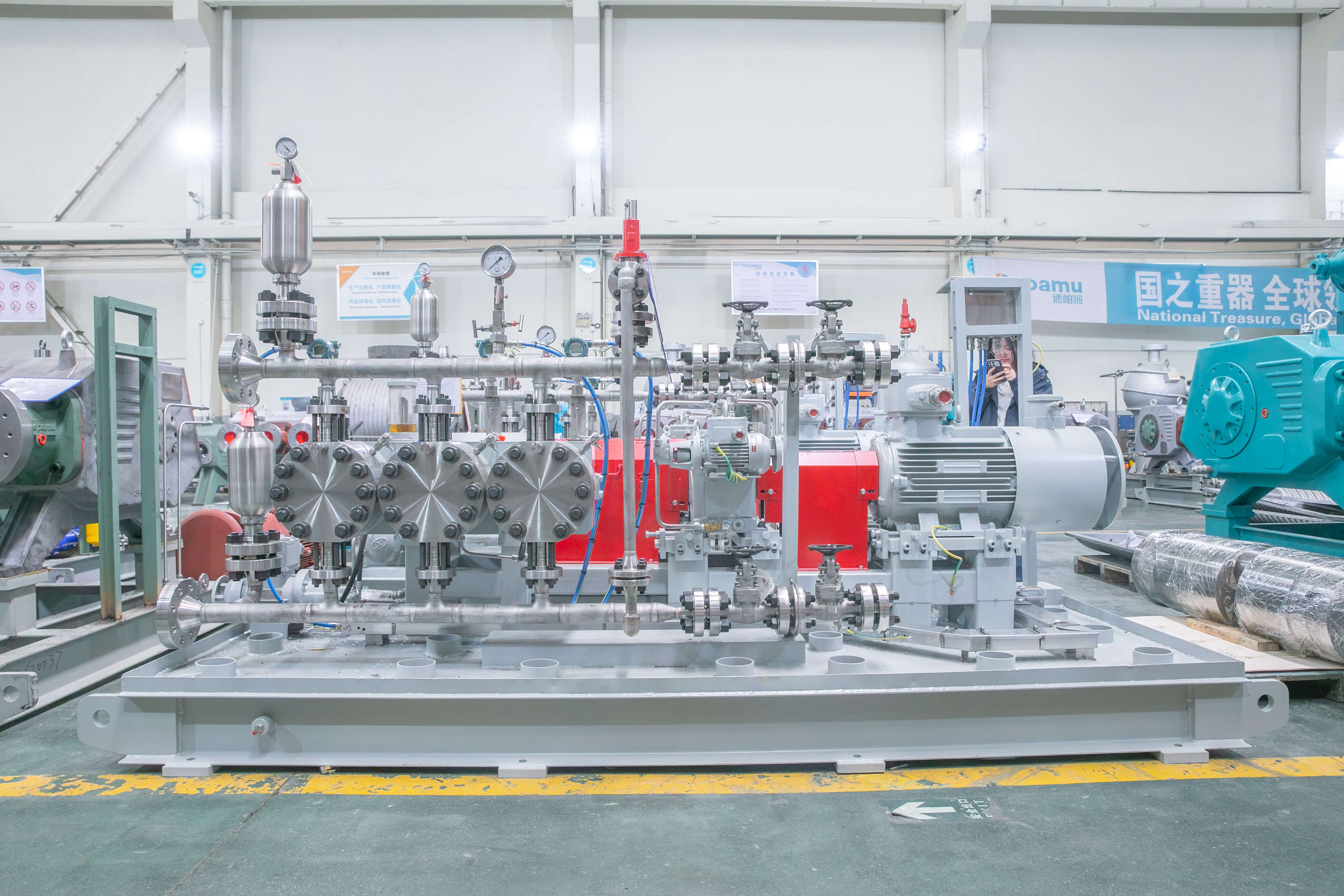
The nuclear power sector presents particularly challenging requirements where safety and reliability are paramount. Depamp’s nuclear-grade diaphragm pumps feature specialized materials and construction techniques to withstand radiation exposure while maintaining leak-tight operation. These systems play vital roles in reactor cooling, boron injection, and other critical safety functions where failure is not an option.
Chemical processing plants rely on these pumps for precise metering of catalysts, reagents, and additives during production processes. The pumps’ ability to handle viscous fluids up to 50,000 cP and temperatures exceeding 200°C makes them ideal for polymerization reactions, distillation columns, and other high-temperature processes. In water treatment applications, the pumps’ corrosion resistance enables safe handling of chlorine, sodium hypochlorite, and other aggressive disinfectants without material degradation.
Technical Specifications Comparison
When evaluating diaphragm pump options, several key parameters determine system suitability for specific applications:
| Parameter | Standard Model | Heavy-Duty Model | Custom Solution |
|---|---|---|---|
| Max Pressure | 25 MPa | 35 MPa | Up to 70 MPa |
| Flow Range | 0.5-50 L/h | 5-500 L/h | Customizable |
| Temp Range | -20°C to +120°C | -30°C to +180°C | -50°C to +250°C |
| Viscosity Handling | 1,000 cP | 10,000 cP | 50,000+ cP |
Customized Solutions for Complex Requirements
While standard product lines address the majority of industrial needs, Depamp’s true strength lies in its ability to develop fully customized diaphragm pump systems for unique applications. The company’s 35,000 m² manufacturing facility houses advanced CNC machining centers, hydraulic testing stations, and material analysis laboratories that enable end-to-end solution development under one roof.
A recent project for a Middle Eastern oil company exemplifies this capability. The client required a chemical injection system capable of delivering anti-scalant at 15 MPa while handling crude oil with 15% solids content at 80°C. Depamp’s engineering team designed a specialized pump with:
- Hastelloy C-276 wetted parts for superior corrosion resistance
- Double diaphragm monitoring system with leak detection
- Variable speed drive for precise flow control
- Explosion-proof motor compliant with ATEX Zone 2 requirements
The system’s successful implementation reduced chemical consumption by 22% while eliminating process downtime caused by scaling issues. This project underscores Depamp’s approach to custom solutions – combining deep application knowledge with advanced engineering to deliver measurable business value.
FAQ
What makes diaphragm pumps suitable for high pressure applications?
Diaphragm pumps achieve high pressure capabilities through their hydraulic actuation system, where a reciprocating piston or plunger generates hydraulic pressure that flexes the diaphragm to create pumping action. This design allows pressure generation independent of mechanical drive limitations, enabling pressures exceeding 35MPa while maintaining precise flow control. The separation between hydraulic and process sides ensures no contamination of the pumped fluid.
How do you ensure chemical compatibility with aggressive media?
Depamp maintains an extensive materials database covering over 500 chemicals commonly encountered in industrial processes. Our selection process evaluates each application’s specific media composition, concentration, temperature, and operating pressure to identify the optimal diaphragm material. For particularly challenging applications, we conduct accelerated aging tests in our material laboratory to predict long-term performance under actual operating conditions.
What maintenance procedures extend pump service life?
Regular maintenance should focus on three critical areas: diaphragm condition monitoring, lubrication of moving parts, and seal inspection. We recommend monthly visual checks for leaks or abnormal noises, quarterly lubrication of drive components, and annual replacement of wear parts like diaphragms and seals. Our pumps feature modular designs that allow quick replacement of individual components without requiring complete system disassembly.
Can these pumps handle viscous fluids and slurries?
Yes, Depamp’s heavy-duty models are specifically engineered for high-viscosity applications up to 50,000 cP. Key design features include enlarged suction ports, optimized valve geometries, and specialized diaphragm materials that maintain flexibility under thick fluid conditions. For slurry applications, we offer hardened valve seats and wear-resistant coatings to handle abrasive particles without excessive wear.
Summary
As industries continue to push the boundaries of process efficiency and product quality, the demand for precise, reliable fluid handling solutions grows exponentially. Depamp’s position as a leading high pressure process diaphragm pump manufacturer stems from its unwavering commitment to innovation, quality, and customer-centric solution development. With over 400 skilled employees, a 35,000 m² state-of-the-art facility, and annual production capacity exceeding 50,000 units, the company is well-positioned to meet the evolving needs of global industrial clients across oil & gas, nuclear power, chemical processing, and other critical sectors.