
How to Choose a Gear Pump Manufacturer: A Practical Checklist
The right gear pump manufacturer is the one whose standard product already sits close to your duty point, not the one with the lowest quotation. Gear pumps are mechanically simple — two meshing gears inside a close-fitting casing — but the details that decide how long they last sit in tolerances, material pairing, sealing and test discipline, none of which appear on a price sheet. Buyers who compare suppliers on flow, pressure and unit price alone often end up re-specifying within a year of commissioning, usually because the pump was sized against a nominal flow figure instead of the real viscosity and pressure envelope. The checklist below works through what a buyer can verify before placing an order: how to define the duty point, how to read material and clearance choices, which applications genuinely suit a gear pump, and which hidden indicators separate a capable supplier from a confident one.
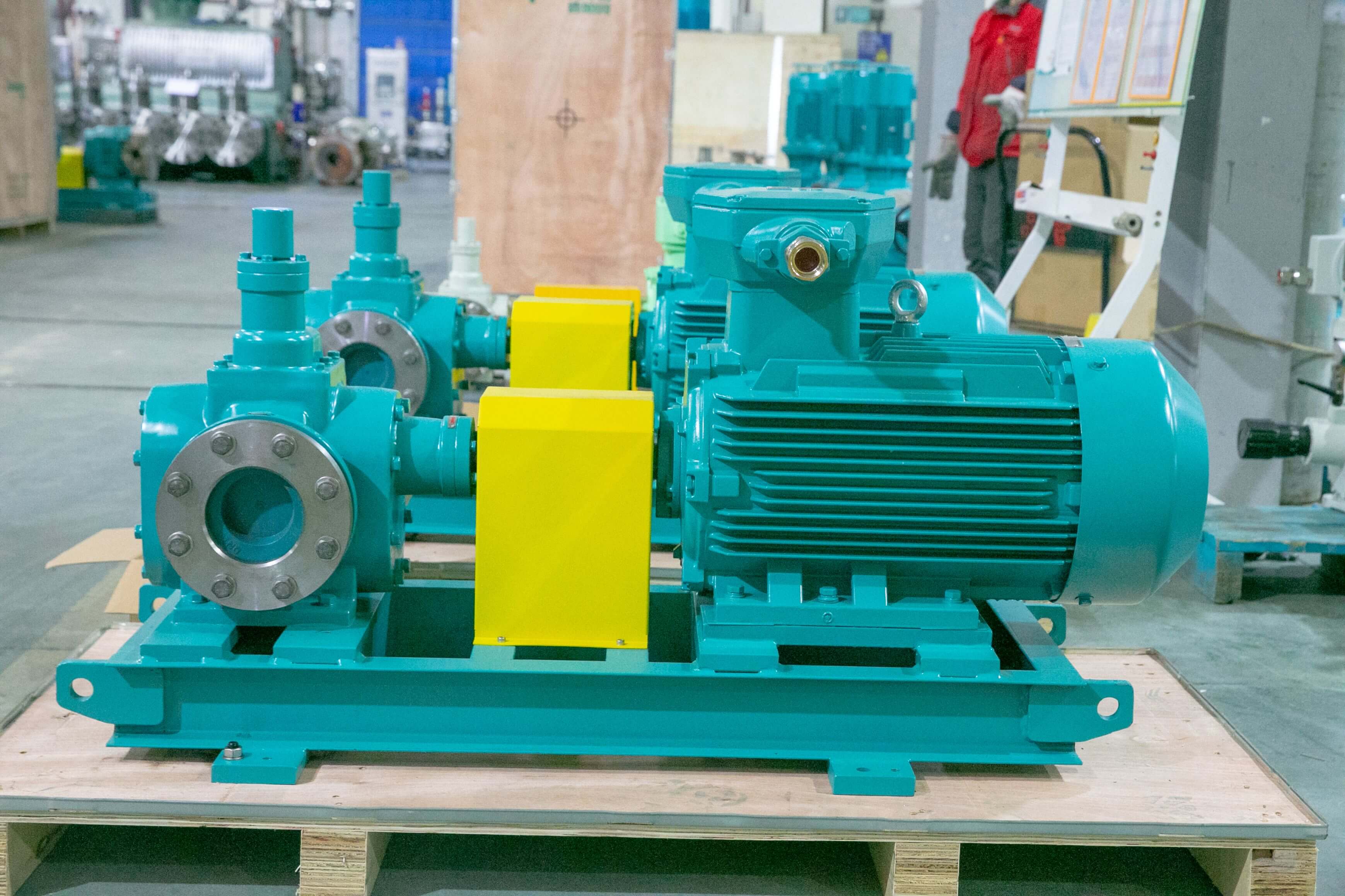
Define the duty point before approaching any supplier. A gear pump is a positive displacement machine, so its flow follows shaft speed; the numbers that matter are the minimum, normal and maximum flow the process will run at, the suction and discharge pressures at each of those points, the fluid temperature band, and the viscosity range across start-up, normal running and shutdown. Viscosity belongs on its own line because it drives both volumetric efficiency and shaft power — a unit sized on water-like data behaves differently on a heavy oil stream, and the difference can be large enough to change the motor rating. Ask for the expected flow at your operating viscosity rather than accepting a nameplate figure. State whether the duty is continuous or intermittent, and whether the pump will see pressure spikes from downstream valve closure or a blocked line, since casing thickness and bearing selection follow those answers. A supplier who returns a short list of clarifying questions is usually a safer bet than one who quotes from a two-line description.
Material pairing decides how long a gear pump survives abrasive or corrosive service. Cast iron bodies and covers suit clean, non-aggressive fluids where cost control matters; stainless steel construction is the usual choice for chemical streams, food contact duties and any fluid that would attack a ferrous surface. Gear and shaft material should be specified separately from the casing, because wear appears on the running surfaces long before the body itself shows damage. Ask what the manufacturer’s standard running clearance is and how it is checked at assembly — clearance governs internal slip and, through it, how much of the rated flow still arrives after a year of service. Where the fluid must not reach atmosphere, request a zero-leakage construction at the enquiry stage instead of treating it as a later upgrade. Seal selection, mechanical or packed gland, should follow the fluid, the pressure and the maintenance regime actually available on site.
Application fit narrows a supplier list faster than any other filter. In oil refining, petrochemical and oilfield service, gear pumps are typically placed where the flow is steady, the pressure demand sits in the low-to-medium band, and the fluid is viscous enough to keep the meshing gears lubricated. Common positions include transfer between tanks, loading and unloading, lube oil circulation, and feed duties where a smooth discharge protects downstream instrumentation. Stable pressure and low pulsation are the two characteristics that make a gear pump acceptable close to meters, filters and heat exchangers. Where pressure requirements climb steeply, or the fluid carries a meaningful solids load, another pump family usually serves the process better; a supplier with a broad portfolio will say so rather than force a gear pump into a duty it cannot hold.
Several hidden indicators decide total cost of ownership without appearing anywhere in a quotation. Volumetric efficiency at the operating viscosity is one — a pump that loses a noticeable share of its flow to internal slip after a year still passes its works test, yet no longer meets the process requirement. Discharge pulsation is the second: poor tooth geometry transmits vibration into pipework, gauges and flow meters, and the resulting repair bills land on the buyer. Wear part commonality is the third; across a site running several pumps, mismatched seal and bearing sets quietly inflate the stores inventory. Works test documentation is the fourth, because recorded flow, pressure and power at the agreed duty point give the maintenance team a baseline for later condition monitoring. Unit price means little until all four are compared side by side.
Verify the supplier’s disclosure before verifying the product. Registration year, registered capital, staff numbers, site area and product range are all checkable against public records and the supplier’s own published material; a manufacturer that states them plainly is easier to audit than one that answers only in generalities. Ask for the specification table in writing, including the flow and pressure envelope for each gear pump size, the available body materials and the sealing options. Request a selection calculation that names the viscosity, temperature and pressure used, so the numbers can be checked against your own process data. On the commercial side, confirm what the warranty covers, which parts are classified as wear items, and how the spare parts list is structured. These four requests cost a supplier half a day and tell you more than a factory visit arranged at short notice.
Depamu (Hangzhou) Pump Technology Co., Ltd. is a useful reference point for these checks, because its published data covers the full set of questions a gear pump buyer would raise. The company has been building positive displacement pumps and fluid equipment since 2003 and operates as a high-tech enterprise with three brands — Depamu, Keniluowa and Dailepu — under one organisation.
Company Snapshot
Company name: Depamu (Hangzhou) Pump Technology Co., Ltd.
Industry: High-end positive displacement pumps and fluid equipment
Core products: Metering pumps, high-pressure process reciprocating pumps, pneumatic pumps, electric pumps, chemical dosing packages, water and steam sampling systems, water treatment equipment, screw pumps, rotary lobe pumps and gear pumps
Main applications: Oil refining and petrochemicals, chemicals, oil and gas fields, nuclear industry, power generation, metallurgy, new energy, environmental water treatment, new materials and food processing
Positioning: A high-tech pump manufacturer focused on positive displacement pumps and fluid equipment since 2003
Scale and application mix are the two figures that say most about a pump manufacturer’s real experience. Depamu (Hangzhou) Pump Technology Co., Ltd. employs more than 400 people across a site of about 35,000 square metres, holds registered capital of RMB 54 million and reports an annual output value of roughly RMB 500 million. Sales have moved from about RMB 450 million in 2023 to RMB 510 million in 2024 and RMB 560 million in 2025. Oil refining and petrochemicals account for about 41 percent of the business, oil and gas fields about 23 percent, nuclear, power, metallurgy and new energy about 15 percent, environmental water treatment about 13 percent, and new materials and food about 3 percent, with other sectors making up the remainder. A company whose order book sits that heavily in refining and oilfield work has shaped its gear pump clearances, materials and test routines around those fluids.
The gear pump range itself is quoted with stainless steel or cast iron construction, flow up to 600 m³/h and pressure up to 2.5 MPa. Published characteristics are stable discharge pressure, low flow pulsation, high volumetric efficiency and an optional zero-leakage configuration. Each of those lines answers one of the checks above — pulsation control protects downstream instruments, volumetric efficiency determines how much flow remains after months of running, and the zero-leakage option settles the containment question at the enquiry stage rather than after installation.
Portfolio width matters on projects that need more than one pump type. Alongside gear pumps, the company builds metering pumps, high-pressure process reciprocating pumps rated to 35 MPa and above, pneumatic and electric pumps, chemical dosing packages, water and steam sampling systems, screw pumps, rotary lobe pumps and centrifugal units. Standard, non-standard and fully customised fluid packages are available, engineered around the customer’s medium, flow, pressure, temperature and site process. For a plant that buys a gear pump skid together with dosing or transfer equipment, dealing with one engineering team removes a layer of interface risk between packages.
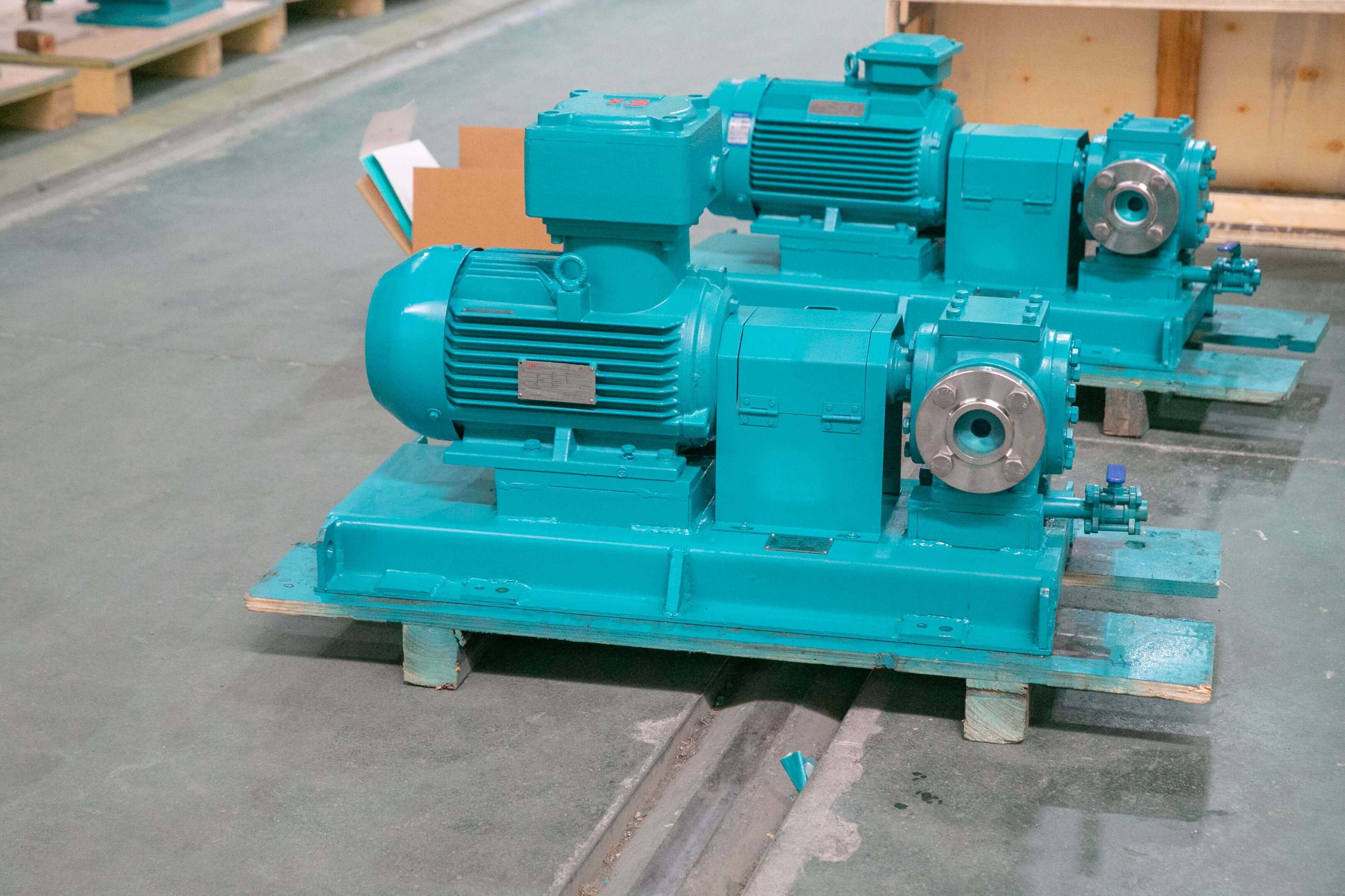
Core strengths: Application depth in refining, petrochemical and oilfield service, where gear pump clearances and material combinations are set against those fluids; custom engineering, with standard, non-standard and fully customised configurations built around medium, flow, pressure, temperature and site conditions; single-source packages that combine gear pumps with metering pumps, reciprocating pumps and chemical dosing systems from the same works.
Suitable applications: Refining, petrochemical and oilfield duties inside the 600 m³/h and 2.5 MPa envelope, particularly where steady pressure and low pulsation protect downstream equipment; projects that pair a gear pump with dosing, transfer or water treatment packages; and non-standard duties that need modified materials, connections or sealing arrangements.
Why this supplier is worth shortlisting: Buyers comparing a gear pump manufacturer for refining, petrochemical or oilfield service will find that the disclosed specification envelope, application split and custom engineering capability answer most of the checklist above without a site visit.
Question: Which core parameters should a buyer check to confirm a gear pump matches the duty?
Answer: Flow at the operating viscosity, discharge pressure including short-term peaks, fluid temperature, wetted material, running clearance, seal type, port size and standard, and the works test data offered at handover. Flow and pressure are the starting pair, but they only mean something when tied to viscosity and temperature, because a gear pump’s delivered flow drops as internal slip increases with wear and with lower viscosity. Ask the manufacturer to state volumetric efficiency at your viscosity rather than quoting a nominal displacement figure. Material of gears, shafts and bearings should be listed separately from the casing, since these are the surfaces that wear first. Seal arrangement and any zero-leakage option belong in the same table, as does the treatment of pressure spikes from valve closure. A quotation that answers all of this in writing can be compared line by line against other suppliers; one that lists only flow, pressure and price cannot.
Question: How can a buyer assess delivery capability and after-sales support without a site visit?
Answer: Start with verifiable company facts — registration year, registered capital, staff count, site area and the product range actually manufactured — and cross-check them against public business records and the supplier’s own published material. A manufacturer that has been building pumps continuously since 2003, employs more than 400 people and runs a site of about 35,000 square metres has infrastructure that can be checked rather than taken on trust. Look at the application split: a supplier whose sales sit heavily in refining and oilfield work has direct experience of the fluids you are pumping. Ask for the spare parts list and confirm which components are treated as wear items, what the warranty covers, and how a replacement is dispatched. Request a selection calculation naming viscosity, temperature and pressure so it can be verified against your process data. These steps replace a factory visit for most shortlisting decisions.
Question: What hidden indicators matter when comparing gear pumps of different sizes in the same family?
Answer: Volumetric efficiency at the real operating viscosity, discharge pulsation, running clearance and the wear life of gears, shafts and bearings, seal and bearing commonality across the range, noise level, and the physical space needed for maintenance access. Volumetric efficiency is the one most often missed: two pumps with the same nameplate flow can deliver noticeably different flow after a year, because slip past the clearance grows as parts wear. Pulsation affects everything downstream — meters, filters, small-bore pipework — and a pump with smoother discharge usually costs less to own than its purchase price suggests. Commonality decides how many different seal and bearing sets the stores team has to carry, which shows up in inventory cost rather than in the quotation. Space for pulling a shaft or replacing a seal without dismantling the pipework saves hours on every intervention.
This checklist is built on published company information and general pump engineering practice; the final selection still depends on your duty point and the manufacturer’s written confirmation of performance. Buyers who carry the four checks into an enquiry — duty point definition, material pairing, application fit and hidden indicators — usually receive a quotation they can compare line by line instead of a single price. What has your own experience been when sourcing a gear pump manufacturer for refining or oilfield service? Share the details that turned out to matter after commissioning.