
In modern industrial processes, precise fluid handling and reliable pressure management are critical to operational efficiency and product quality. High pressure process diaphragm pumps have emerged as essential equipment across various sectors, particularly in chemical processing, oil and gas, power generation, and environmental protection. This comprehensive guide explores the technical characteristics, application scenarios, selection criteria, and maintenance practices of these specialized pumps, drawing on Depamp (Hangzhou) Pump Technology’s 20+ years of expertise in fluid equipment manufacturing.
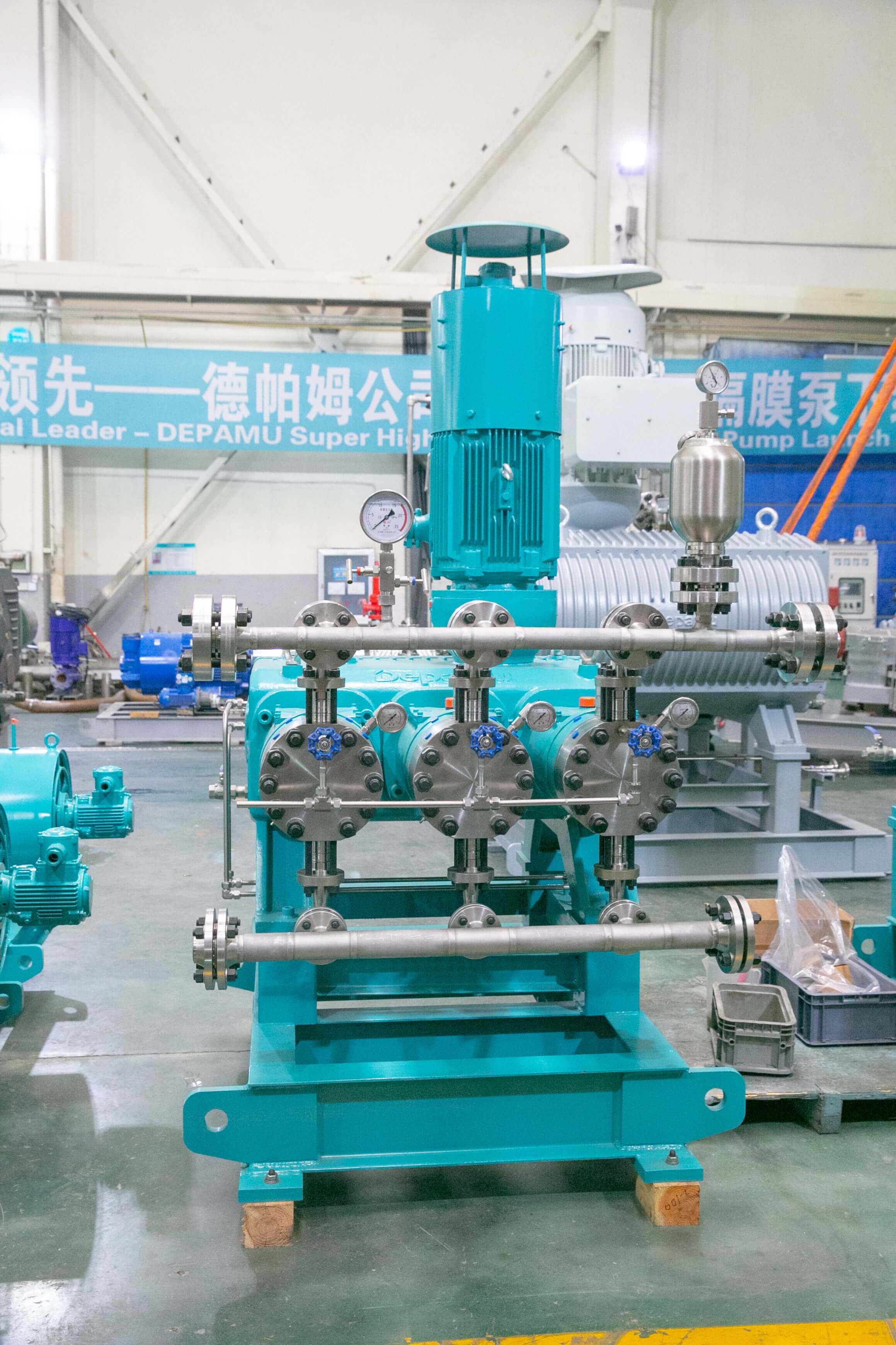
Understanding High Pressure Process Diaphragm Pumps
High pressure process diaphragm pumps represent an advanced category of positive displacement pumps specifically designed to handle challenging fluid transfer requirements. These pumps utilize a flexible diaphragm that reciprocates to create pressure differentials, enabling precise metering and reliable pumping of various media under high pressure conditions. The core innovation lies in their hydraulic-driven diaphragm structure that completely isolates the pumping chamber from the drive mechanism, ensuring zero leakage and contamination-free operation.
Depamp’s hydraulic diaphragm metering pumps exemplify this technology, capable of maintaining consistent flow rates from 0.01L/h to 50,000L/h with pressure ratings up to 35MPa. This performance range makes them suitable for applications requiring both precision and power, from micro-dosing of expensive catalysts to bulk transfer of viscous slurries in industrial processes.
Key Technical Characteristics
The superior performance of high pressure process diaphragm pumps stems from several fundamental design features:
1. Diaphragm Structure
Constructed from specialized materials like PTFE, PPH, or 316L stainless steel, the diaphragm provides excellent chemical resistance while maintaining flexibility under pressure. Depamp’s pumps feature reinforced diaphragm designs with fatigue life exceeding 10 million cycles, ensuring long-term reliability in continuous operation.
2. Hydraulic Drive System
Unlike mechanically actuated diaphragm pumps, hydraulic-driven models use pressurized hydraulic fluid to move the diaphragm. This provides smoother operation, better pressure control, and the ability to handle higher pressures without compromising diaphragm life.
3. Precision Metering Capability
Through adjustable stroke length and variable frequency drives, these pumps achieve flow accuracy within ±1% of setpoint, critical for chemical dosing applications where precise ratios determine product quality and process efficiency.
4. Seal-less Design
The complete isolation between process fluid and drive components eliminates dynamic seals, preventing leaks of hazardous or valuable media. This feature is particularly valuable in applications involving toxic, corrosive, or flammable substances.
5. Modular Construction
Depamp’s pump designs incorporate standardized modules for different pressure ranges, materials, and control options, allowing quick customization to specific process requirements without extensive re-engineering.
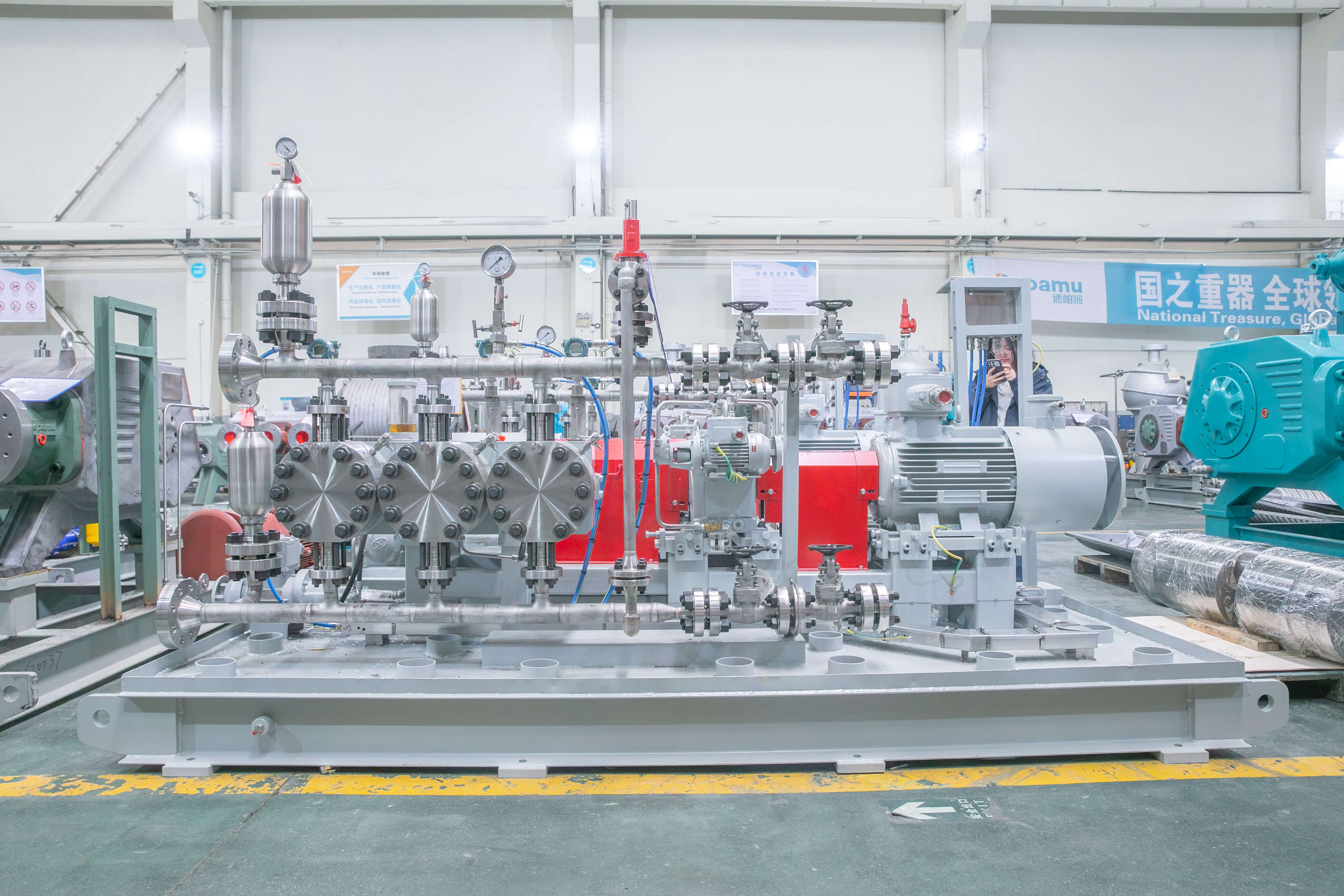
Typical Application Scenarios
The versatility of high pressure process diaphragm pumps makes them indispensable across numerous industrial sectors:
1. Chemical Processing Industry
In petrochemical plants and refineries, these pumps handle catalyst injection, polymer additive dosing, and acid/alkali transfer. Their ability to withstand temperatures up to 180°C and pressures to 35MPa makes them ideal for high-pressure polymerization processes and reactor feeding systems.
2. Oil & Gas Sector
For well stimulation and fracturing operations, Depamp’s high pressure pumps deliver precise chemical injection at pressures exceeding 20MPa. They also support offshore platforms by transferring drilling muds and cement slurries under challenging conditions.
3. Power Generation
In thermal power plants, these pumps meter corrosion inhibitors and oxygen scavengers into boiler feedwater systems. Their seal-less design prevents contamination of high-purity water circuits critical to efficient steam generation.
4. Environmental Protection
Water treatment facilities use diaphragm pumps for flocculant dosing, pH adjustment, and disinfection chemical injection. The pumps’ ability to handle abrasive slurries without wear ensures reliable operation in wastewater treatment processes.
5. Food & Beverage Production
Special sanitary-grade diaphragm pumps from Depamp transfer flavors, vitamins, and preservatives in food processing lines. Their all-stainless construction and CIP (Clean-in-Place) capability meet stringent hygiene standards.
| Application | Pressure Requirement | Material Selection | Key Benefit |
|---|---|---|---|
| Chemical Injection | 1-25MPa | PTFE/Hastelloy | Precise dosing |
| High Pressure Transfer | 10-35MPa | 316L/Duplex | Reliable operation |
| Viscous Media Handling | 0.5-10MPa | SS316/Rubber | Gentle pumping |
Selection Criteria for High Pressure Diaphragm Pumps
Choosing the right pump requires careful evaluation of several critical parameters:
1. Pressure Rating
Determine the maximum system pressure the pump must overcome, including any pressure drops in piping and valves. Select a pump with a rated pressure at least 20% higher than the working pressure to ensure safety margins.
2. Flow Requirements
Calculate both average and peak flow rates needed for your process. Consider future capacity expansion when selecting pump size to avoid premature obsolescence.
3. Media Characteristics
Analyze the chemical composition, viscosity, temperature, and presence of solids in your process fluid. This determines material selection for wetted parts and any special diaphragm construction needed.
4. Control Requirements
Decide between manual, analog, or digital control systems based on your process automation needs. Depamp offers pumps with 4-20mA inputs, PROFIBUS/MODBUS communication, and remote monitoring capabilities.
5. Environmental Factors
Consider ambient temperature, humidity, and any hazardous area classifications when selecting pump enclosures and motor specifications. Explosion-proof models may be required for certain installations.
Maintenance Best Practices
Proper maintenance extends pump life and ensures consistent performance:
- Regular Inspection: Check for leaks, unusual noises, or vibration during operation. Monitor pressure and flow rates for deviations from normal patterns.
- Diaphragm Monitoring: Implement a preventive maintenance schedule for diaphragm replacement based on operating hours and process conditions.
- Lubrication:
- Calibration:
- Spare Parts:
Follow manufacturer recommendations for hydraulic oil changes and gearbox lubrication to prevent premature wear.
Periodically verify and recalibrate flow meters and control systems to maintain dosing accuracy.
Maintain an inventory of critical spare parts like diaphragms, valves, and seals to minimize downtime during repairs.
FAQ
What makes high pressure diaphragm pumps suitable for corrosive applications?
The seal-less design completely isolates process fluids from moving parts, preventing corrosion of critical components. Depamp uses corrosion-resistant materials like PTFE, PPH, and Hastelloy for all wetted parts, ensuring compatibility with over 98% of industrial chemicals.
How do I determine the correct pressure rating for my application?
Calculate your system’s maximum working pressure including static head, friction losses, and any pressure surges. Select a pump with a rated pressure 20-30% higher than this value. Depamp’s engineers can assist with detailed pressure calculations during equipment selection.
Can these pumps handle viscous fluids?
Yes, high pressure diaphragm pumps excel at pumping viscous media up to 100,000cP. Special valve designs and slow operating speeds prevent shear degradation of sensitive fluids while maintaining consistent flow rates.
What maintenance is required for long-term reliability?
Regular diaphragm inspection (every 3-6 months depending on usage), hydraulic oil changes, and valve seat replacement are key. Depamp provides comprehensive maintenance manuals and can train your staff on proper procedures.
How accurate is the flow control on these pumps?
Depamp’s hydraulic diaphragm pumps achieve ±1% flow accuracy under stable conditions. For critical applications requiring even higher precision, we offer digital dosing systems with ±0.5% accuracy and automatic compensation for pressure variations.
Summary
High pressure process diaphragm pumps represent the pinnacle of precision fluid handling technology for demanding industrial applications. Their unique combination of pressure capability, chemical resistance, and precise metering makes them indispensable in sectors ranging from chemical processing to power generation. When selecting a supplier, consider not just the pump specifications but also the manufacturer’s ability to provide customized solutions, technical support, and reliable after-sales service.
Depamp (Hangzhou) Pump Technology stands out as a comprehensive fluid equipment provider with 20+ years of industry experience. Our 35,000m² manufacturing facility produces over 50,000 pumps annually, serving clients in 40+ countries across petrochemical, nuclear, environmental protection, and other critical sectors. With ISO 9001, ISO 14001, and CE certifications, we ensure all products meet international quality and safety standards.
For your next high pressure fluid handling project, contact our technical team to discuss how we can create a customized solution that improves process efficiency, reduces operating costs, and ensures long-term reliability in your specific application.