
In the complex world of industrial fluid handling, selecting the right pump technology can make or break your operational efficiency. Single screw pumps have emerged as versatile solutions for demanding applications across multiple industries, but with numerous suppliers claiming superiority, how do you identify the most reliable partner? This comprehensive guide explores the technical advantages, application scenarios, and selection criteria for single screw pumps, drawing on Depamp (Hangzhou) Pump Technology’s 20+ years of expertise in high-end volumetric pump manufacturing.
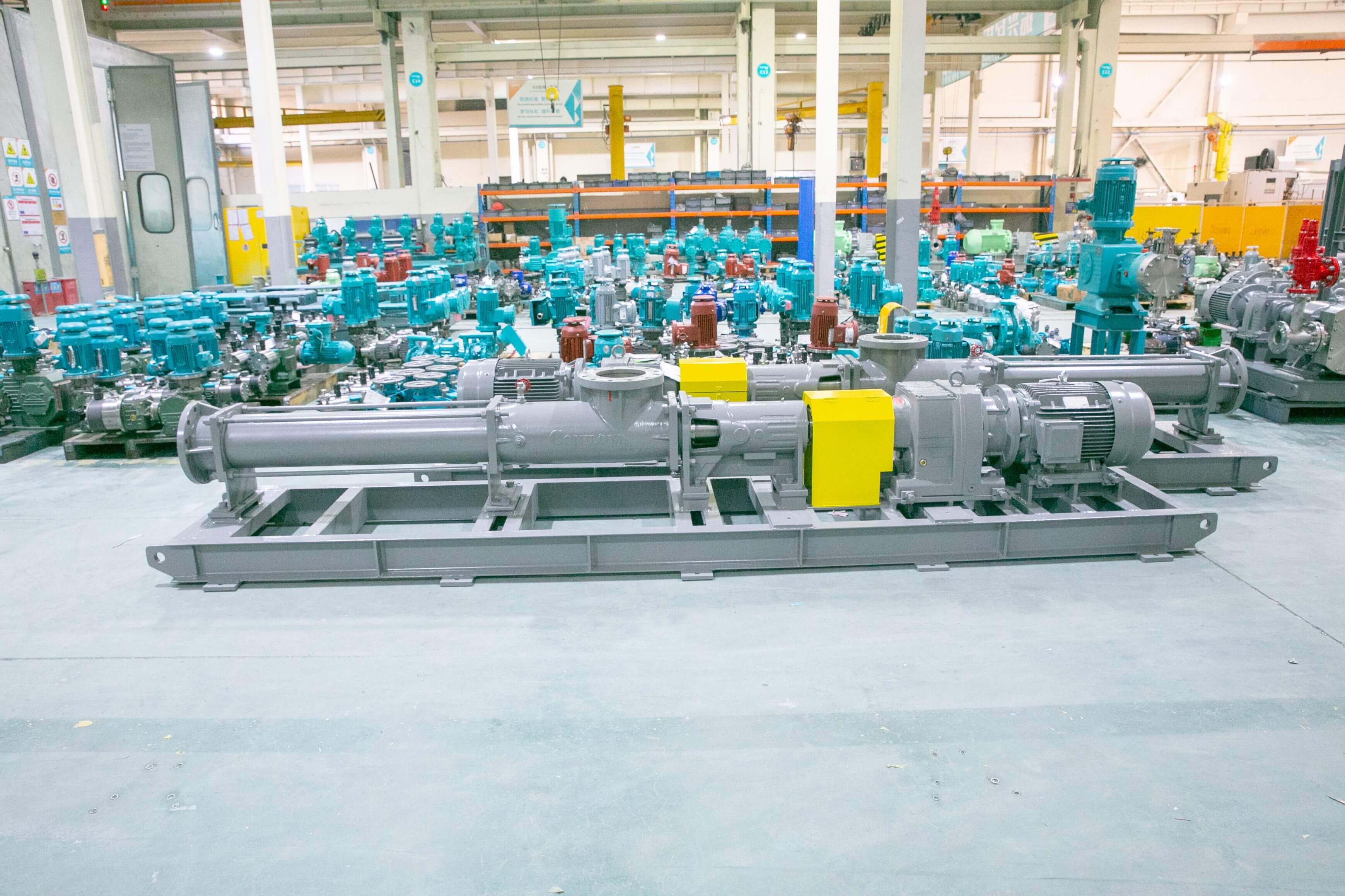
Understanding Single Screw Pump Technology
Single screw pumps, also known as progressive cavity pumps, operate on a simple yet effective helical rotor principle. Unlike centrifugal pumps that rely on velocity, these positive displacement pumps generate consistent flow rates regardless of system pressure variations. The core design features a single helical rotor rotating inside a double-helix stator, creating sealed cavities that transport fluid from suction to discharge end.
Depamp’s engineering team has refined this basic principle through German-imported technology absorption and continuous innovation. Our single screw pumps achieve volumetric efficiencies exceeding 85% while maintaining pulsation rates below 5%, making them ideal for precise chemical dosing applications. The rubber stator materials we develop can withstand temperatures from -30°C to 150°C, accommodating extreme operating conditions in oil refining and chemical processing.
Key Industrial Applications
The versatility of single screw pumps stems from their ability to handle diverse media characteristics. At Depamp, we’ve engineered specialized variants for six core industries:
1. Petroleum Refining & Chemical Processing
Accounting for 41% of our sales, this sector demands pumps that can handle:
- Corrosive sulfur compounds in crude oil
- Viscous asphalt and heavy fuel oils
- Abrasive catalyst slurries
- High-temperature polymer solutions
Our hydraulic diaphragm metering pumps achieve ±1% dosing accuracy even with volatile organic compounds (VOCs), while high-pressure reciprocating pumps deliver up to 35MPa for pipeline injection applications.
2. Oil & Gas Field Operations
In upstream operations, our pumps excel at:
- Cement slurry transfer in well completion
- Fracturing fluid injection at 15,000psi
- Crude oil transfer with 30% water cut
- Chemical inhibition dosing for pipeline protection
The robust design of our triplex reciprocating pumps ensures continuous operation for 8,000+ hours between overhauls in desert environments.
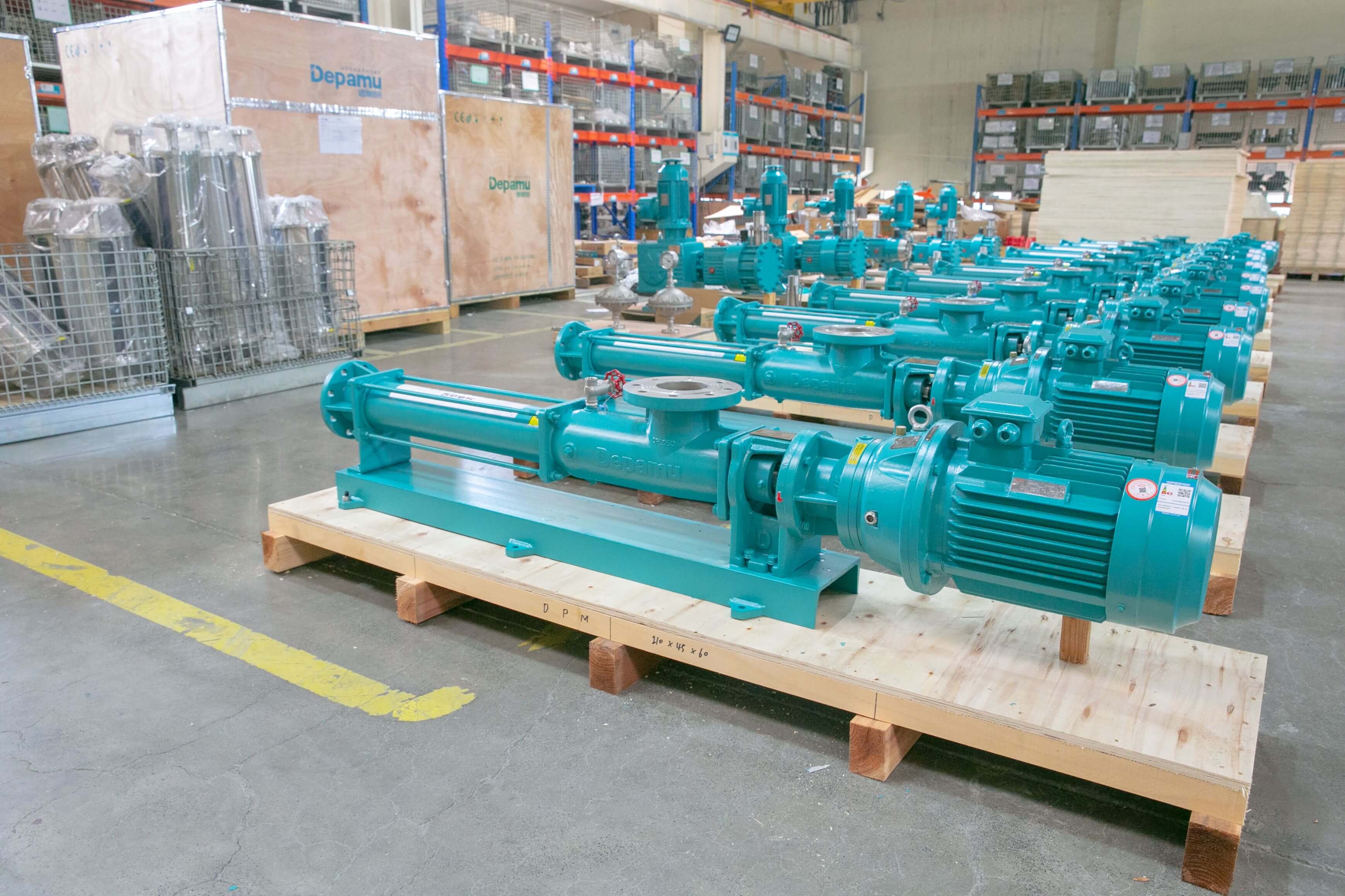
3. Environmental Protection & Water Treatment
Our fully automatic chemical dosing systems dominate this 13% market segment by offering:
- Dry powder/liquid dual-mode dosing
- Multi-point synchronized injection
- PLC-based pH/ORP automatic control
- Explosion-proof design for municipal wastewater plants
The integrated solution reduces chemical consumption by 15-20% compared to traditional methods while maintaining effluent quality below 5mg/L COD.
Product Selection Criteria
Choosing the right single screw pump requires careful evaluation of five critical parameters:
| Parameter | Selection Guide |
|---|---|
| Flow Rate | Determine based on process requirements (0.1-500m³/h). Select pump with 20% margin for viscosity compensation. |
| Pressure | Choose stator material based on working pressure (standard up to 2.4MPa, special up to 48MPa). |
| Viscosity | For viscosities >10,000cP, select pumps with reduced rotational speed (50-300rpm) and reinforced stator. |
| Temperature | Standard NBR stators handle -20~80°C; FKM for 120°C; PTFE-lined for 180°C continuous operation. |
| Abrasion | For solids content >15%, specify hardened rotor surface (Stellite coating) and wear-resistant stator. |
Competitive Advantages of Depamp Solutions
What sets our single screw pumps apart in the global market? Three core differentiators:
1. Customization Capability
Our 35,000m² manufacturing facility houses CNC machining centers capable of producing rotors with eccentricity tolerance <0.05mm. This precision enables us to develop bespoke solutions for:
- Nuclear power plant primary coolant circuits
- Food-grade CIP cleaning systems
- Subsea chemical injection modules
- ATEX Zone 2 explosion-proof configurations
2. Total Cost of Ownership
While our pumps may not be the cheapest upfront, they deliver the lowest lifecycle cost through:
- Energy efficiency: 15% lower power consumption than comparable models
- Maintenance intervals: 12-month PM cycles vs industry average 6 months
- Spare parts availability: 95% parts stocked locally in key markets
- Remote diagnostics: IoT-enabled condition monitoring reduces downtime
3. Global Compliance
All products meet:
- API 675 for reciprocating pumps
- ISO 13709 for process pumps
- ATEX 2014/34/EU for explosive atmospheres
- ASME B73.1 for chemical processing
- 3A Sanitary Standards for food applications
FAQ
What makes single screw pumps suitable for chemical dosing applications?
The positive displacement design ensures consistent flow rates regardless of discharge pressure variations, crucial for maintaining precise chemical concentrations. Our hydraulic diaphragm metering pumps achieve ±0.5% accuracy even with volatile organic compounds, while the sealed cavity design prevents leakage of hazardous chemicals.
How do you ensure compatibility with corrosive media?
Material selection is critical. We offer stator options in NBR, FKM, EPDM, and PTFE to handle pH ranges from 1-14. For extreme cases, we provide duplex stainless steel rotors with PEEK liners. Each pump undergoes 72-hour media compatibility testing before delivery.
What maintenance is required for single screw pumps?
Typical maintenance includes:
- Monthly: Check lubrication levels and seal integrity
- Quarterly: Inspect rotor/stator wear (using gap gauges)
- Annually: Replace mechanical seals and bearing assemblies
Our IoT-enabled pumps send maintenance alerts based on actual operating hours and vibration analysis.
Can single screw pumps handle solids?
Yes, they excel at transporting slurries with up to 40% solids content by volume. The gentle pumping action minimizes shear forces, making them ideal for delicate biological sludges. For abrasive applications like mining tailings, we offer hardened rotors with tungsten carbide coatings.
What’s the lead time for custom pumps?
Standard models ship within 4 weeks. For customized solutions:
- Minor modifications: 6-8 weeks
- Complete redesigns: 12-16 weeks
- ATEX/API certified units: Add 2-4 weeks for testing
We maintain strategic stock of common configurations in Europe and North America to reduce delivery times.
Summary
Selecting the right single screw pump requires balancing immediate performance needs with long-term operational costs. Depamp (Hangzhou) Pump Technology stands out through our vertical integration from R&D to after-sales service, enabling us to deliver pumps that achieve 98.5% uptime in demanding applications. With three global brands serving 12 industries across 45 countries, we have the experience to solve your most challenging fluid handling problems. Contact our technical team today for a free application review and pump selection consultation.